Reflections on a cricothyrotomy:
I wanted to share my personal first experience performing this high-acuity and rare procedure, in the hopes that others will learn from it.
Consider this part reflection, part tweetorial
https://t.co/r5aG1qBN11
LR doesn’t cause hyperkalemia.
Please help abolish this myth.
Also, I’m sorry if you spent 0.5 million on a medical education full of aphysiologic bollocks.
https://t.co/mquuBqPCqc
I think a lot about how the unit a patient is admitted to leads to premature closure. Medical ICU patients with hypotension are assumed to have septic shock, for example.
Here’s a coronary care unit patient, “ACS rule out”, with negative stress test, on the verge of discharge
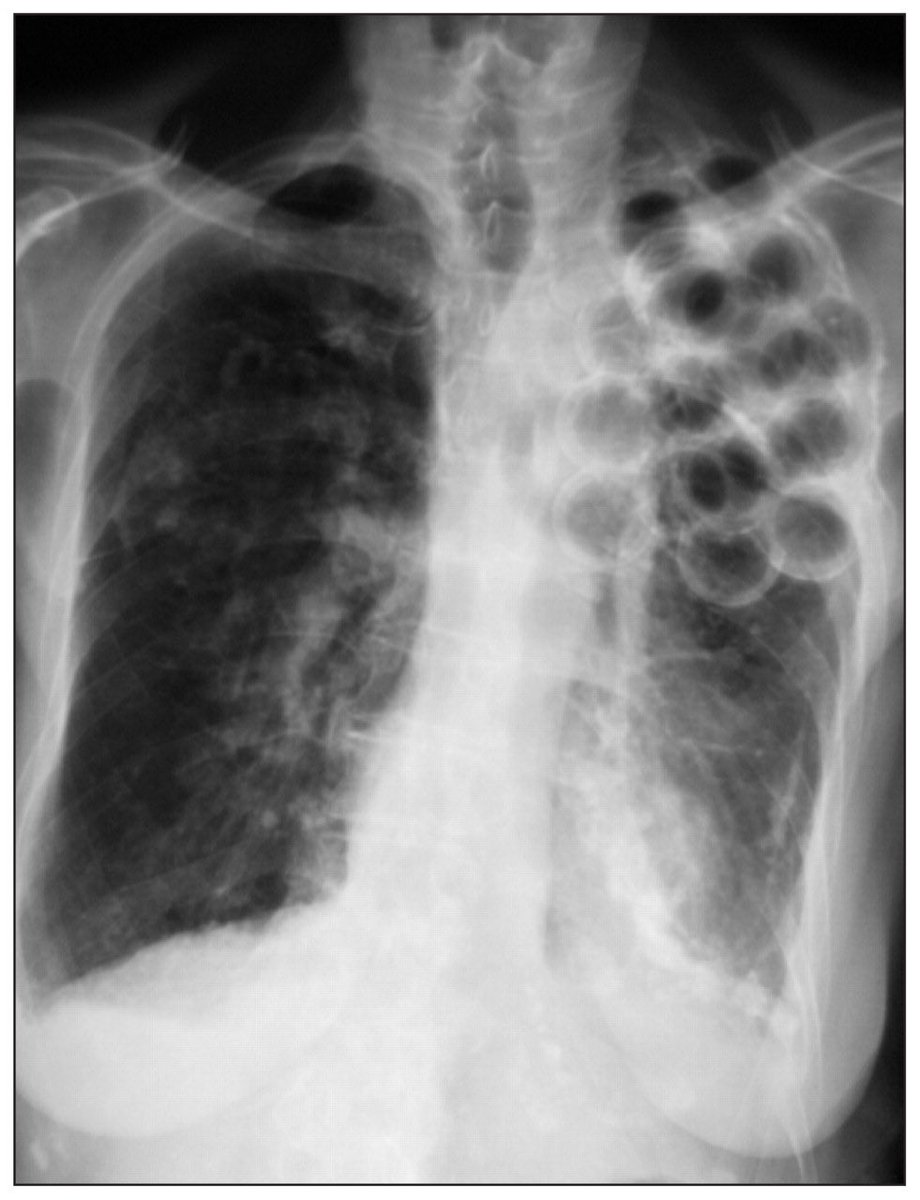
CXR quiz: what’s the diagnosis? The newest generation of MDs may not recognize this. It’s a good example of the desperation of the times and the daring of surgeons. #MedTwitter#Pulmonary#CXR#HistoryOfMedicine
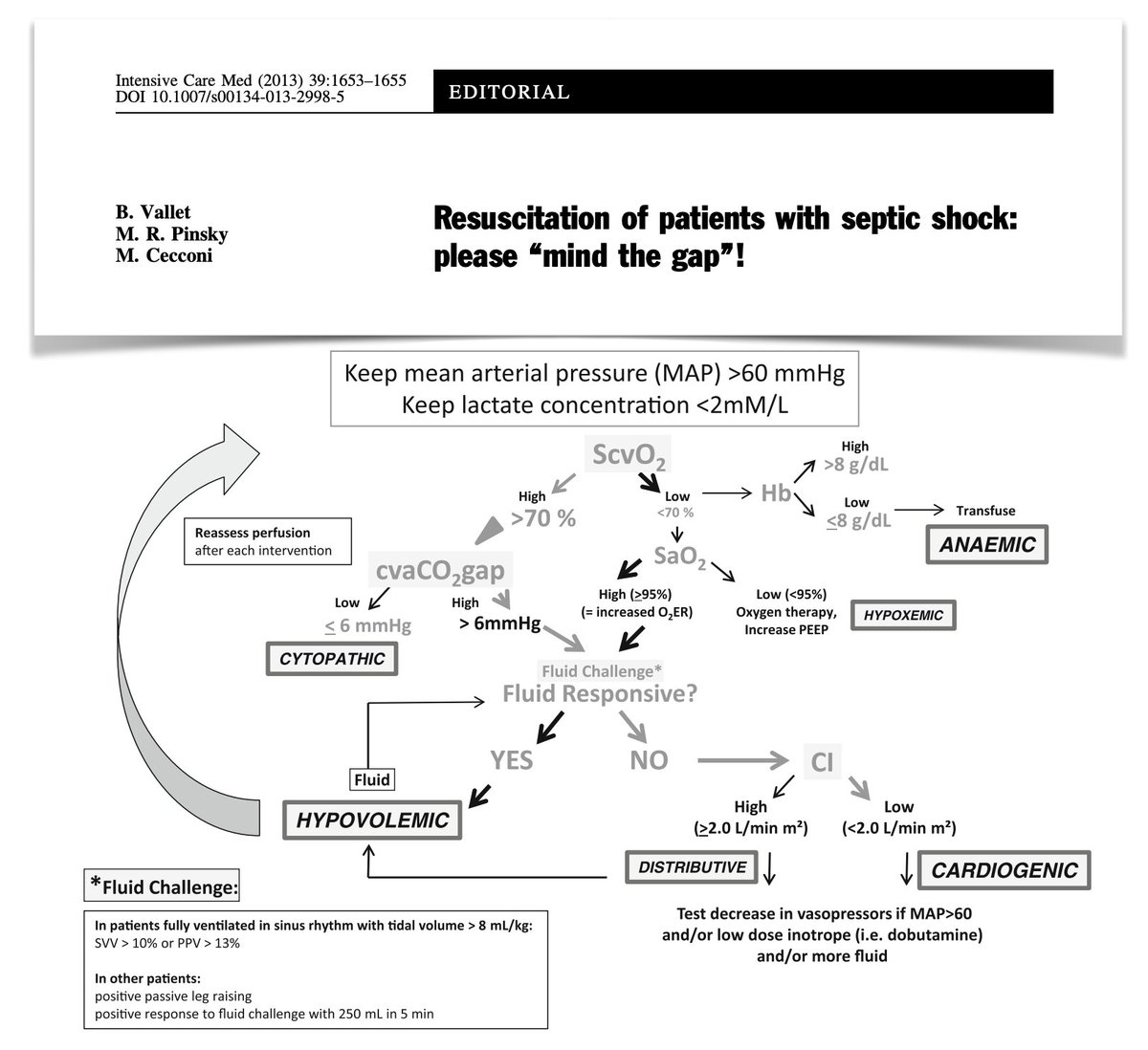
Mind the gap! determining mixed or central venous-to-arterial CO2 gap during #resuscitation of critically ill patients; goal of gap < 6 could be useful tool to evaluate adequacy of blood flow to global metabolic demand. https://t.co/odNhjwmMBK
Referred to https://t.co/t8KP1Lya0h
ICU stories: Elderly pt admitted with hypoxic resp failure (on O2 8 l/m NC) and working diagnosis: "Rule out COVID". PMHx of HTN / HLD / TAVI / GI bleed / hypothyroidism. While PCR is cooking, quick look with POCUS. Lungs:bil B-lines. Heart: 4ch without something very concerning:
Critical point! I too suffered from this misconception not long ago.
By definition, apparatus dead space is due to parts of the circuit that have bidirectional flow.
Practically, this means anything *distal* to the Y-piece (e.g. catheter mount, HME etc)
https://t.co/KyOU57bAGH