I finally published my first paper. If you are planning some EW field experiments and want to know which soil parameters are important to measure for EW application, the discussion and conclusion section will give you some insights.
https://t.co/aqg39CfMrF
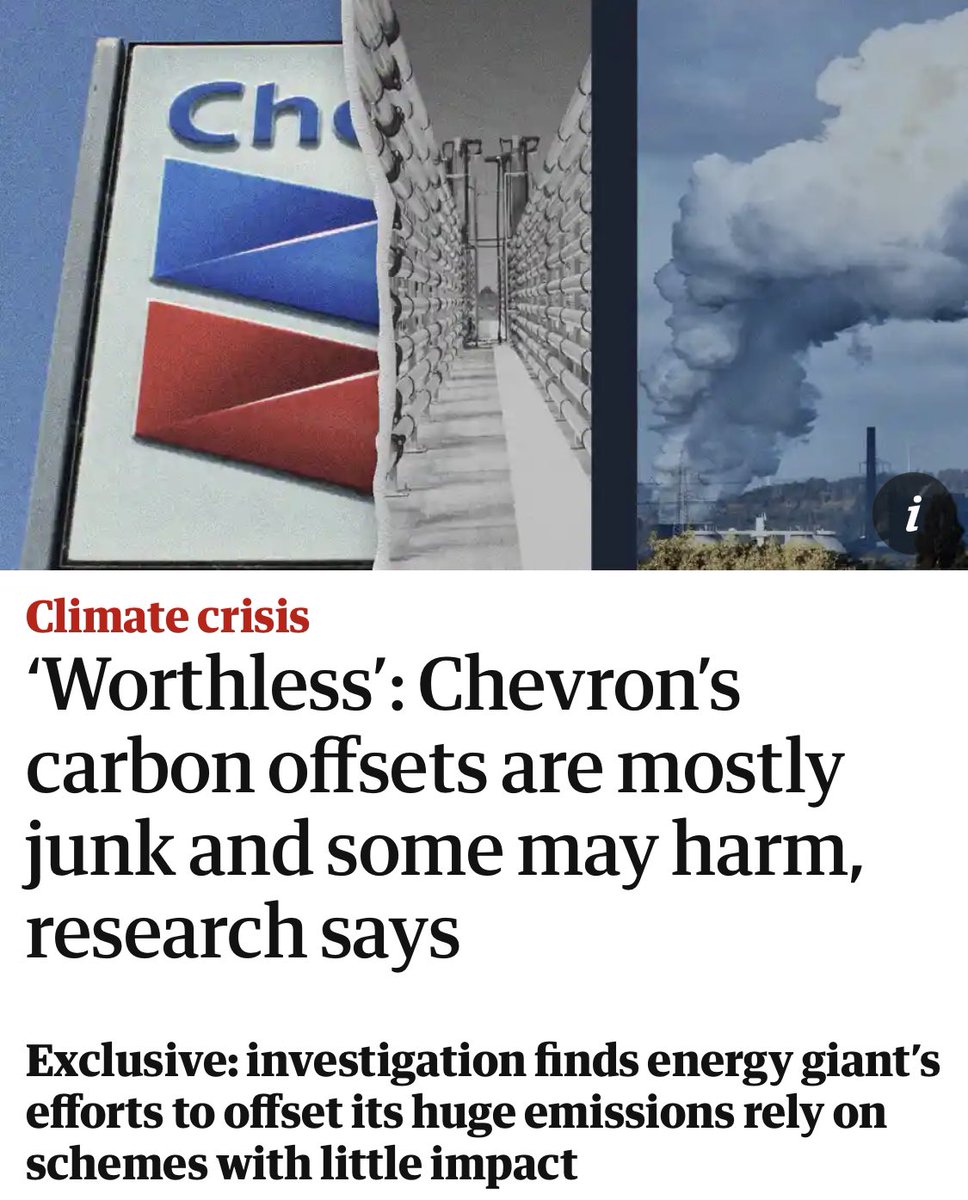
“Carbon credit speculators could lose billions as scientific evidence shows many offsets they have bought have no environmental worth and have become stranded assets.” https://t.co/gnx6fZy8yS
Our latest R&D project with Yale and Trent University is up and running with wollastonite going out on a soybean field just after seeding... and then the analysis began.
This is a first for comparing CO2 gas exchange in soil with wollastonite: https://t.co/BSqdxPRu3r
Check out our latest paper in ES&T. We take a granular approach to quantify the secondary processes that impact carbon removal downstream of an enhanced rock weathering site. Measuring cation loss from feedstocks on the field isn't enough!
https://t.co/eqBqUyLB00
The Arctic will be ice free in the summer soon. This is going to have important implications for indigenous communities and ecosystems as shipping, fishing, tourism, and oil & gas exploration increase.
https://t.co/UXIRErHEtI
Enhanced Rock Weathering does not remove CO2 directly from ambient air. The climate-relevant effect of ERW on croplands is mostly an indirect CDR effect: rock-dust treated soils are expected to show a lower annual flux of CO₂ back to the atmosphere over their seasonal cycle. 1/x
We welcome submissions to the research topic: "Quantifying Carbon Removal by Negative Emissions Technologies" on @Frontiers in Climate,
edited by @cjanuarioTo, @ConnorTurvey, @IngridSmet_geo, Melissa Cook, James Campbell, @GeoloJess_ , and myself.
https://t.co/8ckHMHtemd
I don't think we should be engaging soil C sequestration on working lands in the C offset market. Here's why:
1. It takes a lot of samples to accurately detect and quantify SOC change against large spatial heterogeneity. I talk about this in-depth here https://t.co/6pR4YfhjXw
A little bit of snow won't stop us from trapping those CO2 molecules at scale :). This is ground up basalt going onto arable fields in the Pacific North West to remove CO2 from the atmosphere and improve soil fertility.
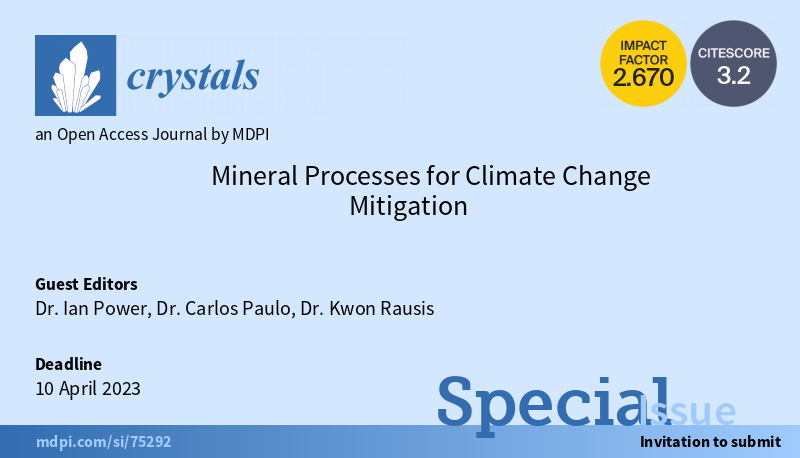
The deadline for contributions to ‘Mineral processes for climate change mitigation’ was extended until April 10th, 2023.
Full waivers for publication fees are available.
@KwonRausis @ianmalcolmpower
I talk to a lot of people interested in climate solutions who are not ocean chemists. This is the easiest way to see how adding alkalinity to the ocean lowers pCO₂ without changing dissolved inorganic carbon and potentially allows the ocean to take up more atmospheric CO₂.
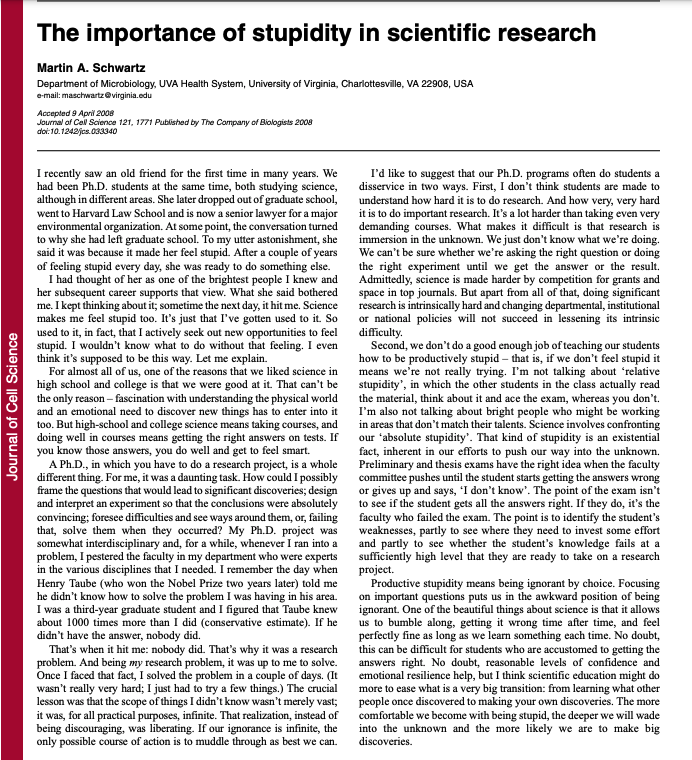
I remember breaking down to my Ph.D. advisor about how stupid I felt while troubleshooting a problem in my project when she handed me this paper. Years later it is still relevant to young students starting off in Science. It's ok to feel stupid, we all do on a regular basis.
I’m thrilled to announce @Shopify’s partnership with 9 new entrepreneurial, tech-driven trailblazers, bringing our total Sustainability Fund commitment to carbon removal solutions to $32M since launch 🚀
https://t.co/jgVnxfcPBw