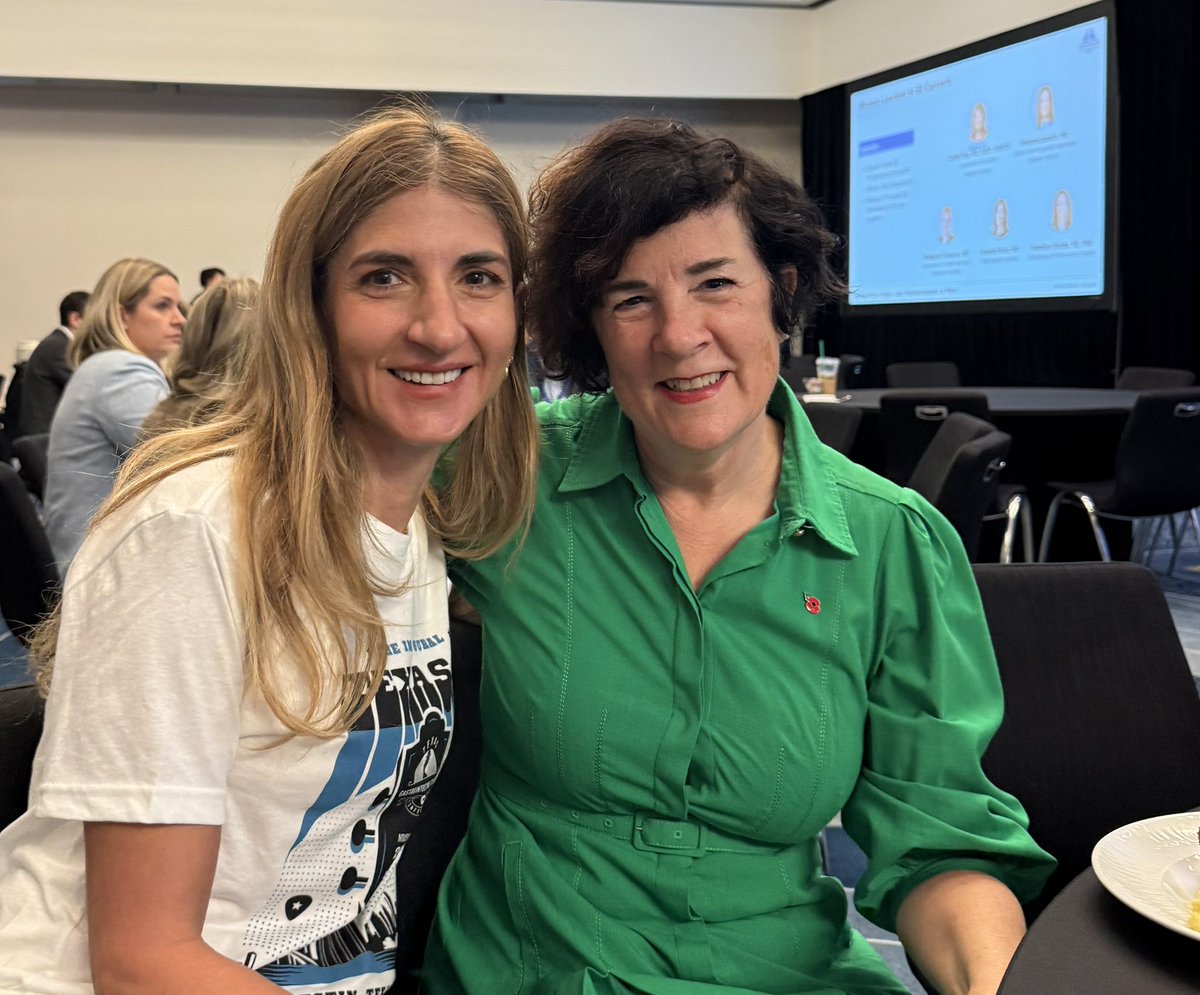
For patients with pancreatic cancer, access to new breakthrough treatment approaches matters enormously. I'm so lucky to work with @CentralParkWMD@EileenMOReilly to bring patients these advances through a range of innovative clinical trials at @MSKCancerCenter Westchester.
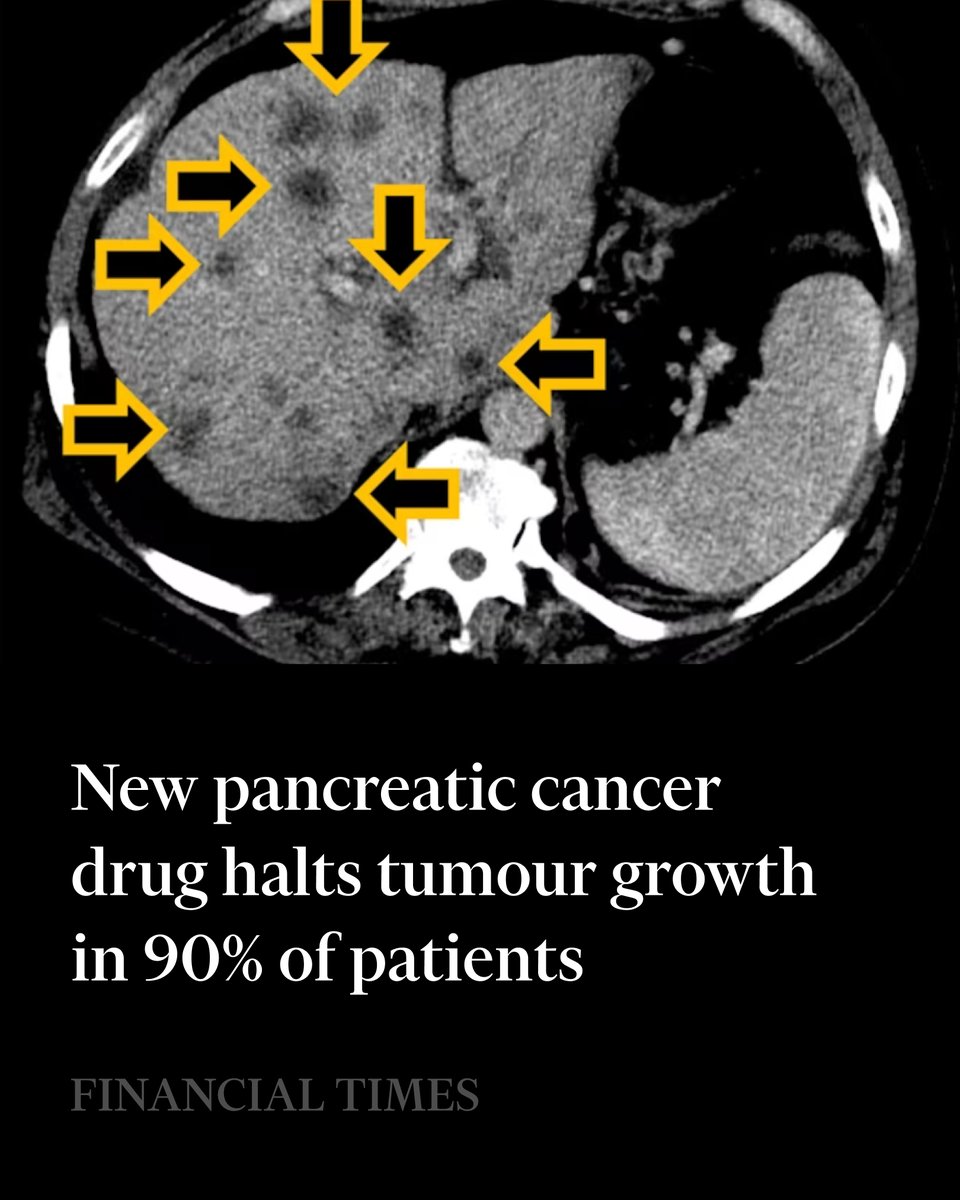
A new drug for pancreatic cancer has shown more evidence that it can prolong survival times for sufferers of the notoriously lethal disease. https://t.co/gftBw3KGAT
Really unusual and unexpected to see such deep response in metastatic PDAC. Glad this combination is well received with manageable safety profile and durable response translating into long survival. This looks very promising!
Our ongoing RASolute303 will eventually answer whether it is better than control arm definitively but this looks very promising.
🚀 Remarkable moment at #ENASymp26! @EORTC@theNCI@AACR
I hope you appreciate the SHAPE of this waterfall plot! 📊 compared to 9 months ago at AACR, it is wider and deeper!
With 61 pts and 18.3-mo median follow-up, we're seeing striking depth and breadth of tumor responses with daraxonrasib + GnP in 1L metastatic PDAC.
🌟 5 confirmed complete responses (8.2%)!
That's approximately 1 in 12 patients.
As pancreatic cancer oncologists, we rarely see complete radiographic responses in metastatic disease. Seeing this was genuinely astonishing!
🎯 ORR 60.7% 💪 DCR 90.2%
And the durability is remarkable!
⏳ Median PFS: 12.8 months (longer than the mOS of standard chemo 11.1 months)
💜12-month OS: 76.6% (3 out of 4 participants were alive at 1 year mark)
For a disease where standard chemotherapy has historically achieved median PFS of ~5–7 months, these early findings are striking.
Randomized confirmation remains essential.
🚀 Proud to lead MSK's participation in the global Phase 3 #RASolute303 trial as we await pivotal results!
💜 Deepest gratitude to our patients and families and to all co-authors, investigators, research nurses, coordinators and the incredible Revolution Medicines team.
This is TEAM SCIENCE! 🙌
#PancreaticCancer #KRAS #ENA2026 @CpcrMsk@MSK_DeptOfMed@MSKCancerCenter
Gulam Manji, Nilo Azad, Erkut Borazanci, Joel Hecht, Ben Musher, @DavendraSohal John Strickler, Mark O’Hara, Alexander Spira, Gregory Botta @VaiaFlorou@aparna1024 Gabby Chiorean, Wells Messersmith, Shubahm Pant, Steve Choi, Andrea DeYoung, Hina Patel, Yan Zheng, Brian Wolpin
@CNN before @BBC now
From @CNN to @BBC ! 🌍💜💜
As a pancreatic cancer specialist, I rarely see results like these in metastatic #PDAC.
8% CONFIRMED CR
12.8-month median PFS, which exceeds medial OS of standard chemotherapy (11.1 months) in this setting.
3 out of 4 (~76%) were alive at 12 months!
⏬ Deep responses and ⏪↔️⏩ durable disease control.
Grateful to our patients and incredible research teams! 🙏
https://t.co/W87LtHIbpn
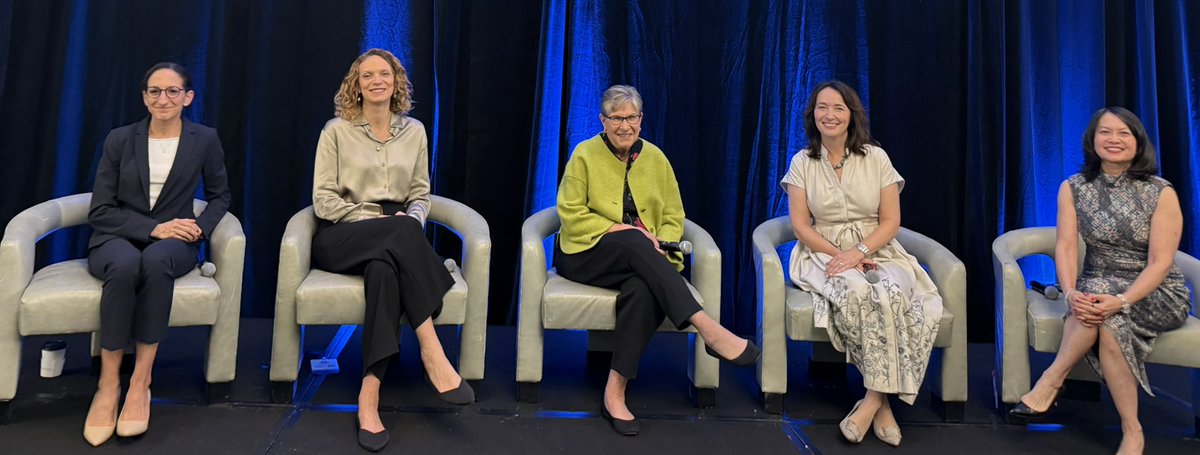
What a way to wrap up the inaugural #TXGI2026! Outstanding science, lively debates, and all the Austin vibes at @ACL Live! 🎸🤠 Mark your calendars for November 4–6, 2027! You know what they say about Texas—everything is bigger! Expect bolder ideas and a few surprises! #TXGI2027
Energizing 2 days at the inaugural Texas GI Cancer Conference at the iconic ACL Live in Austin! So rewarding to see this meeting come together. A highlight was our Women Leaders in GI Cancers breakfast—great conversations on leadership and mentorship! #TXGI2026
Excited to announce the next step in my journey: I am joining the Solid Tumor GI Oncology Service @MSKCancerCenter! Deeply grateful to my colleagues, mentors, and fellows @Perlmutter_CC! Eager to dive into exceptional trials, clinical care, research, and education @MSKCC!
In this @OncJournal commentary, @EileenMOReilly and I highlight emerging preclinical evidence of synergy between RAS inhibition and RT in PDAC and make the case for prospective clinical trials evaluating this combination across the disease spectrum
https://t.co/rIsQI4I08e
A new vaccine continues to show potential as a ready-made treatment for pancreatic cancer, according to a study co-led by MSK researchers.
MSK's @EileenMOReilly presented phase 2 results from AMPLIFY-7P at #ESMO26. The vaccine targets KRAS mutations, which are found in more than 90% of pancreatic cancers.
99% of patients receiving the vaccine developed cancer-fighting immune T cells. Patients with the strongest immune responses had the lowest recurrence rates.
“Having a vaccine that’s ‘off-the-shelf’ would make it easier, faster, and less expensive to treat a larger number of patients,” says Dr. O’Reilly. “This gives hope for people with pancreatic cancer who have been out of effective treatments when their disease returns.” Learn more: https://t.co/gDpJRtWOQd
Can KRAS-Targeted Immunotherapy Change Outcomes in Resected Pancreatic Cancer?
"Eileen O’Reilly, MD, of Memorial Sloan Kettering Cancer Center, reviews findings from the phase 2 AMPLIFY-7P trial evaluating camupepimut (ELI-002 7P) in resected KRAS-mutated pancreatic ductal adenocarcinoma (PDAC).
Dr. @EileenMOReilly discusses the significance of ctDNA status, the relationship between immune activation and clinical benefit, and how these findings may inform future phase 3 development of KRAS-targeted immunotherapy in pancreatic cancer."
From @GiOncNow
https://t.co/NUjKlanwDj
I am running for the ASCO Board out of a deep commitment to an organization that has shaped my career. A belief that through collective engagement & shared leadership, we can expand opportunities, inform policy, advance care, and improve the lives of all people with cancer,
PRABITAS phase III trial pragmatic trial enrolled 972 pts in 17M evaluating the schedule of TAS-102 + bev (2 weeks on/2 weeks off) vs. (1 week on/1 week off) which validates non-inferiority and less dose reductions validating our RWD approach in the US. #colorectal#cancer #ESMO2026 @OncoAlert
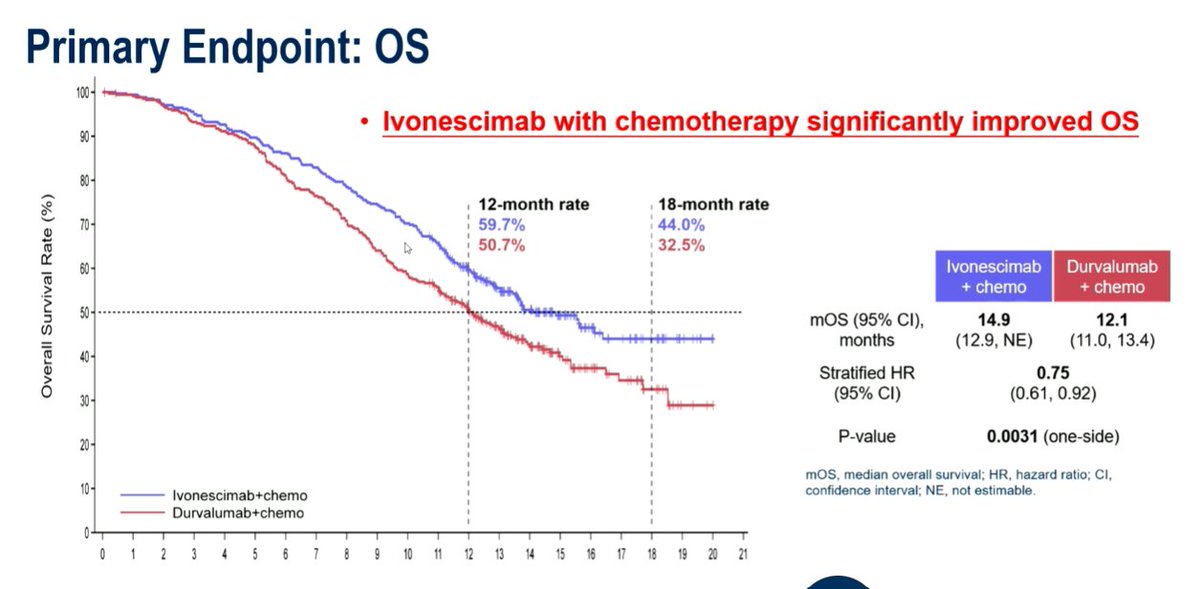
Interim analysis of HARMONi-GI1 phase III findings of #Ivonescimab (bispecific Ab for PD-1/VEGF) + chemo vs. durvalumab + chemo for treatment-naive #biliarytract#cancer (N=682). 👏👏
🔹Primary endpoint: OS of 14.9M vs. 12.1 (HR = 0.75)
🔹PFS: 8.4 vs. 5.8M; HR = 0.61
🔹ORR = 53.8% vs. 32.5%
🔹Subsequent therapies was 31.8% vs. 45.9% (more so in control arm)
@curecc #cancer #cancerresearch @OncoAlert@SMMT_TX
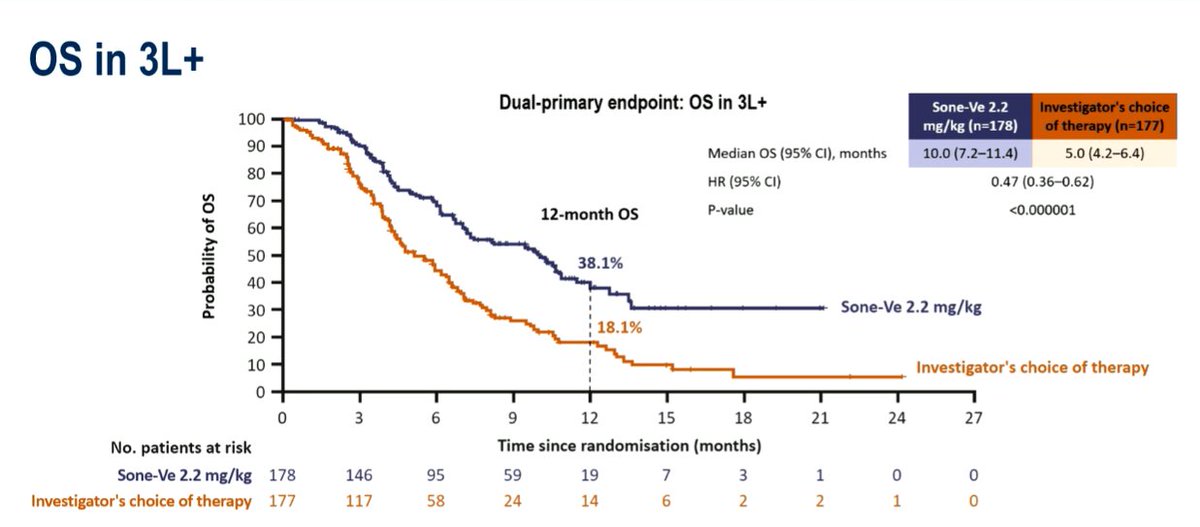
CLARITY- Gastric 01 (CG-01) Phase III AZD-0901 (Sone-Ve) in 2L+ met #Claudin 18.2 (+) in #Gastroesophageal#cancer vs. investigators choice (N=594)
Primary endpoints: PFS + OS
🔹OS: 10M vs. 5M (HR = 0.47) 👏
🔹12M OS: 38.1% vs. 18.1%, HR = 0.47 (3rd line)
🔹 12M 42.6% in 2nd line
🔹 ORR: 23.3% vs. 13.8%
🔹PFS: HR = 0.77 was NS in 2L+
🔹PFS: HR = 4.1 vs. 2.7M; HR = 0.56 in 3L+
🔹Need more data in the 2L setting; largest benefit seen in 3L+ setting
#ESMO2026 @OncoAlert #cancerresearch @AstraZeneca
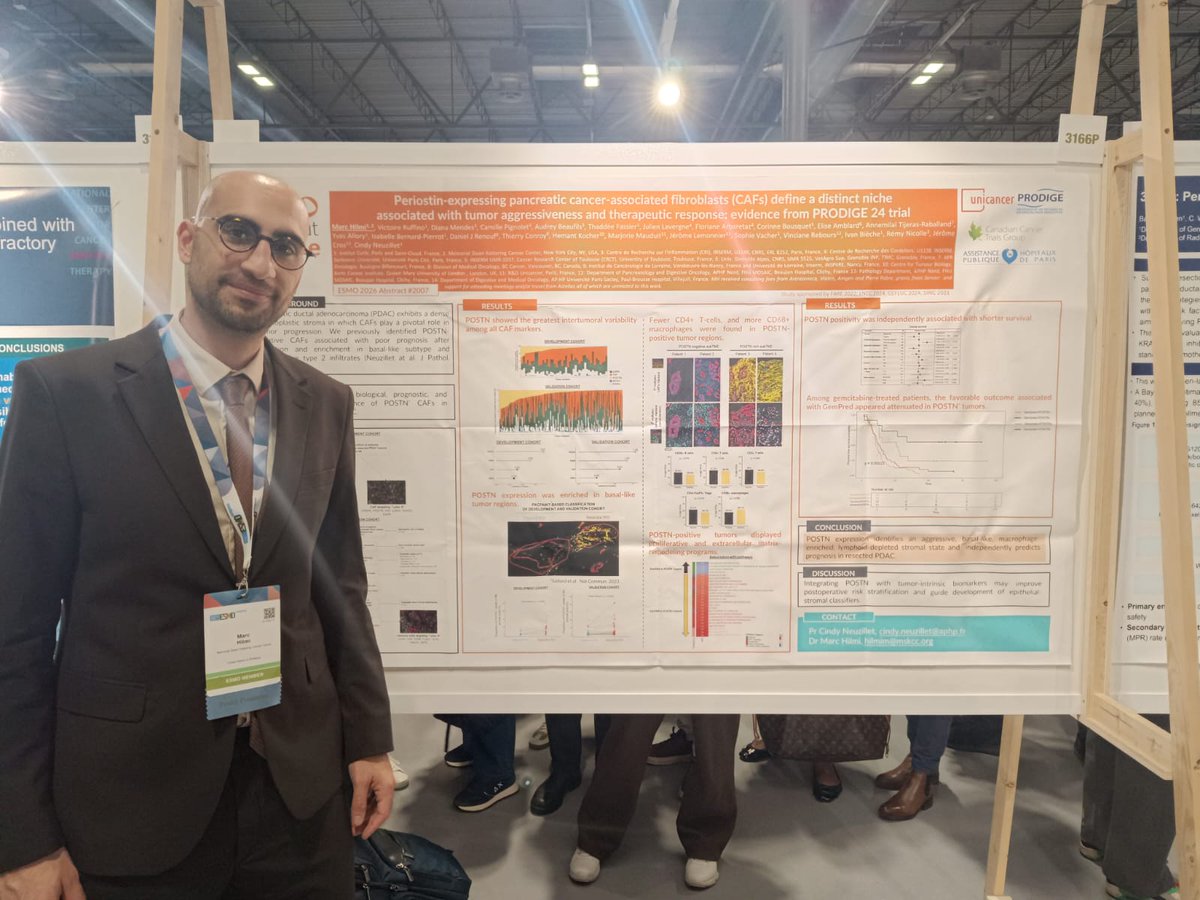
Grateful to present 3 posters at #ESMO2026 in Madrid! 🇪🇸
1. Pathogenic germline ATM alterations define a distinct pancreatic cancer subtype with improved survival, less liver metastases and reduced KRAS signaling. @CentralParkWMD@EileenMOReilly@ciacobu@CpcrMsk
2. POSTN+ fibroblasts identify an aggressive tumor microenvironment and poorer survival in pancreatic cancer (#PRODIGE24). @RemyNicolle@cros_jerome
3. Early CT-derived body composition changes predict survival in biliary tract cancer patients receiving immunotherapy, independently of radiological progression, CA19-9, ECOG PS, and weight loss (#PRODIGE57). @DelayeMatthieu
Grateful to all collaborators at @MSKCancerCenter, @institut_curie, and GERCOR/PRODIGE!
#PancreaticCancer #GIOncology
PD(L)1-VEGF bispecifics are already beating PD1 inhibition alone in trials, so what's next?
This trial (BioNTech, DualityBio, BMS) adds a new B7-H3 ADC to a PDL1-VEGF bispecific, with potential synergy:
1) VEGF blockade: normalizes tumor vasculature, improves ADC delivery and T cell infiltration.
2) B7-H3 ADC: kills cancer cells, triggers immunogenic inflammation.
3) PDL1 blockade: releases immune suppression, allows T cells to exploit immune response induced by ADC.
Confirmed ORR up to 71% -- in immune-cold platinum-resistant ovarian cancer.
The broader, ongoing phase 2 includes colorectal cancer, pancreatic cancer and other tumor types.
#ESMO26 Day 1 highlight for me: MASTERPLAN, now in Lancet Oncology.
Radiation and pancreatic cancer have a complicated history. ESPAC-1 suggested adjuvant chemoradiation hurt. LAP07 and CONKO-007 couldn't show an OS benefit after chemo. A021501 closed its RT arm for futility. PREOPANC-2 was a draw. We walked through the adjuvant side of this story in Sem Rad Onc last year: https://t.co/qGkMfyjghA
So why is MASTERPLAN different?
Phase 2, 14 sites in Australia and NZ (can i just say I love the Aus-NZ studies). 74 patients with high-risk localized PDAC, randomized 2:1 to chemo ± SBRT 40 Gy/5 after induction.
12-mo locoregional recurrence 20.2% vs 52.0%, sHR 0.44, p=0.022
PFS 11.9 vs 6.3 mo, HR 0.44
OS 22.0 vs 14.0 mo, HR 0.45
Grade ≥3 AEs 70% vs 64%.
Why did this one work when others didn't? The rad oncs can explain the physics better than I can. I just read it as better tumor zap zap.
Does it change practice? Maybe. I think we need to have a deeper conversation at every tumor board, but the juice seems worth the squeeze.
@OncoAlert@TheGutOncLab@Onco_Nexus
https://t.co/rt0c35UkcW
Some tentative good news today for a vaccine in pancreas cancer.
- 7-valent mutant KRAS vaccine (G12D, G12R, G12V, G12A, G12C, G12S and G13D) given after surgery and completion of chemotherapy (with or without radiotherapy) in patients with stage I-III KRAS-mutant pancreas cancer.
- This did not prevent recurrence in the overall population.
- But, when split into pre-specified groups: ctDNA+ vs. ctDNA-, or presence/absence of prior radiation, there was significant (and substantial) protection.
- It's unclear how this KRAS vaccine will interact with KRAS inhibitors in the future.
The vaccine is made by Elicio Therapeutics, the data were presented by Eileen O'Reilly at ESMO - it's now moving to phase 3.
https://t.co/BIu39thWW3 Congratulations to @AndreaCercek & Luis Diaz on their practice changing work, now finally reflected in an FDA approval for locally advanced rectal cancer. We are now curing these patients with limited toxicity. Lucky to have you as colleagues and mentors.