@NASAJPL Ride along using NASA's 3D interactive app, 'Eyes on the Solar System.' You can even fast-forward and get a sneak peek at the flyby: https://t.co/kxDeFz0JGx
Another way to visualize the geometry is to use NASA's Eyes on the Solar System simulation for that approximate point in space and time: https://t.co/Ws3vy5CXIx
@HOUmanitarian@NASAJPL It will do a number of orientation adjustments, but our simulation in Eyes does not have access to that, as Eyes shows predictive and reconstructed data. To see orientation information, please check out the AROW simulation that uses real-time telemetry.
Which way to the Moon?
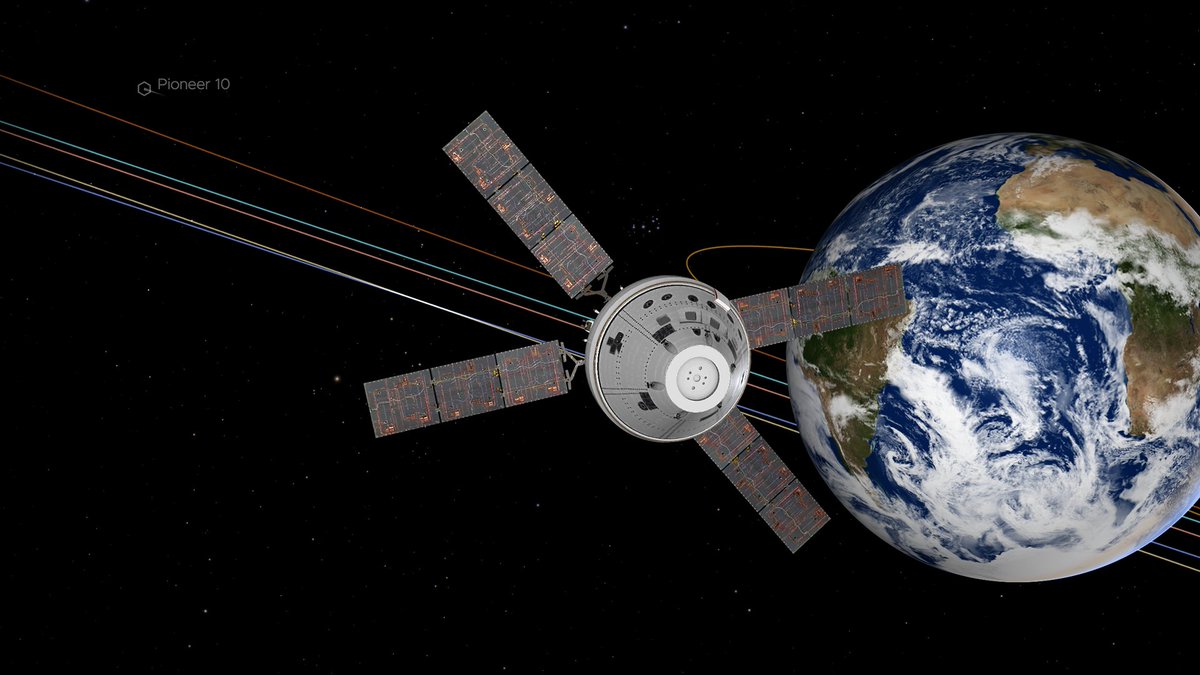
This interactive tool lets you follow Artemis’s journey – and even scroll forward and backward in time!
Follow along with Eyes on the Solar System:
https://t.co/tP3ecPR9GX
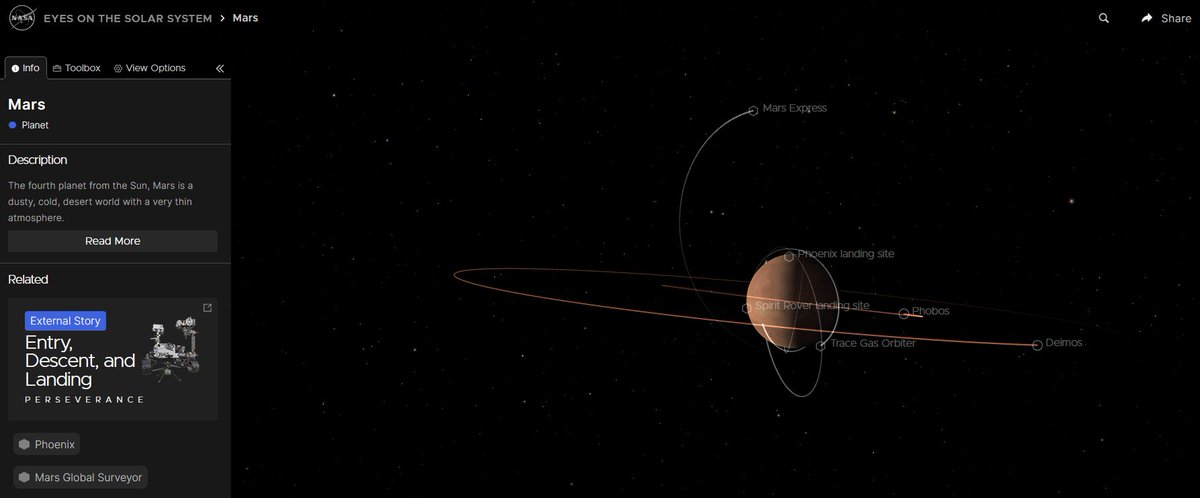
With our "Eyes on the Solar System" site, you can track the location of the planets and moons—and over 160 NASA spacecraft—in real time, using actual NASA data, right from your desktop or phone. https://t.co/XvjtXROrn4
Try "Eyes on Asteroids" and "Eyes on the Earth," too
https://t.co/qeb7c8jWK3
https://t.co/VgTEBGKSN4
👀 It's 10am ET. Do you know where your planets are?
With our Eyes on the Solar System site, you can track the location of other worlds—and over 160 NASA spacecraft—in real time: https://t.co/JVbmGlbUDJ
Dialed in: The Mars Relay Network (MRN) is an international constellation of five spacecraft orbiting the Red Planet that send precious science data from the rovers back to Earth. You can track which spacecraft are transmitting in real time at https://t.co/TxajNBKzBh
Europa Clipper is now about 31,000 miles (about 50,000 km) from Mars and closing fast. Closest approach will take place at 12:57 p.m. EST. You can ride along virtually at https://t.co/NlIevl3oSC
@teknomic Can do! Visit https://t.co/6yqPb3hsPS to see a real-time visualization of every known asteroid or comet classified as a Near-Earth Object. Its database is updated daily, and contains ~38,000 objects.
Follow @nasa_eyes for more info on this and other space visualization tools.
On Dec. 24, our Parker Solar Probe will make history with a record-breaking closest approach to the Sun ☀️
Follow along in real time with this interactive visualization, brought to you by @NASA_eyes and @NASASun: https://t.co/DXeKvMdJsl
Go long! Uh, keep going. No, more. Right now, NASA's #DeepSpaceNetwork station in Goldstone, Calif. is communicating with our New Horizons spacecraft...5.48 billion miles (8.82 billion kilometers) away. https://t.co/rzucB7nvNl
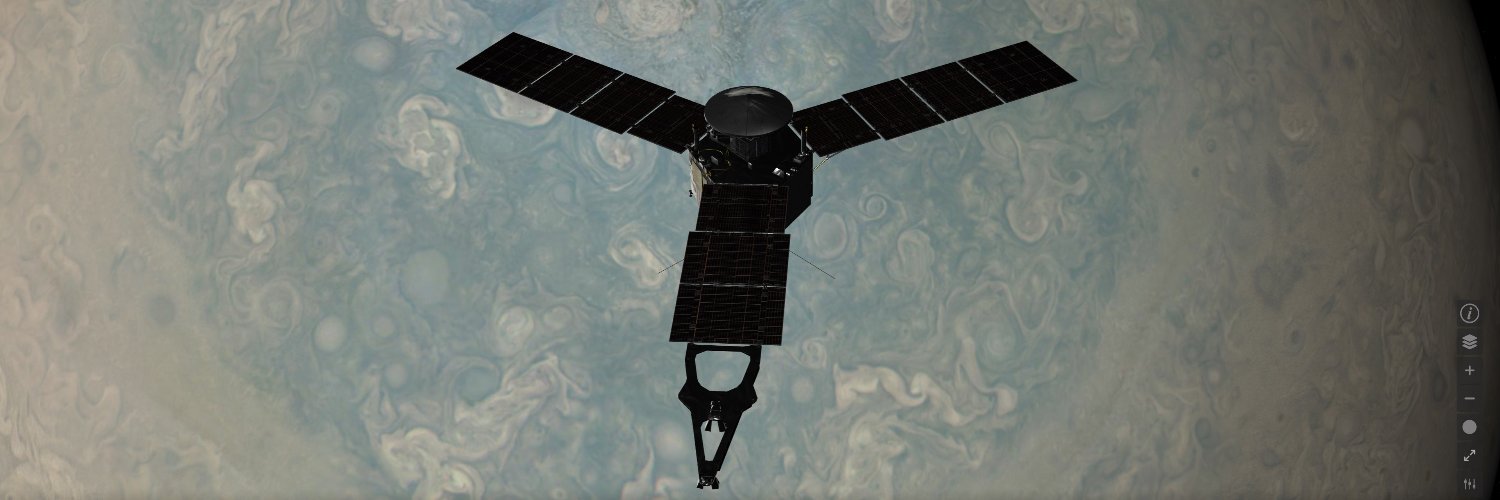
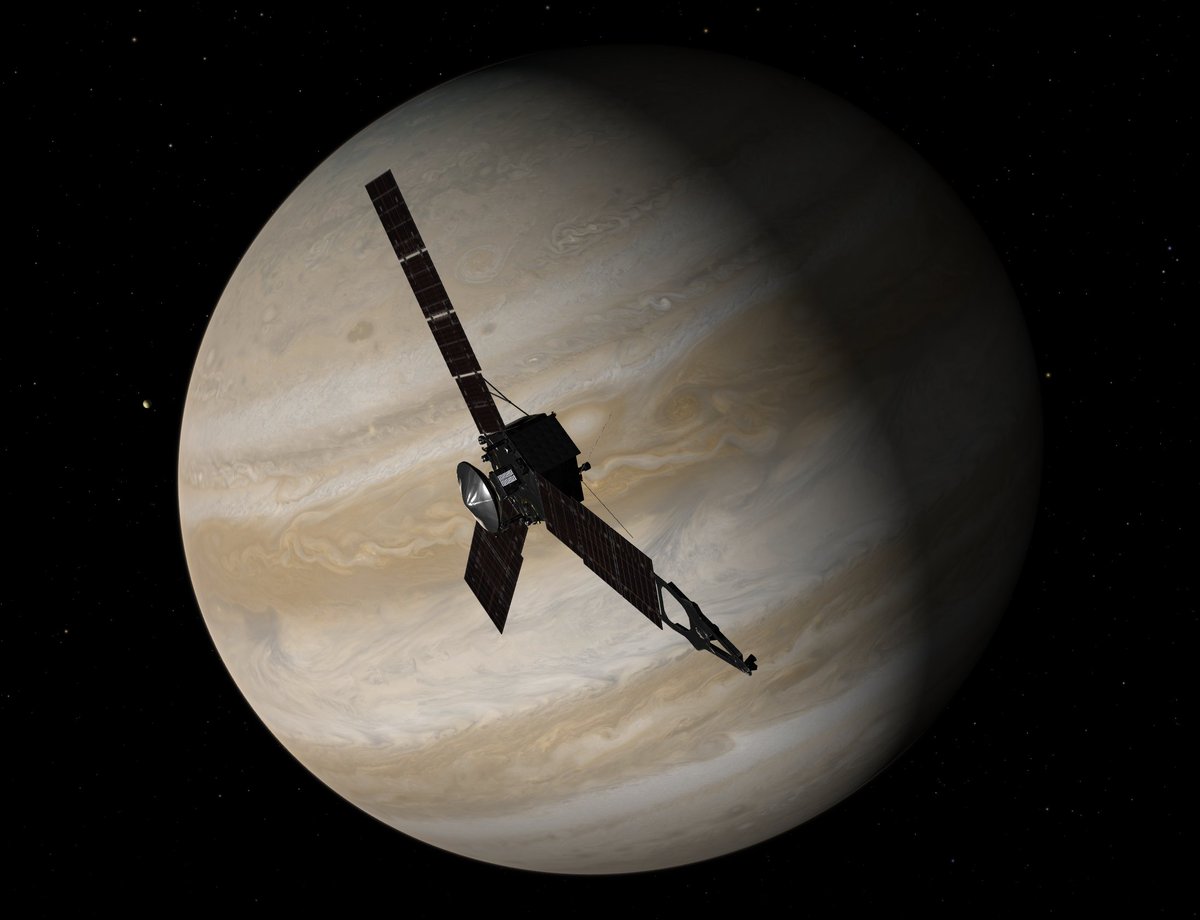
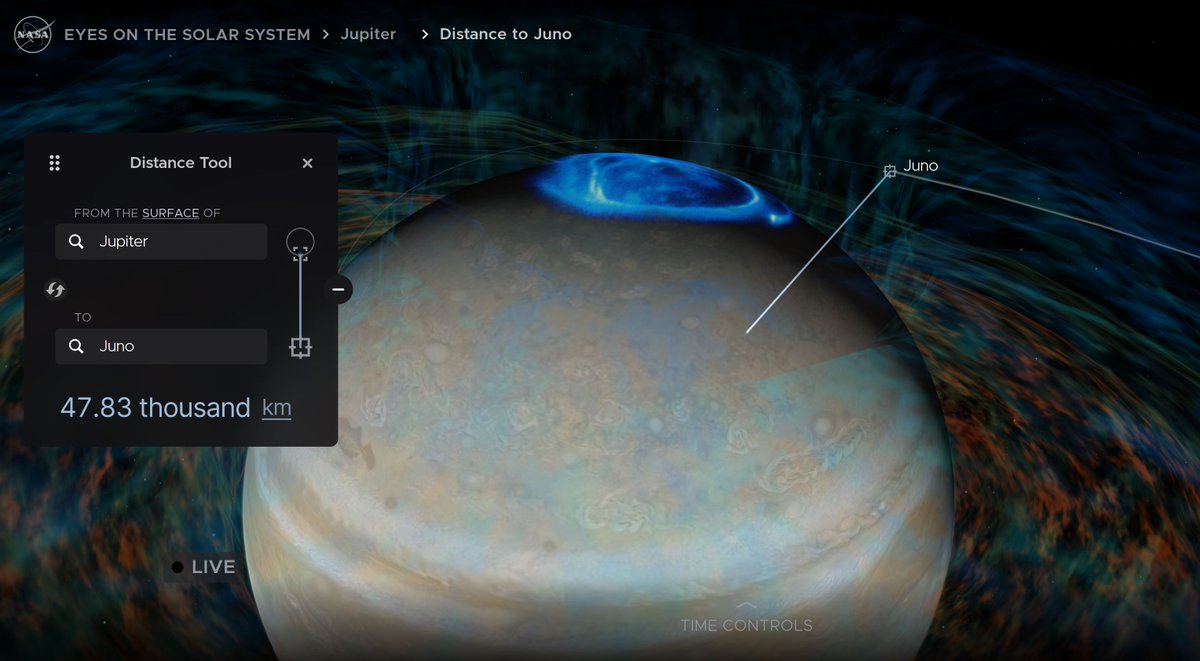
Right now, our #JunoMission is inbound to Jupiter for the spacecraft's 56th close flyby of the giant planet, which will take place in a few hours. You can follow along in real time with the "Eyes on the Solar System" online app: https://t.co/UvDiaC3a1B
We’ve got our eyes on all 4 Starling spacecraft!
🛰️🛰️🛰️🛰️
Follow their journey testing swarm technologies in space using our @NASA_Eyes visualization tool. Learn more: https://t.co/FCWeK2f5tb
@Magnetodawn@volcanopele@NASAJuno Hi, and thanks for using Eyes! I'd recommend switching to Eyes on the Solar system, which has many more features, like a distance tool and Jupiter's radiation belt.
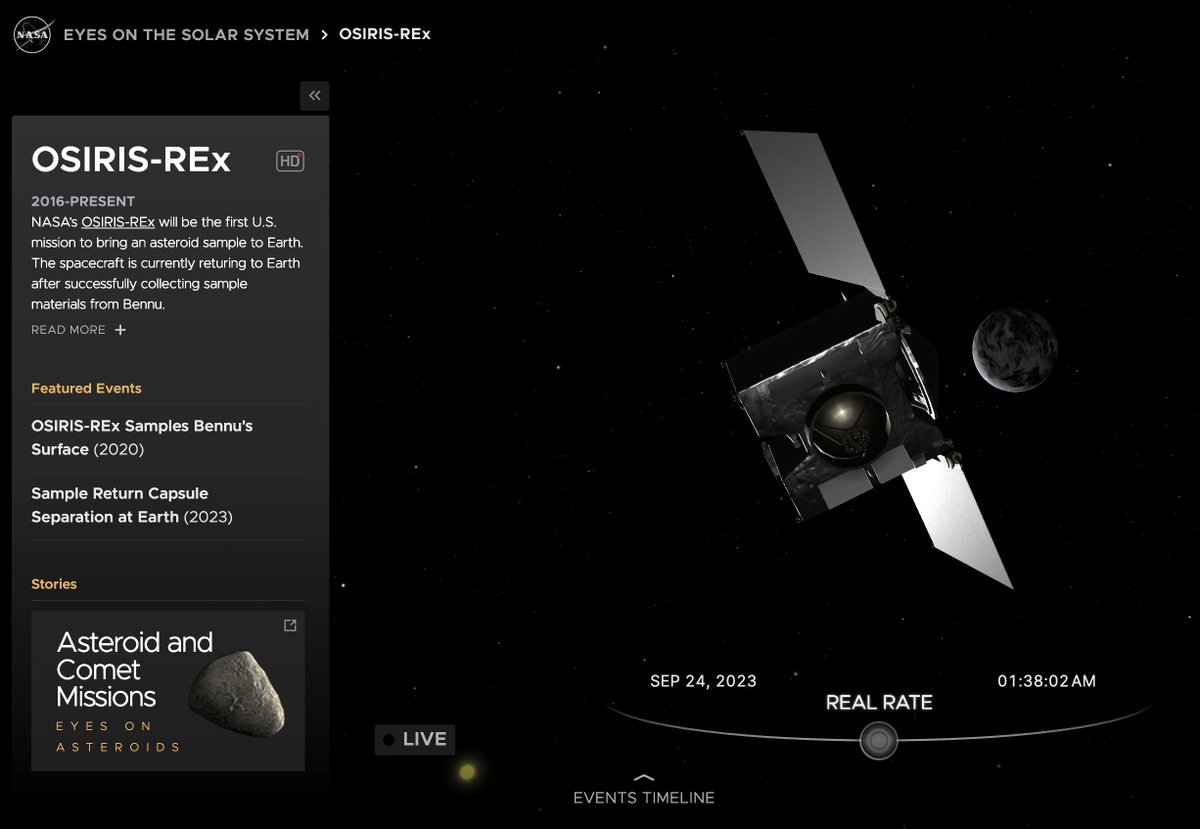
Closing in! Where is #OSIRISREx now? See the spacecraft's current position as it approaches Earth to drop off its sample of asteroid Bennu: https://t.co/fHcTrZDkIb
Live coverage begins Sept. 24 at 10 am ET on https://t.co/noMpLvxrMp
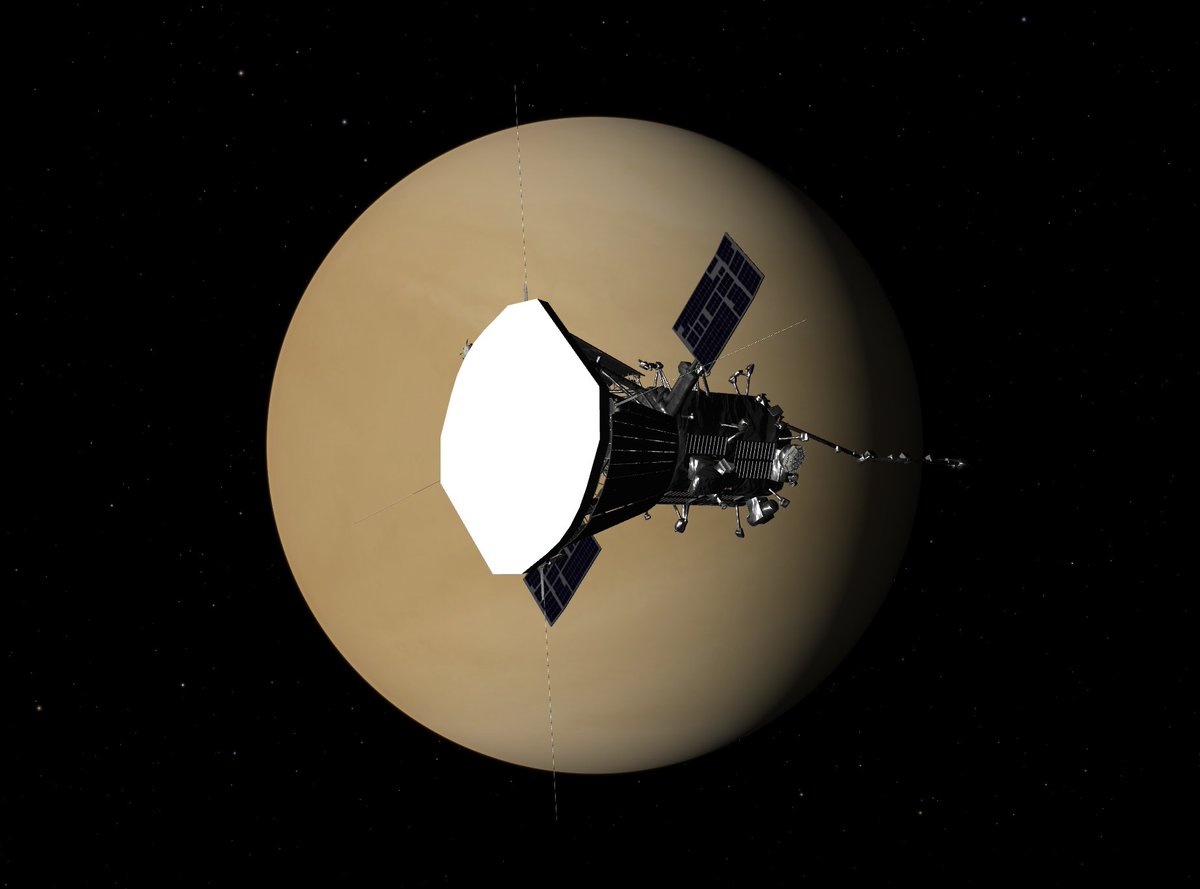
This week, @NASASun's Parker Solar Probe buzzed by Venus, in a move that will send it toward record-breaking close orbits around the Sun: https://t.co/FuJxVj66fX
You can re-create the flyby using our 3D solar system simulator: https://t.co/EQZbnzW16Y
We did it together. Thanks to you, we're bringing home five People's Voice Awards in this year's #Webbys.
From @NASAWebb's first images to @NASA_Eyes's interactive map of the asteroids, check out our full set of Webby winners: https://t.co/RtFYHabHFE