Calcified lesions represent one of the most challenging subsets for PCI. Successful treatment is feasible in selected cases through careful planning, data integration, and expert use of available devices. Below is an algorithmic approach to the use of balloons, atherectomy, and lithotripsy.
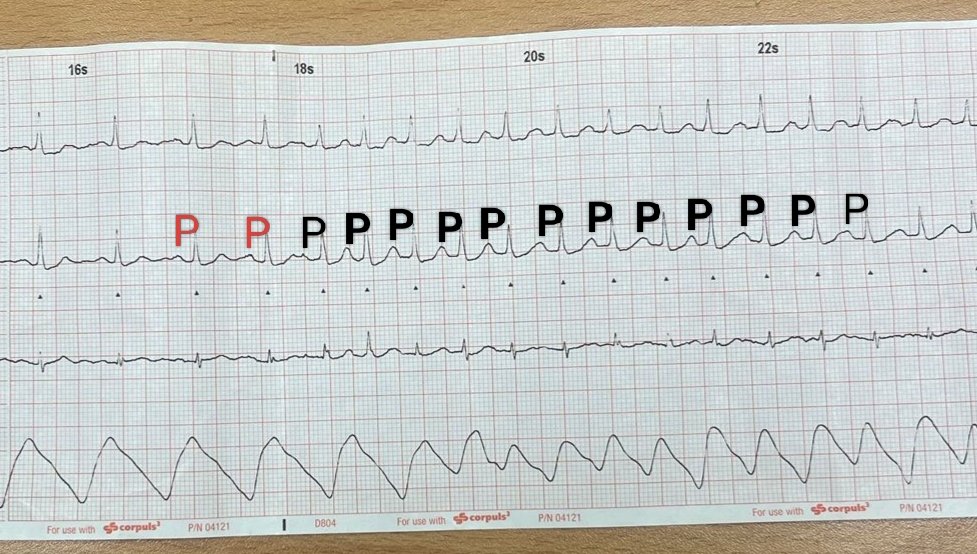
Rhythm strip #ecg shows:
1. Initial SR
2. Followed by a PAC starting the tachycardia with ~ HR 150bpm
3. P on T wave with long RP tachycardia
4. Termination of tachycardia with QRS
🔺1:1 Long RP tachycardia likely Atrial Tachycardia
Can you tell the difference between constrictive pericarditis and restrictive cardiomyopathy?
Cath, imaging, and exam findings 📚👇Crucial, as end management is vastly different between the two: pericardiectomy vs consideration for heart transplant!
#MedEd#echofirst#yesCCT
The DanGer Shock trial showed different results compared to the IABP-SHOCK II and ECLS-SHOCK trials. This discrepancy may be due to differences in patient populations, timing of the primary endpoint, and the level of hemodynamic support provided. Fewer patients in DanGer Shock had undergone resuscitation before randomization, and those with severe neurologic impairment were excluded. Additionally, DanGer Shock used a 180-day mortality endpoint, unlike the 30-day endpoint used in the other trials.
This State-of-the-Art review article focuses on the complications, their prevention, and treatment following transcatheter aortic valve implantation, mitral transcatheter edge-to-edge repair, and transcatheter mitral valve replacement.
https://t.co/kSp8yrs17j
I created this short animation to illustrate which drugs are currently under investigation and appear most promising in targeting key steps of the inflammatory cascade—with the hope of demonstrating a reduction in cardiovascular events without incurring a significant cost in terms of adverse events such as pneumonia, gastrointestinal effects, and all the other unpleasant things that might come to mind. The ARTEMIS trial, which is testing ziltivekimab in ~10,000 patients with acute myocardial infarction, is progressing at full speed with no alerts from the data safety monitoring board so far.
🧪 BREAKING: First patient worldwide enrolled in the #MICRA-CS Trial! 🧪
I am thrilled to announce today's first successful first-in-human implantation of a MICRA device into the coronary sinus as part of the groundbreaking MICRA-CS study.
🎯 Objective: Evaluate the feasibility of transvenous MICRA implantation into the coronary sinus in patients with chronic resistance to conventional pacing strategies and refractory angina.
📍Location: Coronary sinus – somewhere between the vein of creativity and the posterior sense of humor.
🎥 See video below for flawless device positioning. Capture threshold? Outstanding.
Huge thanks to the entire team for pioneering this bold step in device-based therapy.
All, of course, conducted in full compliance with Hashtag#GCP – Good Comedy Practice.
#MicraCS #PacingInnovation
@mirvatalasnag@EHRAPresident@AGEP_DGK@Phiso_de@DavidDuncker@jongichun@RolandTilz@TSchneiderMD@HenrikeHillmann@kaschenke@sulimov_dmitry@ANazmiCalik@aayshacader@mmamas1973@Hragy@twj1974@alaide_chief
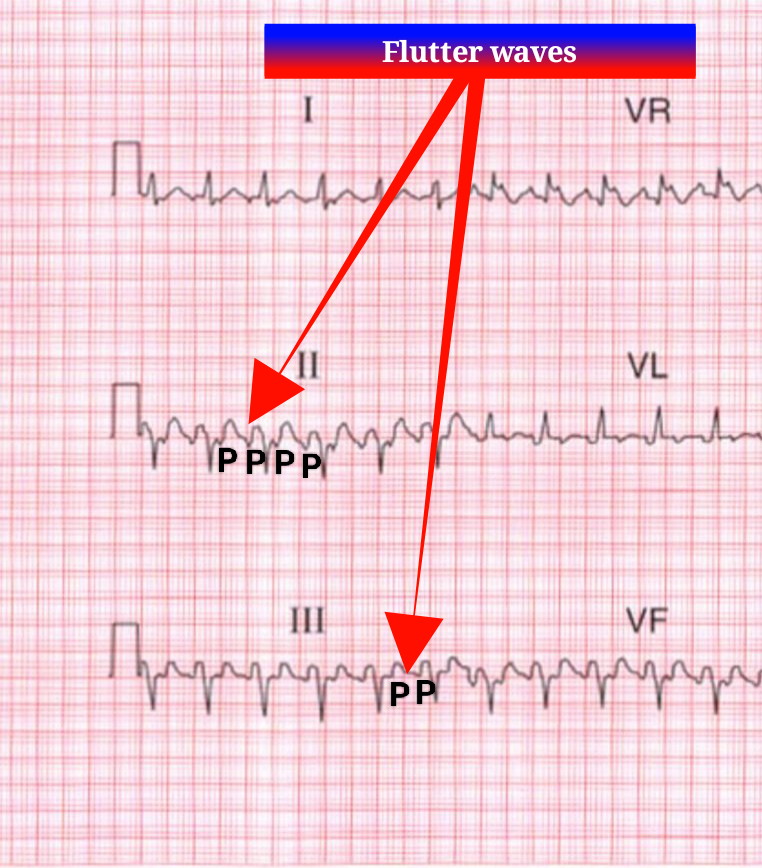
#ecg shows NCT with HR ~150bpm:
1. (+) P waves seen in V1
2. (-) P waves in Inferior Leads
3. Atrial rate > Ventricular (2 P: 1 QRS)
4. Atrial rate ⏭️ 300bpm or CL of 200msec
5. Oscillation of P waves beyond isoelectric line in Inferior Leads support AFL
🔺Typical CC AFL