@martinvars BioNTech junto con Genentech tienen una vacuna similar con muy buenos resultados para cancer de pancreas. Yo trabajo alli. El futuro es personalizado.
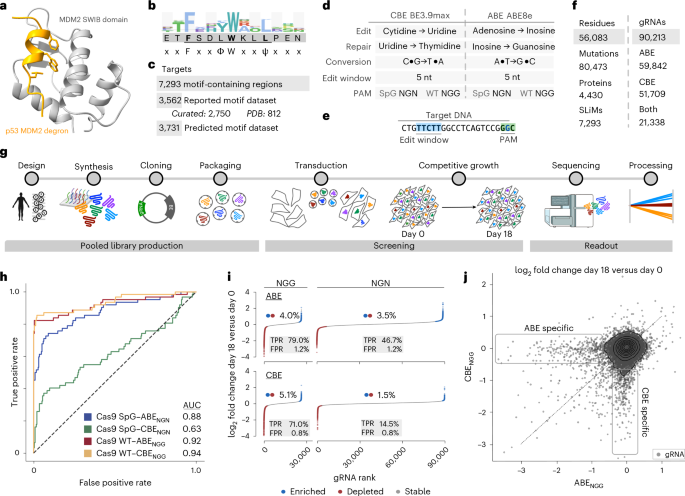
Introducing Genie 3, a generative protein model that substantially advances the state-of-the-art for binder design, increasing in silico success rates by up to 20x on hard multimeric targets. It also debuts a form of inference-time scaling unobserved in other design models. 🧵1/8
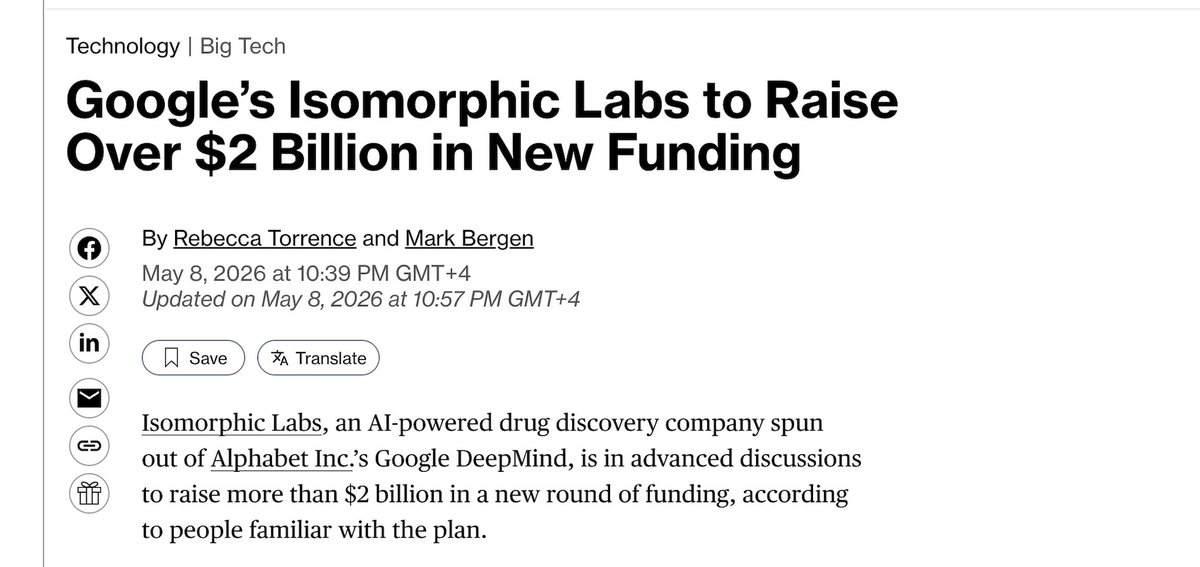
in the next 3 years, every major AI lab will spin up its own bio arm and in-house wet labs.
biology is the next big bet in AI after code
pay attention.
@ckirk47@BoWang87 The vaccine is indeed delivered in an adjuvant setting. To remove the last few hundreds of thousands cancer cells in the body after surgery/treatment.
AI is big but people's bodies are bigger.
Two molecules vs the entire AI industry.
Semaglutide: ~$33B in 2025. Tirzepatide: ~$36B. Combined: nearly $70B in actual revenue from two drugs to lose weight.
OpenAI: $20B annualized run rate. Anthropic: ~$5-9B. Combined: under $30B, and those are run rates, not collected cash.
A single injectable drug generates more revenue than the most valuable startup in history. Novo Nordisk runs at 40% net margins. OpenAI burned $8.5B in cash last year to generate its $20B.
Biology still commands an economic reality that software has not reached. Healthcare is $4.5T in the US alone. When you solve a problem that affects hundreds of millions of human bodies, nothing else competes.
The smartest bet is at the intersection: AI applied to medicine. Like the work we do building fully autonomous MDs at @certumaai
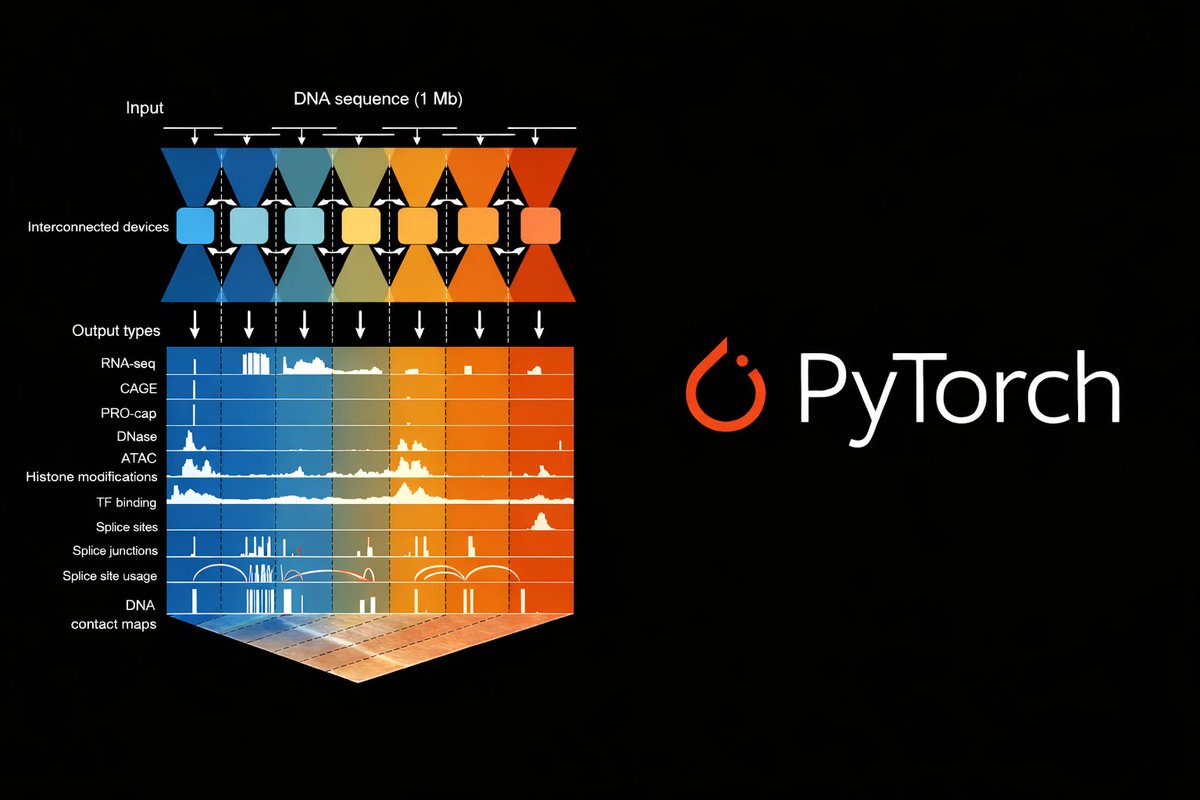
Thrilled to announce alphagenome-pytorch, an accurate, readable, and careful port of AlphaGenome's architecture and weights to PyTorch. Work with @gtcaa@m_kjellberg@chriswzou@tuxinming as part of the GenomicsxAI initiative between @anshulkundaje and @pkoo562 labs.
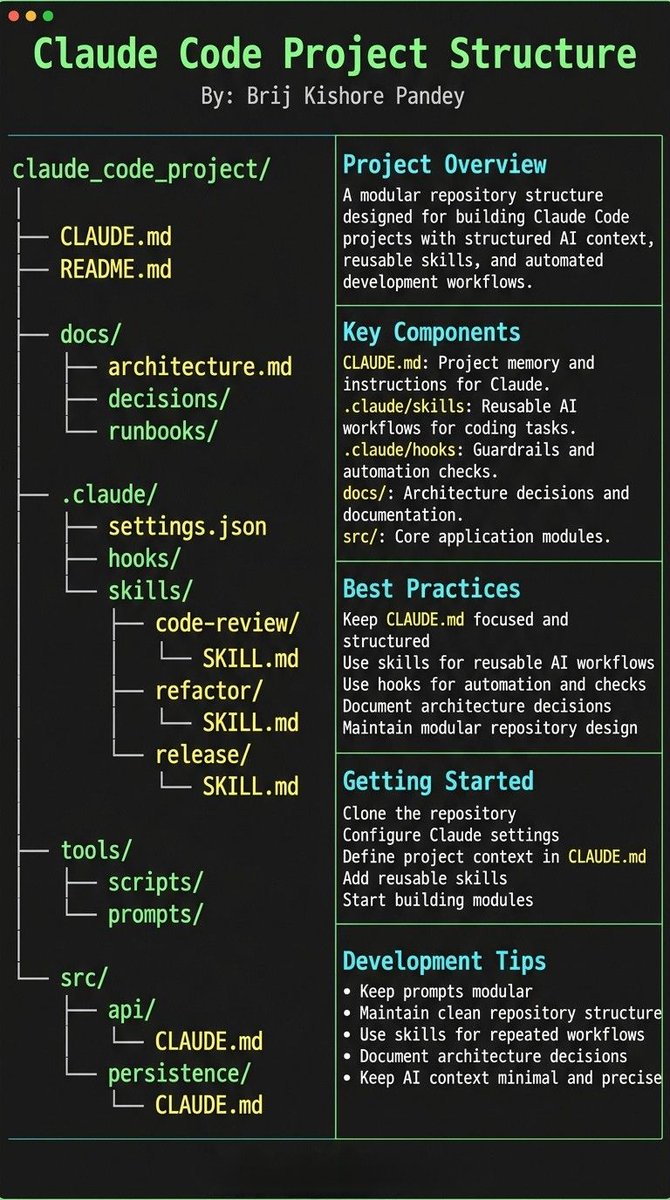
Most people treat CLAUDE.md like a prompt file.
That’s the mistake.
If you want Claude Code to feel like a senior engineer living inside your repo, your project needs structure.
Claude needs 4 things at all times:
• the why → what the system does
• the map → where things live
• the rules → what’s allowed / not allowed
• the workflows → how work gets done
I call this:
The Anatomy of a Claude Code Project 👇
━━━━━━━━━━━━━━━
1️⃣ CLAUDE.md = Repo Memory (keep it short)
This is the north star file.
Not a knowledge dump. Just:
• Purpose (WHY)
• Repo map (WHAT)
• Rules + commands (HOW)
If it gets too long, the model starts missing important context.
━━━━━━━━━━━━━━━
2️⃣ .claude/skills/ = Reusable Expert Modes
Stop rewriting instructions.
Turn common workflows into skills:
• code review checklist
• refactor playbook
• release procedure
• debugging flow
Result:
Consistency across sessions and teammates.
━━━━━━━━━━━━━━━
3️⃣ .claude/hooks/ = Guardrails
Models forget.
Hooks don’t.
Use them for things that must be deterministic:
• run formatter after edits
• run tests on core changes
• block unsafe directories (auth, billing, migrations)
━━━━━━━━━━━━━━━
4️⃣ docs/ = Progressive Context
Don’t bloat prompts.
Claude just needs to know where truth lives:
• architecture overview
• ADRs (engineering decisions)
• operational runbooks
━━━━━━━━━━━━━━━
5️⃣ Local CLAUDE.md for risky modules
Put small files near sharp edges:
src/auth/CLAUDE.md
src/persistence/CLAUDE.md
infra/CLAUDE.md
Now Claude sees the gotchas exactly when it works there.
━━━━━━━━━━━━━━━
Prompting is temporary.
Structure is permanent.
When your repo is organized this way, Claude stops behaving like a chatbot…
…and starts acting like a project-native engineer.
The @VivaTech event is nearly here, and we're excited to be leading the charge alongside visionary leaders like Jensen Huang of @Nividia, @ylecun, @v_wyche and many more top tech figures, industry experts and CEOs from around the world.
Learn more below. 🧵