@JshJacobson He may have been being a little hyperbolic to push against the tradition of “no pain, no gain.”
Soreness should not be the objective of training.
Productive Training doesn’t leave athletes exhausted or sore.
Because the neurological and structural changes we seek to improve performance are actually impaired by excessive fatigue due to them needing frequent exposure.
Fatigue is a bottleneck for performance improvement.
The quote appears on Charlie Francis's own coaching forum, in a discussion dated October 9, 2011.
“Athletes should never be sore from training.” ~Charlie Francis
The forum also provides an important qualification:
“In contact sports they will obviously get aches and pains but it should not be not from conditioning work.”
In this article, I break down with an athlete on the block start and early acceleration. We look at torso position, shin angles, forward projection, and how using the ball of the foot as a pivot point can improve the first few steps. Small technical changes can make a major difference in how efficiently an athlete applies force and accelerates. @TFConsortium@XLATHLETE@WGF1
https://t.co/OQYSyoGUzg
Youth athletes need specific plyometric progressions-said no kid ever!
Give kids lots of different opportunities to interact with the ground and let them figure it out.
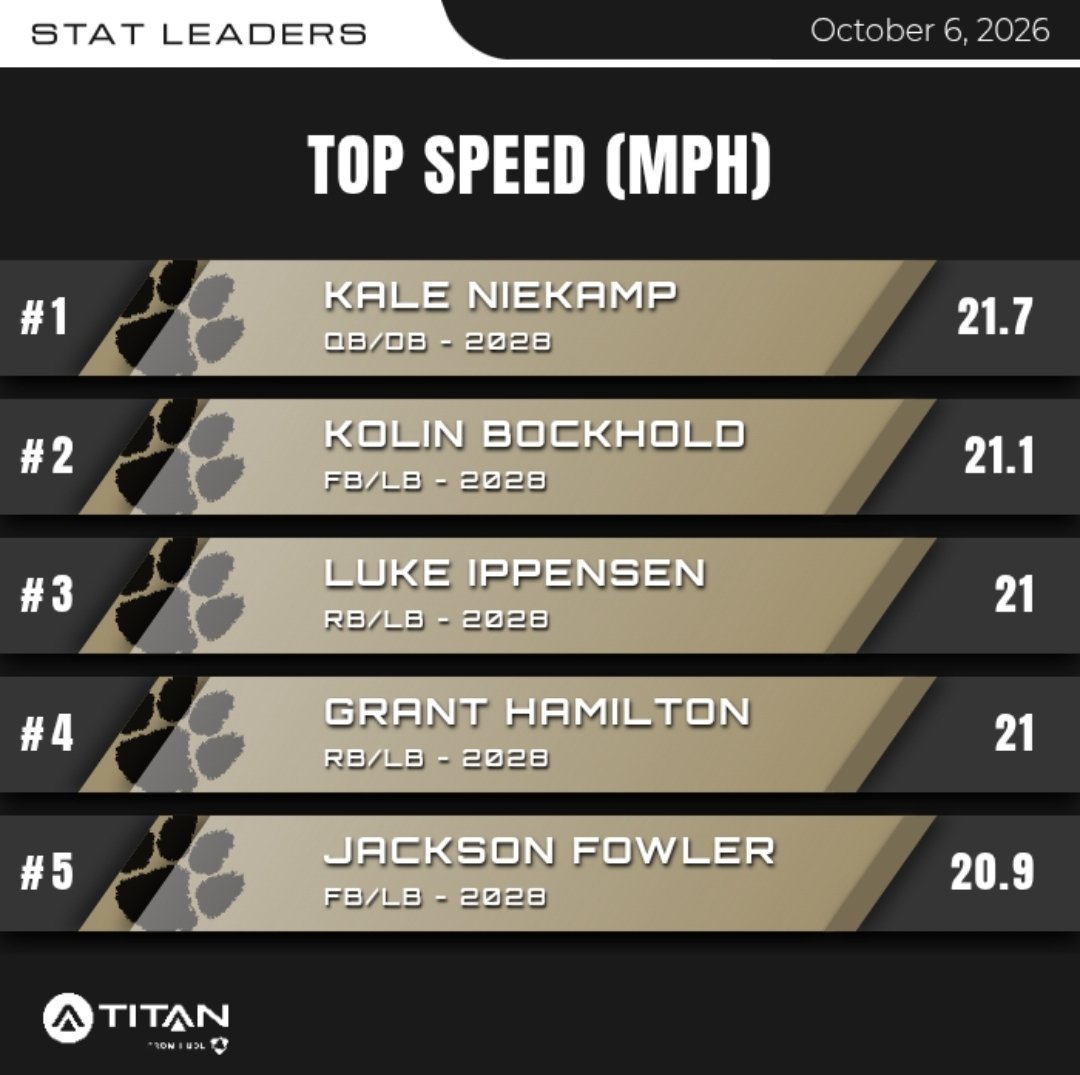
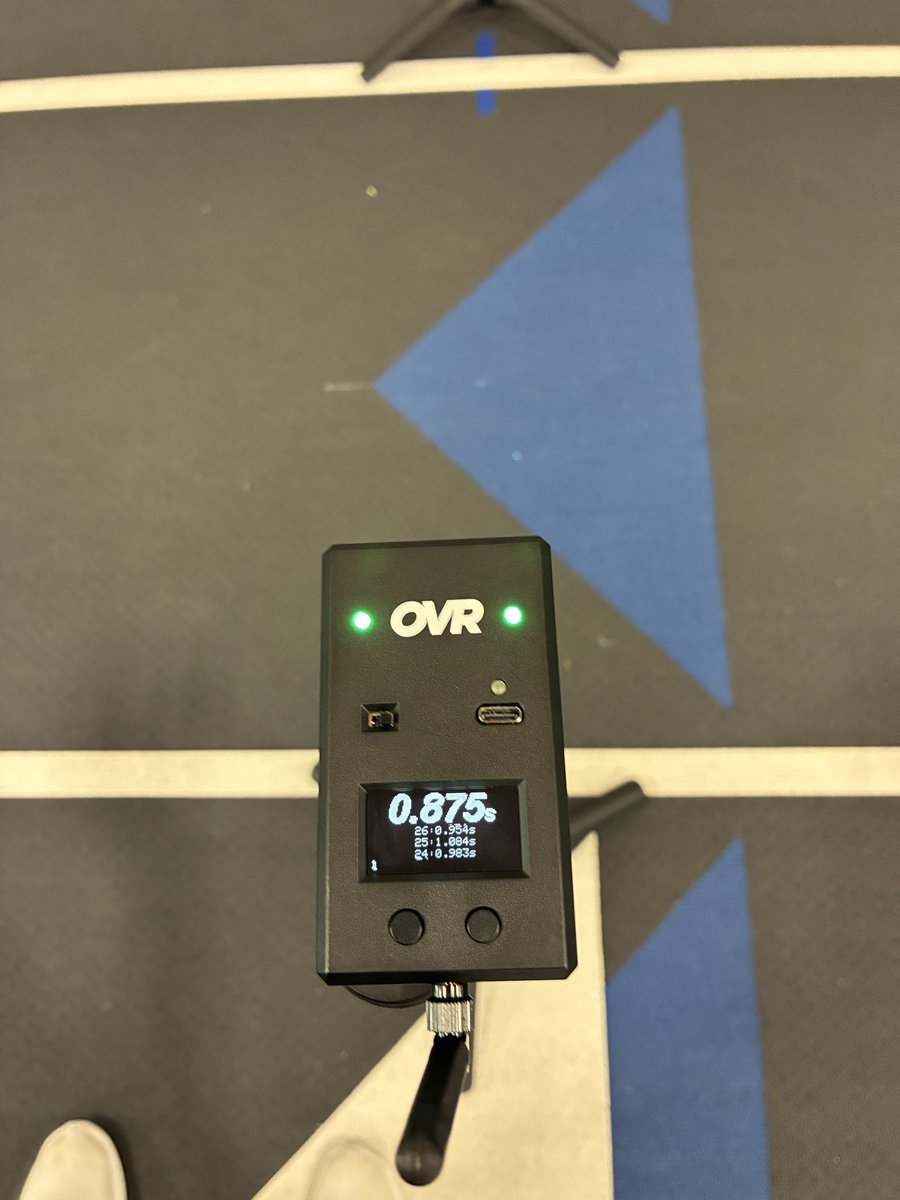
Top Runway Speeds Pole Run Practice Tuesday 10/6
Tyler Williams 12.5 mph SB! .811 5L (JHS)
Dom Williams 16.4 mph .621 7L (Freshman)
Abby List 16.9 mph SB! .609 7L (Var G)
Max Mancabelli 19.5 SB .522 8L (Var B)
#feedthepolecats like that play on words @pntrack ?
“The weight room isn't there to simulate the field. Its job is to raise the athlete's KPIs: strength, power, speed, rate of force development, and tissue capacity. Those are the qualities I can load, measure, and progress. The field is where the athlete learns to apply them, through practice and actually playing the sport. When I try to make the weight room look like the game, I end up with a watered-down version of both.”
-me (yes I quoted myself)
https://t.co/AKqdaRfEzp
Bijan Robinson reached a top speed of 21.78 mph on his 59-yard TD run, the second-fastest speed by a ball carrier this season and the second-fastest of Robinson's career.