Shots fired
With shots fired at the bipartisan press dinner, maybe it’s time for the media and the politicians to stop platforming extreme influencers (like Hassan Piker or Candice Owens) preaching as Piker did the other day at the NYTimes “social murder” and trying to depict the most freedom-loving country on earth as an evil force to be taken down by violence and looting. Enough is enough.
I’ll never let the world forget how Gazans kidnapped an 8-month-old baby from his home and strangled him to death in a dark underground tunnel in Gaza alongside his mother and brother.
His only “sin”? Being born Jewish.
Kfir Bibas, forever in our hearts.
OH CANADA: Canada is nearing 100,000 assisted suicides under its euthanasia program, surpassing the nation’s WWII death toll. The system even allows same day approvals - but don't change your mind because there are no take backs...
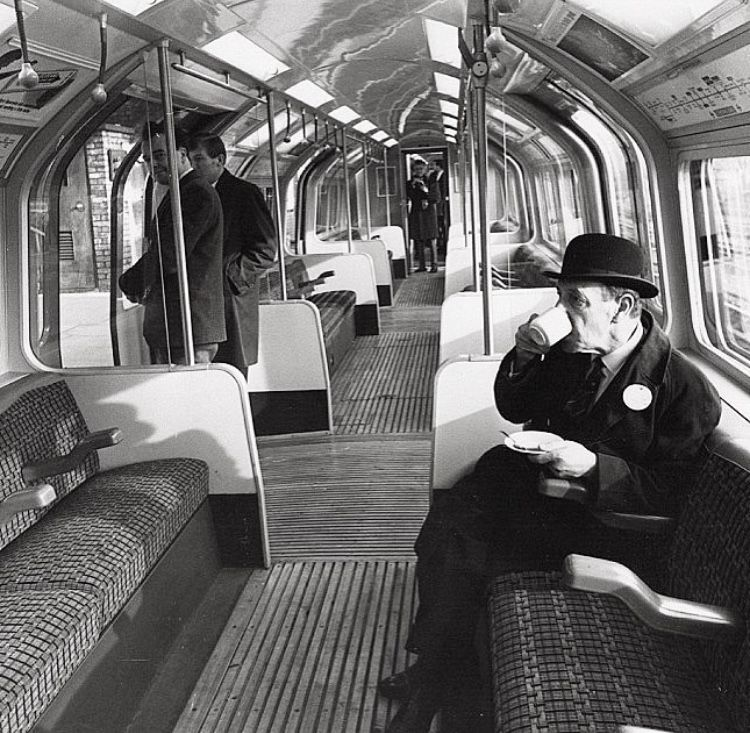
Ladies and Gentlemen, if you enjoy this account, and care for the memory, and future of London, kindly follow (if you don't already) and share this post in order to help others find us. Thank you all for your support. 🤝
Let me get this straight…
An illegal had over 30 prior arrests
The police warned not to release him because he’s dangerous
He was released anyway
He then murdered a woman
Any now Abigail Spanberger says she’s not handing him over to ICE??
This should be a much bigger story
When the United States asked Britain to use Diego Garcia to strike Iran, Keir Starmer said no. Iran was already firing missiles across the Gulf. British citizens were stranded in their hundreds of thousands across countries under bombardment. A regime that had plotted twenty assassinations on British soil in two years was now hitting Western bases across the Middle East. The answer from Downing Street was no.
It took a drone striking RAF Akrotiri in Cyprus to change his mind. Not the intelligence. Not the MI5 warnings. Not the 200,000 British nationals sheltering in hotels as Iranian missiles landed around them. A direct hit on a British base. That was the threshold. That is what it took.
This is the most revealing fact about Starmer's handling of the Iran crisis, and it has been almost entirely unremarked upon. The President of the United States told The Telegraph he was very disappointed in the Prime Minister and that what happened between the two countries was unprecedented. Canada said yes. Australia said yes. These are not governments known for their hawkishness. Both are led by the progressive Left, both have embraced open borders and liberal internationalism, and neither could be accused of warmongering. Yet they looked at the same situation, the same regime, the same intelligence picture, and reached a different conclusion in a fraction of the time. Starmer needed a missile.
In the Commons, Starmer reached for the language of principle. There must be a lawful basis. There must be a viable, thought-through plan. This Government does not believe in regime change from the skies. The phrases were repeated so often they began to sound less like convictions and more like a mantra rehearsed for a difficult audience. And the most difficult audience was not the opposition benches. It was his own, and beyond them, the streets.
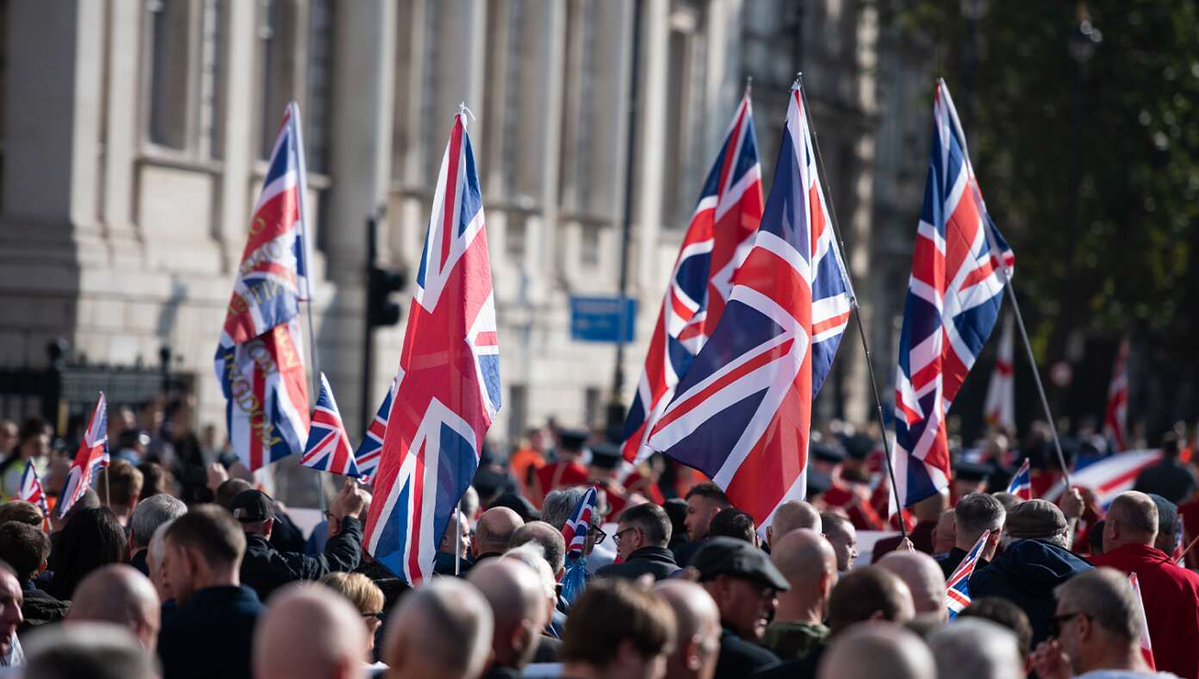
In the Chamber, Diane Abbott, Richard Burgon and Emily Thornberry spoke of mission creep and illegal wars while Iran's missiles were still in the air. At the weekend, while Starmer was finding his legal footing, the picture outside was already complete. In Parliament Square, hundreds of protesters marched under the portrait of Ayatollah Khamenei. The Iranian regime's flag was flown in the shadow of Westminster. Placards carried antisemitic imagery. A speaker told the crowd that Iran had been on the right side of history for forty-seven years. The deputy leader of the Green Party Mothin Ali attended a pro-Khamenei rally and called the killing of the Supreme Leader deplorable.
This is the political world Starmer inhabits and cannot afford to ignore. Elections have already been won and lost on the back of bloc votes organised around Middle Eastern conflicts. MPs sit in Parliament who owe their seats to communities for whom the question of Iran is not foreign policy but identity. The legal opinion was the cover. The political arithmetic was the reason.
And so Britain waited. The special relationship, built across generations on the understanding that when America acts in the Western interest Britain stands alongside it, was tested and found wanting. Not because Britain lacks the capability. Not because the legal case was genuinely unclear. But because the Prime Minister calculated that the cost of acting was higher than the cost of hesitating, right up until the moment a drone removed that option.
Trump said it took far too long. He was right. But the more important question is why it took so long at all. The answer is not in the legal advice. It is in the composition of the coalition that put this government in power, and the price it extracts for its continued support. Britain did not hesitate because it was cautious. It hesitated because it was afraid, and not of Iran.
"The President of the United States told The Telegraph he was very disappointed in the Prime Minister and that what happened between the two countries was unprecedented."