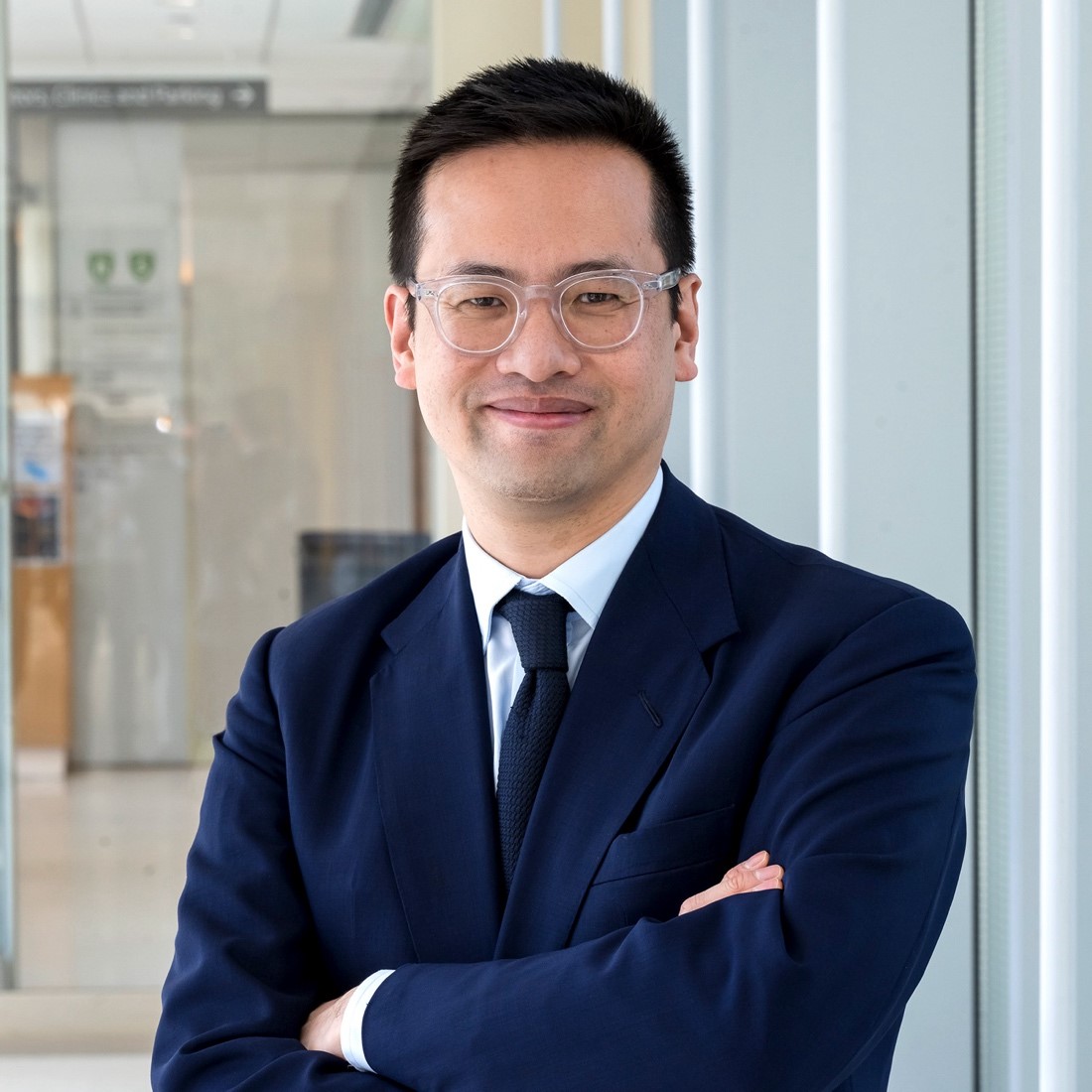
We extend a warm welcome to Quoc-Dien Trinh (@qdtrinh), who will be the new chair of the Department of Urology, University of Pittsburgh School of Medicine, and chair of urology, UPMC, effective Dec. 1.
https://t.co/o8W2emiP1f
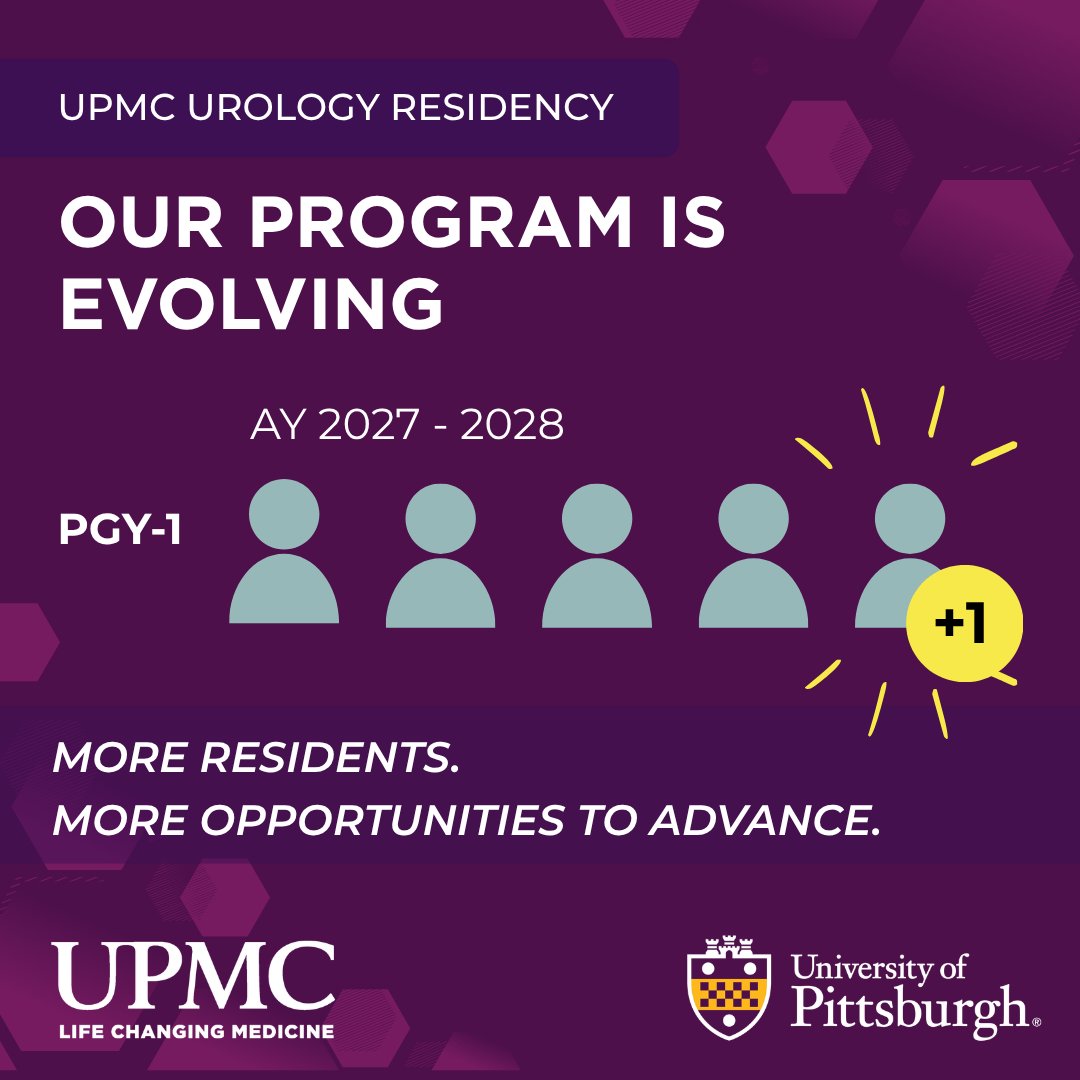
We're excited to share that the UPMC Urology Residency Program has been approved to expand our resident complement to five residents per year!
This change will take effect with the upcoming match cycle, with plans to introduce a 5-year pathway option. This is a meaningful step forward for our program and for the next generation of urologists we're proud to train.
#urologyresidency #uromatch
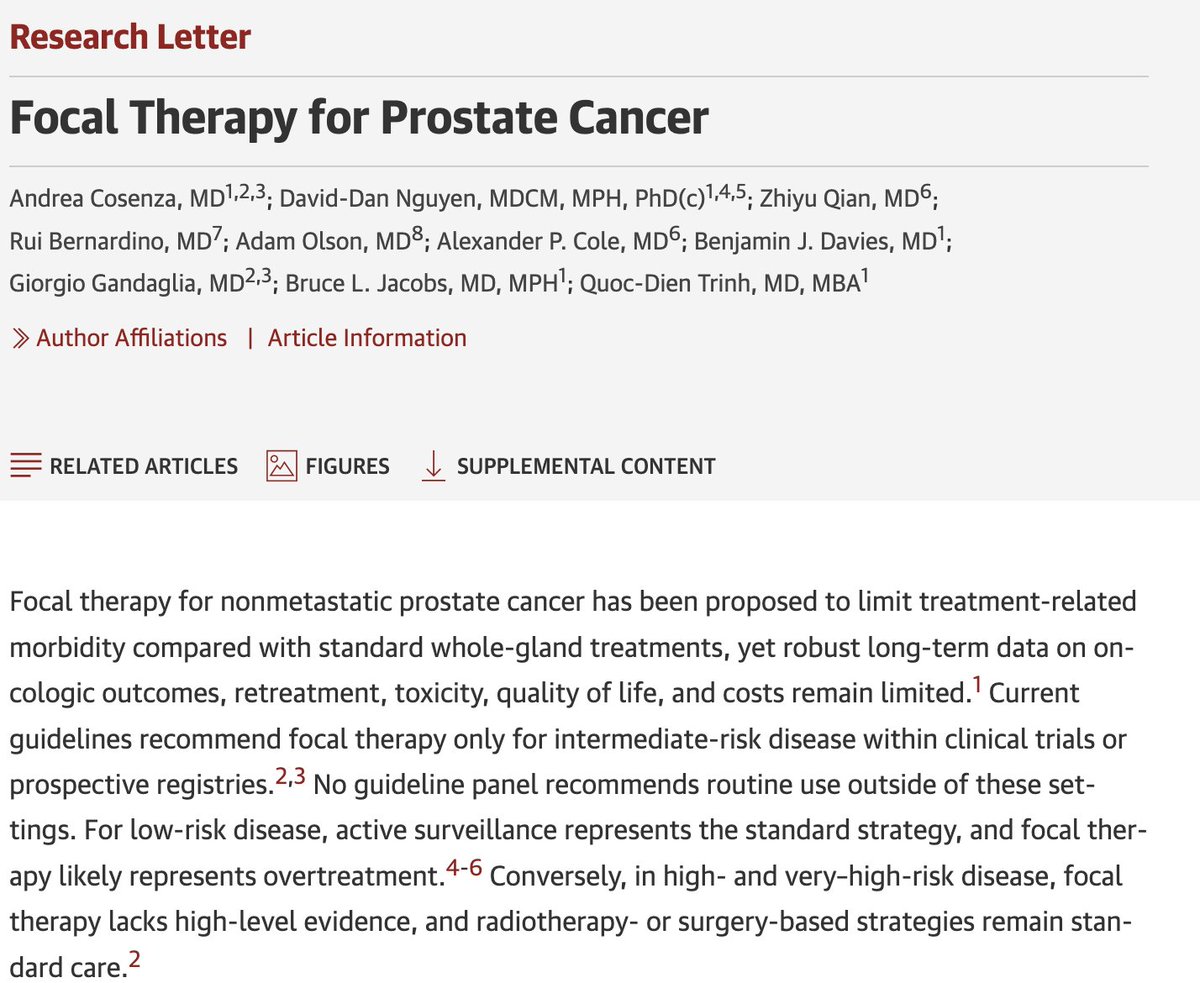
Our new paper is out in JAMA, led by our fellow Andrea Cosenza: focal therapy for prostate cancer remains uncommon nationally, but half of the procedures performed were in patients whose disease was either too low-risk to need treatment, or too high-risk for focal therapy to be the appropriate choice.
Focal therapy has real promise. My partners and I at @UPMC@UPMCUrology believe in it. But promise isn't the same as "right for every patient." That distinction matters more as our treatment options keep growing. @DavidDan_Ngn@JasonZhiyuQian@ruimmbernardino@Putnam_Cole@daviesbj@GGandaglia
From NCDB, @qdtrinh@daviesbj@Putnam_Cole et al showed AS/WW is up to 80%! They raise alarms re: focal tx use patterns—this should not be done for low-risk, but NCCN risk groups are not the right way to determine whether focal is appropriate for others.
https://t.co/22RUQfCmeY
Staying inside urology to avoid the turf war: HoLEP vs Aquablation for BPH. HoLEP to my eyes looks like a better operation, but only in the hands of a few very high-volume experts. Aquablation is more reproducible and more accessible. Which makes the RCT almost unanswerable (there are two open right now). Expert vs expert possibly favors HoLEP. Novice vs novice likely favors Aquablation. The trial tells you more about the operators than the operation.
If I needed a procedure, I would want HoLEP by a world expert. But for mass adoption, perhaps Aquablation is better.
@DrSpratticus@TylerSbrt@subatomicdoc BTW, I'm not saying that we shouldn't do surgical RCTs, just highlighting how complicated it can be. Throwback to this letter we wrote about the robot vs open RP trial in @TheLancet https://t.co/3fyzvjaZ1V
@ThoSeisen
I don’t want to argue that RT is complicated. Contouring and planning are real things that can be operator dependent. But most of this complexity is front-loaded and auditable. Surgery has no dose-volume histogram for a nerve sparing technique. The plan is executed live, once, by one person (+ or - a trainee), and nobody reviews it afterward (at least for now until @AjhungMD figures it all out with AI). That’s a different category of variability.
That said, it does raise the question that if complex surgery can’t be reproduced outside a handful of hands, maybe the field should be pushing the therapies that can be reproduced consistently.
@jpavs17@Adam_Weiner535@DrSpratticus What you say here is what prompted us to look into this question. The findings of our paper can be interpreted in different ways, but I think most would agree that treating high risk prostate cancer off trial with focal therapy + ADT is probably not the way to go…
This is just my opinion, but there is an iterative process to surgical procedures that an RCT can’t accommodate. When you talk to surgical innovators, they can change how they do a given procedure 100 times before they settle on something. So how to account for that in an RCT?
That said, hard to explain why folks would be treating high risk prostate cancer with focal therapy…
While the use of focal therapy for nonmetastatic prostate cancer is limited, half of procedures occurred in settings that are not supported by current guidelines, according to a retrospective study. @qdtrinh@DrSpratticus
https://t.co/JjXSceXO1U
🚨 Half of focal therapy for #ProstateCancer in the US is happening where no guideline supports it 🚨
@JAMA_current research letter
👥 1,179,384 pts w/ nonmetastatic PCa, NCDB 2010 to 2023
📊 15,672 (1.3%) got focal therapy
⚠️ 51% was in low, high, or very high risk disease.
-No guideline supports routine use in ANY risk group outside trials or registries
⚠️ Low risk held flat (1.8% to 2.2%) and favorable intermediate is rising (2.1% to 2.9%) while marketing and&reimbursement expand
⚠️ Focal therapy more likely w/ age ≥75 (adjusted probability 22.9%), community centers (7.6% vs 2.5% academic), nonprivate insurance
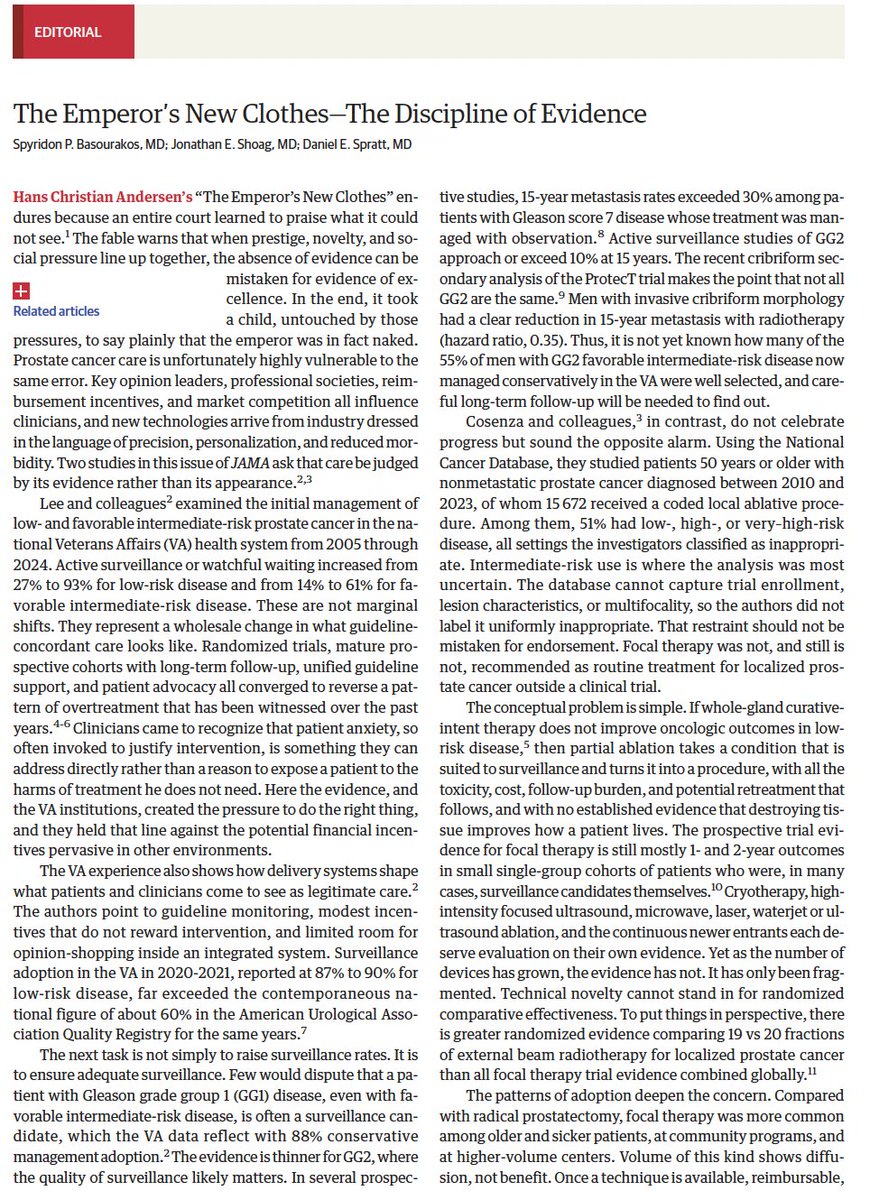
✒️From the accompanying editorial
"Volume of this kind shows diffusion, not benefit."
🎯 Key points
1⃣In low risk this converts surveillance candidates into procedure pts
2⃣In high risk it is undertreatment.
3⃣Repeated use is building "an aura of legitimacy the data have not earned." We owe pts trials, not marketing.
🔗 Study: https://t.co/xbxCAXPfWE
🔗 Editorial: https://t.co/Nb0yjFHhSx
@QDTrinh@DrSpratticus@AmerUrological@UroOnc@SUO_YUO@urotoday@UrologyTimes@PCF_Science@PCFnews
From NCDB, @qdtrinh@daviesbj@Putnam_Cole et al showed AS/WW is up to 80%! They raise alarms re: focal tx use patterns—this should not be done for low-risk, but NCCN risk groups are not the right way to determine whether focal is appropriate for others.
https://t.co/22RUQfCmeY
Clinical trials have helped keep me alive for more than a decade. I know firsthand that finding the right trial at the right time can change everything.
That’s why I’m excited about @KidneyCAN’s new Clinical Trial Navigator, helping kidney cancer patients more easily find trials that could provide their next option.
Patients shouldn’t have to become experts at searching for clinical trials while fighting cancer. We need to make it easier to find the science, understand the options and know what to do next.
For some of us, a clinical trial isn’t just research.
It’s hope. It’s another option. It’s more time.
https://t.co/pzpDmFXwxh
Thank you @kidneycan for launching a tool that helps all kidney cancer patients. #ClinicalTrials
Efficacy and safety of darolutamide plus androgen-deprivation therapy in Black patients with metastatic hormone-sensitive prostate cancer from the phase 3 ARANOTE trial
https://t.co/Ym7eaugCkZ
Among Black patients enrolled in the phase 3 ARANOTE trial, darolutamide plus androgen-deprivation therapy (ADT) demonstrated improved efficacy compared with ADT alone. Of the 669 patients in the overall study, 65 (10%) were Black. In this subgroup, darolutamide reduced 📉 the risk of radiological progression or death by 49%, resulting in 📈improved radiological progression-free survival (rPFS), with a safety profile consistent with previous findings.
These results support darolutamide as an effective treatment option for Black patients with metastatic hormone-sensitive #ProstateCancer
@qdtrinh@Daniel_J_George
Neal Shore @CURCMB@Dolmos77@OncoAlert 🚨
@Silke_Gillessen@AOmlin@weoncologists
Who really owns robotic surgery data?
The platform (not the surgeon) records every move in HD + telemetry, building massive AI datasets.
Surgeons create it. Patients rarely consent to its downstream use. But the platform owns the data?
We express our concerns in this @EUplatinum editorial:
https://t.co/HZ45KWYyOx
@daviesbj@CanesDavid@qdtrinh@JSimhan
@NFLAlumni is excited to be partnering with @UPMC for a community conversation on surviving cancer. Thank you to all of the men who connected with us to share their stories, reminding us all why it is important for men to focus on their health!
For more information visit https://t.co/0Nny1855yg #GearUpAgainstCancer @nflalumni@UPMC@charliebatch16@dabody52@r_mendenhall@qdtrinh@cdcgov
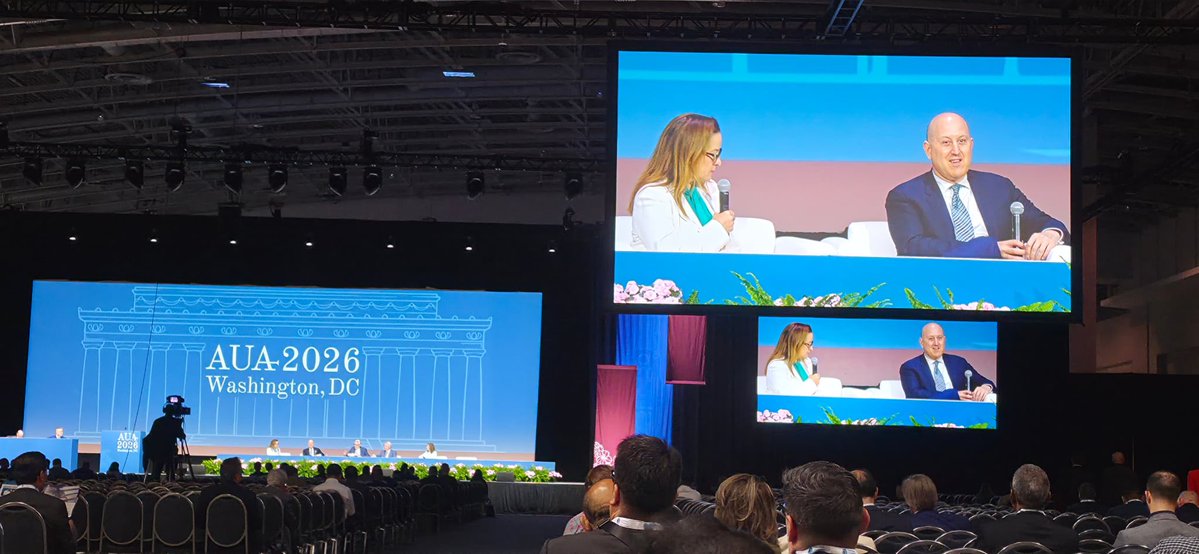
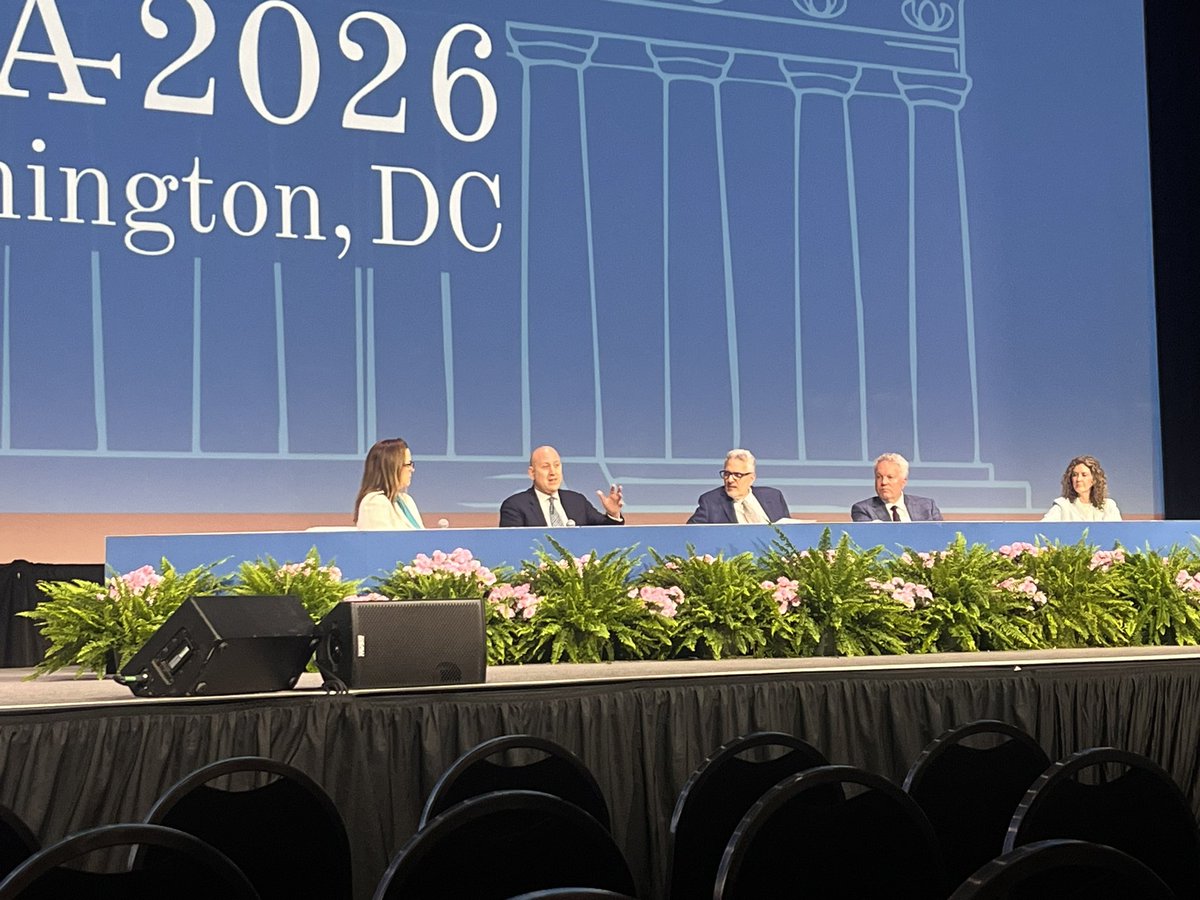
An exciting start to Day 3 of #AUA26 yesterday!
🎤 Dr. Christopher Chermansky participated in the Sunday Morning Plenary session, serving as a speaker and panelist for “Crossfire: Controversies in Urology: Hydrodistension Should Be Used for Therapy for IC/BPS.”
#UPMCUrology #AUA2026