The customer service of @goibibo@GoibiboSupport is pathetic that it needs special mention publicly. They won’t process the refund of a cancelled flight even after 10 days and multiple follow ups after raising a request.
@GoibiboSupport has such a pathetic customer service that needs special mention here. Even after airline cancels the flight… they won’t process the refund even after constant follow ups for more than 10 days. Strong advice not to book through it.
Any emergency helpline for Zomato riders is a joke. There is no mechanism.
Today, while walking towards Chanakyapuri, two cars hit a Zomato rider on an e-scooter back to back, both the cars fled & we couldn't note their numbers.
Some pedestrians stopped along with an..1/n
When he was 19, Andre Agassi started losing his hair.
Deeply ashamed of his receding hairline, to hide it, Agassi started wearing a hairpiece.
Not long after, at the 1990 French Open, Agassi made it to his first Grand Slam final.
“The night before the final,” Agassi writes,
“Catastrophe strikes.”
As he was taking a shower, Agassi felt the hairpiece disintegrate in his hands. He summoned his brother, who was able to clip the hairpiece back together with 20 bobby pins.
The next morning, Agassi writes, “warming up before the match, I pray. Not for a win, but for my hairpiece to stay on…My tenuous hairpiece has me catatonic…With every lunge, every leap, I picture it landing on the clay. I can picture millions of people suddenly leaning closer to their TVs, turning to each other and in dozens of languages and dialects saying some version of: Did Andre Agassi’s hair just fall off?”
At times, he looks into the stands and sees fans sporting hairdos just like his. This only exacerbates his sense of shame. “I can’t imagine all these people trying to be like Andre Agassi,” he writes, “since I don’t want to be Andre Agassi.”
Because of this fixation on his hairpiece, though he was the heavy favorite, Agassi lost three sets to one.
After, his girlfriend, aware of the hairpiece catastrophe, says, “I think you should just get rid of that hairpiece.”
“Impossible,” Agassi replies, “I’d feel naked.”
“You’d feel liberated,” she says.
He thought it over for a few days: “I thought about the pain my hair has caused me, the hypocrisy and the pretending and the lying.”
And then he went back to his girlfriend, “Let’s do it…Let’s cut it all off.”
His first tournament with a bald head was another Grand Slam, the Australian Open, and, “I come out like the Incredible Hulk. I don’t drop one set in a take-no-prisoners blitz to the final.”
You were right, he told his girlfriend before the final, “my hairpiece was a shackle.”
In the final, he won three sets to one. “Everyone says it’s my best performance yet, because it’s my first victory over Pete [Sampras]. But I think twenty years from now I’ll remember it as my first bald victory.”
Takeaway 1:
In his book, in interviews, and in the documentary “Stutz,” the psychiatrist Phil Stutz talks about the Shadow.
“The easiest way to say it,” Stutz explains, “is that the Shadow is the part of yourself that you’re ashamed of…It’s a flawed part of yourself that you feel you have to hide and once you start to hide things, you become very sensitive to whether other people can see them or not. It becomes an obsession—How do they see me, what do they think of me, do they like me, love me?”
The more you try to hide what you’re ashamed of, as Agassi said, the more ashamed you feel.
“But the beauty is,” Stutz continues, “once you stop hiding it, you can relax and then you get flow. If you stop hiding your Shadow, if you stop hiding, you get flow. And that’s what everybody wants.”
After he stopped hiding his Shadow, Agassi got flow. He went on to win back-to-back Grand Slams and ended 1995 as the number one ranked tennis player in the world, replacing Pete Sampras who held the spot for eighty-two straight weeks.
Takeaway 2:
Keeping in mind that Agassi was so worried about what others would think or say about his shaved head, I went searching for what others thought or said after he shaved his head.
All I could find was a passing mention in a 1995 Washington Post piece (“The wild mane of hair he sported at the tournament last season has been replaced with his new no-nonsense buzz cut.”)
It made me think of a line from the philosopher Seneca, who writes in a letter titled On Groundless Fears: “We suffer more in our imagination more often than in reality.”
In his head, Agassi thought people would think or say nasty things about him.
In reality, no one really cared.
- - -
“The most precious thing we have in life is time, so any time you spend worrying about something, get rid of it.” — Andre Agassi
Follow @bpoppenheimer for more content like this!
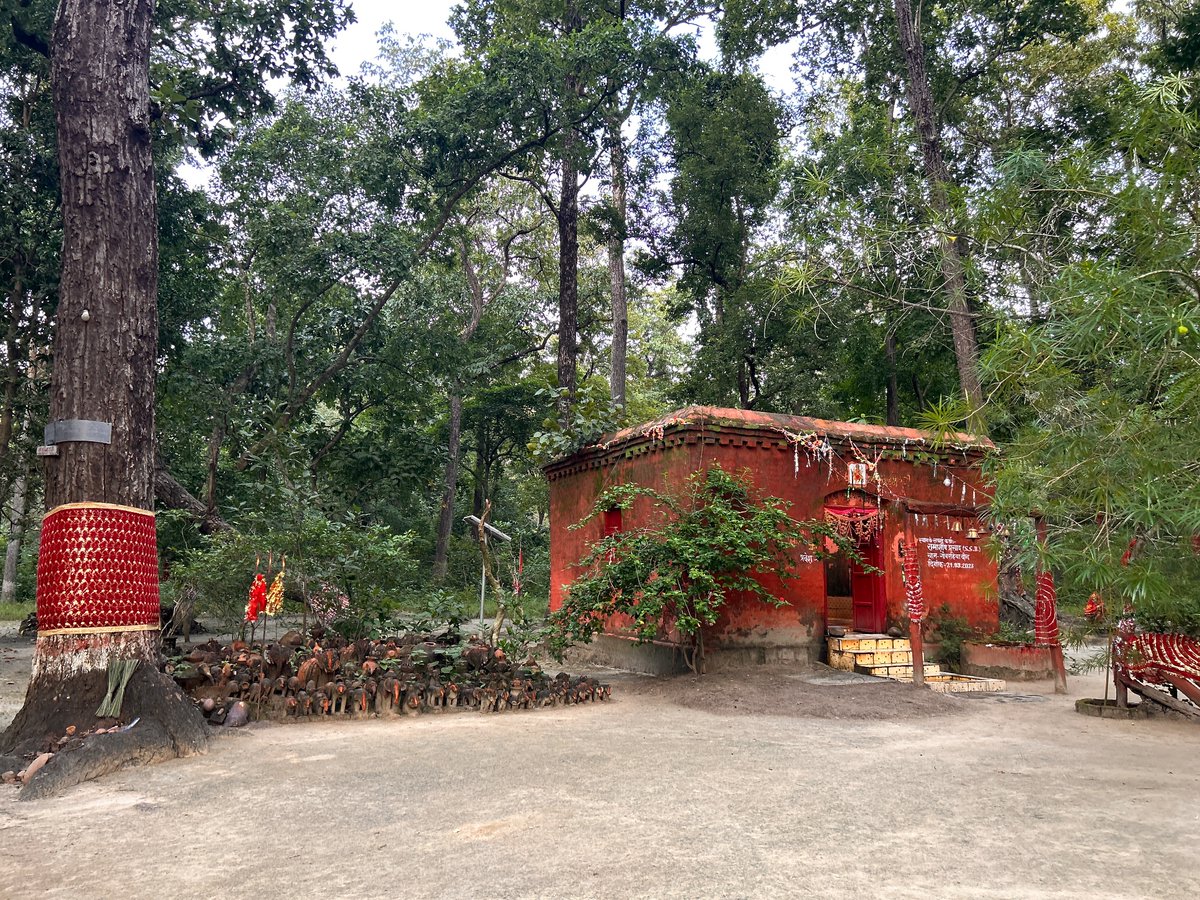
The unique temple in the midst of the Valmiki Tiger Reserve where people install a hand pump if their wishes are fulfilled.
@DEFCCOfficial@ntca_india#fieldsiaries
A cocktail of technological intervention and departmental convergence making a big difference in mitigating wildlife accidents.
@rameshpandeyifs@wii_india@vrtiwari1@moefcc
https://t.co/Std7nQWef3
In a conservative society like Bihar, the Muzaffarpur bag cluster is a breath of fresh air... It is creating a social revolution, one stitch at a time... Women are stepping out of their homes and into the workforce.
The gentle giants with unparalleled intelligence, emotions and sense of empathy and extraordinary ability to influence the ecosystem which make them the ecosystem engineers.
#WorldElephantDay#wildlife#selfclicked









![bpoppenheimer's tweet photo. When he was 19, Andre Agassi started losing his hair.
Deeply ashamed of his receding hairline, to hide it, Agassi started wearing a hairpiece.
Not long after, at the 1990 French Open, Agassi made it to his first Grand Slam final.
“The night before the final,” Agassi writes,
“Catastrophe strikes.”
As he was taking a shower, Agassi felt the hairpiece disintegrate in his hands. He summoned his brother, who was able to clip the hairpiece back together with 20 bobby pins.
The next morning, Agassi writes, “warming up before the match, I pray. Not for a win, but for my hairpiece to stay on…My tenuous hairpiece has me catatonic…With every lunge, every leap, I picture it landing on the clay. I can picture millions of people suddenly leaning closer to their TVs, turning to each other and in dozens of languages and dialects saying some version of: Did Andre Agassi’s hair just fall off?”
At times, he looks into the stands and sees fans sporting hairdos just like his. This only exacerbates his sense of shame. “I can’t imagine all these people trying to be like Andre Agassi,” he writes, “since I don’t want to be Andre Agassi.”
Because of this fixation on his hairpiece, though he was the heavy favorite, Agassi lost three sets to one.
After, his girlfriend, aware of the hairpiece catastrophe, says, “I think you should just get rid of that hairpiece.”
“Impossible,” Agassi replies, “I’d feel naked.”
“You’d feel liberated,” she says.
He thought it over for a few days: “I thought about the pain my hair has caused me, the hypocrisy and the pretending and the lying.”
And then he went back to his girlfriend, “Let’s do it…Let’s cut it all off.”
His first tournament with a bald head was another Grand Slam, the Australian Open, and, “I come out like the Incredible Hulk. I don’t drop one set in a take-no-prisoners blitz to the final.”
You were right, he told his girlfriend before the final, “my hairpiece was a shackle.”
In the final, he won three sets to one. “Everyone says it’s my best performance yet, because it’s my first victory over Pete [Sampras]. But I think twenty years from now I’ll remember it as my first bald victory.”
Takeaway 1:
In his book, in interviews, and in the documentary “Stutz,” the psychiatrist Phil Stutz talks about the Shadow.
“The easiest way to say it,” Stutz explains, “is that the Shadow is the part of yourself that you’re ashamed of…It’s a flawed part of yourself that you feel you have to hide and once you start to hide things, you become very sensitive to whether other people can see them or not. It becomes an obsession—How do they see me, what do they think of me, do they like me, love me?”
The more you try to hide what you’re ashamed of, as Agassi said, the more ashamed you feel.
“But the beauty is,” Stutz continues, “once you stop hiding it, you can relax and then you get flow. If you stop hiding your Shadow, if you stop hiding, you get flow. And that’s what everybody wants.”
After he stopped hiding his Shadow, Agassi got flow. He went on to win back-to-back Grand Slams and ended 1995 as the number one ranked tennis player in the world, replacing Pete Sampras who held the spot for eighty-two straight weeks.
Takeaway 2:
Keeping in mind that Agassi was so worried about what others would think or say about his shaved head, I went searching for what others thought or said after he shaved his head.
All I could find was a passing mention in a 1995 Washington Post piece (“The wild mane of hair he sported at the tournament last season has been replaced with his new no-nonsense buzz cut.”)
It made me think of a line from the philosopher Seneca, who writes in a letter titled On Groundless Fears: “We suffer more in our imagination more often than in reality.”
In his head, Agassi thought people would think or say nasty things about him.
In reality, no one really cared.
- - -
“The most precious thing we have in life is time, so any time you spend worrying about something, get rid of it.” — Andre Agassi
Follow @bpoppenheimer for more content like this!](https://pbs.twimg.com/media/GGefsfDXwAAcRSJ.jpg)