After almost 2 years of work, I'm beyond thrilled to share TESSERA 🎉
🧬 A foundation model for the cancer genome.
One genomic fingerprint →
🩺 Diagnosis
📈 Prognosis
🧪 Prediction
🚀 Preprint LIVE → https://t.co/BK2iZMbj8C
#CancerGenomics#FoundationModels#AIinMedicine
Our 10th Single Cell Genomics Day is next Friday (6/12)!
Thanks to amazing speakers Aviv Regev @xinjin@anshulkundaje@junyue_cao and many more! Talks are live-streamed on YouTube and are free (no registration required) at https://t.co/G5Pq3EwyHF
Big progress vs cancer, folks.
The kind of event curves from randomized trials that we've not seen before for a couple of the most deadly cancers. Congrats to the oncology research community for getting these trial done. #ASCO26, @ASCO
These two three-spined sticklebacks are the same species. But, in just a few decades, they can adapt to very different micro-environments. The fish above has armor to defend it from ocean predators. The fish below can swim faster than its saltwater cousin. What drives such rapid change?
https://t.co/OwC1ZJJV5G
“What are the extremes of life?” Damsgaard said. “How far can we bend the conditions under which highly metabolically active tissues can actually survive?”
A bird, he learned, can bend them pretty far.
“Evolution is not really like an inventor; it acts more like a tinkerer. . . . It takes parts that have existed long before, and it recombines, reinvents, and reshapes.”— Karthik Shekhar, biologist at UC Berkeley
https://t.co/Ful3jkIQ6J
Evolving (cancer) cell would acquire its fuel (variation) by any means at its disposal and may not obey rules of inheritance.
"Mathematics is an art of perfection, Physics is an art of optimum while Biological systems are just “satisfactory”! S Brenner
https://t.co/5oxYj0Z2PY
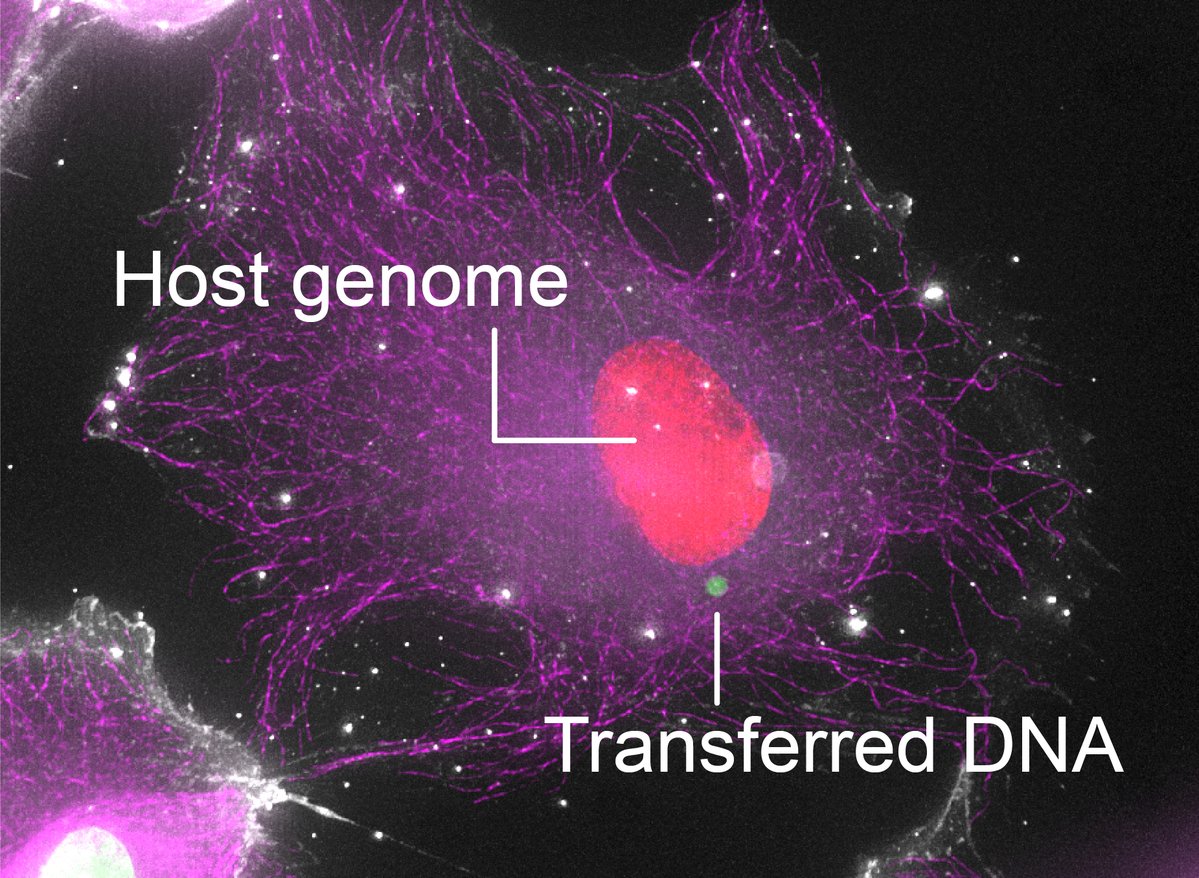
Excited to share our latest paper, out today @CellCellPress. We found that large pieces of the human genome can transfer between cells upon direct contact, endowing recipient cells with heritable phenotypic changes. (1/7)
https://t.co/SbshGhofN0
Some thoughts on where AI in genomics stands right now, building on a symposium we recently hosted.
Seven points, ranging from why scaling DNA models hasn't delivered, to why metadata is the real bottleneck, to the weird backlash against AI in academia
https://t.co/rMQZxP5S4o
"Reanalysis of published datasets using a simple control-splitting procedure that removes this bias leads to a substantial reduction in performance previously attributed to biological signal." https://t.co/9JmL3ZgC5t
A flaw in Person-Δ may be overstating progress in single-cell perturbation prediction models. Pearson warned about this in the 19th century: reusing the same controls induces spurious correlation. Split the controls, and much of the claimed prediction power fades. Link below 👇
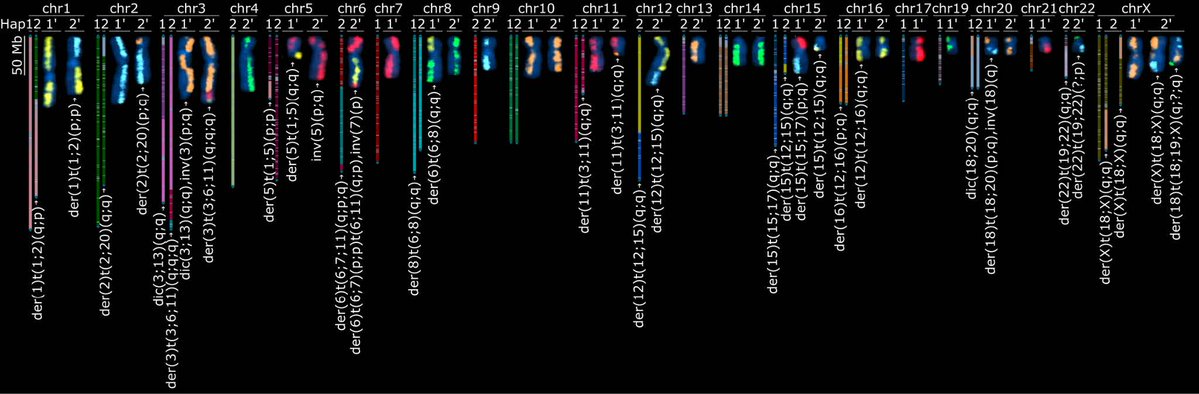
🧵 Excited to contribute to a new preprint led by Justin Zook & the NIST/GIAB team: "A complete human pancreatic cancer genome" — the first near-complete, haplotype-resolved tumor cell line assembly (HG008-T, hypodiploid PDAC).
📄 https://t.co/o0orsSuvvw
A Yale-led innovation based on research by @CraigMCrews, has received FDA approval for #breastcancer treatment. #Vepdegestrant marks a major milestone for PROTAC technology and targeted protein degradation in oncology.
https://t.co/RCphS9e95O
@SmilowCancer@ArvinasInc
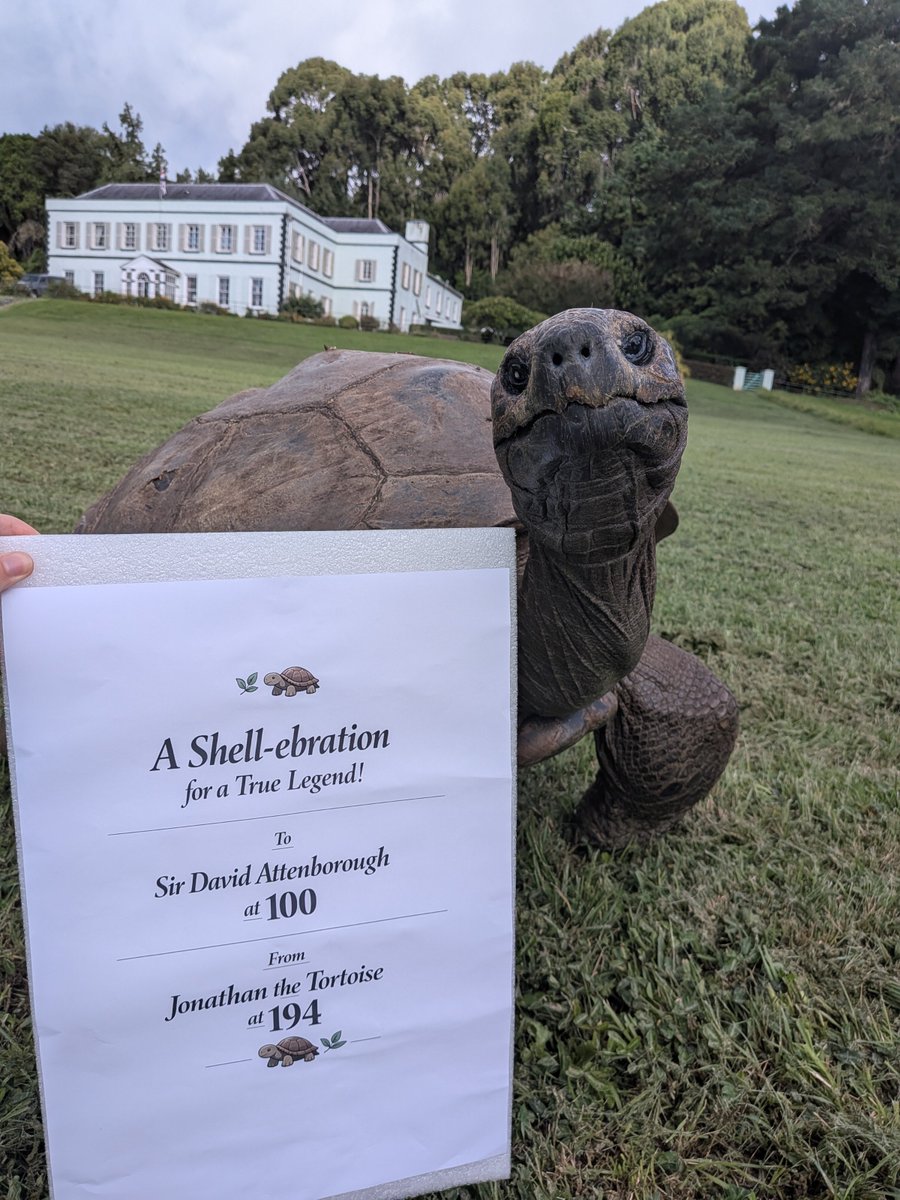
Dear David Attenborough,
Congratulations on reaching your 100th lap around the sun, young man!
Thank you for sharing the wonders of our world with such care and curiosity.
Here’s to many more years, slow and steady wins the race!
With admiration,
Jonathan the Tortoise
New Anthropic research: Natural Language Autoencoders.
Models like Claude talk in words but think in numbers. The numbers—called activations—encode Claude’s thoughts, but not in a language we can read.
Here, we train Claude to translate its activations into human-readable text.
I wrote Deep Learning with Python to be the definitive guide to how deep learning works and how to best make use of it. Tens of thousands of people got their career start via this book. 120,000 copies sold, and downloaded by millions more.
And now it's free to read online: https://t.co/3CbcQ7hmjp
Geneticist J. Craig Venter, best known for his role in sequencing the human genome, has died aged 79.
He spoke to Nature in 2023 about AI, sequencing the ocean – and why he had no plans to stop working.
https://t.co/FYq5jbMpxa
Adaptive immunity may have begun not as a bacterial invention. Ancient phages likely used VIPR-like systems against rivals. Bacteria acquired one, coupled it to a Cas1-like integrase, and transformed viral conflict into heritable immune memory.
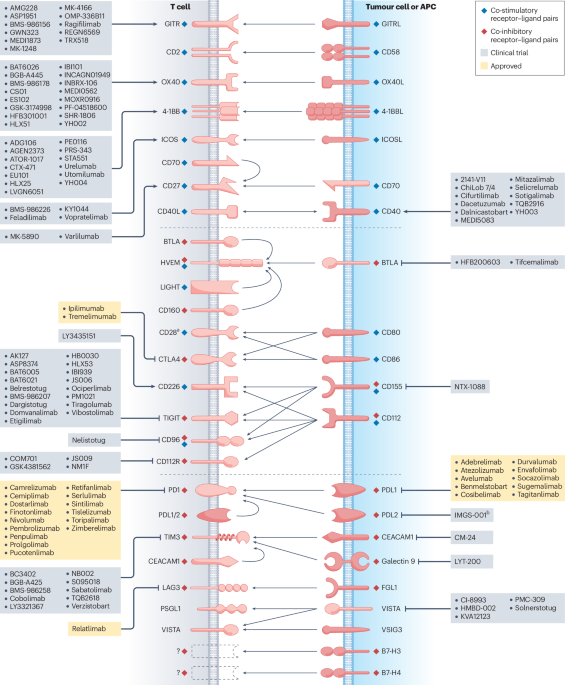
Immune cells continually detect, engulf, and destroy invasive microbes and cancer cells.
This process, called phagocytosis, is carried out by macrophages that must distinguish between proengulfment signals and inhibitory (“don’t-eat-me”) warnings. Cluster of differentiation 47 (CD47), a cell-surface receptor, is the archetypal don’t-eat-me signal. Many cancers upregulate CD47 expression to escape phagocytosis, and CD47 blockade promotes phagocytosis of cancer cells in mice.
However, CD47 blockers have not shown clinical benefits in patients with acute myeloid leukemia (AML), an aggressive cancer of blood immune cells. This discrepancy has raised the possibility that the molecular programs that inhibit phagocytosis differ between mice and humans.
In a new Science study, researchers report that the mechanisms that control macrophage function in human and mouse cells are indeed different. They also identify cluster of differentiation 43 (CD43) as a potential target for human AML treatment.
Learn more in a new #SciencePerspective: https://t.co/3wfJd4CFgC