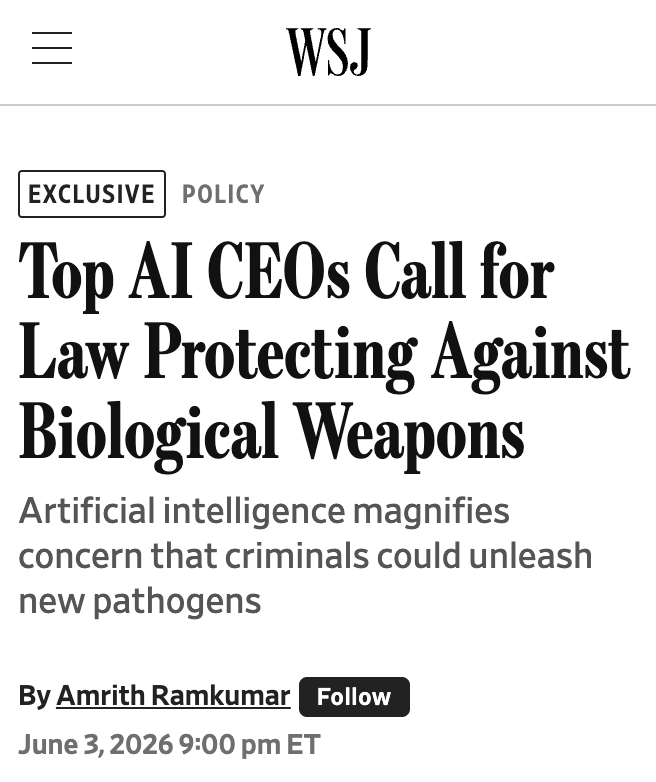
No one should be able to order a bioweapon through the mail.
@IFP & @JoinFAI are proud to co-lead an open letter calling for mandatory DNA synthesis screening & recordkeeping.
Signatories include:
- Sam Altman, CEO & Co-Founder, OpenAI
- Dario Amodei, CEO & Co-Founder, Anthropic
- David Baker, Director, Institute for Protein Design; 2024 Nobel Prize in Chemistry recipient
- Patrick Collison, CEO & Co-Founder, Stripe
- Paul Graham, Founder, Y Combinator
- Demis Hassabis, CEO, Google DeepMind; 2024 Nobel Prize in Chemistry recipient
- Emily Leproust, CEO & Co-Founder, Twist Bioscience
- Lawrence Lessig, Roy L. Furman Professor of Law and Leadership, Harvard Law School
- Gerald W. Parker, former Special Assistant to the President for Biosecurity and Pandemic Response
- Mustafa Suleyman, CEO, Microsoft AI
- Alex Tabarrok, Professor of Economics, George Mason University
- Alexandr Wang, Chief AI Officer, Meta; Founder, Scale AI
- Christine E. Wormuth, President & CEO, Nuclear Threat Initiative; 25th Secretary of the Army
Read the letter and see the full list of signatories: https://t.co/BwZiJXw3JT
Many DNA synthesis companies voluntarily screen orders to mitigate biosecurity risks, but no law requires them to do so.
Leaders in AI, biotech, life sciences, national security, and the nucleic acid synthesis industry agree that Congress should act to strengthen safeguards against biological threats.
@deanwball put it well in the WSJ:
“If you’re synthesizing the stuff that yields biological life and viruses, we’re asking you to screen to see whether it is dangerous in some way. That seems like a reasonable thing for society to insist upon.”
LIVE NOW: AI Biosecurity Panel
Tune in as leading experts, including the author of recent research from Microsoft, discuss new biosecurity loopholes in the AI era.
https://t.co/vHJqO2gssP
AI is advancing faster than biosecurity practices.
Next week, join ARI and leading experts, including an author of Microsoft's latest study, to discuss the widening gap between AI’s bio capabilities and security practices.
🗓 Oct 29 | 3–4PM ET
🔗 RSVP: https://t.co/AS2Me49F07
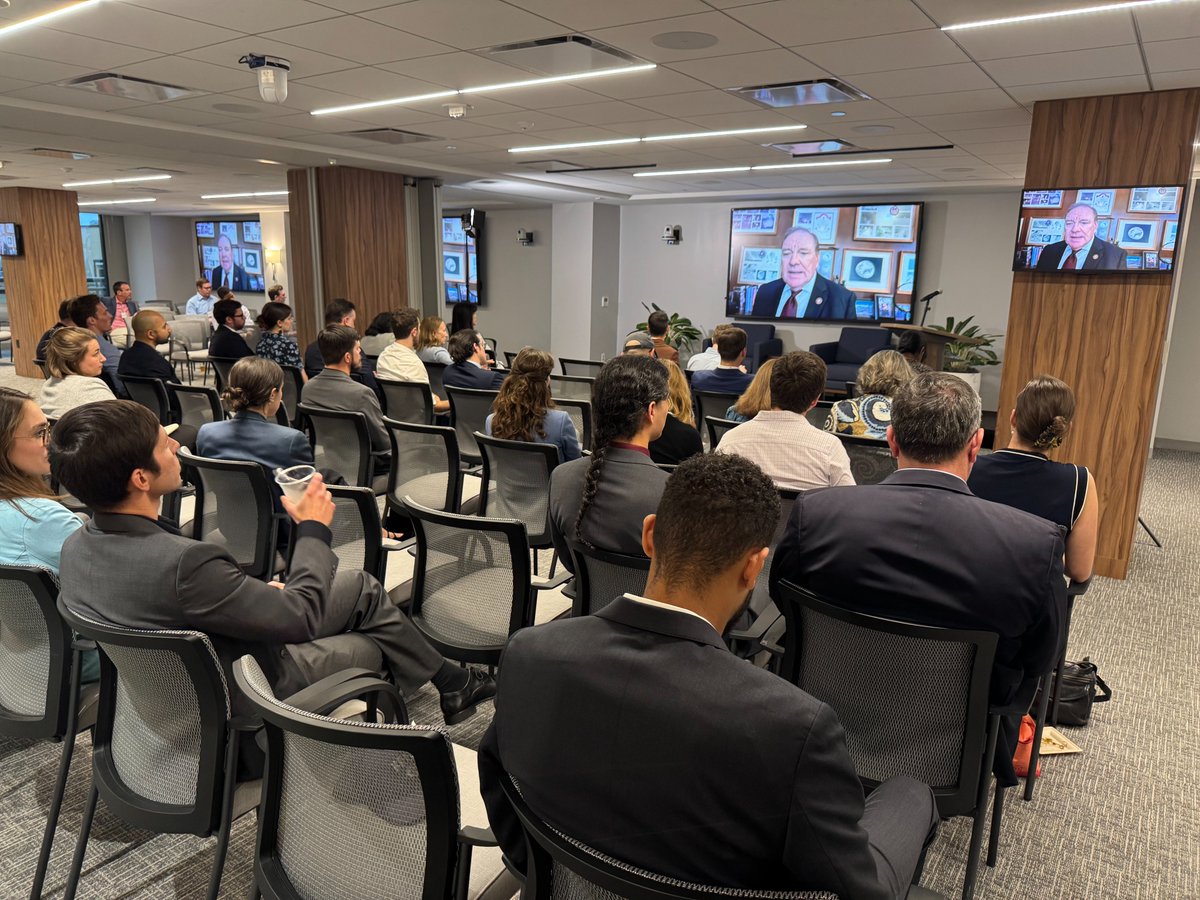
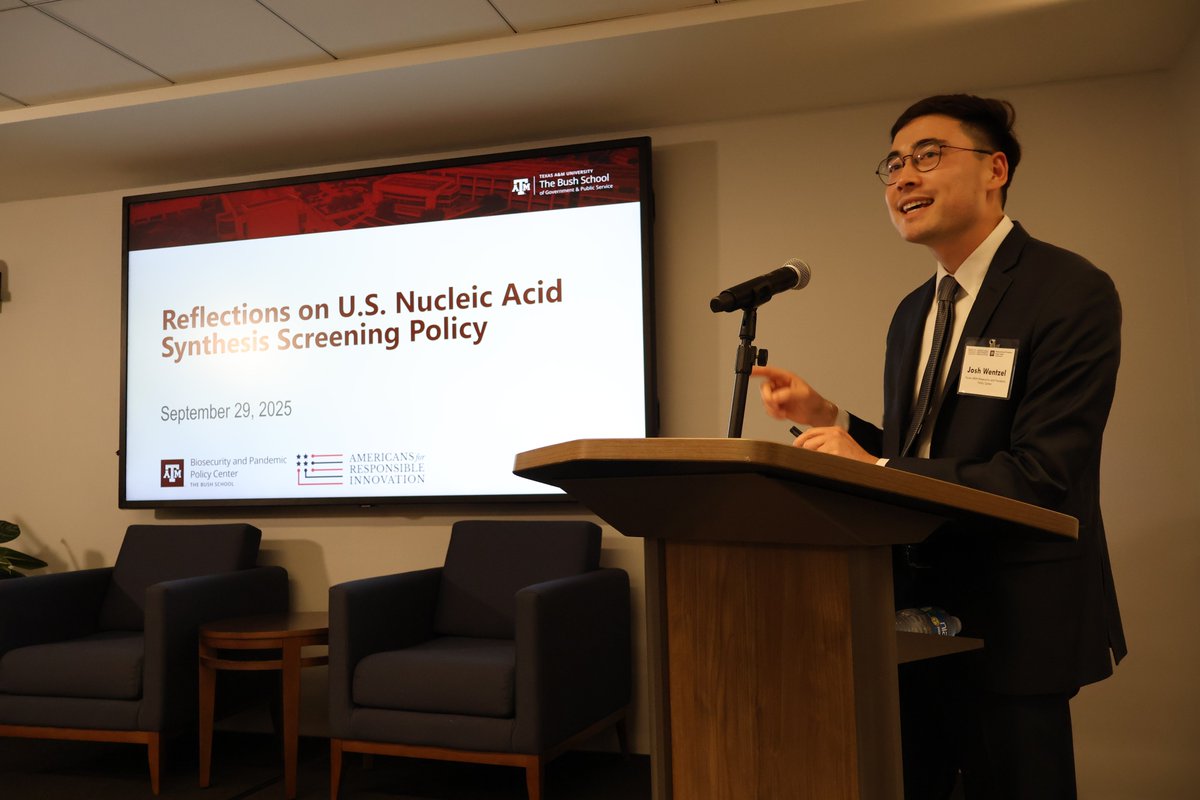
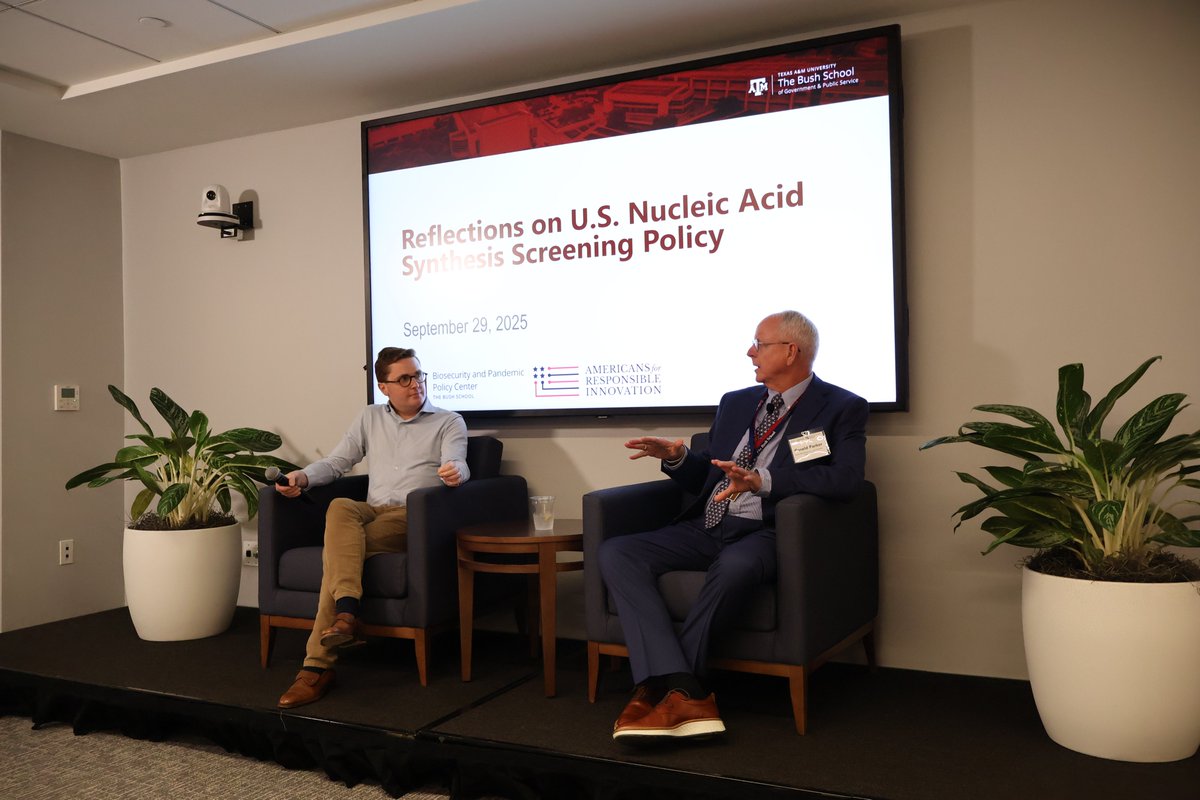
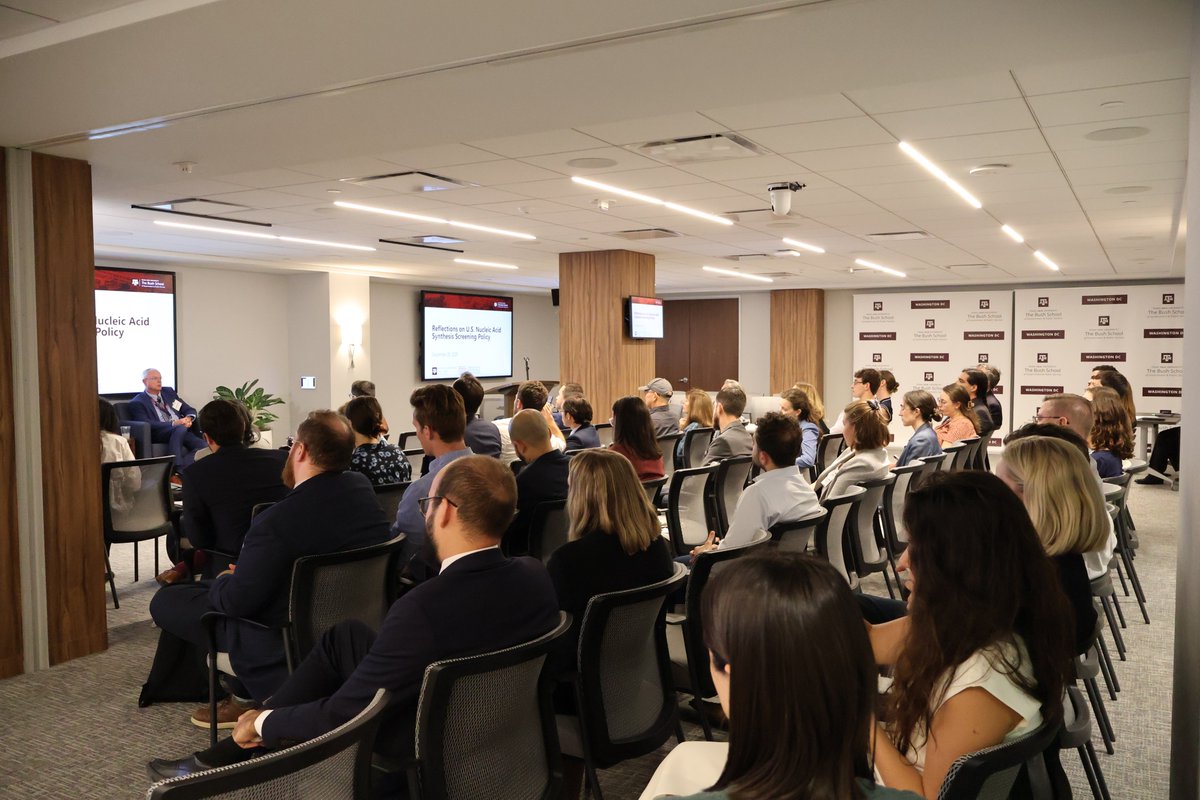
On September 29, we heard from @deanwball, @DrNealDunnFL2, and @DrGerryParker about why screening nucleic acid synthesis orders for sequences of dangerous pathogens is a priority for national security and innovation.
Thanks to @sctwea and @americans4ri for partnering with us!
The same AI tools advancing medicine could also help create deadly pathogens.
@SenatorHassan highlights the urgent need for biosecurity reform after researchers found AI-generated proteins bypassed safety screening. Innovation must come with safeguards.
America's AI Action Plan author on nucleic acid synthesis screening: biotech's promise is real, but innovation requires thoughtful oversight.
@deanwball (@joinfai) and @sctwea on why robust screening builds trust and lets American biotech flourish.
Thanks @tamu for co-hosting!
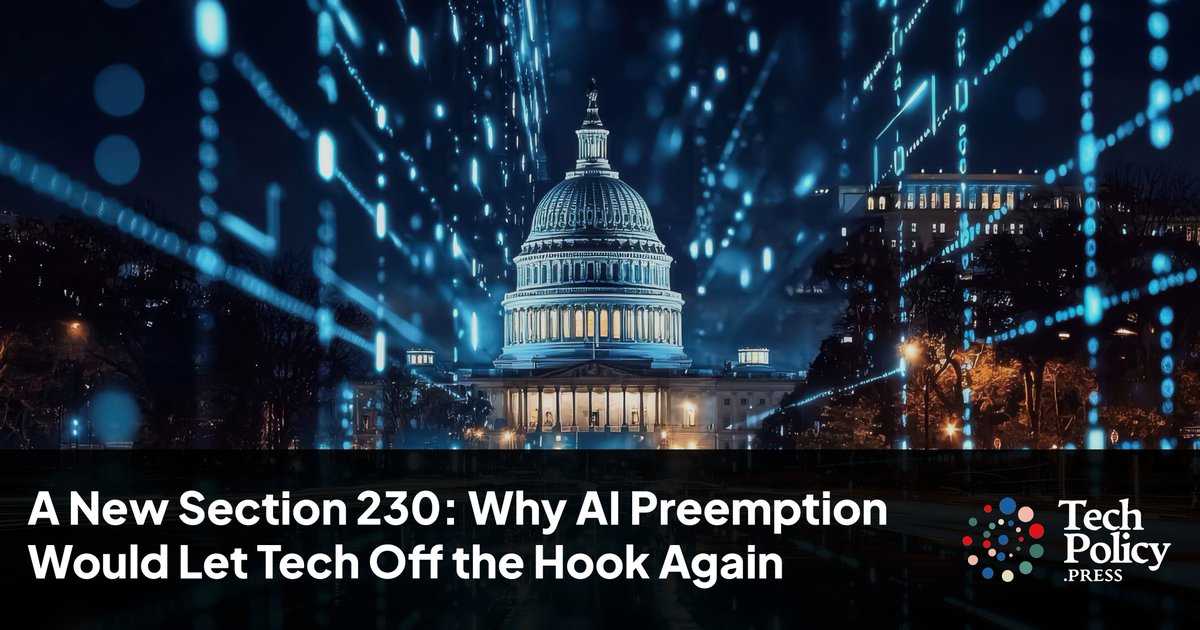
AI law preemption is the sequel to Section 230 that nobody asked for.
In a new op-ed for Tech Policy Press, @bradrcarson writes that preemption doubles down on the same old mistakes, shielding Big Tech from accountability as new online harms emerge:
https://t.co/e67v92sLzj
This is an amazing and awe-inspiring moment!
It also raises concerns, naturally.
Now would be a great time for the federal government to release a new policy framework for the firms that produce synthetic nucleic acids!
🤞
Join us in welcoming Scott Weathers to the ARI team! @Sctwea has joined as an Associate Director of Government Affairs.
Scott was previously a policy advisor to Rep. Diana DeGette and a legislative assistant to Rep. Julia Brownley.
NEW: @MarshaBlackburn joins the growing number of Republican Senators opposing the House budget reconciliation text that would preempt state AI laws for 10 years.
Last year, Tennessee passed the ELVIS Act, which bans unauthorized use of a person’s likeness or voice by Gen AI.