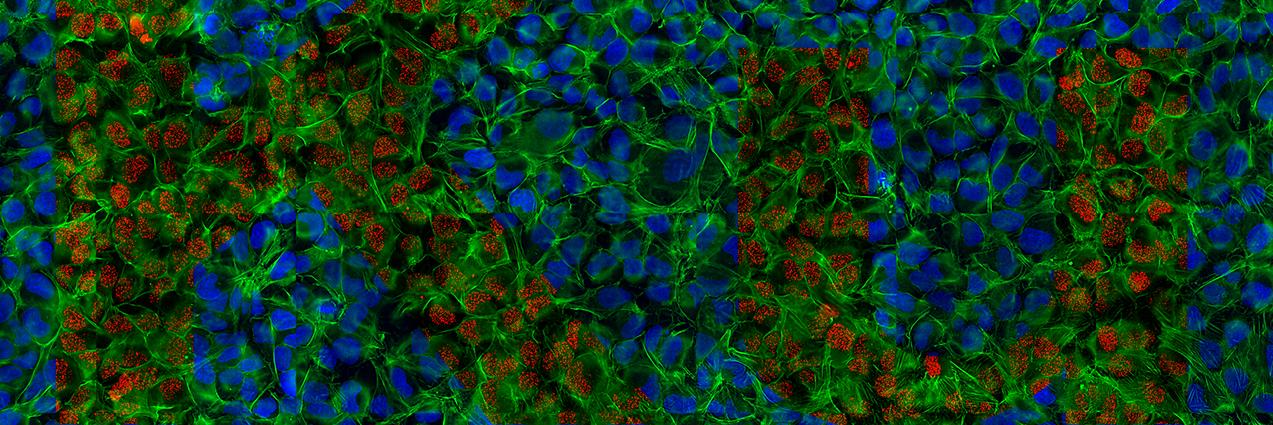
The @RoukosVassilis lab led a new and detailed study of Topoisomerase II contribution to #3Dgenome folding in human cells and in different cell cycle phases -- my group and the @MundlosLab contributed analyses/data. The paper is now published in @MolecularCell ...1/n
Group leader in Infection Biology @IpbsToulouse
The IPBS-Toulouse recruits a Group leader in Infection Biology
https://t.co/FOfI5s86aB
#ScienceJobs#job
https://t.co/FOfI5s86aB
If you are a bright Ph.D. student working outside France around our research theme https://t.co/JaTlohuc7W @IpbsToulouse , here is a chance for you to contact us to apply for the open Excellence Eiffel Fellowship https://t.co/2P0ALTdeml
contact us before October 20th, 2024 !!
Come join us as a postdoc in the JaJa lab at the Netherlands Cancer Institute if you are interested in the molecular mechanisms underlying telomere maintenance by ALT and in findings ways how to target ALT in pediatric cancer treatment.https://t.co/OVNkGxO5h5
Our lab, @IpbsToulouse is looking for a motivated research engineer with fluency in French and English, interested in our research theme, https://t.co/JaTlohuc7W. Please apply here: https://t.co/SE3V0n9enQ
Please retweet 🙏
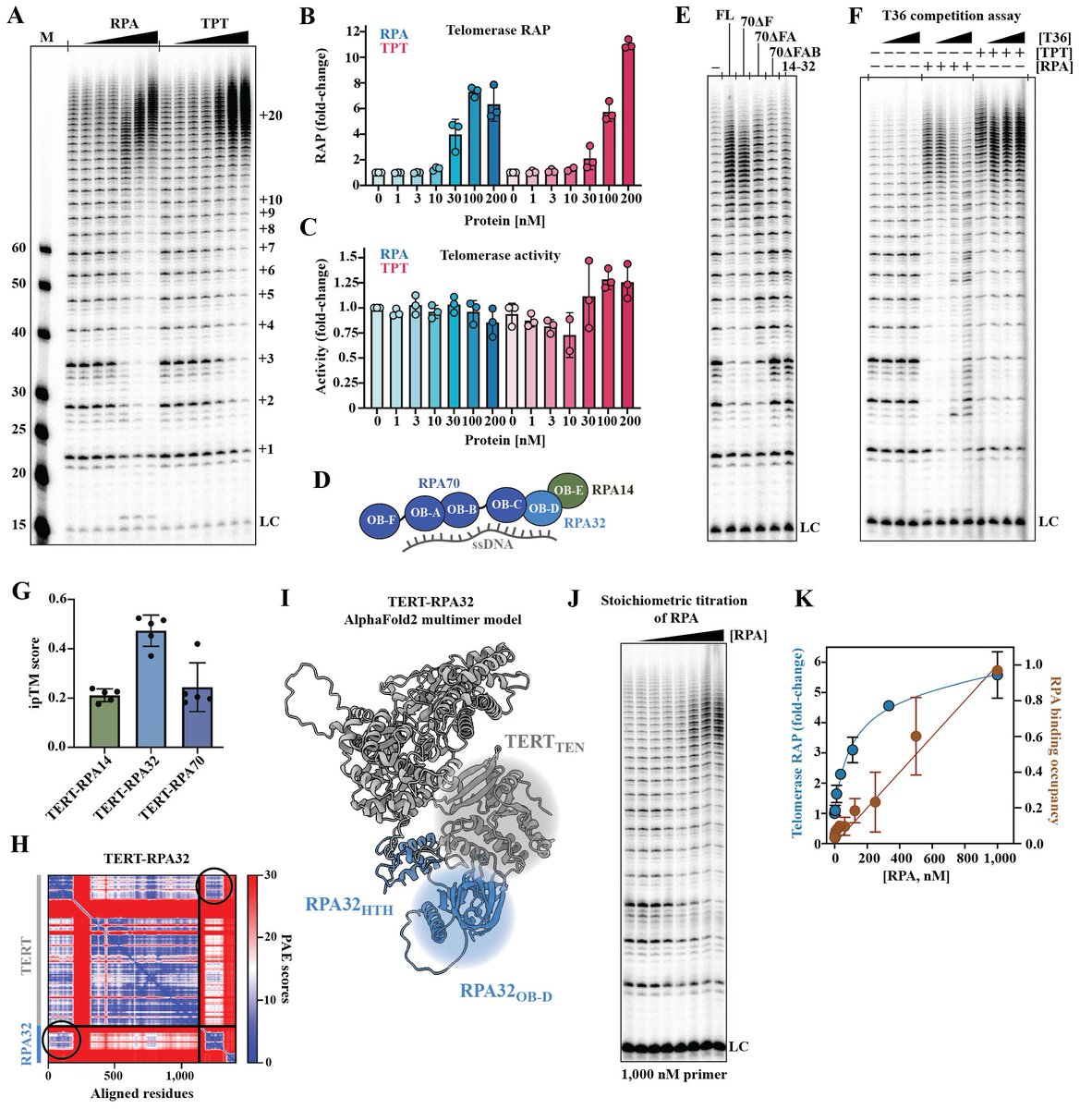
1/7 Our latest preprint is out! 🚨 @Sour_Agrawal , @xiuhua_linwisc , @viveksusvirkar et al. discover human RPA is a critical telomerase processivity factor essential for telomere maintenance. This reshapes our understanding of human telomerase regulation. https://t.co/HJkap1APl4
Have you ever wondered why some cell lines are easy to edit with CRISPR-mediated gene editing, while others are more difficult? Our paper is now online and offers an interesting answer: https://t.co/0ck5FHVXvb
Our latest manuscript on a new cell cycle dependent control of dna repair. Started from a high resolution crispr screen of #ubiquitin system after IR: check table S2!
Also substrates of cyclin f through motif search!
https://t.co/foGAoXwwu7
Optimized methods for mapping DNA double-strand-break ends and resection tracts and application to meiotic recombination in mouse ... https://t.co/ARoAwz5gZC #biorxiv_genomic
Happy to share a publication from the lab demonstrating that 53BP1 loss is a positive predictive biomarker for immune checkpoint blockade efficacy, with important implications for the treatment of PARPi-resistant ovarian and pancreatic cancers!
https://t.co/a09GX4ipAi
In vitro, multiple #DNA_repair proteins Ku load from DNA ends on linear DNA, eventually covering it. Yet, in cells, only one Ku is found per DNA end at double-strand breaks. What restricts Ku entry on chromatin? https://t.co/RpQHFVdvmN
In this work, we identify the main barriers to Ku accumulation in chromatin: DNA-PKcs structurally retains Ku at DNA ends. If Ku enters chromatin, it is removed by a neddylation/FBXL12-dependent process. In S-phase, DNA end resection can remove Ku, even in excess.
These mechanisms are crucial: transcription is inhibited locally by Ku without DNA-PKcs, and FBXL12 is vital for the fitness of DNA-PKcs deficient cells. Our findings highlight the complex regulation of Ku, necessary to maintaining genome integrity.