El sistema REACCH se está probando en la #ISS como futuro proyecto de eliminación de basura espacial.
Ha sido desarrollado por la empresa Kall Morris Inc.
Falls ihr es verpasst habt: Erlebt gemeinsam mit der ESA die totale Sonnenfinsternis am 12. August 2026. ☀️ ⚫🌍
Am 12. August 2026 wird in Teilen Europas und des Nordatlantiks eine Sonnenfinsternis zu beobachten sein. In Deutschland, Österreich und der Schweiz wird der Mond je nach Standort bis zu etwa 90 % der von der Erde aus sichtbaren Sonnenfläche abdunkeln.
Mehr dazu: https://t.co/MrzKHCmHs4
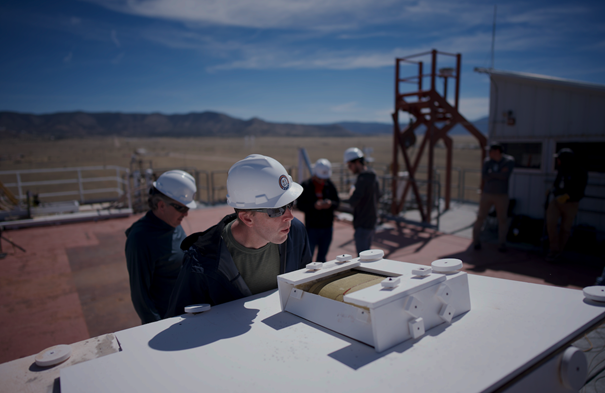
The heat is on for NASA’s Dragonfly. 🔥 The team completed thermal-structural testing on heat shield materials at Sandia National Labs, reaching temperatures of 4,500°F, to ensure it can withstand Titan’s atmospheric entry ahead of a planned 2028 launch.
https://t.co/pusZSa715a
Earlier today, a brand new expendable Falcon Heavy center core booster, B1106, arrived in McGregor for its testing campaign. A short while later, it was raised to vertical, as SpaceX often wastes no time.
@NASASpaceflight | https://t.co/YbGzPpnUhT
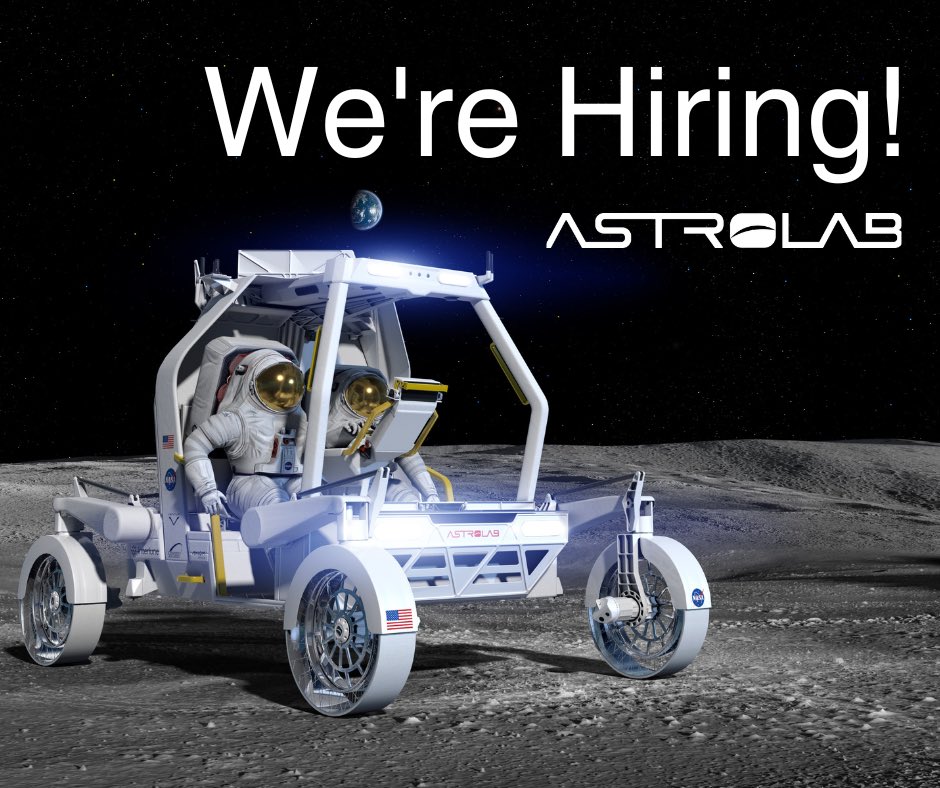
We're hiring Avionics, Software, and Vehicle Engineers at Astrolab!
If you're interested in working on cutting-edge lunar mobility systems, we have openings across rover navigation, FPGA, perception, power systems engineering, and more.
Explore all positions here:
https://t.co/n16b9iJKyV
🚨 SCIENTISTS JUST BUILT A 100kW FULLY SUPERCONDUCTING MOTOR FOR FUTURE ELECTRIC AIRCRAFT.
Researchers at the University of Strathclyde have successfully tested a prototype motor that uses superconducting materials cooled to -253°C (20K). It achieves power density levels that conventional motors simply cannot match.
This could be a game-changer for electric and hydrogen-electric aviation.
Why this matters:
• Superconductors have zero electrical resistance when properly cooled, dramatically reducing weight and heat
• The motor delivers high power while staying extremely lightweight critical for flight
• Works with liquid hydrogen (which can act as both fuel and coolant)
• Backed by Airbus under their Zero Emissions for Sustainable Transport (ZEST) program
• Major step toward megawatt-class superconducting motors for commercial planes
The deeper implication is exciting:
Aviation is one of the hardest sectors to decarbonize. Superconducting electric propulsion could finally make zero-emission commercial flight realistic by solving the power-to-weight problem that has held electric aircraft back.
We’re moving from theory to working prototypes. The era of high-power superconducting aviation motors is beginning.
What do you think could superconducting motors help make hydrogen-electric planes a reality in the 2030s?
Follow for more frontier aviation and energy technology.
Here's our video of the explosion at Launch Complex 36. It happened about 9 pm ET (0100 UTC) as Blue Origin was beginning a static fire test of its New Glenn rocket.
Watch live views: https://t.co/tm2wZQmAVD
Atlas hebt einen Kühlschrank. Klingt nach Demo, ist aber ein Durchbruch.
Denn der humanoide Roboter von @BostonDynamics weiß vorher nicht, wie schwer das Objekt ist oder wo sein Schwerpunkt liegt. Er passt sich in Echtzeit an, nutzt seinen gesamten Körper und balanciert das Gewicht dynamisch aus. Das wirklich Entscheidende: Dahinter steckt ein generelles KI-Modell. Atlas hat genau diesen Kühlschrank vorher noch nie “gesehen” oder trainiert. Und genau das ist der Unterschied: Keine Einzelfähigkeit, sondern echte Generalisierung. Ein weiterer durch für Humanoide Roboter 🤖
🌙 Du willst in die Zukunft bauen? Klick https://t.co/R2wcMaow2x Offen für alle bis 19 Jahre — egal ob Anfänger oder Profi.) Bis zum 27 July 2026 könnt ihr euch bewerben 🚀
🎶✨ Depuis l'ISS, l’astronaute de l’ESA @Soph_astro lance officiellement Cercle Festival 2026 au nom de l’@esa et du #CNES !!
Après des mois à construire ce moment ensemble… ça y est. La musique démarre. Le voyage commence MAINTENANT.
Cap sur les étoiles !
Soyuz 11: The Only Humans Who Ever Died in the Vacuum of SpaceIn the summer of 1971, three Soviet cosmonauts—Georgy Dobrovolsky, Vladislav Volkov, and Viktor Patsayev—achieved what no one had done before. They became the first crew to dock with and live aboard a space station: the pioneering Salyut 1. For 22 days they worked, ate, slept, and made history in the harsh silence of orbit.Then came the journey home.The Soyuz 11 spacecraft performed a picture-perfect re-entry. Its parachute bloomed against the clear Kazakh sky, and the capsule touched down gently on the steppe. From the outside, everything looked exactly as it should. But when the recovery teams pried open the hatch, they froze in horror.All three men were still strapped in their seats—dead.Their faces were covered in dark, bruised patches. Blood trickled from their noses and ears. There was no pulse, no breath, no sign of life. The silence inside the capsule was absolute.The investigation that followed revealed one of the most haunting tragedies in spaceflight https://t.co/T2A3mb9L9g 168 kilometers above Earth—just as the descent module separated from the service module—a critical breathing ventilation valve was jolted open with explosive force. In seconds, the capsule’s atmosphere vanished into the void. The men were suddenly exposed to the raw vacuum of space.The air was ripped from their lungs in an instant. They lost consciousness within 10–15 seconds. Viktor Patsayev fought longest—he was seen reaching desperately for the valve, trying to crank it shut by hand. He never finished the turn. The wheel stopped halfway.They had no spacesuits. No warning. No https://t.co/wwQG82iPJQ this day, Georgy Dobrovolsky, Vladislav Volkov, and Viktor Patsayev remain the only human beings to have died in the vacuum of outer space.
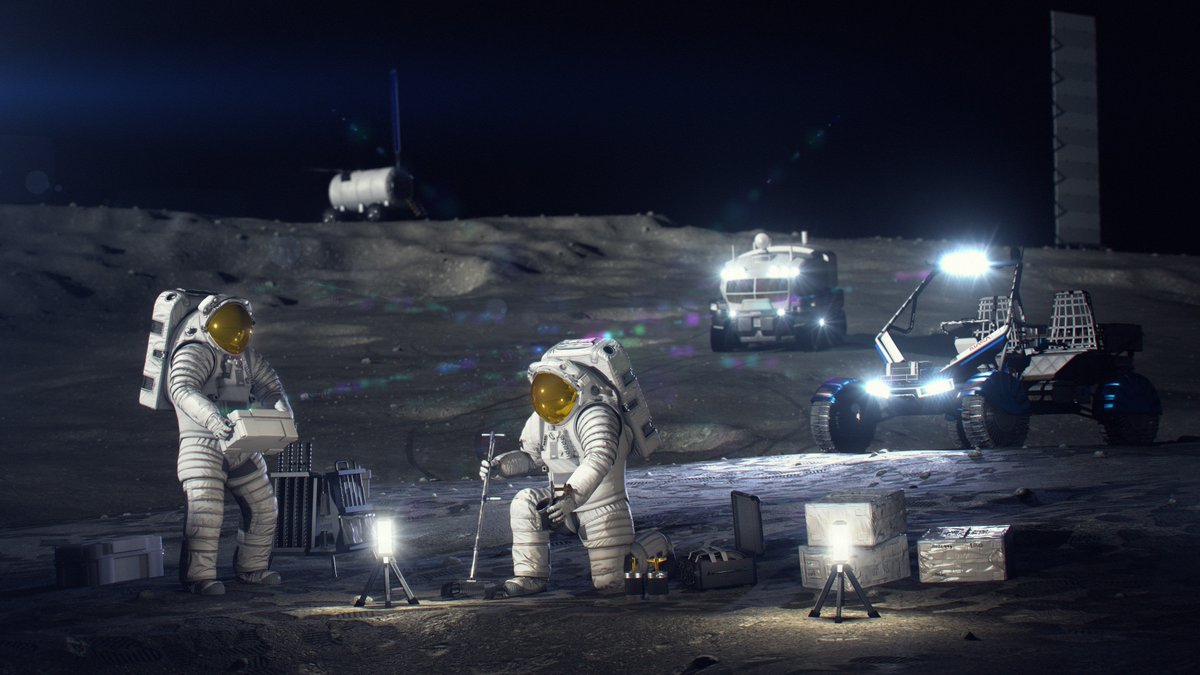
We're building a Moon Base!
@NASAMoonBase will serve as a habitat where astronauts live and work during long-term science missions.
Join us at 2pm ET on Tuesday, May 26, for a live news event where we’ll share updates on our lunar exploration plans: https://t.co/IJXA7xYwju
🌊Während wir um Timmy bangten, sind weltweit – und auch an unseren Küsten – viele namenlose Wale still ertrunken.
Sie litten unter Unterwasserlärm, ertrugen Hörschäden, sammelten Schadstoffe und Mikroplastik in ihren Körpern – und gaben sie sogar mit der Muttermilch an ihre Jungen weiter. Ein einzelnes Schicksal bewegt uns. Doch die stille Mehrheit geht unter.
🐳Timmy / Hope hat vermutlich überlebt. Die Frage ist, ob seine Artgenossen das auch tun werden.
🔵Ein Schritt in die richtige Richtung: Ende März traten drei neue Schutzzonen in Kraft –
• Hohwachter Bucht
• Geltinger Bucht bis Schleimündung
• Westlich von Fehmarn
➡️ Fischerei, Jagd, Rohstoffabbau und Bauvorhaben sind dort verboten.
➡️ Pflanzen, Tiere und Lebensräume dürfen nicht mehr zerstört oder gestört werden.Ein Erfolg – aber immer noch zu wenig.
🟩 Was Schleswig-Holstein jetzt fordert:
1️⃣ Mehr echte Rückzugsräume in Nord- und Ostsee – fern von Stellnetzen, Speedbooten und Lärm.
2️⃣ Verbot der grundberührenden Fischerei in bestehenden Meeresschutzgebieten, besonders in der Nordsee.
3️⃣ Einsatz des Bundes bei der EU-Kommission für ein Verbot der Industriefischerei.
Unsere Meere brauchen mehr als Mitgefühl. Sie brauchen Schutz! 💙🌊🐋
#Timmy #Hope #Meer #Wale