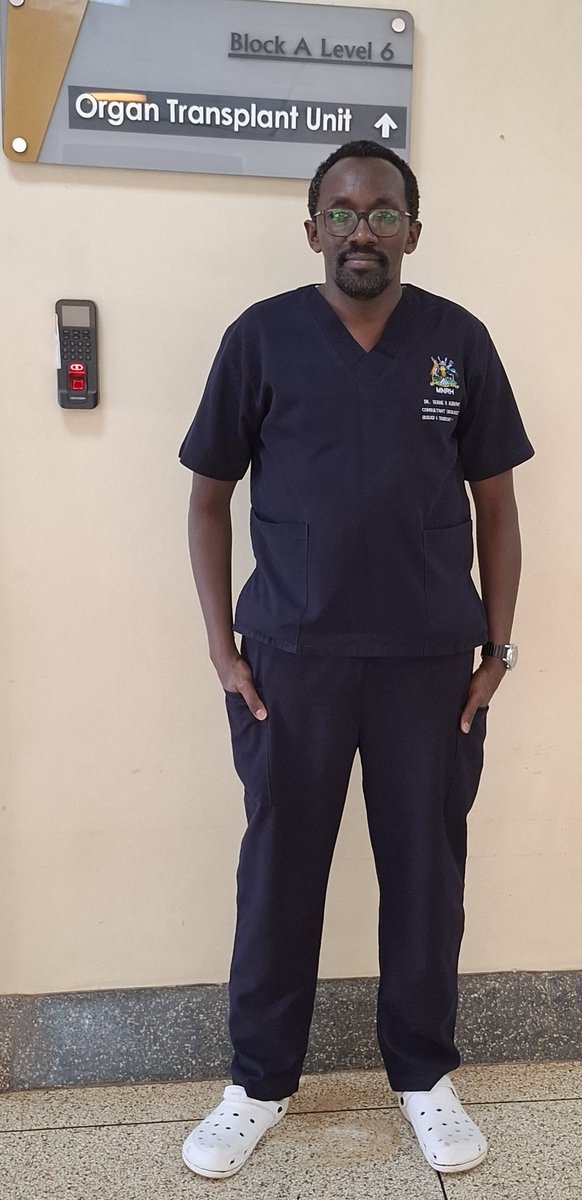
We stand tall in support of Dr. Robert Candia.
Pocketing is normal after all, our arms need to rest, be protected from contamination or kept warm sometimes.
Plus, respect, if this is what this all about, is earned and reciprocated.
Dr. Bienfaith Mumbere surgeon and PhD candidate- @KIUSS_ Teaching hospital presented on Antimicrobial resistance profiles and detection of mecA, blaCTX-M-1, and blaSHV genes in bacteria among diabetic foot ulcer patients from selected referral hospitals in Uganda.
The study aimed at presenting the prevalence of antimicrobial resistance among diabetic patients.
Findings:
• Identified MRSA predominant
• 145 bacterial isolates identified from 105 out of 117 DM patients included in the study
• Polymicrobial infections were identified in 23.8% of patients
• Gram positive bacteria detected: 55.6%. Fungi were detected in 1.8% of patients
• Staph aureus and Proteus species were the most prevalent
• 98.6% of isolates were MDR
• Staph aureus sensitivity was highest for Gentamycin and Ciprofloxacin
• Proteus sensitivity was highest for Carbapenems (Imipenem)
• Tetracycline, Ampicillin, and Amoxiclav had the lowest with 0% sensitivity
Take home:
We have antimicrobial resistance amongst DM patients and our antibiotics are not working, hence the need to look for alternatives.
#AMR #MDR #Stewardship #UgandaHealth #MedicalResearch #ASOUCONF2026
We held an SRH and menstrual health session at St Gabriel Bethlehem P/S in Rakai and donated 50 menstrual cups. Helping girls manage their periods with dignity keeps them in school, advancing their right to #education.
@arnolddroty@CAFAmerica@TogetherWmnRise@FordFoundation
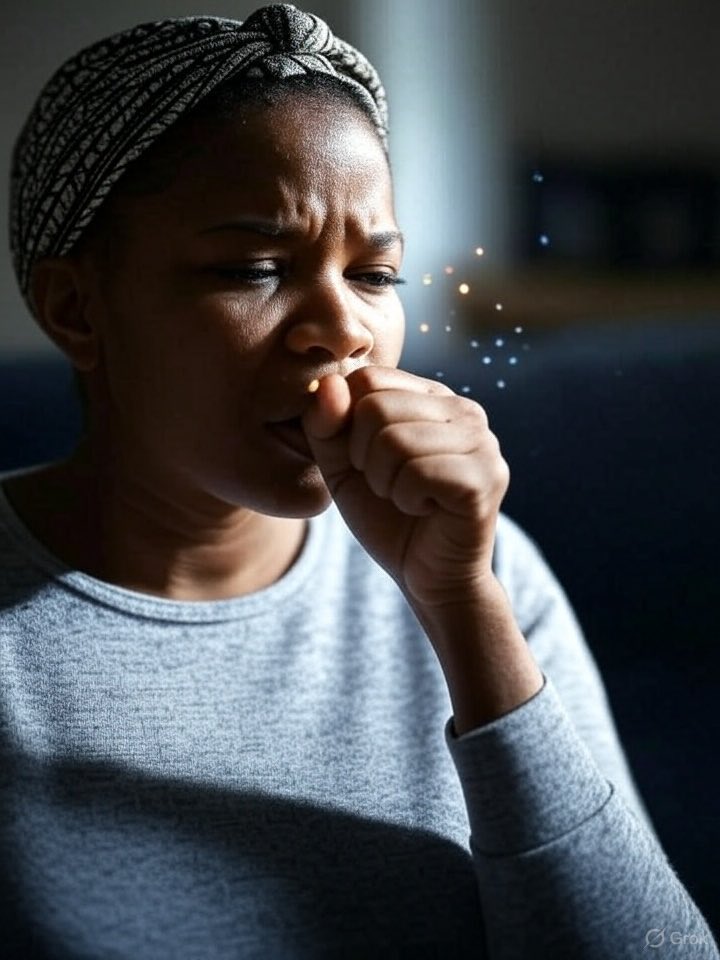
The Neurobiology of Coughing: Clinical, Physiological, and Pharmacological Implications of Suppression
Coughing is among the most common symptoms leading individuals to seek medical attention. Often perceived as a nuisance, its neurobiological foundation reveals it to be a sophisticated defensive reflex vital for airway protection. However, the widespread use of prescription and over—the—counter cough suppressants raises questions regarding the safety, efficacy, and appropriateness of inhibiting such a critical reflex. In today's article, we explore the intricate neurobiology of coughing, evaluate the physiological significance of the cough reflex, and critically analyze the suppression of its clinical and pharmacological implications.
Neurobiology of Coughing
Coughing is a complex somatic reflex orchestrated by the nervous system to clear the airways of irritants, mucus, or foreign particles. The reflex arc involves afferent sensory neurons, central processing centers, and efferent motor pathways.
Afferent Limb: The initiation of a cough begins with the stimulation of cough receptors, which are specialized mechanosensitive and chemosensitive vagal afferents located in the larynx, trachea, carina, and large bronchi. These afferents—particularly rapidly adapting receptors (RARs) and C-fibers—respond to mechanical stimuli (e.g., aspirated particles) and chemical irritants (e.g., capsaicin, acid, prostaglandins).
Central Processing: Signals travel via the vagus nerve to the medulla oblongata's nucleus tractus solitarius (NTS). The NTS integrates these inputs and relays them to central pattern generators in the medullary and pontine reticular formations, which coordinate the motor response.
Efferent Limb: The output signals descend via motor neurons to the diaphragm (via the phrenic nerve), intercostal muscles, and laryngeal muscles (via the recurrent laryngeal nerve). The typical cough consists of three phases: deep inspiration, glottal closure with increased intrathoracic pressure, and a forceful expiration as the glottis opens, expelling air at up to 500 miles per hour.
This robust neural coordination underscores cough as a vital airway-clearing mechanism, not merely a symptom.
Physiological and Clinical Implications of the Cough Reflex
Physiologically, coughing is essential for:
Clearing mucus and debris from the lower airways.
Protecting the lungs from aspiration, particularly in individuals with swallowing dysfunction.
Preventing infections by expelling pathogens and inflammatory mediators.
Clinically, chronic cough (lasting >8 weeks) may indicate underlying pathology—e.g., asthma, gastroesophageal reflux disease (GERD), or postnasal drip syndrome—while acute cough often accompanies viral upper respiratory tract infections (URTIs).
Cough may also be iatrogenic (e.g., ACE inhibitor-induced) or psychogenic (habit cough), requiring nuanced evaluation.
Pharmacology of Cough Suppression
Cough suppression targets either central or peripheral components of the reflex arc.
Centrally Acting Antitussives:
Opioids (e.g., codeine, hydrocodone): Suppress cough by binding to μ-opioid receptors in the medullary cough center, but carry risks of sedation, respiratory depression, constipation, and addiction.
Dextromethorphan: A non-opioid NMDA receptor antagonist; widely used but often ineffective in children and prone to abuse in large doses.
Peripherally Acting Agents:
Benzonatate: Anesthetizes stretch receptors in the respiratory tract, but evidence for efficacy is inconsistent.
Demulcents (e.g., honey, glycerin): Soothing effects, especially in URTIs.
Emerging Targets:
P2X3 antagonists: Show promise in chronic refractory cough by modulating sensory neuron excitability.
TRPV1/TRPA1 antagonists: Investigated for targeting chemosensitive pathways implicated in chronic cough hypersensitivity.
Is it scientifically correct to suppress a cough?
…..
Is It Scientifically Correct to Suppress a Cough?
The answer is conditional.
Arguments for Suppression
When cough is non-productive, distressing, or causes complications (e.g., insomnia, rib fractures, urinary incontinence).
In terminal illness, cough compromises comfort and quality of life.
In psychogenic cough or habit cough syndrome, the reflex is maladaptive rather than protective.
Arguments Against Suppression
Infection and Airway Clearance: Suppressing cough in productive conditions (e.g., pneumonia, bronchiectasis) may hinder mucus clearance, worsen infection, or delay recovery.
Diagnostic Masking: Prematurely suppressing cough can obscure diagnostic clues and delay the recognition of severe conditions such as lung cancer or tuberculosis.
Adverse Drug Effects: Especially in children, where antitussives are not only ineffective but potentially harmful, prompting the FDA and WHO to advise against their use in those under 6 years.
Hence, cough suppression is scientifically justifiable only in select clinical scenarios, emphasizing the importance of identifying the underlying cause and treating that first.
The Cough Reflex in Contemporary Research
A growing body of literature recognizes a subset of patients with chronic cough hypersensitivity syndrome (CHS), characterized by heightened sensitivity of airway nerves, analogous to neuropathic pain. This paradigm has shifted cough management towards neuromodulation, utilizing drugs like gabapentin or amitriptyline, with some success.
Concurrently, research into the microbiome–airway–neural axis and neuroinflammatory mechanisms holds promise for more targeted interventions.
Conclusion
While often perceived as trivial, the cough reflex is a neurophysiologically rich, evolutionarily preserved defense mechanism essential for pulmonary health. Suppressing cough without understanding its etiology can be counterproductive and dangerous. While pharmacological suppression has its place—particularly in chronic, non-productive, or neuropathic cough cases—routine use in acute infections or pediatric populations lacks scientific justification. Clinicians must balance symptom relief with preserving this vital reflex, guided by a nuanced understanding of cough neurobiology, etiology, and individual patient context.
Today, I officially graduated with a Master of Public Health with Distinction from Imperial College London.
Humbled and grateful!
@imperialcollege@ImperialSPH
Thank you, Sir. I’m truly delighted to see that what we once envisioned continues to grow even more rapidly, under the passionate leadership of our brilliant students @Makerere_Medics & the unwavering support of College leadership.
I wish I could be there in person @MakerereCHS
In 2013, I was the my 2nd Year Medical School and also became Publicity Secretary of Makerere University Medical Student association @Makerere_Medics. That is when we founded this Club. We used to have our Mini round with Surgery Society and Medicine Society in Galloway Complex.
and the Ddimo and Malembo landing sites, to engage with the communities we serve.
We’re excited to welcome some of the students for their internships, where they will contribute to ongoing projects and studies across RHSP.
Unfortunately, Mzee Damiano breathed his last yesterday evening! When I checked on him on Easter, he wasn’t good, but we hoped for better. He finally succumbed to septic shock. All within the means was done to save his life but it’s sad that we lost him. By the time he was brought to hospital, the damage had been severe, especially due to inappropriate/absent care at home. I’m only consoled that he experienced love in his final days and had a dignified death with less pain, surrounded by caring nurses, doctors and some family. Thank you all contributors and care givers for making that possible for a total stranger. At least we tried. He didn’t even use a quarter of the medical stuff that had been procured for him. May he go well.
I will provide the full accountability of the funds later today when I receive the particulars from Padre Pio Hospital. Thank you!
UPDATE: Ugandan doctor Mulungi Jonathan hailed as a hero after saving two lives mid-flight to Brussels. He successfully resuscitated two unconscious passengers, earning praise for his quick action & medical expertise. #UBCNEWS
📸 Courtesy.