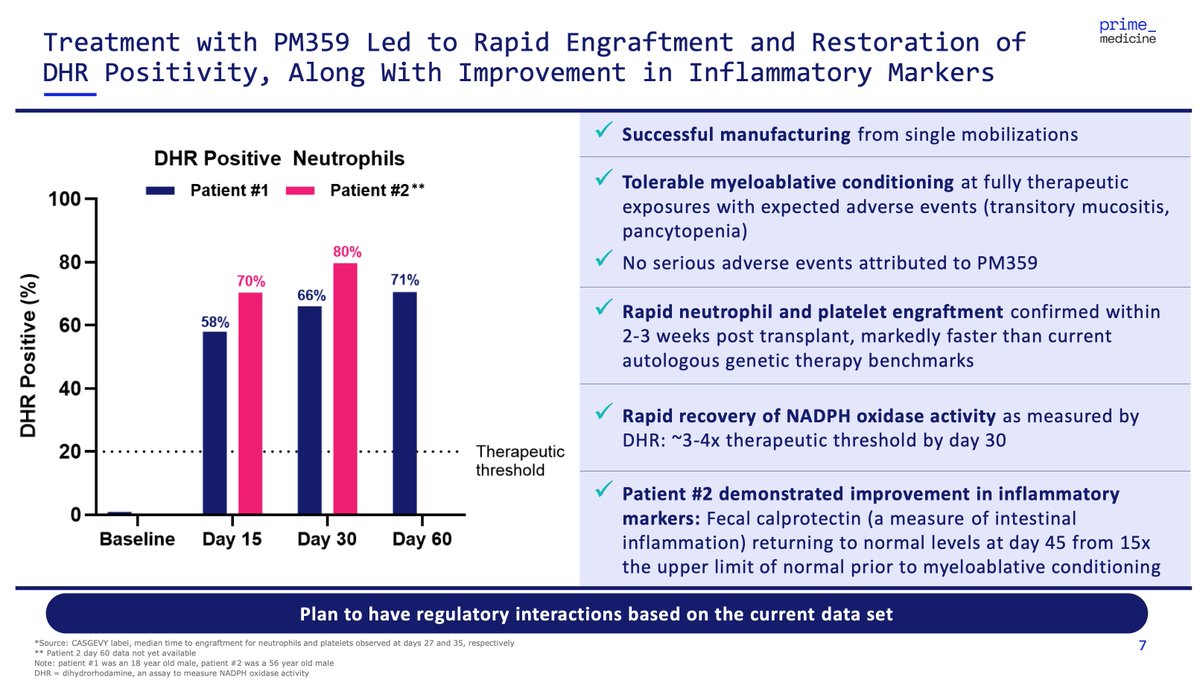
Data from the second human treated with a prime edited medicine: a 56-year-old male with chronic granulotamous disease (CGD) had his bone marrow prime edited to insert the missing GT in NCF1, restoring NADPH oxidase function in neutrophils (DHR positivity) several fold beyond the therapeutic threshold. His intestinal inflammation is now normal, and his prime-edited HSCs rapidly engrafted with 15 days post-transplant, consistent with well-tolerated editing.
Each new therapeutic technology is dependent on brave patients willing to be among the first humans to receive a new type of treatment. For prime editing, that's this patient, and an 18-year old who also responded in a similarly encouraging manner.
Patient #2 sent our lab a kind message, noting that helping other patients with rare diseases was deeply meaningful to him.
Data from @PrimeMedicine.
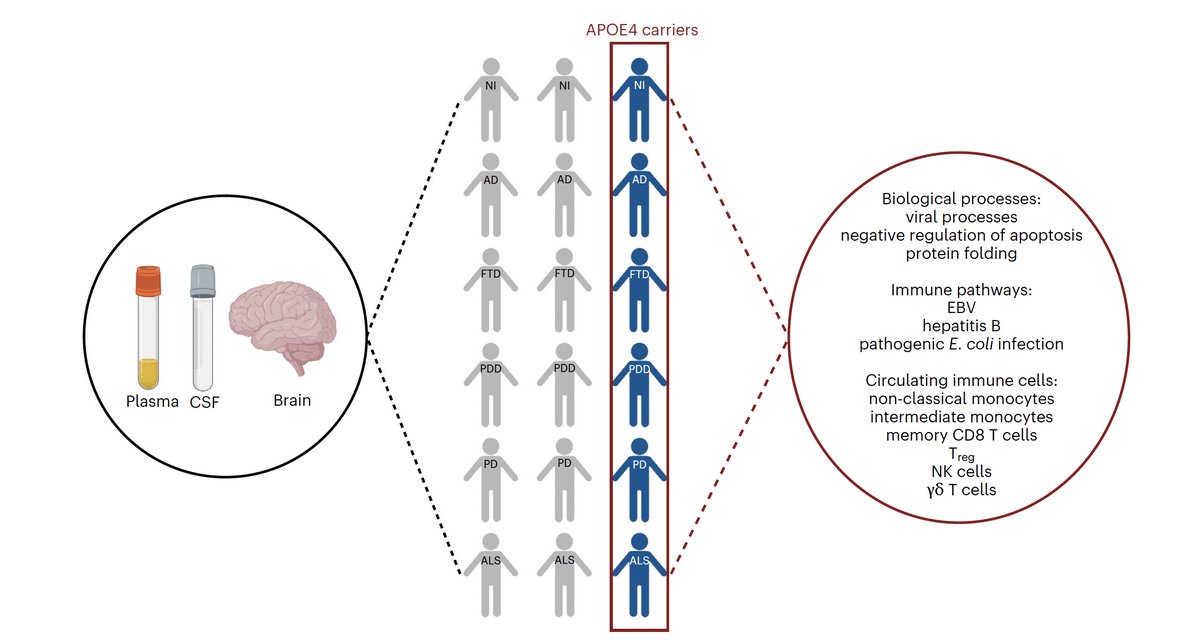
New, important insights for neurodegenerative diseases by high-throughput proteomics today #GNPC
1. APOε4 carriers have a distinct pro-inflammatory immune proteomic signature of dysregulation in the brain and blood
@NatureMedicine
https://t.co/jTCXD7s85F
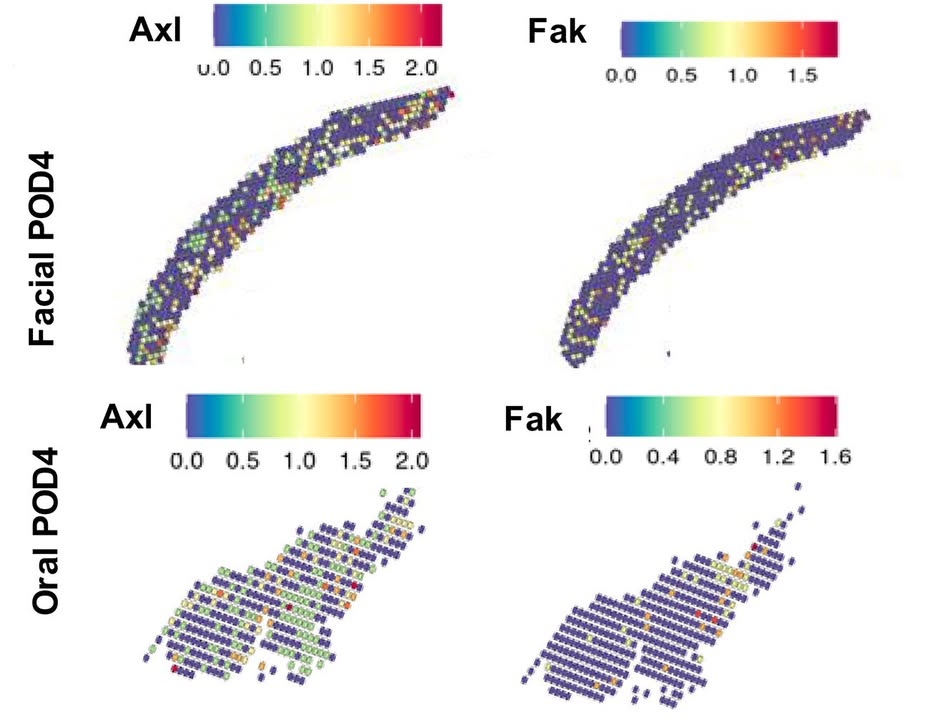
Why do wounds in the mouth heal without scars?
New work in @ScienceTM shows that oral fibroblasts suppress fibrosis through the proteins AXL and GAS6, and finds stimulating AXL recapitulates these benefits in facial skin wounds in mice. https://t.co/2OtKcEGhQg
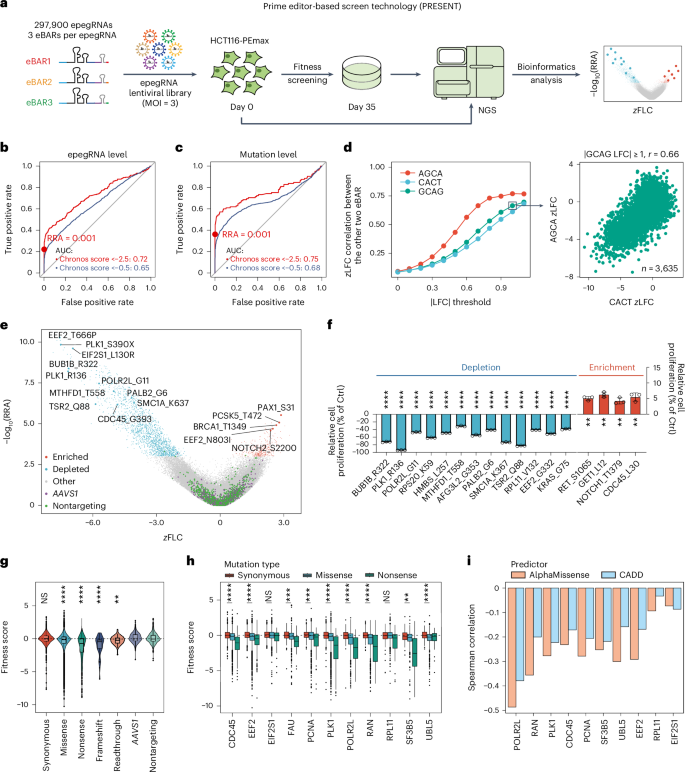
A CRISPR/Cas9 screen reveals proteins at the endosome-Golgi interface that modulate cellular anti-sense oligonucleotide activity | Nature Communications https://t.co/bSdOtiljJ8
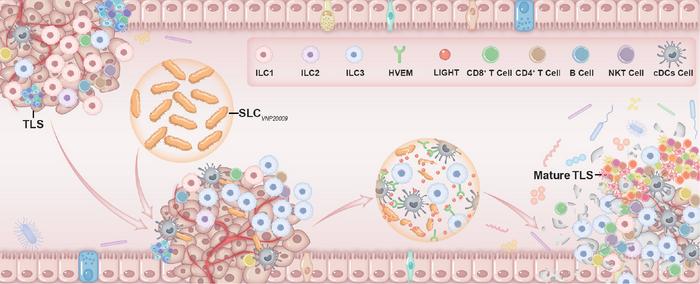
Leveraging synthetic biology techniques, researchers have engineered a strain of Salmonella that can stimulate mature tertiary lymphoid structures to augment antitumor immunity and shrink colorectal cancer tumors in mice.
Learn more in @ScienceTM: https://t.co/HhaNBtB4Fn
Super excited about our recent paper describing a high throughput screen for functional variants in the context of APDS. Rare disease ain’t always that rare! Great collaboration with Ben Izar and Dusan Bogunovic!
https://t.co/dDk3bttJLS
Just published @ScienceMagazine
Engineering T cells within the body, a big step forward for treating cancer and autoimmune diseases, as demonstrated in animal models
https://t.co/AGt4Bxhw9e
https://t.co/a0qjSdmEAX
CD8-targeted lipid nanoparticles carrying anti-CD19 CAR mRNA were developed to generate CAR-T cells directly in vivo, demonstrating effective B cell depletion for potential treatment of B cell malignancies and autoimmune diseases. https://t.co/7wq1PmXQqo #NBThighlight
Leonard Rome’s lab discovered an odd, abundant component of cells in the 1980s—and he’s still trying to figure out what it does.
Learn more in this @NewsfromScience feature: https://t.co/WxgEIwacBa #ScienceMagArchives
The approved drug methotrexate can potentiate antitumor immune activity and shows signs of boosting the efficacy of checkpoint blockade immunotherapy in patients with solid tumors, according to a preliminary clinical trial.
Learn more in @ScienceTM: https://t.co/FHNzhxuTsA
Protein expression is still a bottleneck for synthetic biology. Our review in @TrendsinBiotech maps what’s been engineered, and what’s still missing. Predictable expression is key to scaling bio.
Thanks to our collaborators; excited to see this reach a wider audience!
🔗 https://t.co/pydIrNGLCi
#synbio #biotech