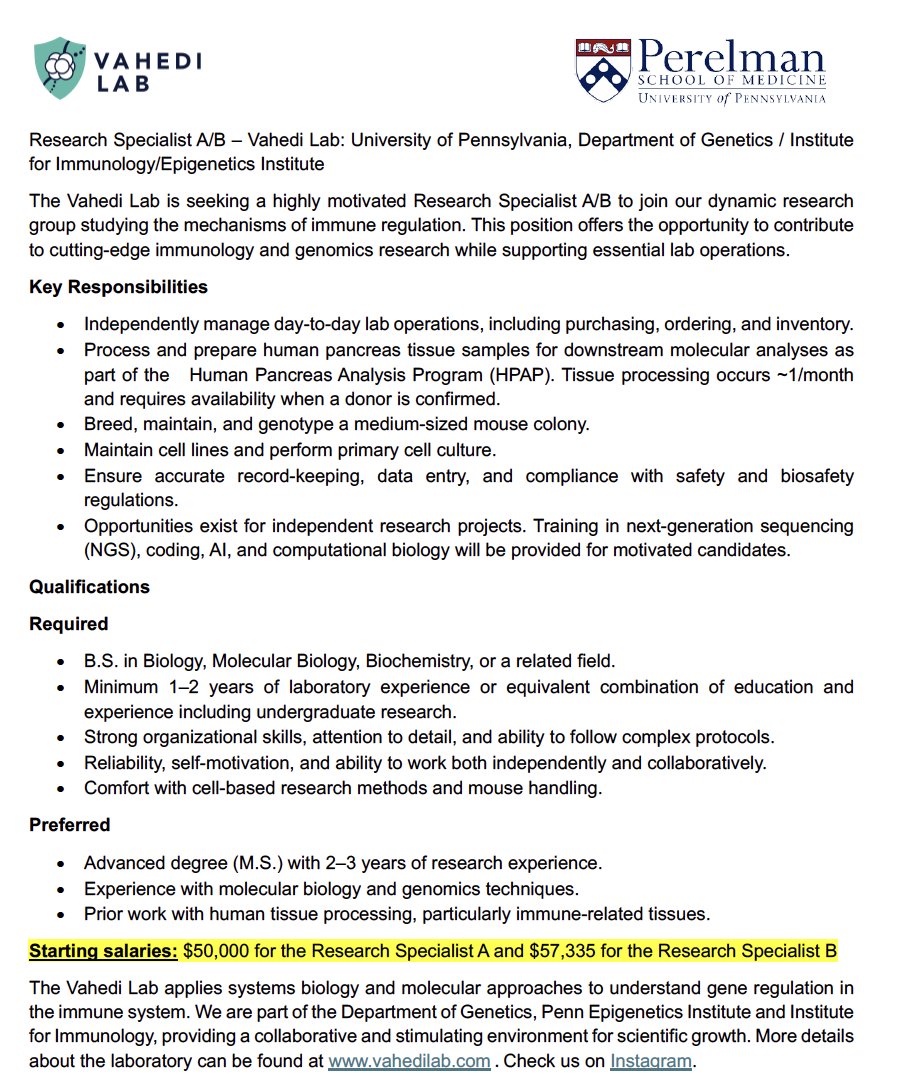
Didn’t get the grad school interview you wanted yet? Turn this year into a launchpad. The Vahedi Lab @Penn is hiring a Research Specialist A/B — ideal for undergrads & recent grads aiming for PhD/MD-PhD programs.🧬 Immunology + genomics. Apply here: https://t.co/UwqT3zpkvH
Three new manuscripts from Faryabi and Vahedi labs on chromatin folding, ORCA, oncogene regulation and T1D immunology. Individually great, collectively unstoppable. @golnaz_v@bfariabi@atishay_jay@PennEpiInst
https://t.co/YlJ2ICmzn9
https://t.co/87krVFvJUr
https://t.co/9LAKQFzgxn
Attention T cell biologists!
New required reading from the one and only @golnaz_v on how the epigenome directs T cell fate and function.
https://t.co/CxEdT9qRY5
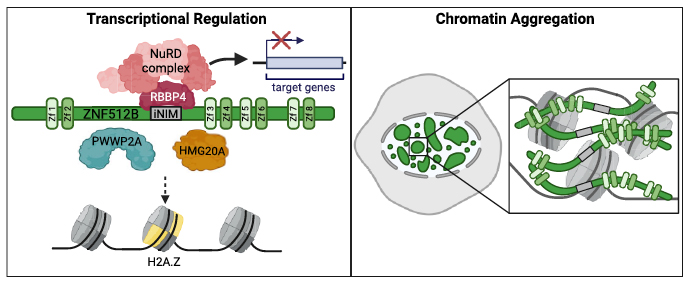
Excited to share our study on ZNF512B's role in binding NuRD, acting as a repressor, and facilitating DNA aggregation is now published in @NAR_Open!
Big thanks to our amazing collaborators @OlallaLab, @JoelPMackay, Marek Bartkuhn, & Falk Butter!
https://t.co/xCR08iKkrc
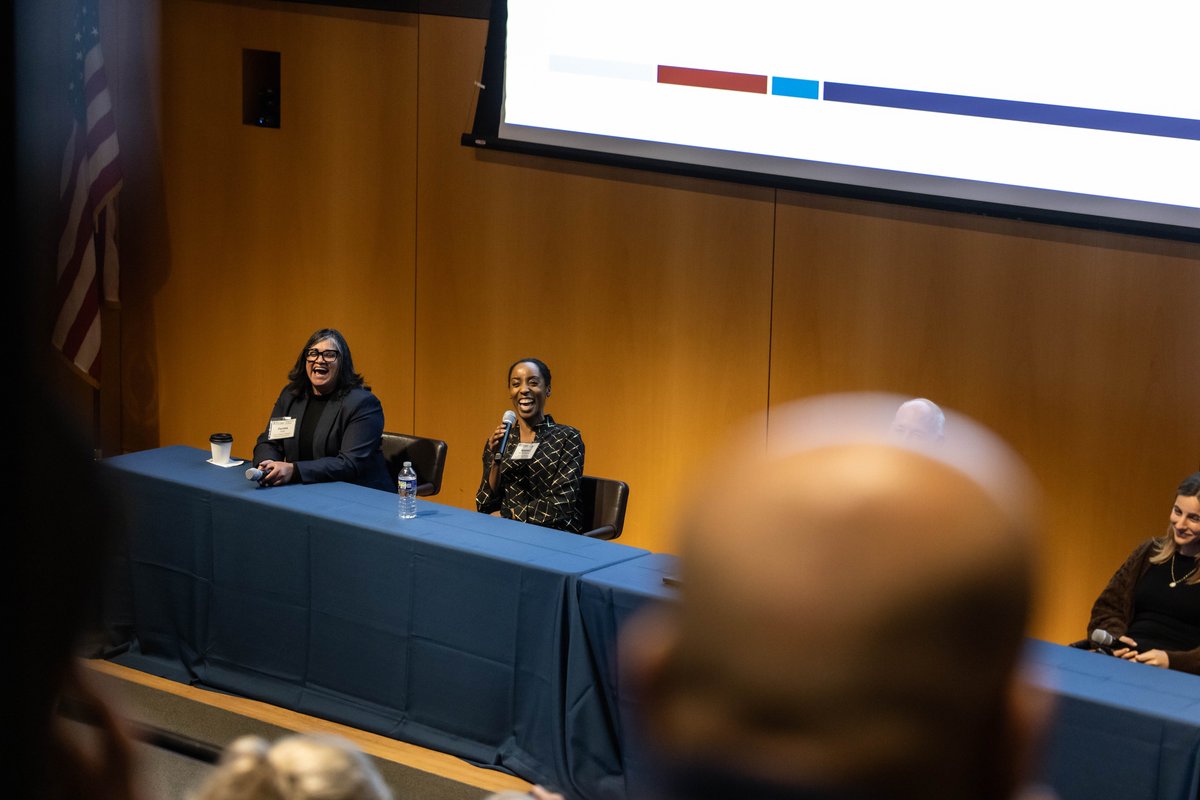
Thank you to everyone who attended the 2024 Epigenetics Institute Symposium, and especially to our stellar keynote speakers, engaging panelists, and inspiring rising stars whose talks made the day one to remember!
Preprint alert! Our latest research dives into the intricacies of transcriptional specificity in the Notch signal transduction pathway. Discover how dynamic RBPJ binding sites play a key role, influencing gene responsiveness across cell types.
Thrilled to share our work published today in @NatureCancer! Eternally grateful to @Andreas73629100, @J_RodriguezVita, the rest of the Fischer lab (past and present) and all collaborators for help bringing this work to the finish line.
https://t.co/dvipcGkgxT
Preprint alert! Thrilled that Tim Wunderlichs amazing story about ZNF512B as direct NuRD complex interactor and chromatin aggregator is now online. Many thanks to all co-authors (e.g. @lenapsch, @tfried_bioinfo, @f_diegmueller, @olallalab, @joelpmackay)!
Tips for designing figures for your manuscript! #sciart
1) Keep it simple: The figure should clearly and concisely convey the information you are trying to present. Avoid clutter and unnecessary detail that can distract from the main message.
2) Use appropriate software: Choose software that is suitable for your type of figure. For example, use vector graphics software like Adobe Illustrator for creating diagrams and line drawings, and use graphing software like Excel or Origin for creating graphs.
3) Label everything: Ensure that all labels, axes, and other text are clear and easy to read. Use a font size that is appropriate for the size of the figure, and avoid using too many colors or fonts that are difficult to read.
4) Choose appropriate colors: Use colors that are easy on the eyes and that are easily distinguishable from each other. Consider color-blindness and choose colors that are accessible to all readers.
5) Use high-quality images: Use high-quality images with a high resolution. This will ensure that the details of the image are clear and crisp.
6) Get feedback: Share your figures with colleagues and ask for feedback. This can help identify potential issues or areas for improvement that you may have missed.
7) Follow journal guidelines: Follow the guidelines of the journal you are submitting to regarding figure format, size, and resolution. This will ensure that your figures are presented in the best possible way and meet the requirements of the journal.
8) Keep a record of your figures: Keep a record of all the figures you create, including any changes you make during the editing process. This will help you keep track of the different versions of your figures and ensure that you use the correct version when submitting your manuscript.
9) Be consistent: Ensure that all figures are consistent in terms of style, font, and size. This will help to create a cohesive and professional-looking manuscript.
Our latest paper has been published in collaboration with @JanekBoerner, and we're excited to reveal our latest discoveries on how Ribonuclease E affects the ability of bacteria to adapt to varying growth conditions. #microbiology#bacteria
https://t.co/XyI7w8m9ys
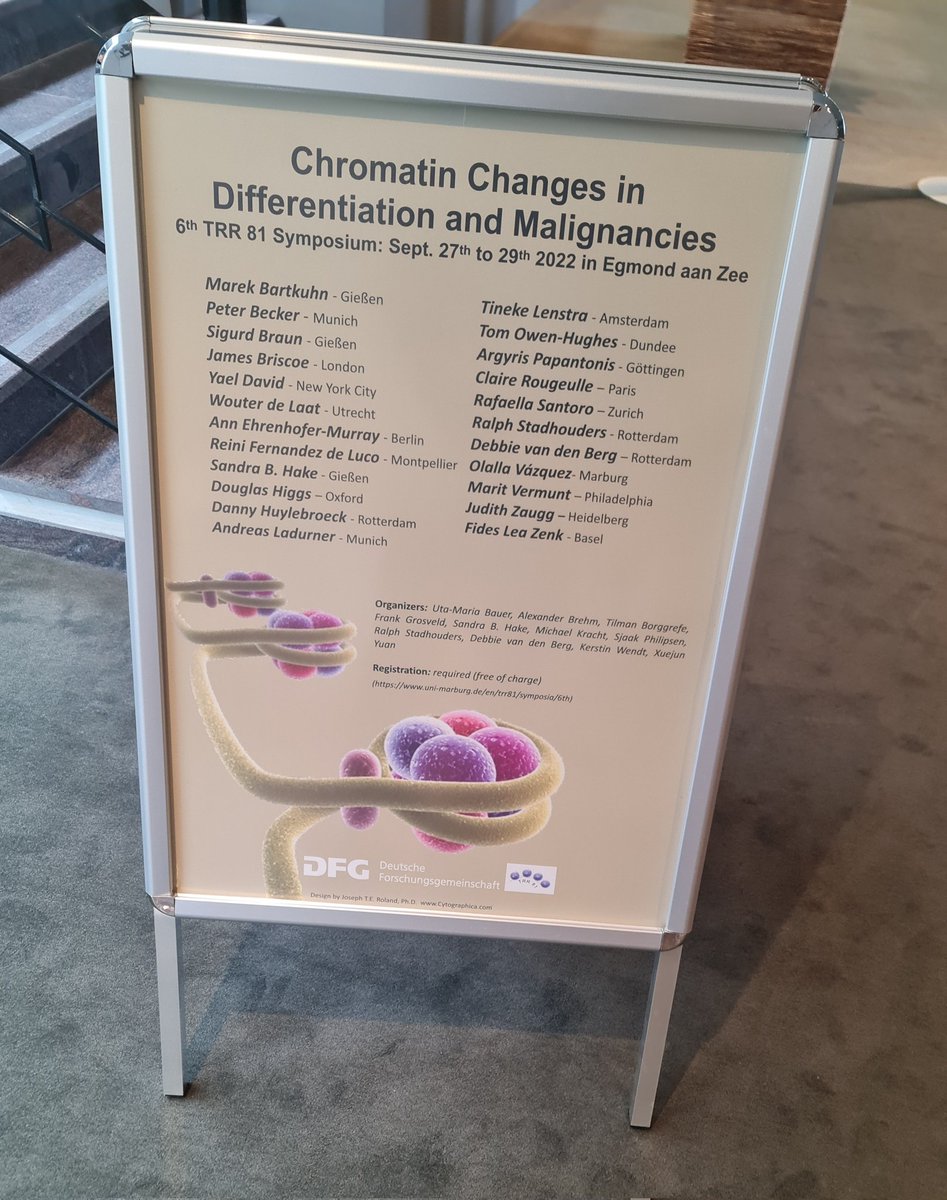
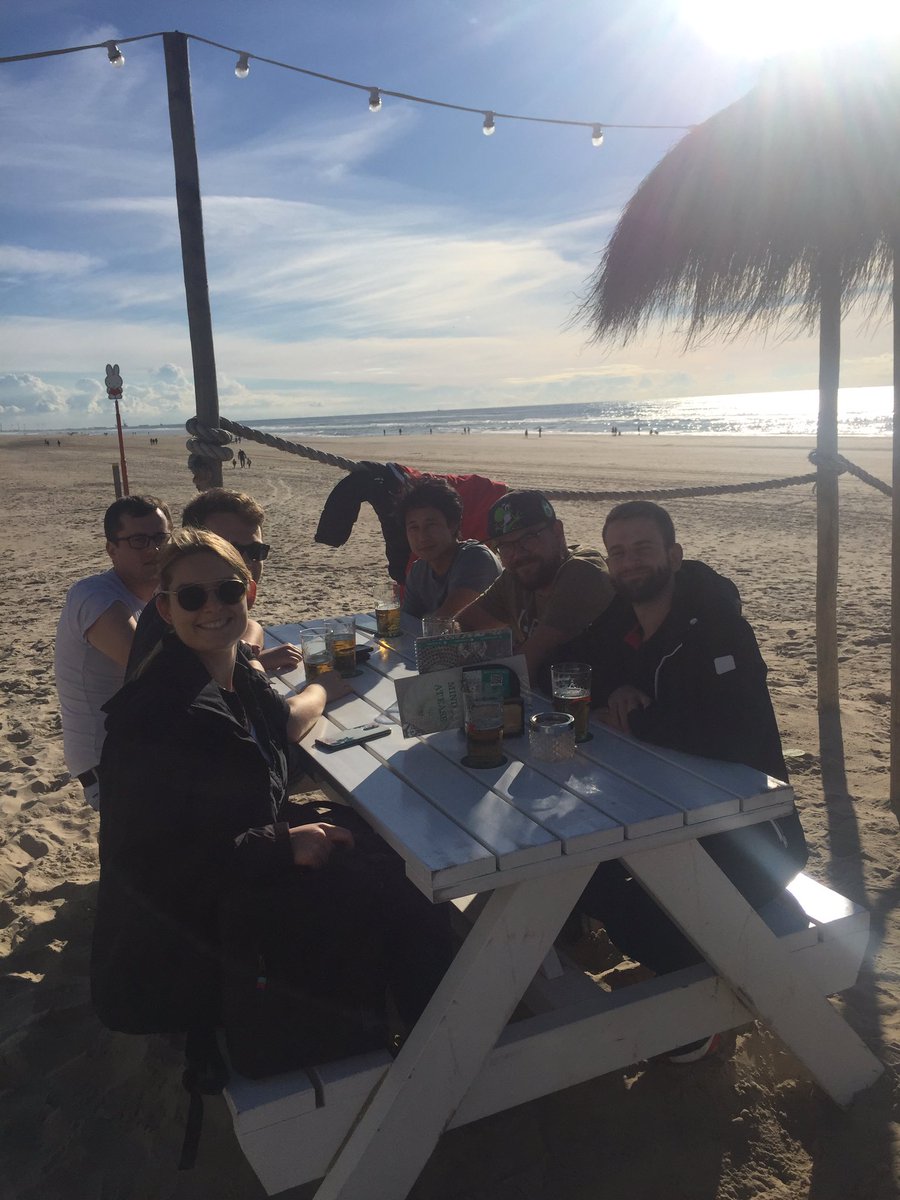
I had a great time in Egmond aan Zee at the 6th #TRR81symposium. Thanks to all the speakers for the great and interesting presentations and to all the organizers involved for such a nice conference. #Chromatin
A sad moment: the end of the last #trr81symposium. Many thanks to Alexander Brehm for the excellent coordination over the last years! We say goodbye at the beach...
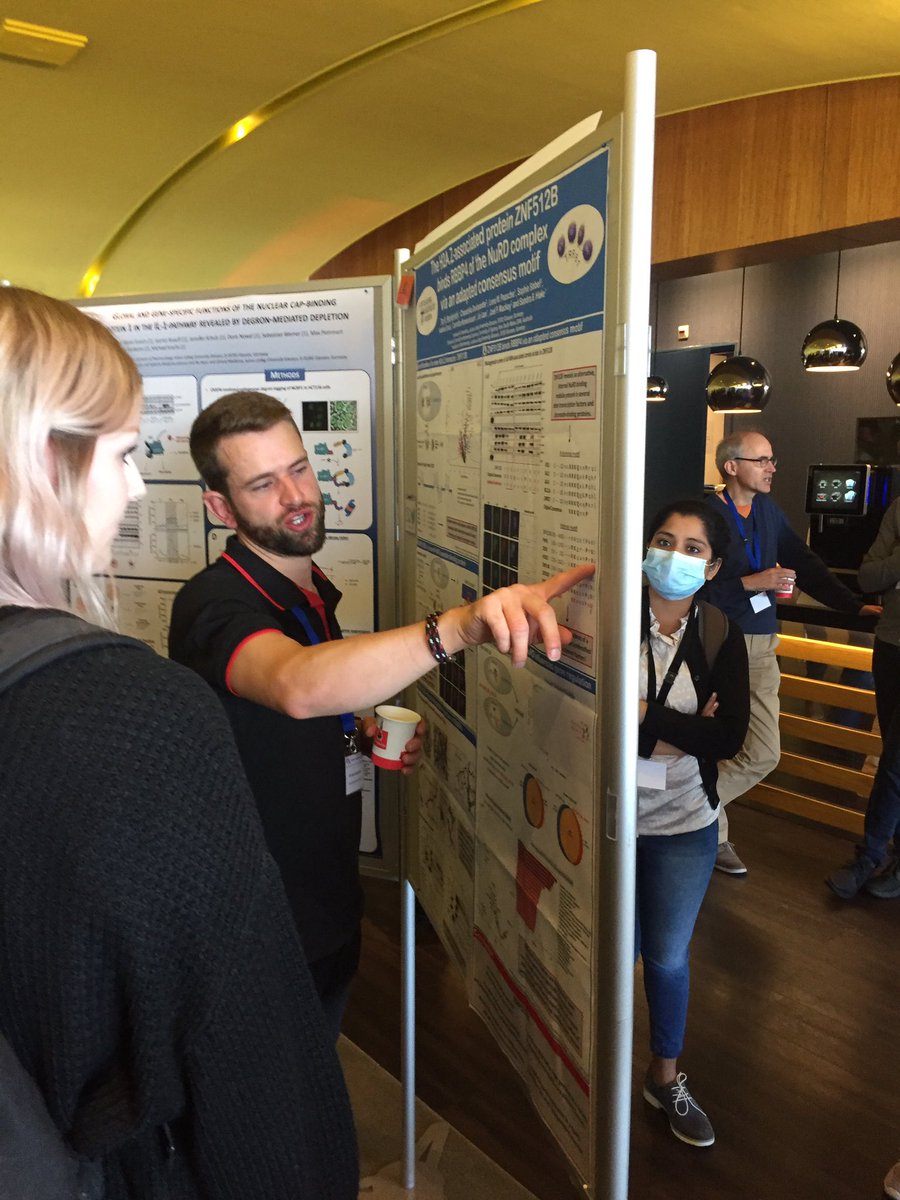
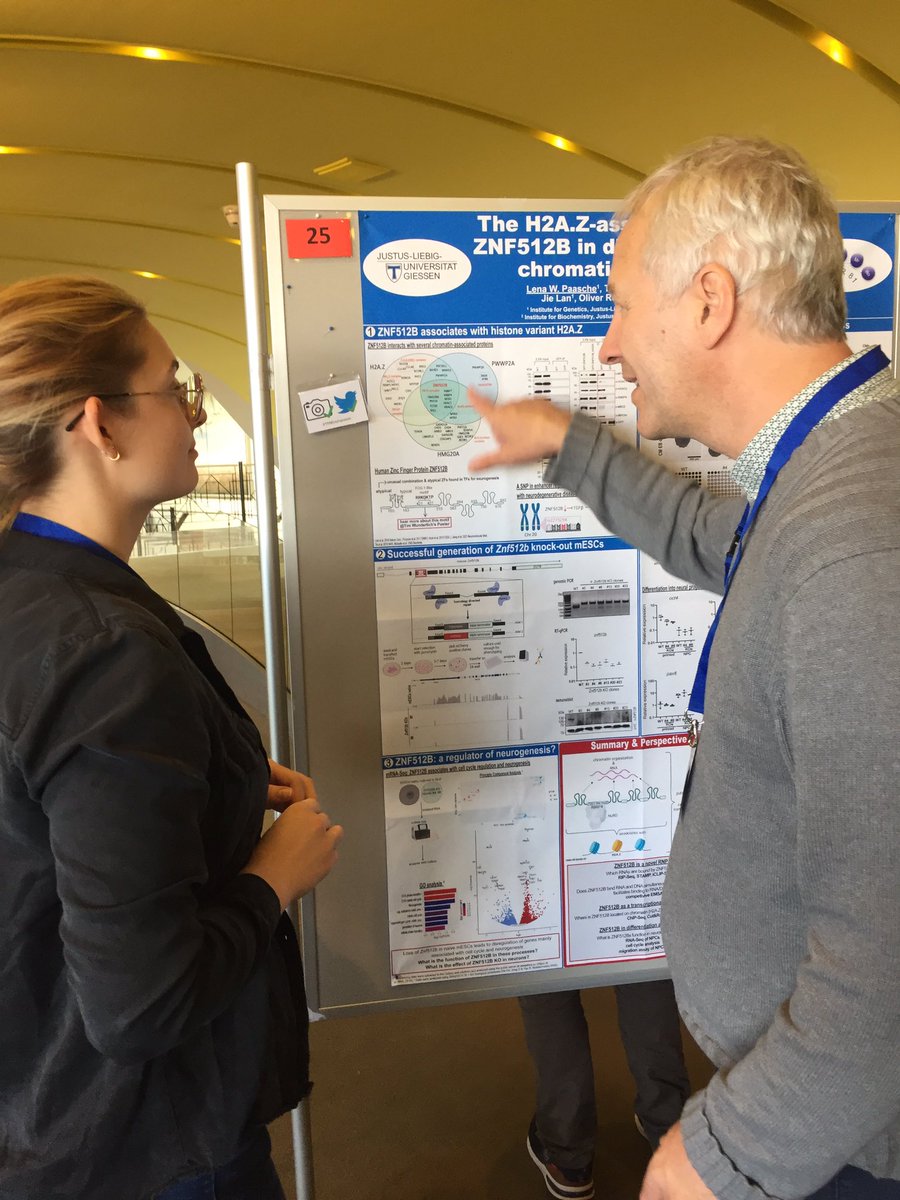
Inspiring discussions and great presentations of our team members @lenapsch, @AndyK4me3 and @TimMWunderlich during the poster sessions at the #TRR81symposium.
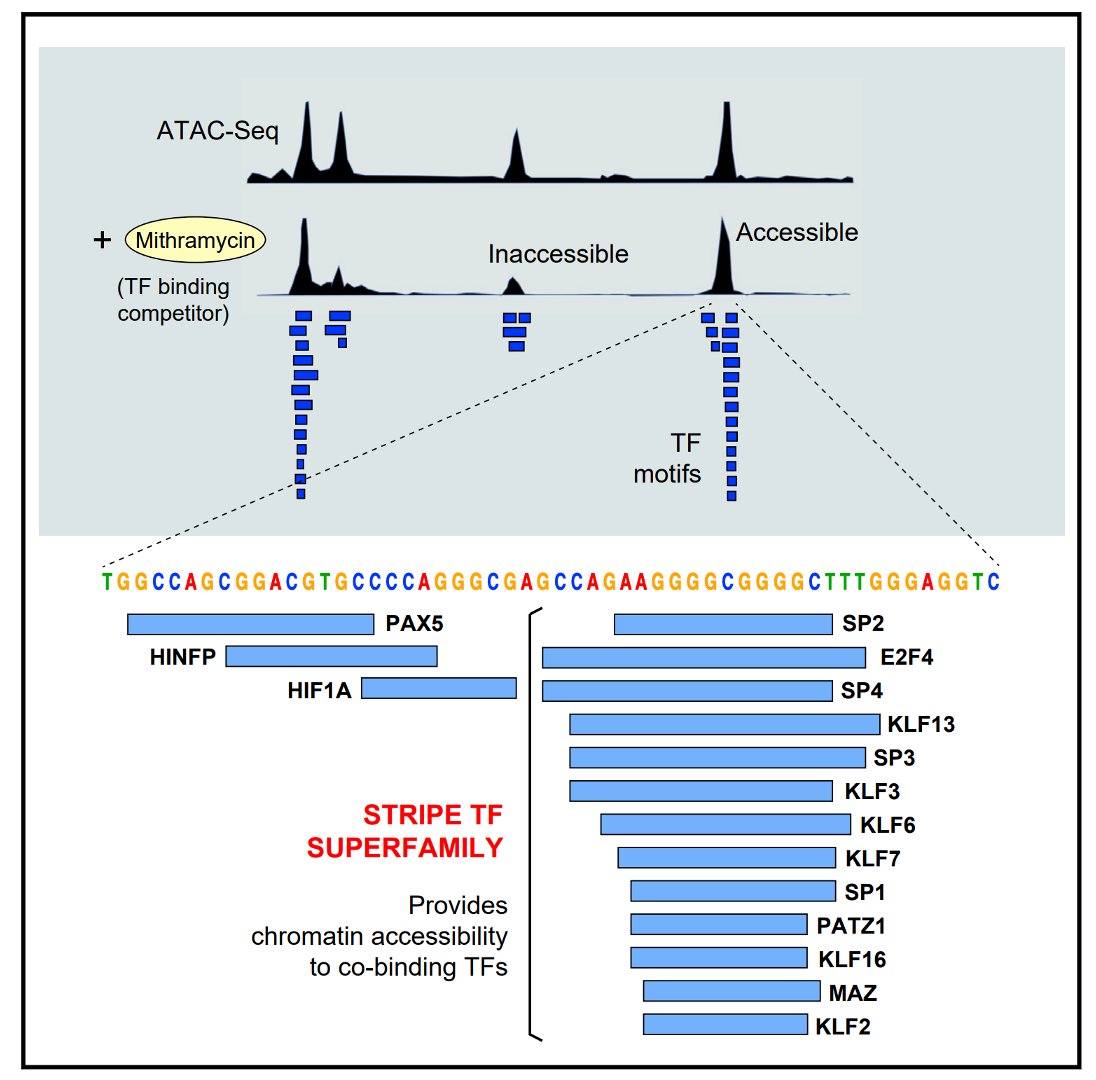
Ever wonder how Transcription Factors work as a team?
Thrilled to share our latest work on TF cooperativity now online @MolecularCell
“Stripe” TFs provide accessibility to regulatory DNA in mammalian genomes
https://t.co/xjoY5CBblc
What are stripe TFs, you ask?
🧵👇
1/13