Market Structure, PETs, "Decentralised Digital Security," and much much more. The May newsletter is out now. Read and sign up here:
https://t.co/JpBNEKJK2x
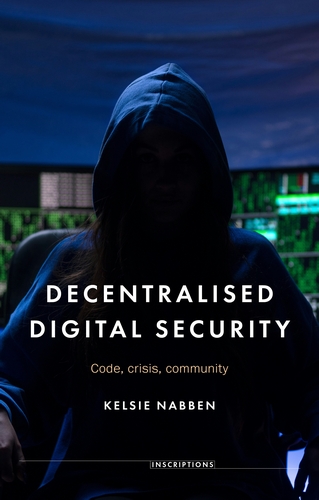
We are thrilled to announce the release of DRC Fellow @kelsiemvn's new book, "Decentralised Digital Security: Code, Crisis, Community," now available open access and hardcover from Manchester University Press.
It's essential reading for understanding blockchain governance, digital security, and the evolving architecture of digital trust.
https://t.co/6wzQga14I0
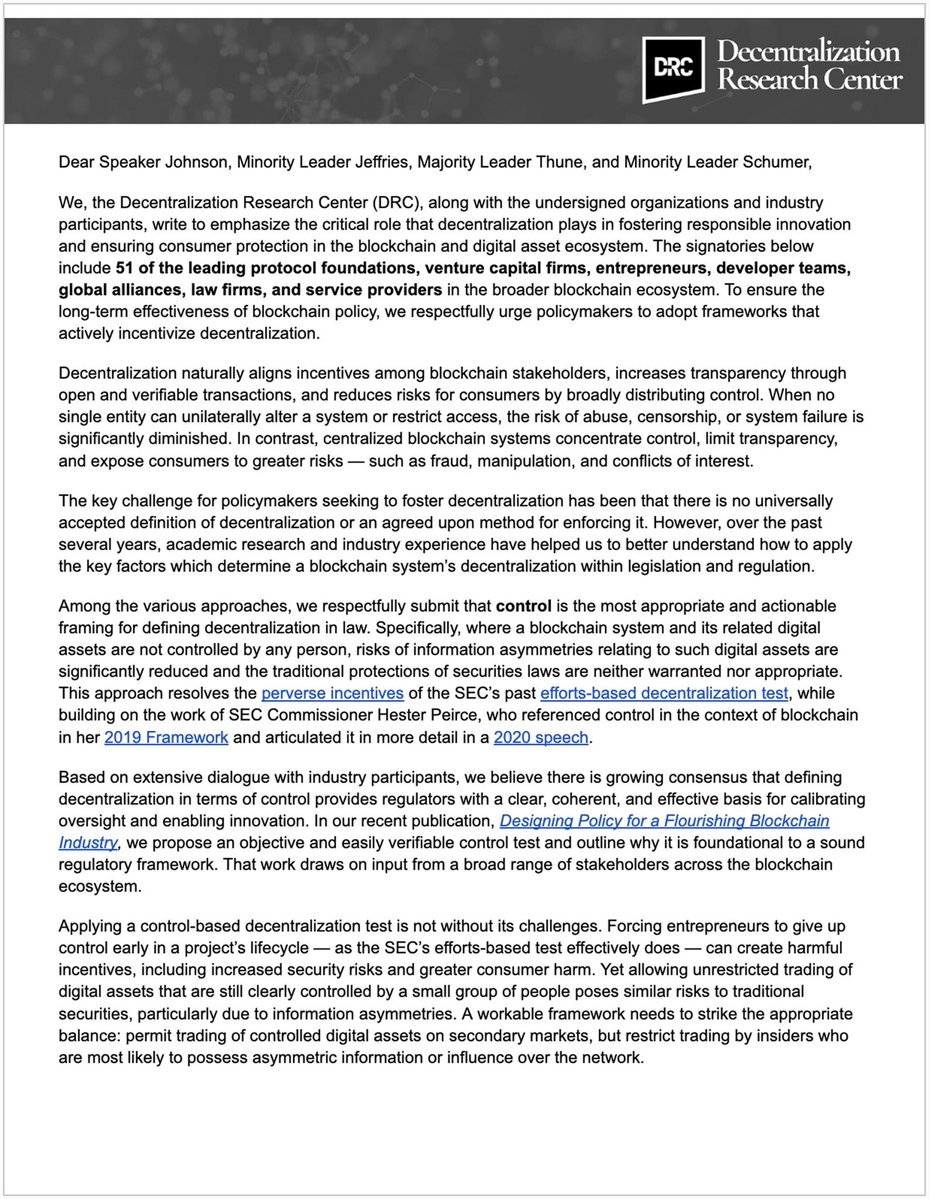
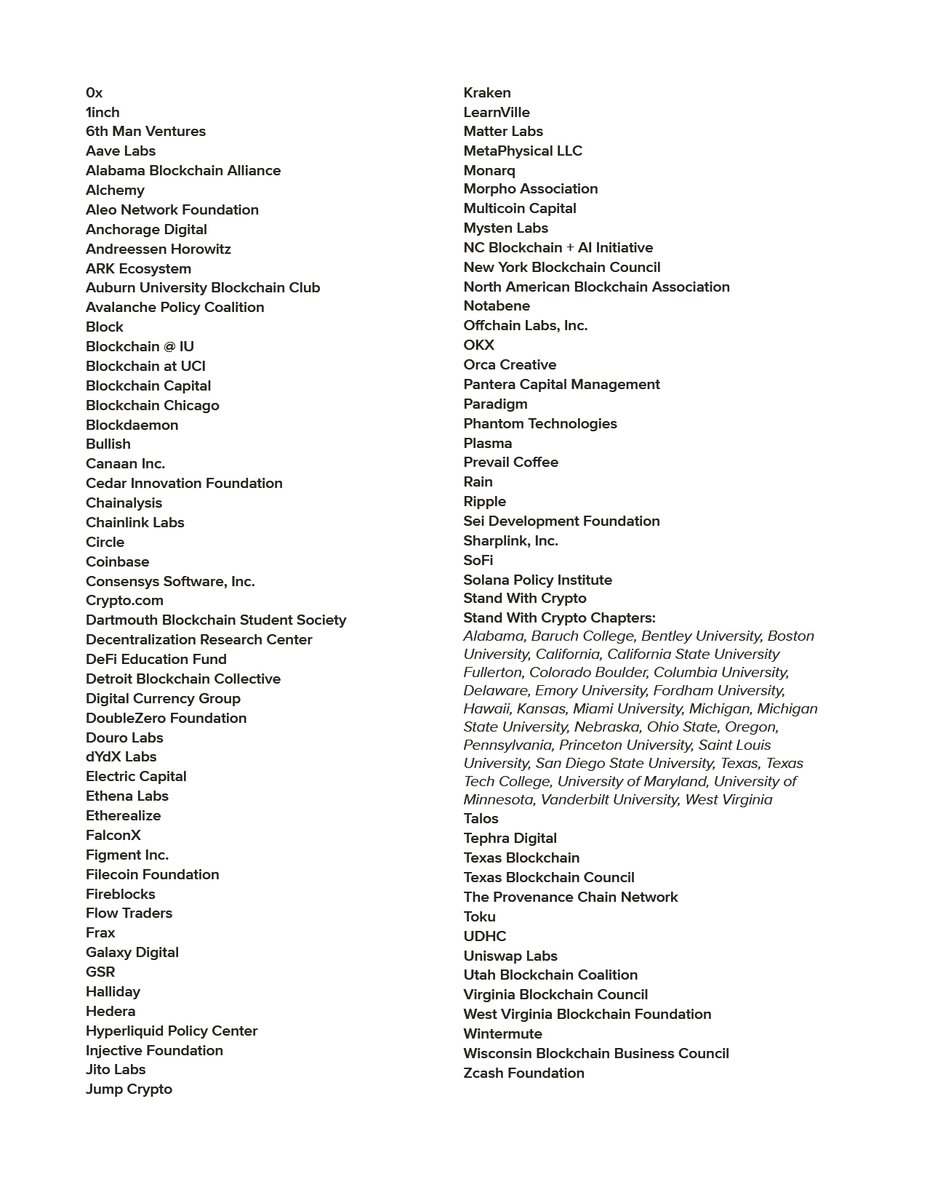
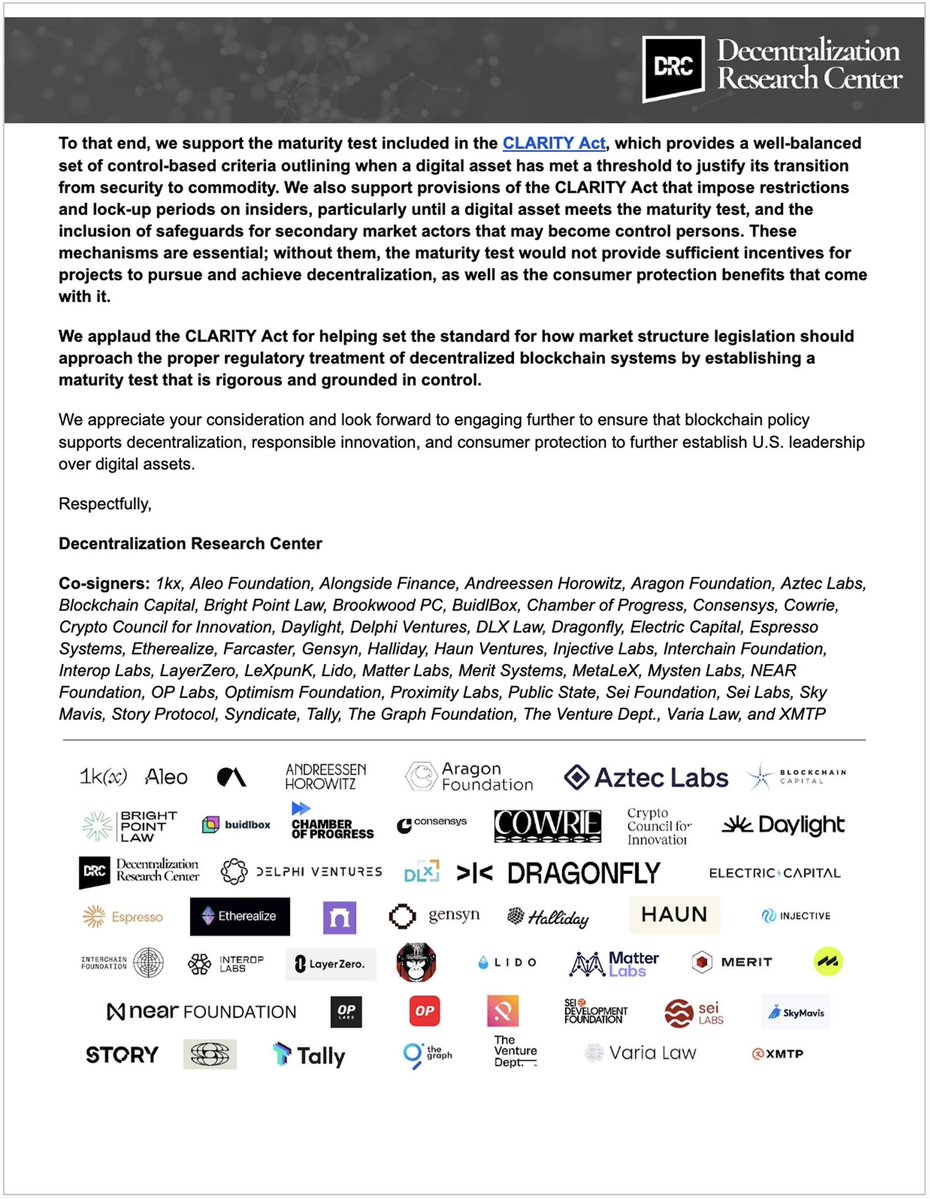
This is a critical moment for digital asset policy. We’re proud to support a coalition effort urging the Senate to move forward on market structure legislation. @BlockchainAssn@crypto_council
1/ Today, @BlockchainAssn and @crypto_council, joined by a broad coalition of more than 120 organizations from across the digital asset ecosystem, urged the Senate Banking Committee to move forward with a markup on market structure legislation.
Years of bipartisan work have brought Congress to an important moment. The U.S. needs clear, durable rules that protect consumers, provide certainty, and reinforce American leadership in digital asset innovation.
This month's newsletter is out, with updates on the EY Global Blockchain Summit, Stablecoin Privacy Summit, and this month's blog post looking at the three DRC grant proposals we're funding.
https://t.co/M8c182j1U5
Last week, @TheDRC_ hosted Policy Day at @EYnews 10th Annual Global Blockchain Summit, and the takeaway was clear: digital asset policy is entering a consequential phase.
The conversation is no longer about whether digital assets are here to stay. It’s about whether policymakers and regulators can deliver rules that provide clarity, support innovation, and preserve the core benefits of decentralized technologies.
Grateful to join @_jikim, @Advocate4Web3, and @SH_Brennan to discuss the latest on the CLARITY Act and what meaningful market structure legislation could unlock.
We also heard strong insights from @syelderman and @fundstrat on institutional adoption, @MarinaMarkezic on EU regulatory developments, and @dao_officer and @kkirkbos on the barriers facing L2s and their critical role in the ecosystem.
I was especially glad to host Taylor Lindman for his first public engagement since becoming Chief Counsel of the @SECGov's Crypto Task Force, where we discussed the SEC’s new interpretive guidance and regulatory agenda.
DRC is proud to announce the first recipients for its inaugural grants round. We were thrilled with the number and high quality of applications and would like to thank everyone who took the time to share their work with us. We ourselves rely on funding and know how vital grants can be. We hope to be able to continue our support of thinkers and builders in our field and invite all who did not receive a grant this time to apply in future rounds.
The recipients for the first DRC Grant are:
@kelsiemvn, @zeroshadow_io, and @isaacpatka for their work on the legally ambiguous “grey zone” of protocol freezes during security crises.
Anita Srinivasan and Daniel Chu for their legal analysis across the US, EU, and India demonstrating that existing law already functionally mandates verifiable, decentralized identity for AI agents.
@helena__rong and @felix_beer for their work on protocol design as institutional design, introducing appropriate and sophisticated alternatives that preserve decentralization design principles as an alternative to blunt regulatory approaches.
We look forward to working with you over the coming months and congratulations!
The March newsletter is out, with details on the recipients of the inaugural DRC grants round, info on our event at the EY Global Blockchain Summit, and John Beezer's take on platform power, government overreach and agentic AI.
https://t.co/qvY9ndqfPT
Governments are starting to leverage the platform dynamics that enabled the dominance of today’s digital platforms, dynamics that are inherently anti-democratic.
In the latest piece on @TheDRC_ blog, former Senate Commerce Committee advisor John Beezer makes the case that agentic AI can enable decentralized government platforms that empower citizens instead of controlling them.
The architecture we choose now will shape democracy for decades.
Read the full post here:
https://t.co/l5kv1h2qA4
The DRC Grant application period ends on Sunday!!!
Here's a blog post on our motivation for starting this program (and some tips for those of you applying)👇
https://t.co/mZwFrkAUSI
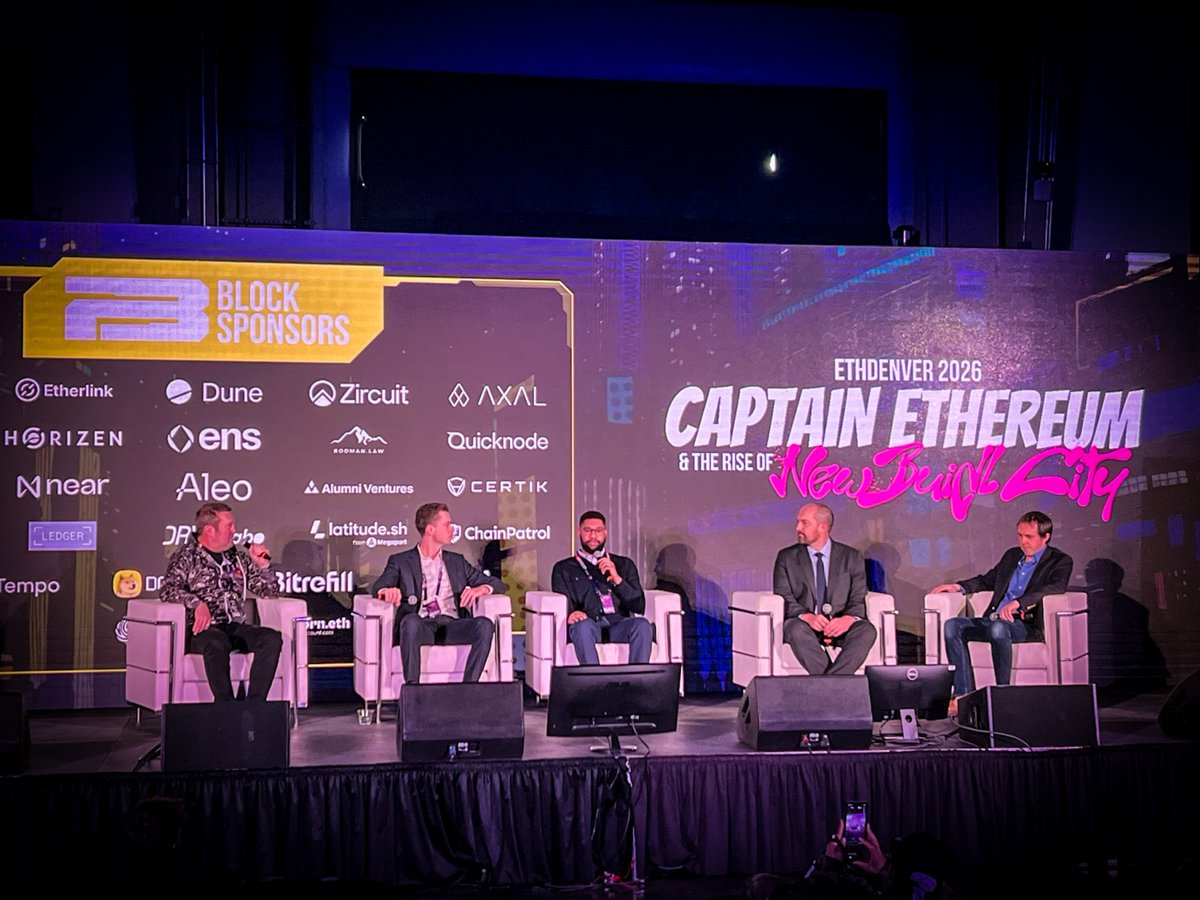
Just getting back to D.C. and I can’t stop thinking about the incredible time the @TheDRC_ team had at @EthereumDenver last week.
Huge credit to @PallerJohn, @howdai27, and @wadepreston for organizing such an impactful event. The energy in the room was undeniable: builders, innovators, and entrepreneurs heads down, focused on shipping real infrastructure and real use cases.
I left more bullish than ever on DeFi, AI, and the future of this industry.
It was also a powerful reminder: our advocacy work in Washington must reflect and support the innovation happening on the ground. Policy should enable builders, not slow them down.
I had the opportunity to speak on a few panels about DRC’s policy efforts:
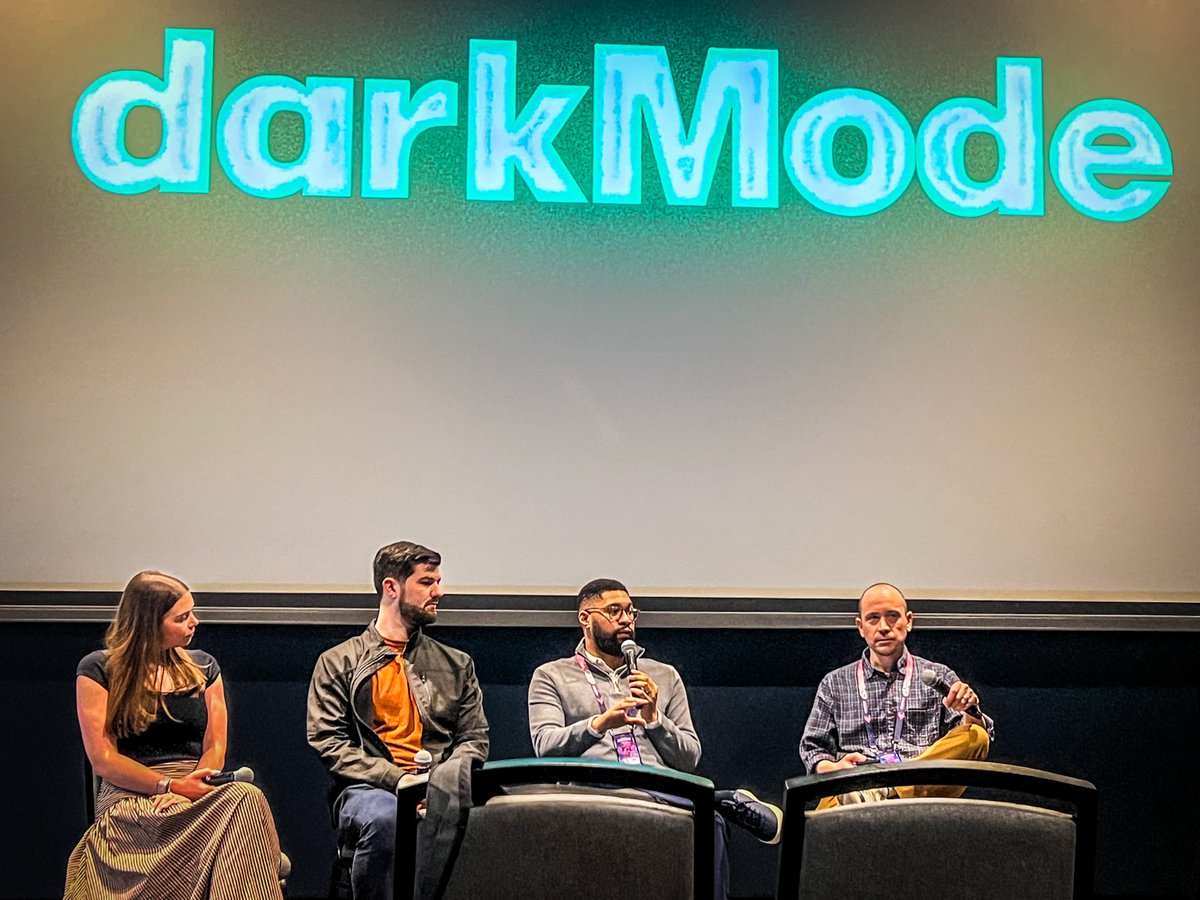
At @SEAL_Org’s darkMode event, we discussed advancing targeted proposals in CLARITY that go after illicit actors, without overburdening developers or undermining decentralized infrastructure. Thanks to @mikeorcut for moderating a great conversation alongside @LewellenMichael and @lindsayfraser0.
On the mainstage, we talked about the importance of protecting developers and previewed our policy work on emerging AI issues. Grateful to @PallerJohn for moderating and to share the stage with my friend @c_spelliscy, @JWigginton13, and Chris Land from @SenLummis' office.
Looking forward to continuing to advocate for protocols, developers, and entrepreneurs shaping the future of Web3 and decentralized technologies.
The EPAA outlines principles for enabling non-custodial protocol development while advancing public policy objectives in global financial infrastructure:
• Focus on system properties and outcomes, not development activity.
• Attach regulatory obligations to custody and discretionary intermediation.
• Establish clear, durable safe harbors.
• Ensure protections apply across the full lifecycle.
As protocols become a new layer of global financial infrastructure, jurisdictions that sustain the capacity to build secure open systems will help determine which standards shape the future.
The EPAA outlines principles to advance policy goals while enabling protocol builders.
Did you miss it? The DRC is launching our first ever Decentralization Research Grant, 3 grants of $5,000 each for teams researching decentralized tech, governance & policy recommendations. Applications due March 1st. Have a great weekend everyone.
https://t.co/ZLWb7WHWs6
See link below to apply and find out more information. All applications due by March 1st, 2026. We look forward to reading yours!
https://t.co/PHXhprk3yH
APPLY NOW!! The DRC is launching our first ever Decentralization Research Grant 🚀
3 grants of $5,000 each for teams researching decentralized tech, governance & policy recommendations.
Full details ⬇️
This grant is our opportunity to support members of the wider community, enable more ideas to reach policymakers, and create a broader base of interest and support for decentralized technologies and the governance frameworks they require.
In a follow-up post to our recent @Stanford_JBLP comment, @0xYager explores how two aspects of Judge Mehta’s remediation plan in the Google antitrust case...
a) mandatory Search data sharing
b) auditability of ad auction rules
... map onto the technical primitives of verifiable access control enforced through TEEs and cryptographically attestable auction logic that we proposed.