Had a great time joining @JacobRobinsonJD on @LawofCodeFM to talk about the politics behind financial ethics rules for public officials and why robust conflict of interest provisions remain critical to securing bipartisan support for the CLARITY Act.
We also praised the important work Senate offices are doing to strengthen the bill’s consumer protection and national security safeguards, key steps toward getting comprehensive crypto market structure legislation signed into law.
What is the CLARITY Act?
How does it protect the 70 million Americans who hold crypto? What does it change about how projects operate?
This @LawofCodeFM podcast explains the history of U.S. digital asset regulation, why regulation-by-enforcement failed and what CLARITY solves, plus remaining steps for this to become law.
Featured: @NYcryptolawyer, @milesjennings, @SH_Brennan, @KyleBligen, @millercwl, Dugan Bliss and snippets from @BillHughesDC, @thatgerald.
By the end of this episode, I promise you'll be in the 99th percentile for understanding the CLARITY Act, regardless of whether you're a lawyer, builder or operator.
Timestamps:
0:00 Intro
4:46 Explaining market structure
6:05 @milesjennings on regulatory distortion
10:43 Predecessor bills (RFIA, FIT21)
13:35 Senate Banking markup takeaways @millercwl
15:46 SEC & CFTC
20:37 The Securities Act of 1933
23:07 The Howey Test
25:26 @NYcryptolawyer's Ineluctable Modality of Securities Law
28:51 SEC enforcement
32:32 Why SEC rulemaking isn't enough
37:36 Titles of CLARITY
40:00 Digital commodities
47:29 Howey principles @NYcryptolawyer
54:10 Promoters: originators
58:18 Promoters: related persons
1:04:13 Token taxonomy @milesjennings
1:11:02 Ancillary asset requirements
1:19:34 The certification process
1:28:32 Remaining hurdles for CLARITY
1:34:50 Stablecoin yield
1:38:45 Ethics @KyleBligen
1:45:50 Tax consequences @CryptoTaxGuyETH
1:48:54 Thanking people working on the bill, such as @SenLummis, @gillibrandny, @SenatorTimScott, @SenatorHagerty, @SenThomTillis, @MarkWarner, @SenRubenGallego, f , their staffs & many, many others.
Nothing in this podcast is legal or investment advice.
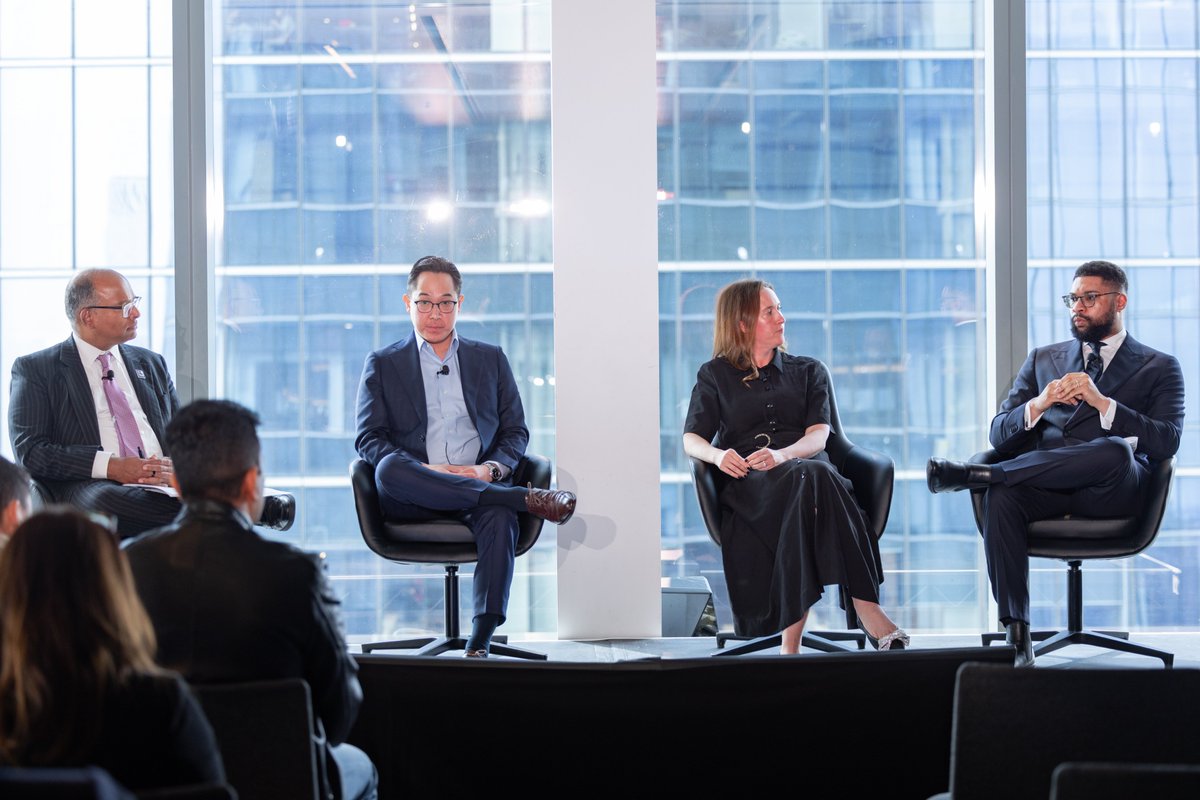
Last week, @TheDRC_ hosted Policy Day at @EYnews 10th Annual Global Blockchain Summit, and the takeaway was clear: digital asset policy is entering a consequential phase.
The conversation is no longer about whether digital assets are here to stay. It’s about whether policymakers and regulators can deliver rules that provide clarity, support innovation, and preserve the core benefits of decentralized technologies.
Grateful to join @_jikim, @Advocate4Web3, and @SH_Brennan to discuss the latest on the CLARITY Act and what meaningful market structure legislation could unlock.
We also heard strong insights from @syelderman and @fundstrat on institutional adoption, @MarinaMarkezic on EU regulatory developments, and @dao_officer and @kkirkbos on the barriers facing L2s and their critical role in the ecosystem.
I was especially glad to host Taylor Lindman for his first public engagement since becoming Chief Counsel of the @SECGov's Crypto Task Force, where we discussed the SEC’s new interpretive guidance and regulatory agenda.
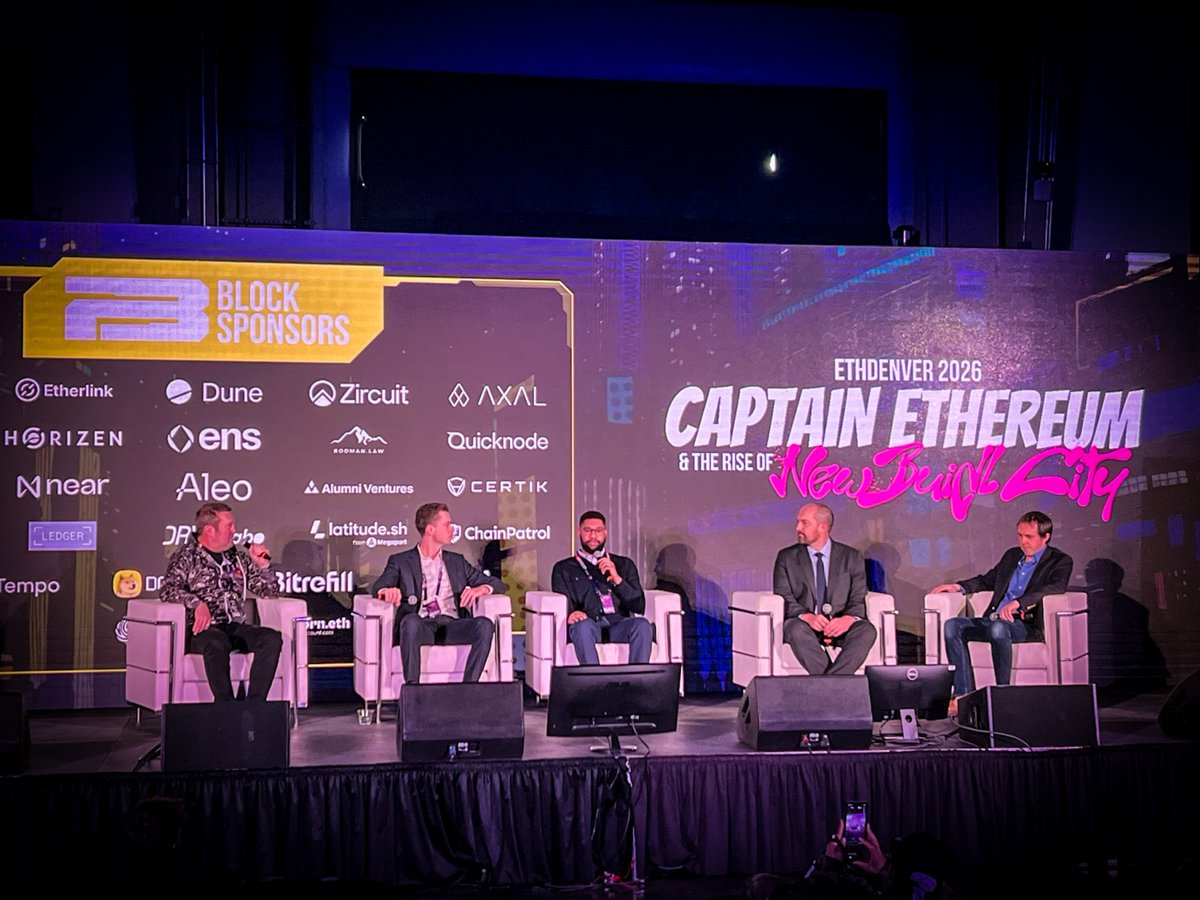
Just getting back to D.C. and I can’t stop thinking about the incredible time the @TheDRC_ team had at @EthereumDenver last week.
Huge credit to @PallerJohn, @howdai27, and @wadepreston for organizing such an impactful event. The energy in the room was undeniable: builders, innovators, and entrepreneurs heads down, focused on shipping real infrastructure and real use cases.
I left more bullish than ever on DeFi, AI, and the future of this industry.
It was also a powerful reminder: our advocacy work in Washington must reflect and support the innovation happening on the ground. Policy should enable builders, not slow them down.
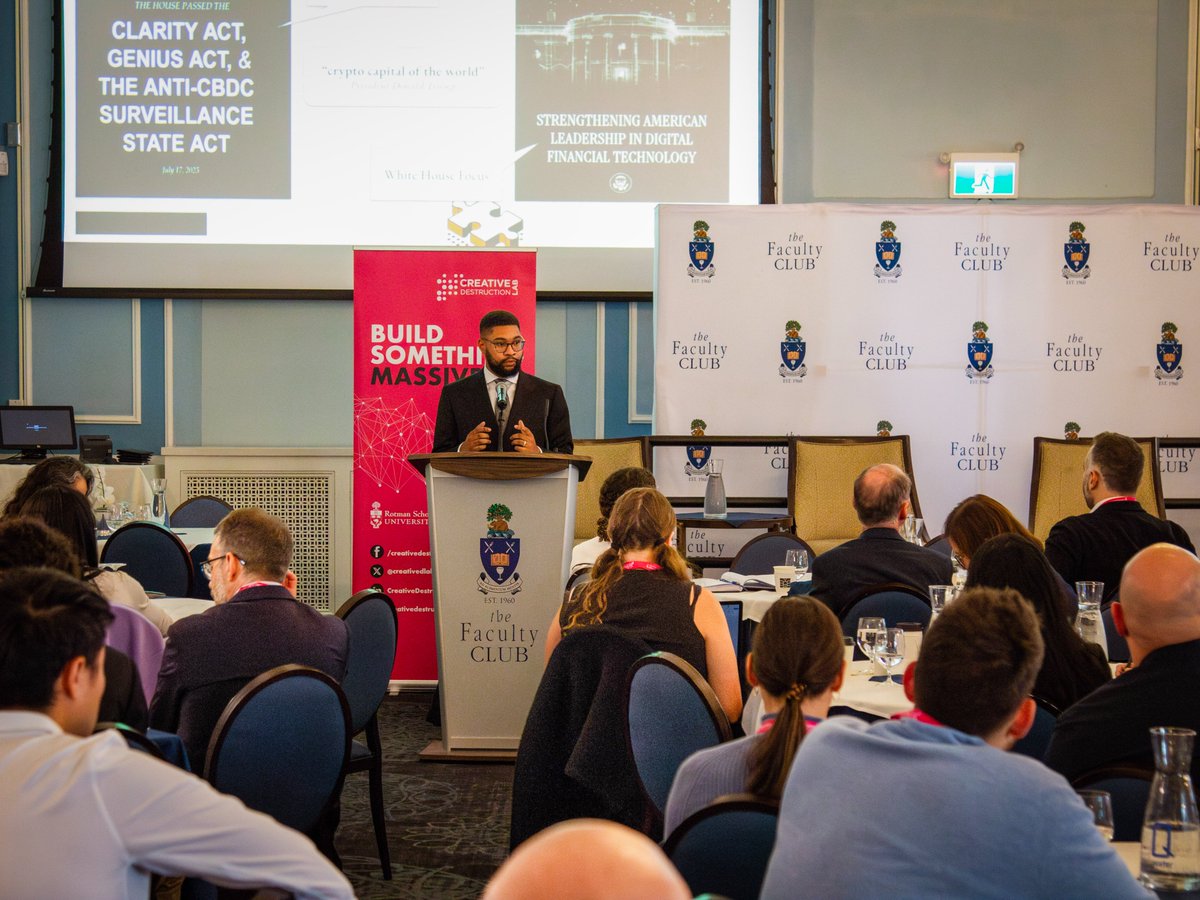
I had the opportunity to speak on a few panels about DRC’s policy efforts:
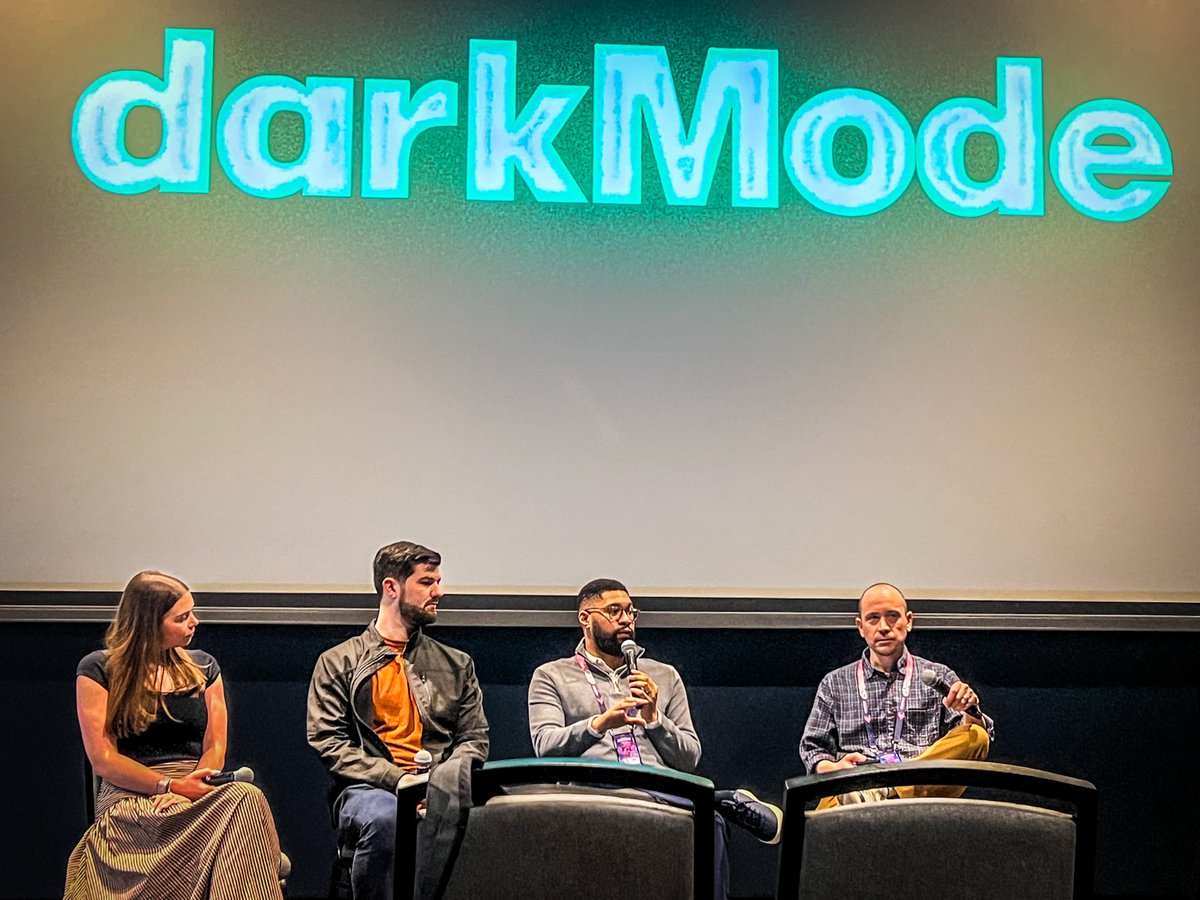
At @SEAL_Org’s darkMode event, we discussed advancing targeted proposals in CLARITY that go after illicit actors, without overburdening developers or undermining decentralized infrastructure. Thanks to @mikeorcut for moderating a great conversation alongside @LewellenMichael and @lindsayfraser0.
On the mainstage, we talked about the importance of protecting developers and previewed our policy work on emerging AI issues. Grateful to @PallerJohn for moderating and to share the stage with my friend @c_spelliscy, @JWigginton13, and Chris Land from @SenLummis' office.
Looking forward to continuing to advocate for protocols, developers, and entrepreneurs shaping the future of Web3 and decentralized technologies.
CLARITY: What’s in It for Web3 by:
- @JWigginton13 from Orrick, Herrington & Sutcliffe LLP
- Chris Land - General Counsel for US Senator Cynthia M. Lummis
- @KyleBligen from @TheDRC_
- @c_spelliscy from @ethereumfndn
- @PallerJohn from @EthereumDenver, @opolis, @BufficornV & @SporkDao
Web3 promises an economy where everyone has a stake, but it's been hard making this dream a reality. Outdated securities laws are the hurdle. The Blockchain Cooperative Coalition aims to lower this hurdle using Regulation Membership, a law allowing people to turn businesses into community assets.
Full video below 👇🧵
Proud to partner with the Ethereum Protocol Advocacy Alliance to advance sound policy for decentralized, permissionless infrastructure.
Together with @aave, @AragonProject, @CurveFinance, @LidoFinance, @sparkdotfi, @graphprotocol, and @UniswapFND, we’re working to:
- Protect the neutrality of the protocol layer
- Advance transparency as a path to compliance
- Preserve flexibility for protocol innovation
- Uphold global, permissionless access
At the @TheDRC_ , we’re committed to ensuring that the foundational layers of Web3 remain open, secure, and censorship-resistant; empowering innovation and self-sovereignty for all.
At the DRC, we see the Ethereum Protocol Advocacy Alliance as a vital step toward ensuring that those who build decentralized systems also help shape the rules that govern them.
We're glad to partner with EPAA.
Amazing first week @TheDRC_
From @CoinDesk and @BlockchainAssn conferences to briefing Canadian officials on U.S. digital asset legislation, one thing is clear:
Politics may be local, but U.S. policy has global impact.
Honored to have @kylebligen join the team as Head of Policy and Public Affairs!
Kyle was on the Hill and instrumental in negotiating and building bipartisan support for all major crypto legislation to date, including GENIUS and CLARITY.
In his new role, Kyle will play a critical part in advancing policy that incentivizes decentralization and unlocks crypto’s potential.
We’re excited to welcome @KyleBligen as Head of Policy and Public Affairs at the @TheDRC_.
Kyle will lead the organization’s advocacy before Congress and federal regulators on blockchain, digital asset, and artificial intelligence policy.
Kyle previously served as Senior Director of Financial Policy at the Chamber of Progress, advising leading fintech, cryptocurrency, and web3 firms on legislative and regulatory strategy.
Earlier in his career, Kyle was Policy Advisor to a U.S. Representative on the House Financial Services Committee and the Congressional Sustainable Investment Caucus. He has also held roles at Cornerstone Government Affairs, the Department of Defense, the State Department, and the House Homeland Security Committee.
Join us and ED @c_spelliscy in welcoming him to the team.
Congratulations to Kyle Bligen and Jaz Buckley, who took home the National Debate Championship this week. These student leaders are paving the way for future Mercerians, as they are the first African-American team to win this title! We are so proud of all they have accomplished!
Breaking News: Mercer wins the National Debate Championship. Mercer students Kyle Bligen and Jaz Buckley become the first all African-American team to ever win the National Championship. Congrats to Kyle and Jaz and Go Bears!