Excited to co-found @Merge Labs!
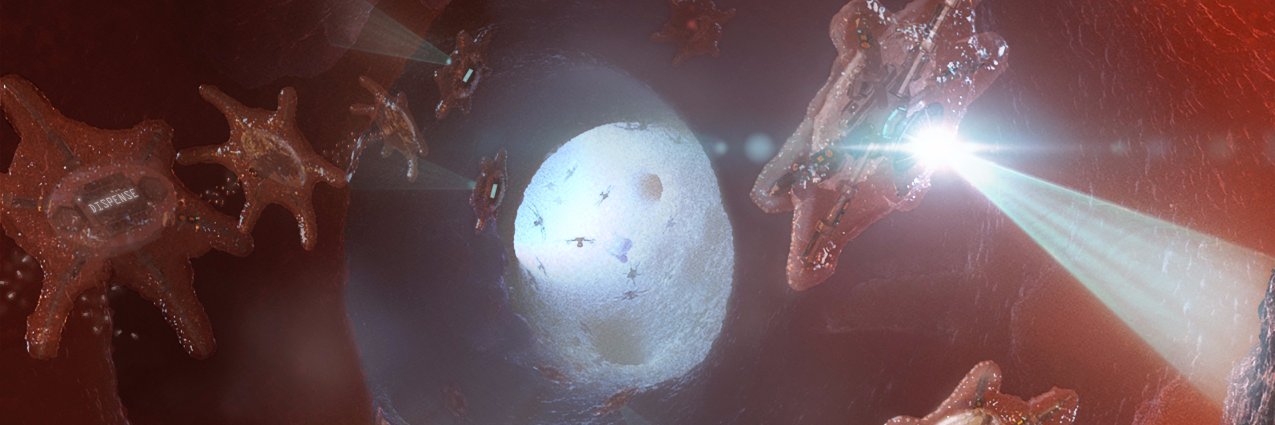
TLDR: We’re developing a new paradigm for BCI using molecules instead of electrodes. If you’re excited about this and want to contribute in protein engineering, synbio, delivery, immunology, ultrasound, devices, neuroscience, or data/ML/AI, we’d love to hear from you.
https://t.co/YbMqQwePWv
https://t.co/XEG7p4NOCI
🧵
Building on these insights, we used DIAL to titrate expression and program cell fate. Now published online at Nature Biotechnology.
Links below👇
@science_sneha@mitch
BIG ANNOUNCEMENT📣: I haven’t been this excited to be part of something new in 15 years… Thrilled to reveal the passion project I’ve been working on for the past year and a half!🙀🥳 It started from my frustration with the depressing effect that the current publishing system has on the well-being of myself, my team, and pretty much every scientist I know (maybe you’ve noticed from my stupid jokes… :) I was exhausted of dealing with the huge delays, reviewers that can be abusive, and how arbitrary it all is. Unfortunately, the most important factors are often WHO your reviewers are and who YOU are... It’s clear we need alternatives or at least ways to improve the situation. So, together with a really special and talented team we worked to develop this idea into “qed” a platform where you can get CONSTRUCTIVE feedback on your own work or CRITICALLY assess other people’s papers. It can be a real difference maker if many of you join us (thousands have tried it already, but today we release a NEW and much stronger version ;) Let’s harness qed to put the power back in the scientists’ hands, to do, to read & to publish science on our own terms. I’m dying for you to TRY IT, and it’s very simple - just drop a paper (the link to the website is in the replies👇) - it’s completely secure, private, and free, and you get results fast. Please show your support, SHARE, tell your friends, and let’s be the revolution 🫵!
Arc is looking for an outstanding early-career scientist to be our next Science Fellow. This program provides resources and freedom for those looking to transition into a principal investigator role immediately after doctoral training. Apply here: https://t.co/qYqjvTp7Of
As a wetlab experiments guy, a lot of DL/ML/AI baffles me, so I'm learning a lot supervising @tdsone3 in his PhD to bring AI-based design to synthetic biology in Baker's yeast. His first output 'Yorzoi' is now on BioRxiv. Here are my thoughts on this... https://t.co/3SOICnVqFo
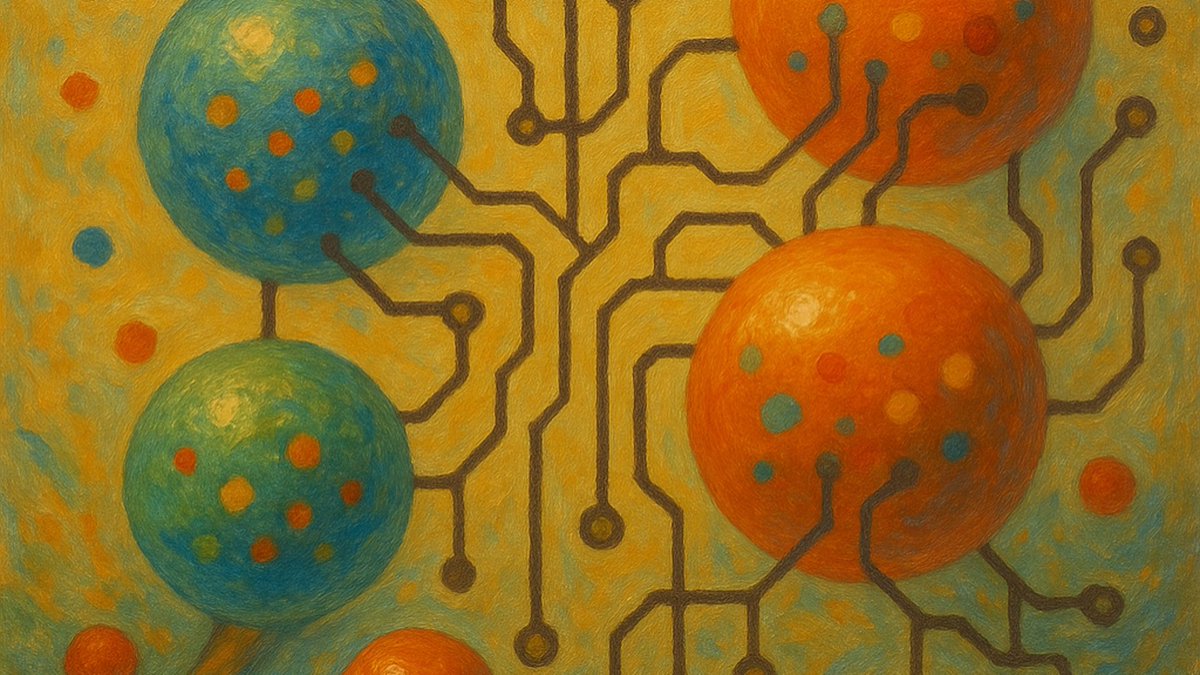
Inspired by condensates that form on specific DNA loci, we ask:
Can we design multicomponent fluids to form distinct condensates on diff. surfaces?
i.e., perform a type of information processing (surface classification) through condensation!
https://t.co/Z8zRloSpHQ (1/2)
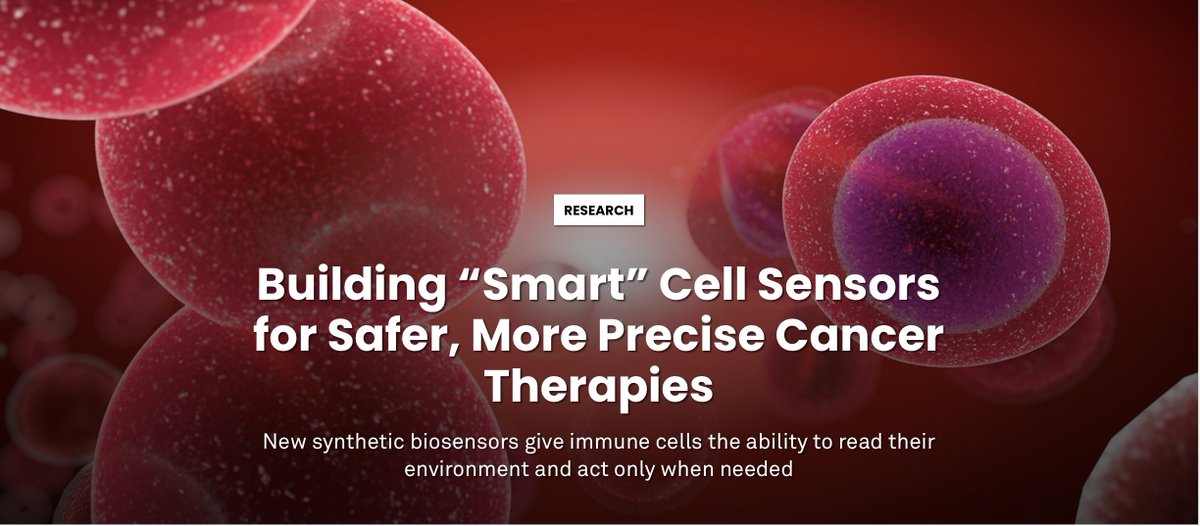
How can we combine the exquisite function of natural receptors with the programmability of synthetic biology? Check out this exciting new story led by @HaileyEdelstein and @amparo_cosio out today in @nchembio
Delighted to share the final version of this paper out now! I led this project with @amparo_cosio during my PhD in @TheLeonardLab to investigate how we could program smart cell therapies to sense and respond to markers of disease—taking inspiration from natural human receptors!
Congrats to the whole team, and thanks to @NIBIBgov for leading support of this work! If you're interested in trying these parts, check our page on @Addgene or drop me a line!
https://t.co/9jErYLS31R
Finally we show how these synthetic receptors can be multiplexed to evaluate soluble signals in the environment to create tailored activation programs that can enable "smart" cell therapies