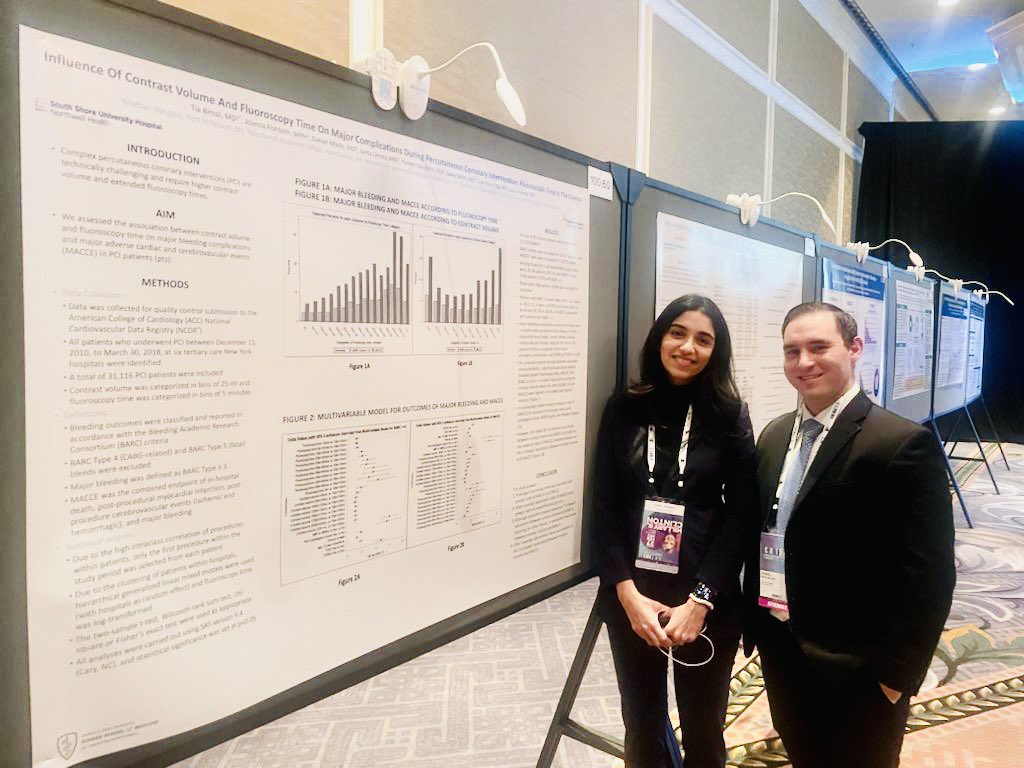
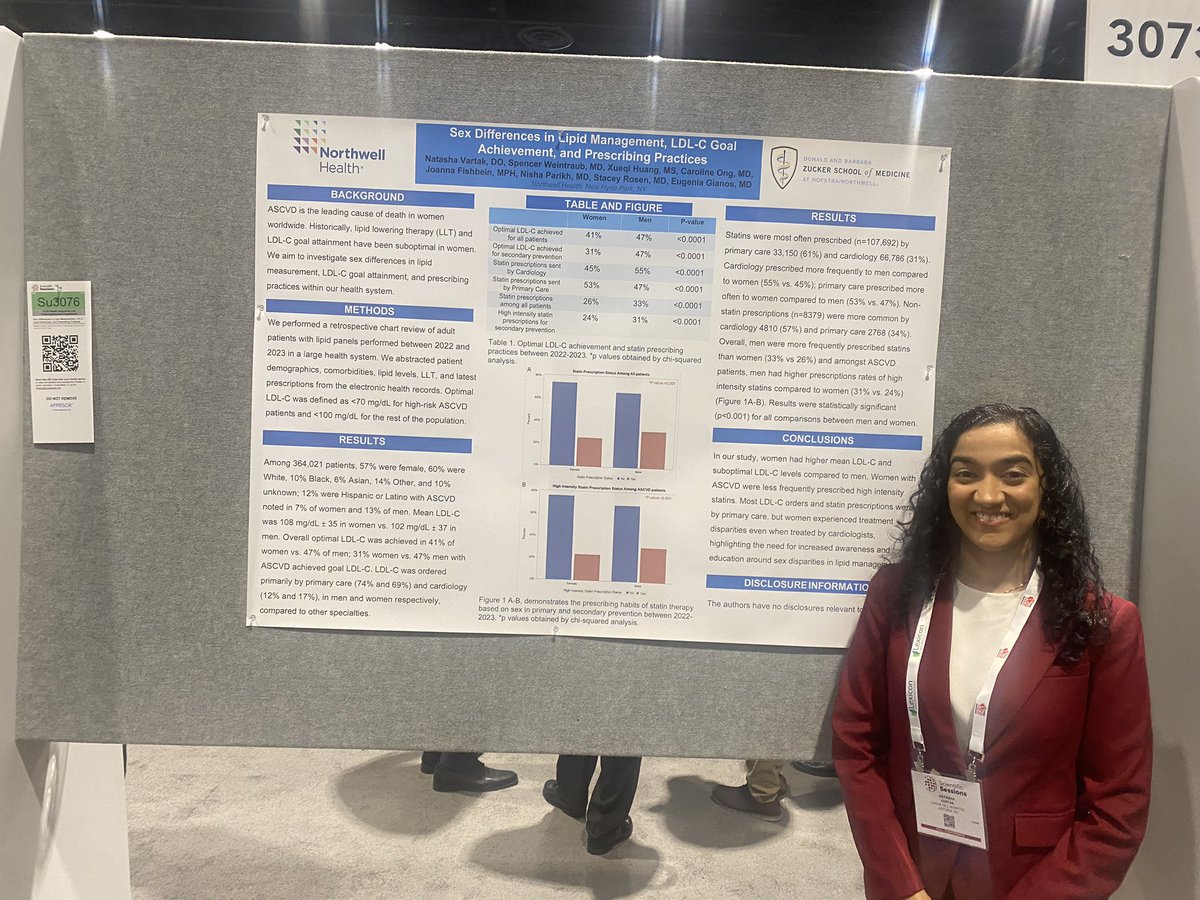
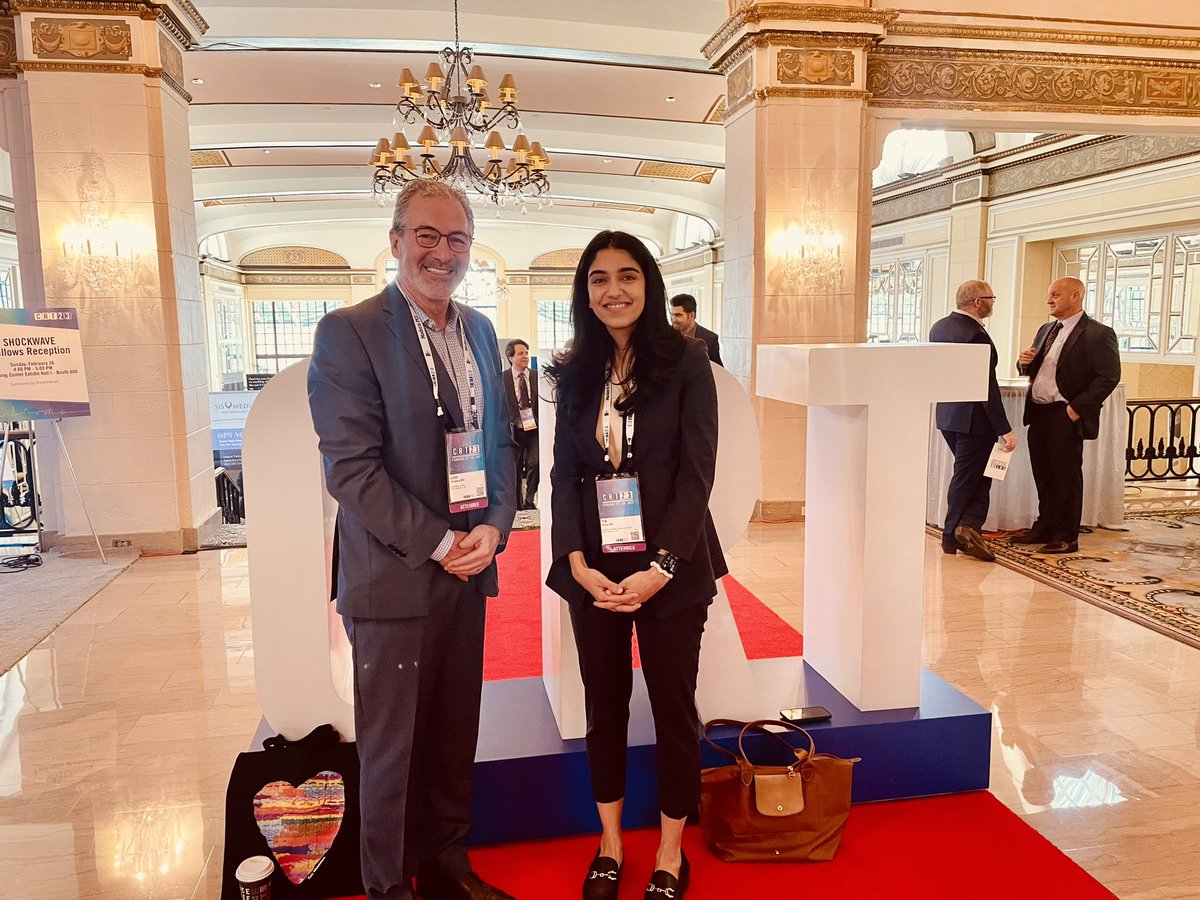
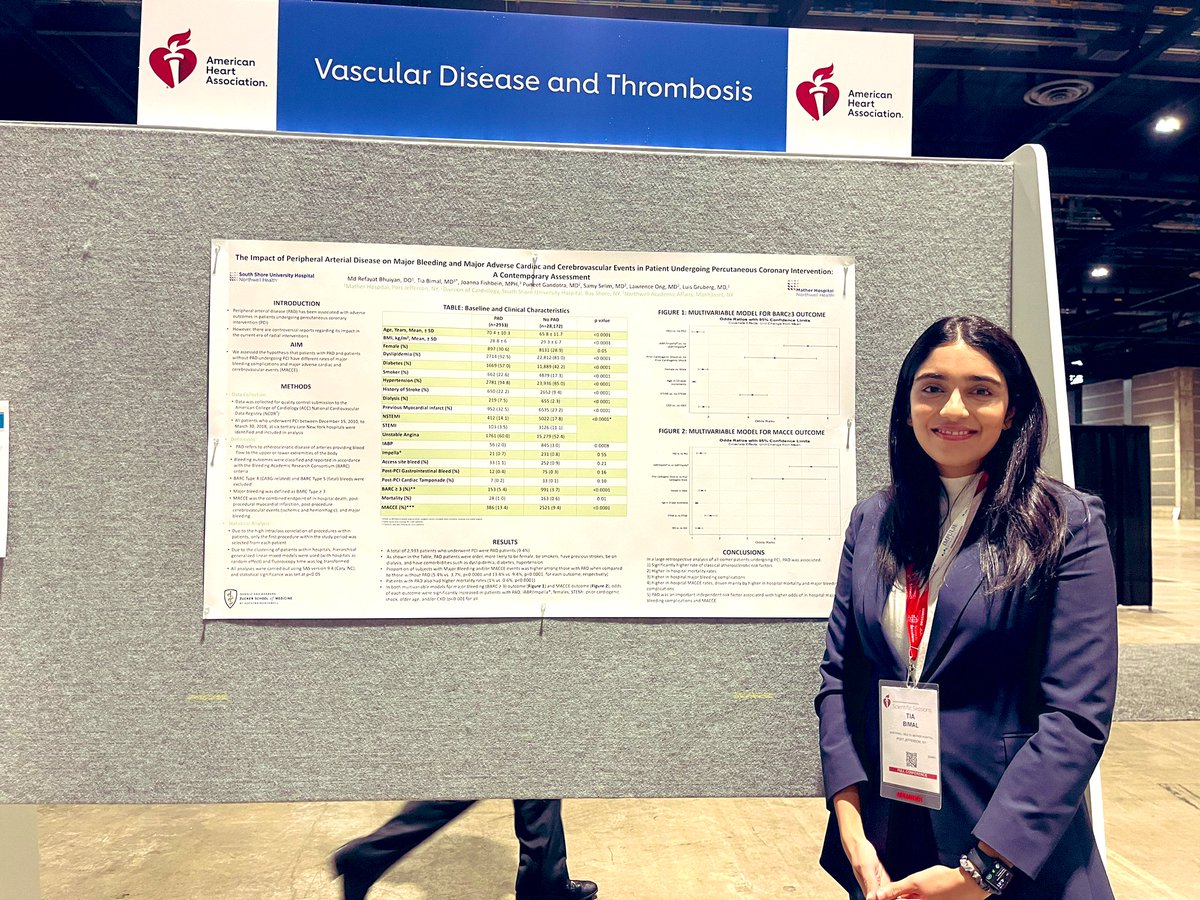
Congratulations to our first years!! for getting through the toughest year of cardiology training and coming out stronger 💪
Thank you for your hard work and dedication!
MIA: Sam Tan (just became a new dad 👏🎉) and Tia ( working hard on call)
#cardiotwitter#ACC#cardiology
👉Advances in Targeting LDL Cholesterol: PCSK9 Inhibitors and Beyond
👏 Outstanding article, great authors, must-read!!!
☝️Multiple advanced treatments are currently available to address residual atherogenic lipoprotein risk beyond statin therapy. With every approximately 40 mg/dL reduction in LDL-C level with statins and non-statins, there is an average >20% reduction in cardiovascular events illustrating the urgency to attain lower LDL-C goals. Guideline-directed care continues to support the role of statins as foundational, however, the evidence strongly supports consideration of LDL-C lowering with non-statins when statins alone are not adequate. An approach that targets residual risk due to LDL-C and other atherogenic particles, in addition to baseline patient risk, will improve outcomes for all. Better outcomes with higher adherence and patient satisfaction may also be achieved with combination therapies for atherogenic particles that are better tolerated and are more likely to achieve optimal lipoprotein levels
🔓Open Access
https://t.co/X1etRLKuok
@society_eas@ASPCardio
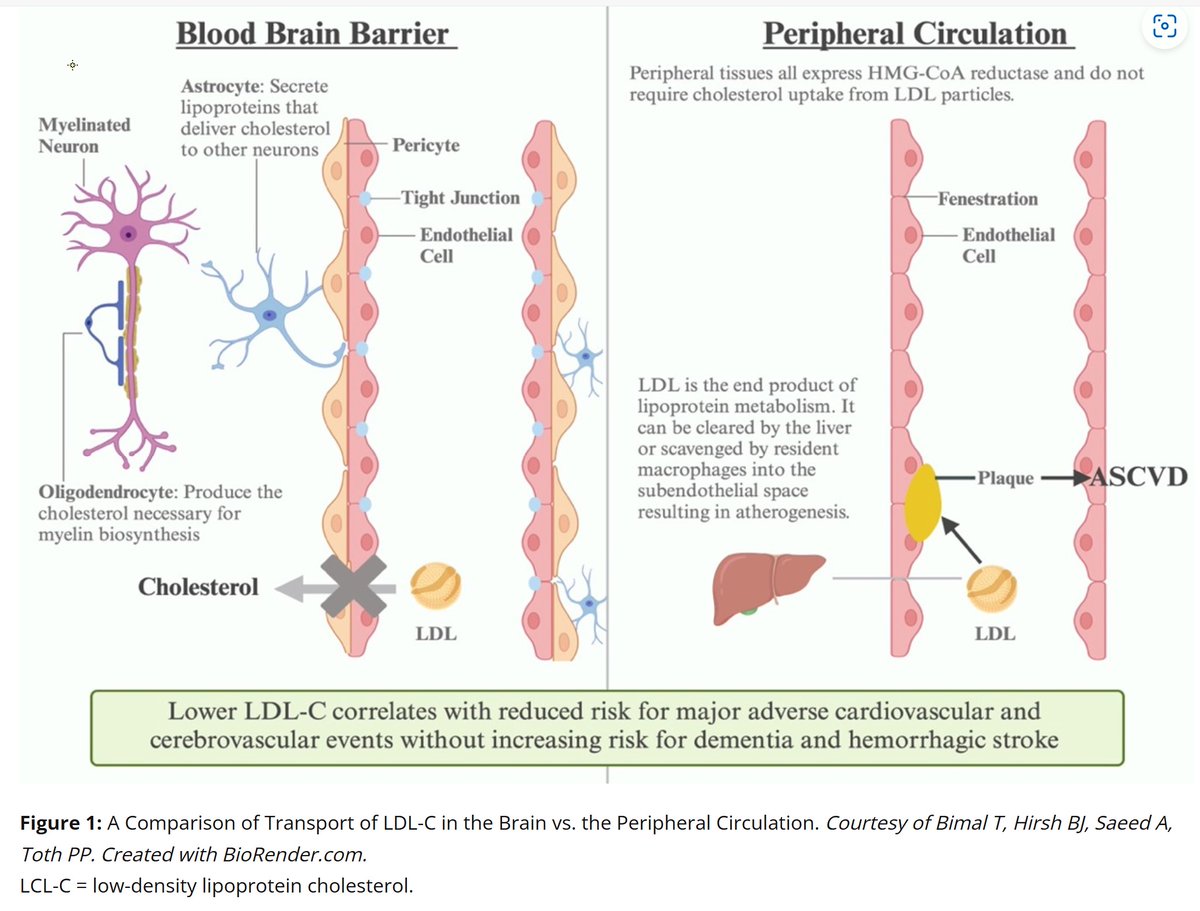
Studies have not demonstrated an increased risk of cognitive impairment, Alzheimer's dementia, or hemorrhagic stroke associated with lowering LDL-C levels. The concerns about stroke and cognitive issues with very low LDL-C levels have been refuted. See LDL Cholesterol Lowering: Is There a Risk for Dementia and Hemorrhagic Stroke? - American College of Cardiology (https://t.co/kjxxyvIRnm) @nationallipid@society_eas