ScienceMagazine: Laws that establish legal rights for nature are being pursued in a growing number of countries to protect the environment.
A new #ScienceReview examines key scientific aspects of rights-of-nature laws. https://t.co/HrVdvlxh3b
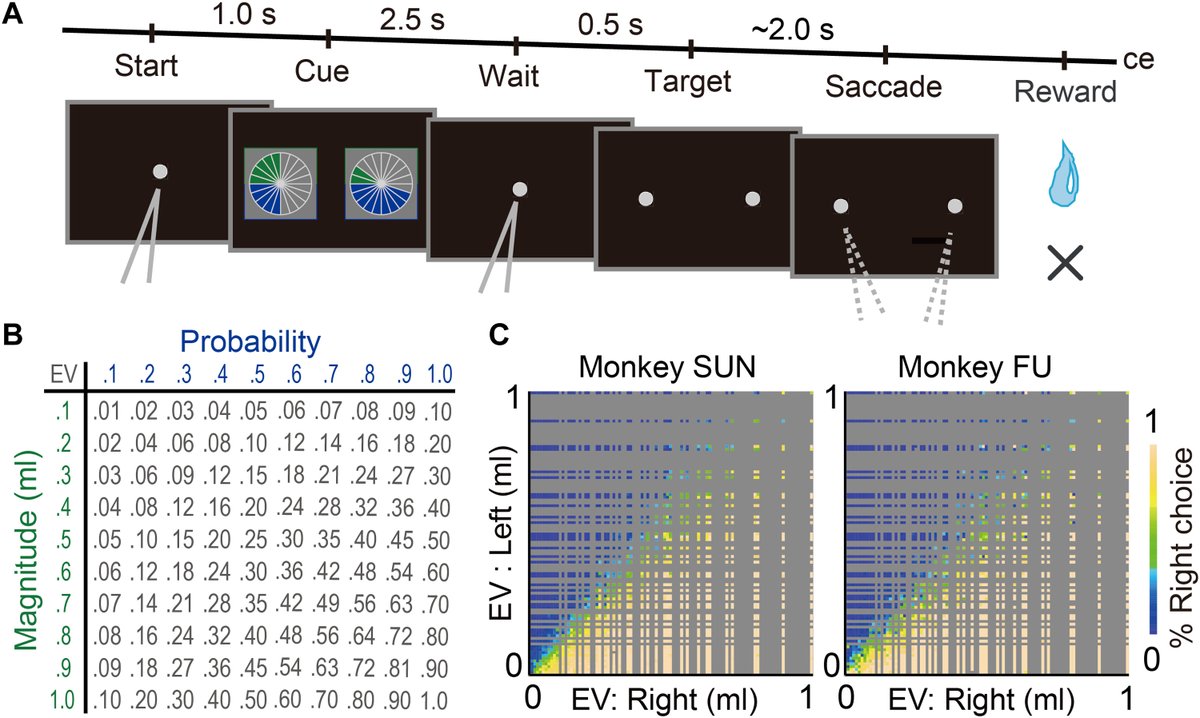
ScienceMagazine: Both humans and monkeys take more risks after lucky outcomes in gambling, according to a new analysis in @ScienceAdvances. https://t.co/CdAUH1EVmb
ScienceMagazine: Last year, researchers investigated aging in cold-blooded tetrapods, revealing surprisingly little evidence of physical aging in several turtle species.
The results challenge the idea that senescence is an unescapable fate. Learn more o…
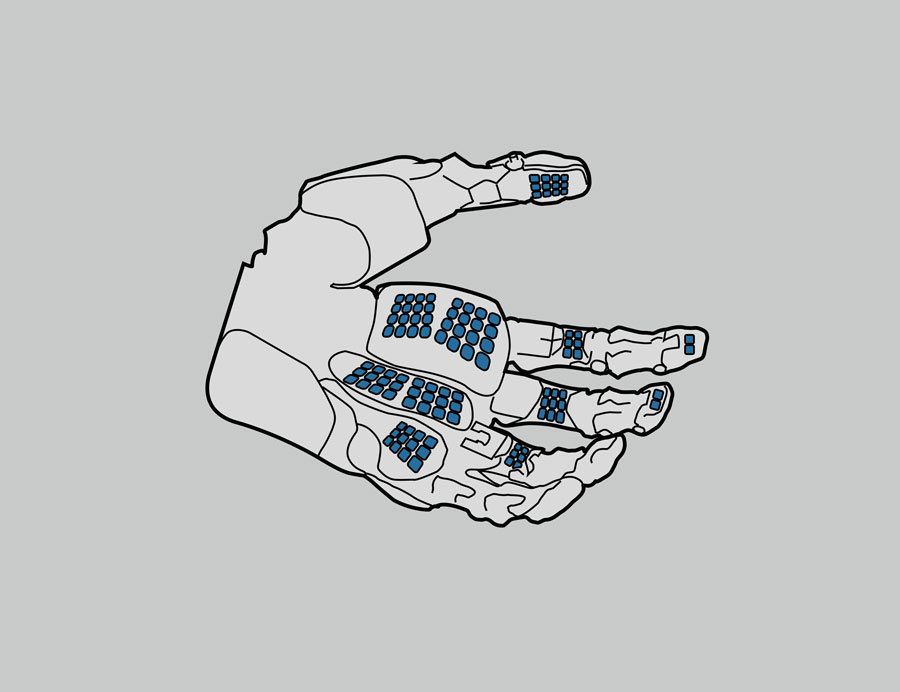
ScienceMagazine: Researchers have developed and tested in rats a neuromorphic electronic skin system that simultaneously emulates closed-loop sensory encoding and the mechanical softness of natural skin.
Learn more ⬇️
📄: https://t.co/bRR5I7GXDk
#Scienc…
ScienceMagazine: The U.S. Supreme Court is expected to overturn precedents allowing the consideration of race in university admissions.
A new #ScienceEditorial argues it will be critical to uphold commitments to diversity in science. …
ScienceMagazine: A new study in @SciSignal delineates how the T cell-specific protein THEMIS guides the development of thymocytes and shapes their sensitivity to self-peptides by suppressing an enzyme named SHP1. #Immunology https://t.co/o1bmZTknzx
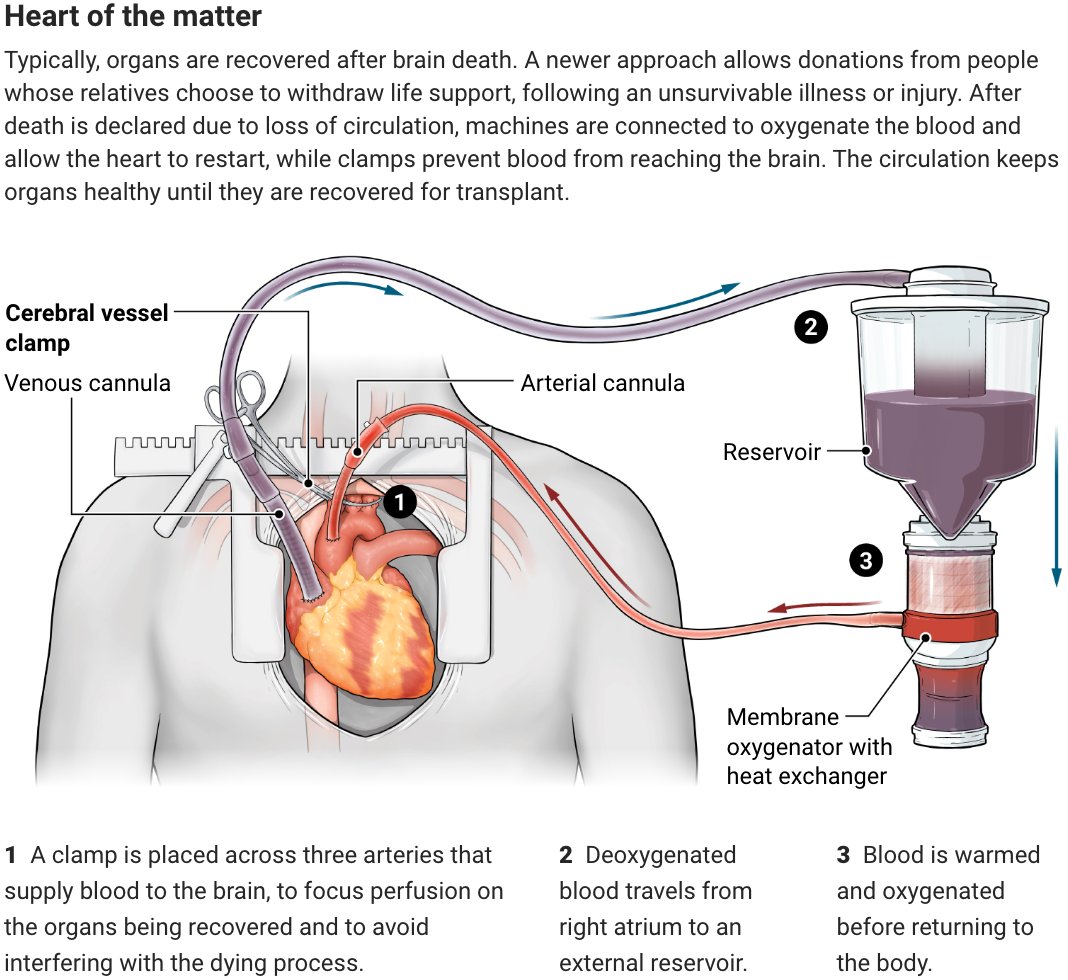
ScienceMagazine: A new procedure for donating hearts and other organs is saving lives. But for some, it challenges the definition of death.
Learn more in this @NewsfromScience feature: https://t.co/AocFvn61p9
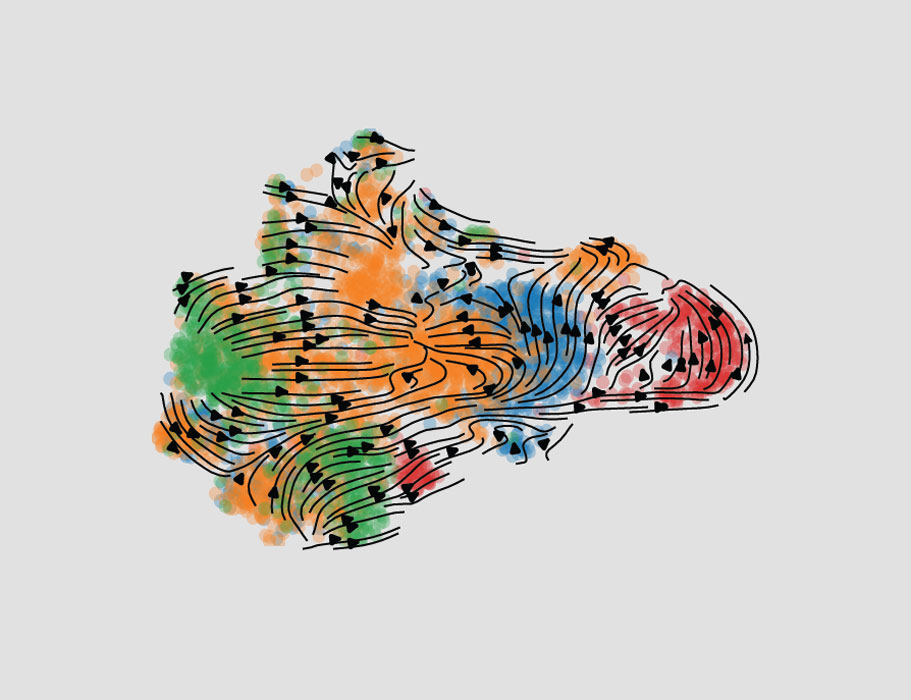
ScienceMagazine: A new @SciImmunology study in mice investigates the developmental origins of CD4+ tissue resident memory cells, identifying a potential precursor population in the small intestine.
Read more: https://t.co/I7RrfrmoZZ
ScienceMagazine: Like air breathers, hammerhead sharks are also “breath holding” during dives, a new study finds.
Learn more in this #SciencePerspective: https://t.co/TOYEKMn6Em
ScienceMagazine: "My message to those I work with is that the stereotype of the overworked, stressed-out academic is unhealthy and outdated." #MentalHealthAwarenessMonth@ScienceCareers https://t.co/PJArtCtiPN
ScienceMagazine: Women may be less susceptible than men to the risks of #MetabolicDisease from disrupted #CircadianRhythm, shows a new study in @ScienceTM involving mice and data from more than 90,000 job-matched shiftworkers in the UK. https://t.co/ZiBeuEnjMO
ScienceMagazine: "Many of us face the perception that the more time a scientist spends popularizing science, the less scientifically accomplished they are. That is far from true," writes @frakyc in this week's #ScienceWorkingLife. https://t.co/kvWIxsGCpB @ScienceCareers
ScienceMagazine: A new @SciRobotics Viewpoint presents a conceptual framework to improve sensing, haptics, and dexterity of robotic devices by integration with human users. https://t.co/fsJL4MijjQ
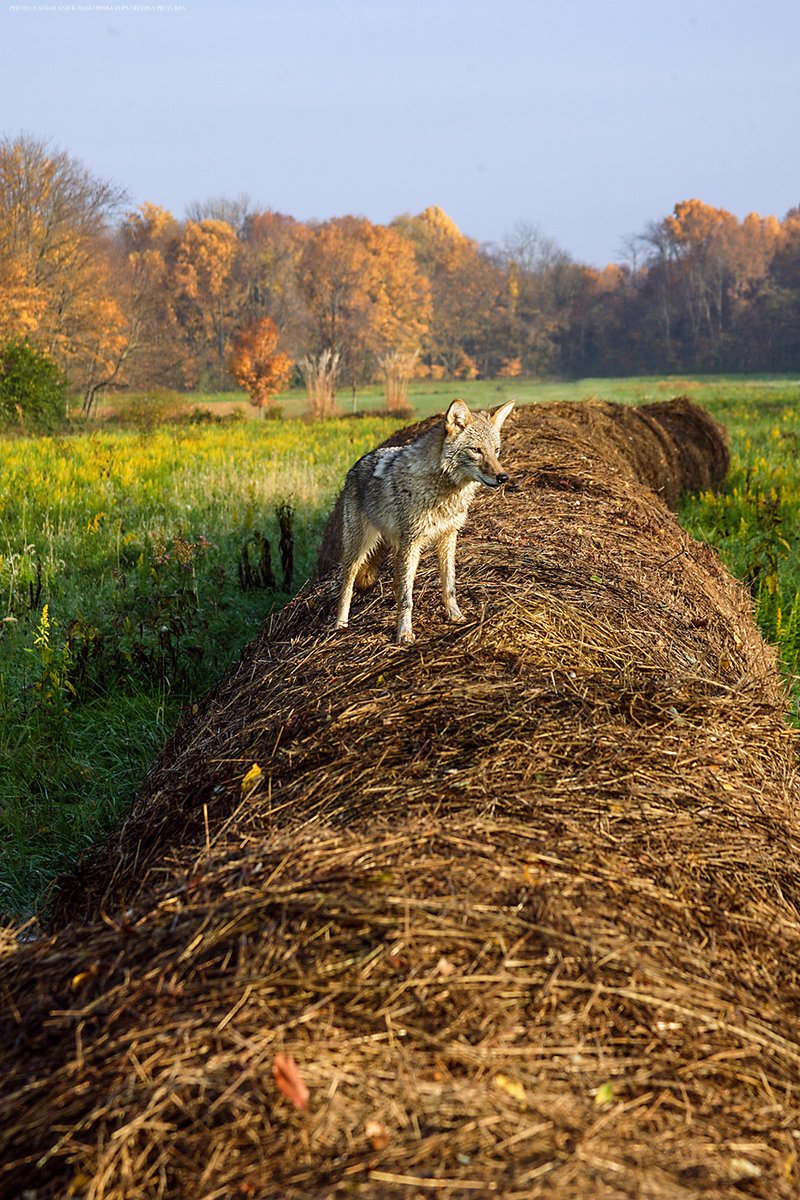
ScienceMagazine: Fear of large predators drives smaller predators into human-inhabited areas they perceive as safer—but where risk is greater, a new Science study finds. The results describe a “paradox of the lethal human shield.”
Learn more: …
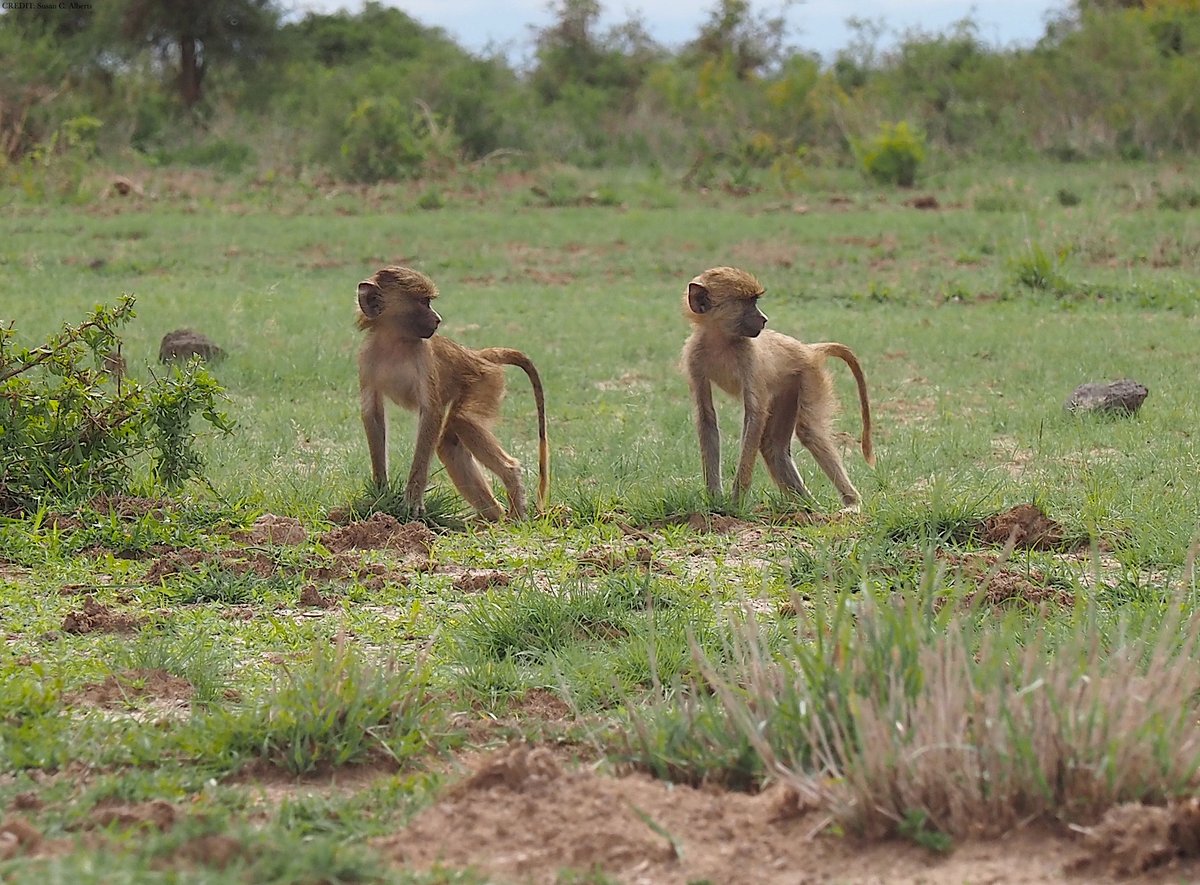
ScienceMagazine: In baboons, adult social bonds help mitigate the negative effects of early adversity on life span, finds a new study in @ScienceAdvances. https://t.co/gFK88O2slD
ScienceMagazine: Hammerhead sharks “hold their breath” to maintain body temperature as they hunt in deep, cold waters, according to a new study in Science.
The previously unobserved and unexpected phenomenon may be widespread among other deep-diving sh…
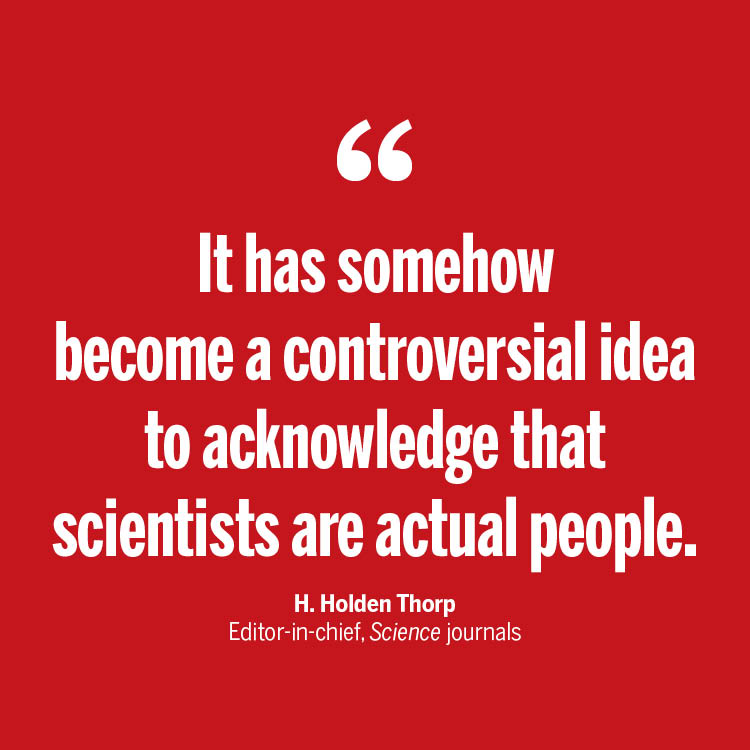
ScienceMagazine: "For some, the notion that scientists are subject to human error and frailty weakens science in the public eye. But scientists shouldn’t be afraid to acknowledge their humanity," argues @hholdenthorp in a new Editor's Blog post. …
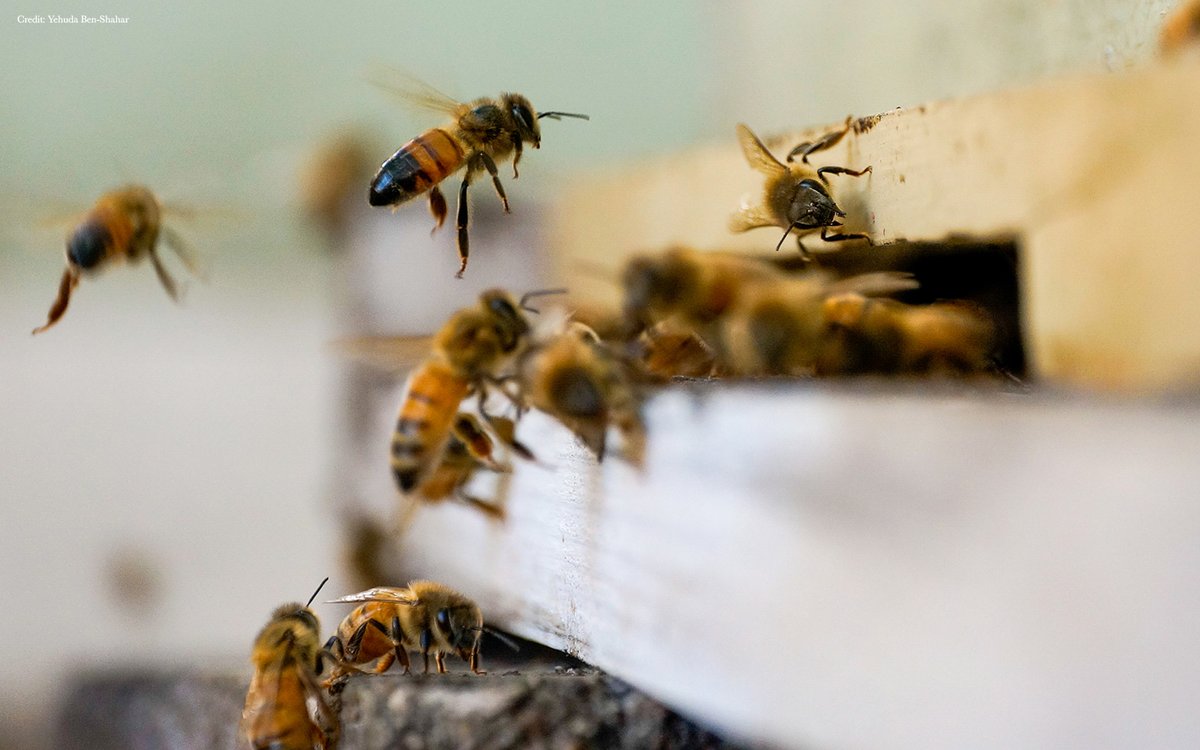
ScienceMagazine: Honey bee nestmates may partly depend on their gut microbes to recognize one another, a 2020 study suggests, revealing how symbiotic bacteria can shape unique, colony-specific chemical cues on the pollinators’ bodies. …
ScienceMagazine: Lab-kept bumble bees roll small wooden balls around for no apparent purpose other than fun, revealed a study from last year.
Learn more on #WorldBeeDay: https://t.co/CmNnkTaM3T @ScienceVisuals