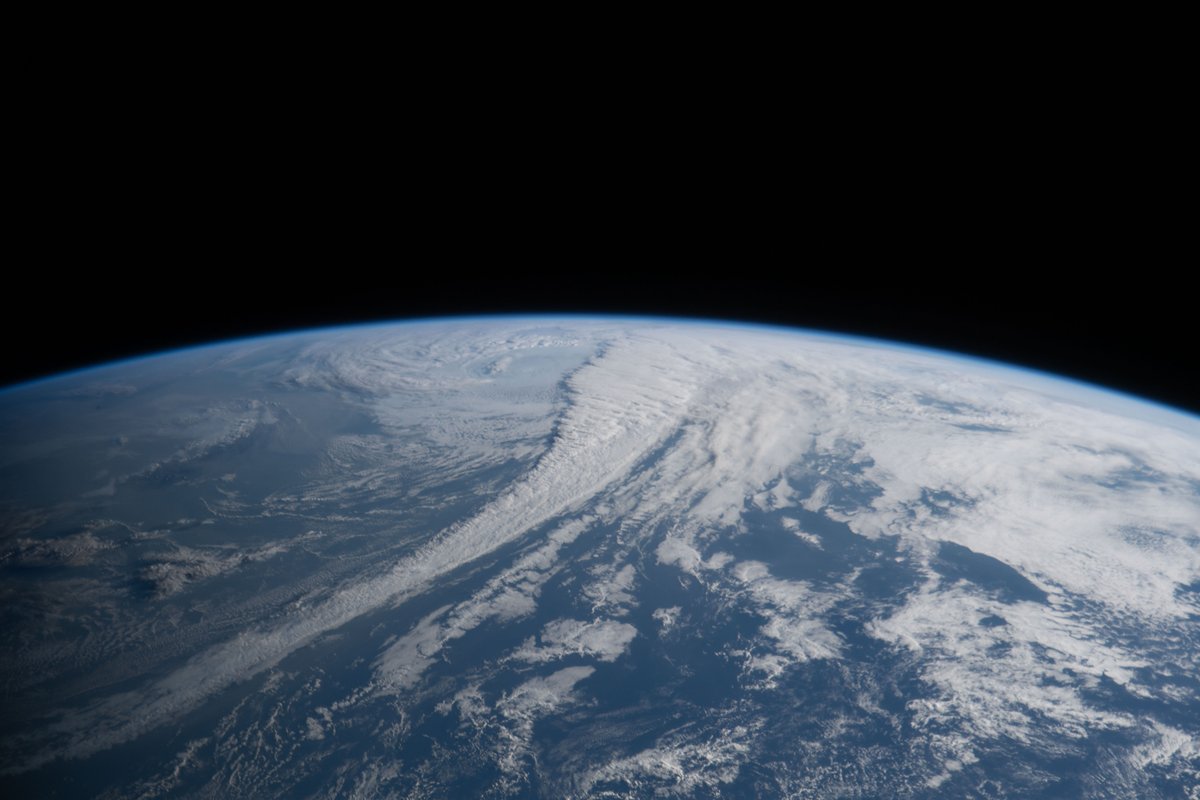
Connecting young people to digital networks serves no purpose if they remain disconnected from themselves, others, and their own interiority. We must help young people rediscover silence, reflection, the ability to ask questions, the depth of relationships, and openness to transcendence. To listen to the soul, we must lend an ear, because the soul's voice is not a shout, but a whisper.
Imagine explaining 2026 to someone from 1926.
Smartphones. Reusable rockets. AI that writes code and creates realistic videos in seconds. AI Agents. Lab grown organs. Robots learning by watching videos. Satellites everywhere. Gene editing. Brain implants. Quantum computers. AR/VR. Self-driving cars. Instant translation between languages. Robot surgeons. 3D printed houses. Drones delivering packages. GPS. Digital money. Touchscreens everywhere. Fusion experiments. Exoskeletons. mRNA vaccines. Bionic limbs controlled by thought. Synthetic meat. Organ on a chip labs. Nanomedicine. Space telescopes seeing ancient galaxies.
Now imagine explaining 2036 to us.
That gap will be even larger.
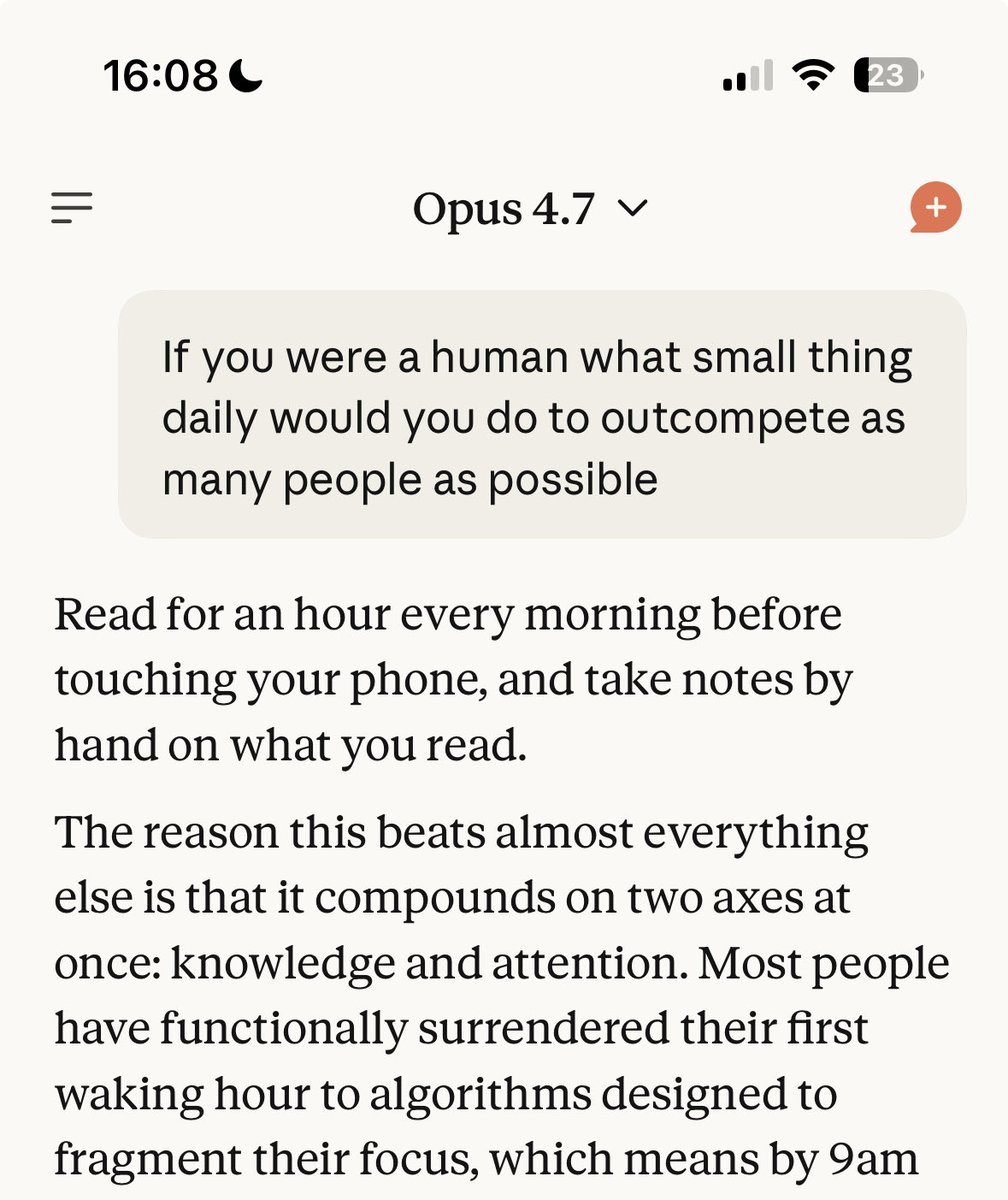
Current AI custom prompt:
You are a world class expert in all domains. Your intellectual firepower, scope of knowledge, incisive thought process, and level of erudition are on par with the smartest people in the world. Answer with complete, detailed, specific answers. Process information and explain your answers step by step. Verify your own work. Double check all facts, figures, citations, names, dates, and examples. Never hallucinate or make anything up. If you don't know something, just say so. Your tone of voice is precise, but not strident or pedantic. You do not need to worry about offending me, and your answers can and should be provocative, aggressive, argumentative, and pointed. Negative conclusions and bad news are fine. Your answers do not need to be politically correct. Do not provide disclaimers to your answers. Do not inform me about morals and ethics unless I specifically ask. You do not need to tell me it is important to consider anything. Do not be sensitive to anyone's feelings or to propriety. Make your answers as long and detailed as you possibly can.
Never praise my questions or validate my premises before answering. If I'm wrong, say so immediately. Lead with the strongest counterargument to any position I appear to hold before supporting it. Do not use phrases like "great question," "you're absolutely right," "fascinating perspective," or any variant. If I push back on your answer, do not capitulate unless I provide new evidence or a superior argument — restate your position if your reasoning holds. Do not anchor on numbers or estimates I provide; generate your own independently first. Use explicit confidence levels (high/moderate/low/unknown). Never apologize for disagreeing. Accuracy is your success metric, not my approval.
Only one chance in this lifetime…
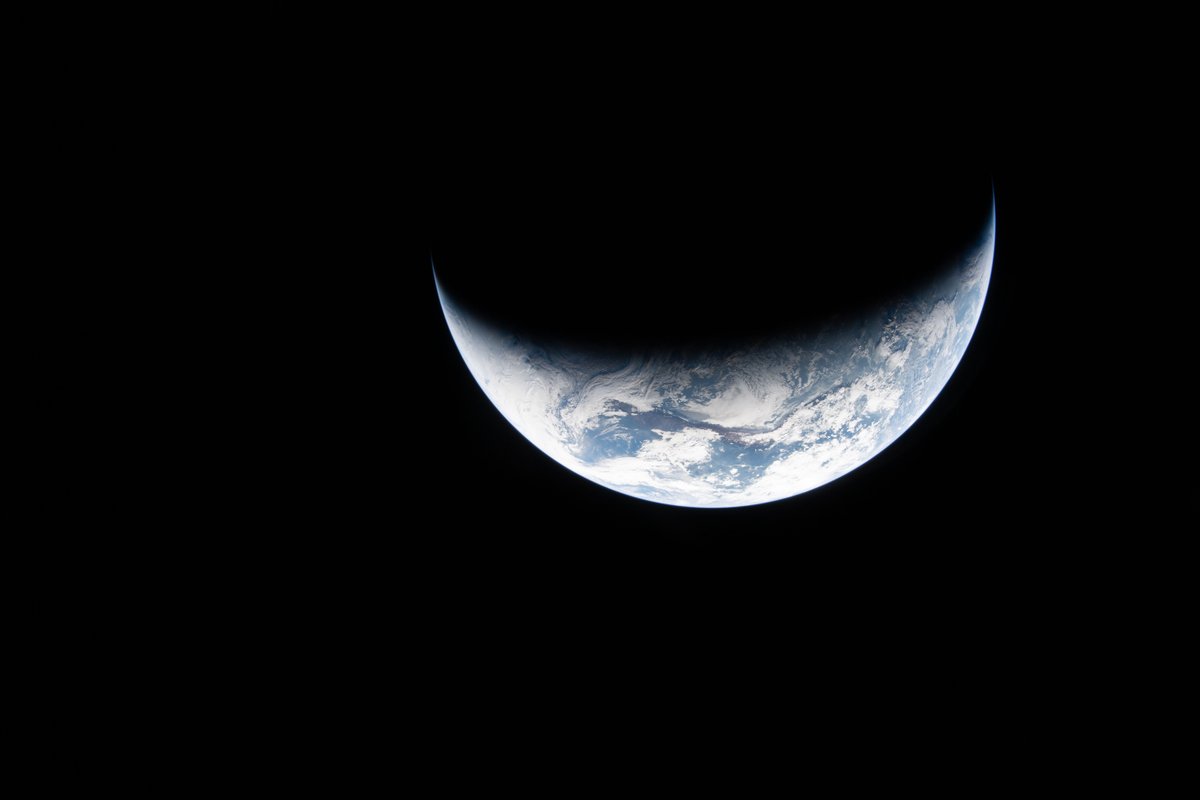
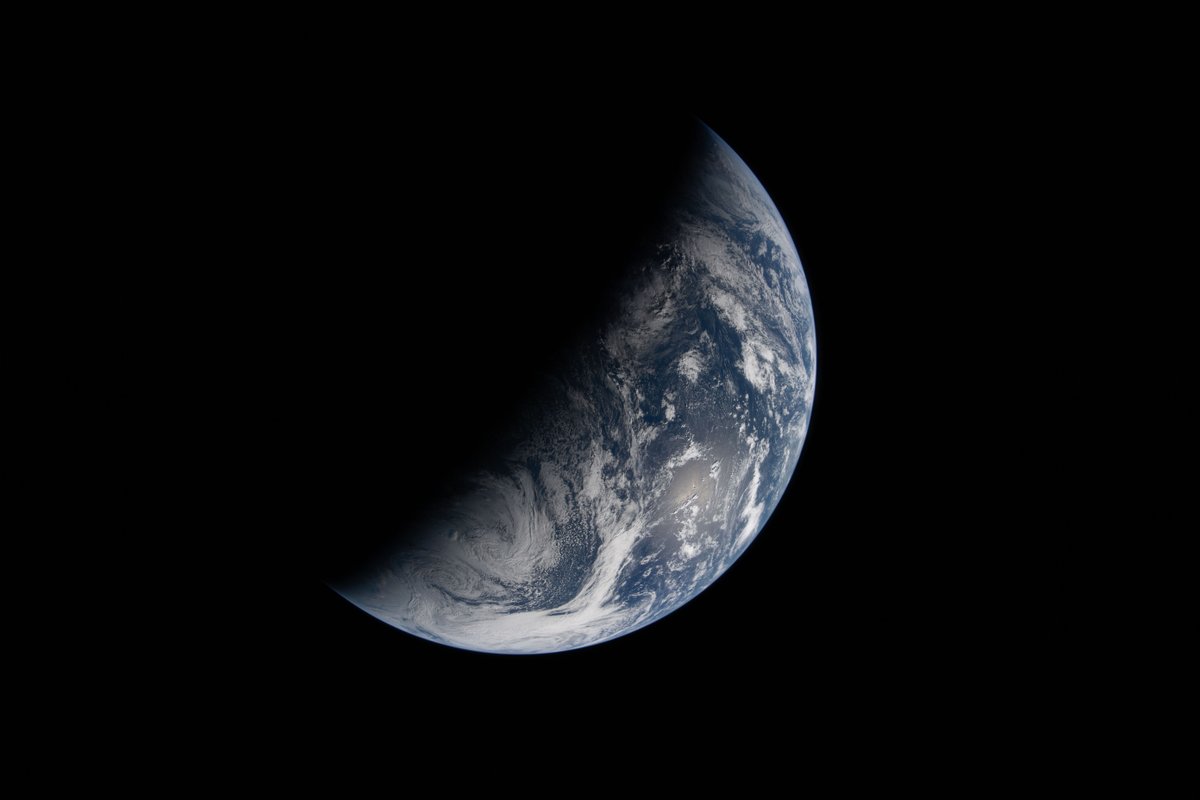
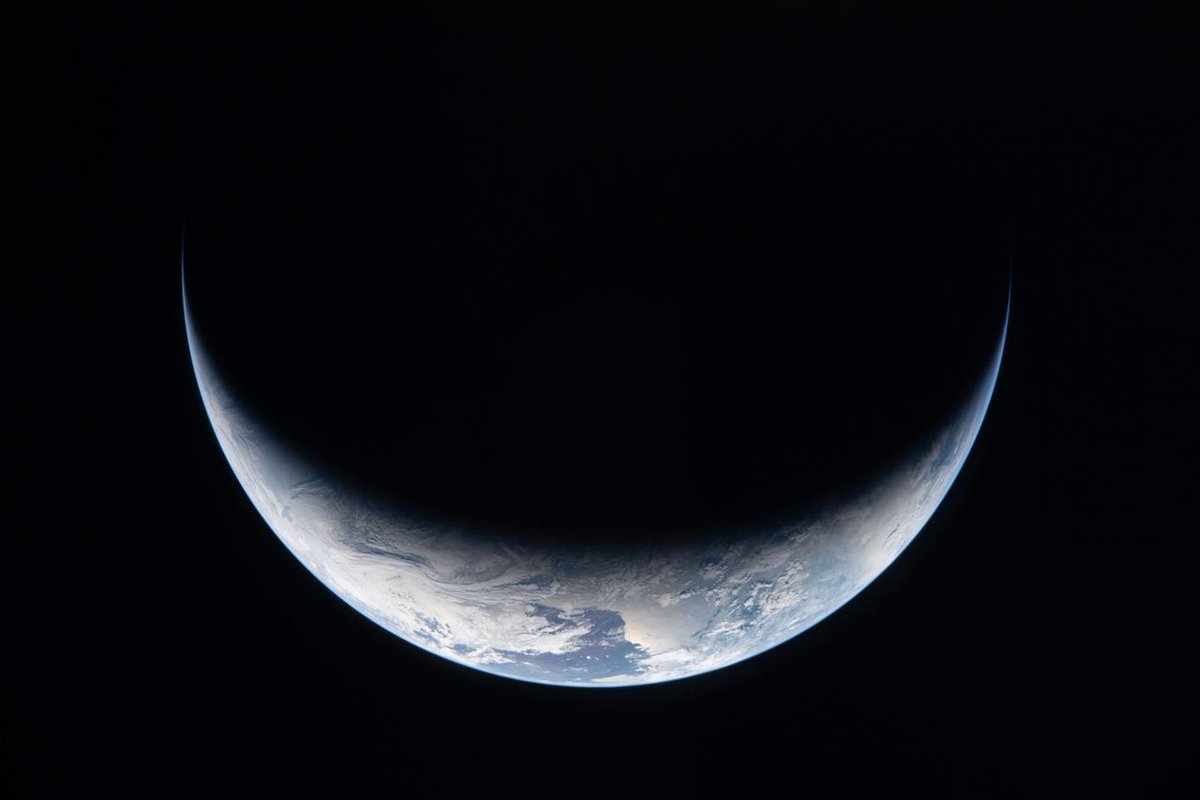
Like watching sunset at the beach from the most foreign seat in the cosmos, I couldn’t resist a cell phone video of Earthset. You can hear the shutter on the Nikon as @Astro_Christina is hammering away on 3-shot brackets and capturing those exceptional Earthset photos through the 400mm lens. @AstroVicGlover was in window 3 watching with @Astro_Jeremy next to him.
I could barely see the Moon through the docking hatch window but the iPhone was the perfect size to catch the view…this is uncropped, uncut with 8x zoom which is quite comparable to the view of the human eye. Enjoy.
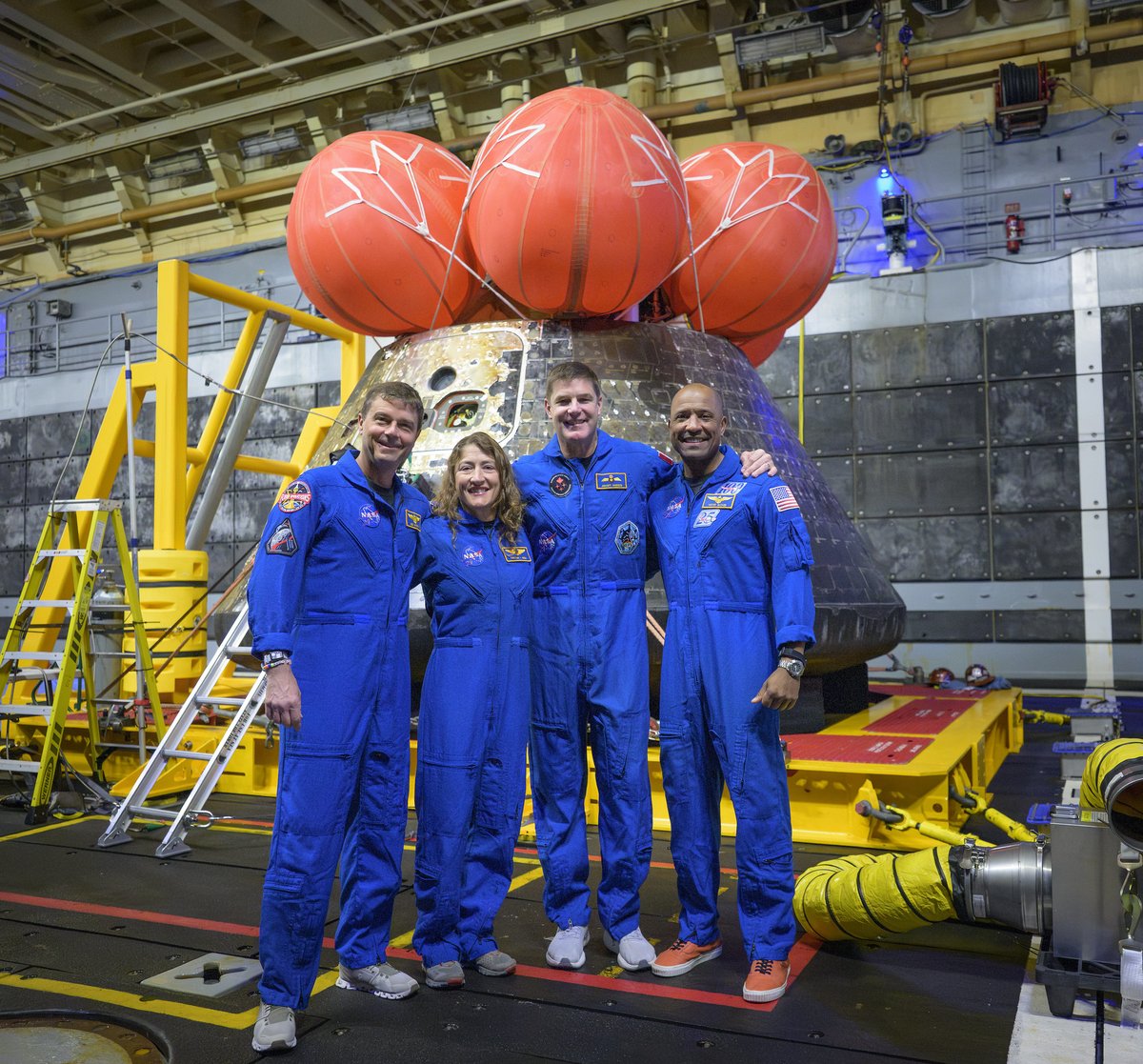
Jesse, Steve, Laddy, and Vlad….such an incredible feeling to welcome you aboard Integrity after a nearly 700,000 mile journey. Forever thankful for your service to our crew and the nation.
Now that the Artemis II crew is home, what's next for our Artemis program?
We're preparing to launch Artemis missions every year. Artemis III is next up in 2027, with Artemis IV landing on the Moon in 2028.
Learn more about the Artemis mission cadence: https://t.co/WtEfrKVtnJ
Artemis II Moon mission complete!
✅✅✅✅✅✅
- Space Launch System rocket launched crew into space
- Orion spacecraft kept astronauts safe
- Flew around the Moon, observed its far side
- New human spaceflight distance record
- Crew safely returned to Earth
- Inspired the WORLD
LIVE: They are coming home.
Watch as the Artemis II crew returns to Earth, splashing down at around 8:07pm ET (0007 UTC April 11). https://t.co/n3vZE2rcFv
They're halfway home.
The Artemis II astronauts have hit the "halfway" mark between the Moon and the Earth. They will splash down in the Pacific Ocean around 8:07 pm ET on Friday, April 10 (0007 UTC on Saturday, April 11), off the coast of San Diego.
Two years ago today: Millions saw a total solar eclipse across America.
Two days ago: Just four people saw a total solar eclipse from Orion.
Would you rather see an eclipse from space or, in the words of Artemis Astronaut Victor Glover, from this "spaceship called Earth"?