NEW preprint led by @ElyssaCampbell4 with @suscla1, where we used MOFA+ to uncover the rapid 3D chromatin and transcription changes triggered by androgens in prostate cancer. (1)
Check it out here: https://t.co/h4bnFjX2KR
Very happy to see this work finally online!! It was a long haul to generate the transgenic mice. A lot of excitement and learning to use spatial transcriptomics for characterization. Hope this model will help understand the tumor suppressor role of FOXA1 in prostate cancer.
In a phase 1 study of the oral p53 reactivator rezatapopt in heavily pretreated patients with TP53 Y220C–mutated solid tumors, the most common adverse events were nausea and vomiting, and the overall response was 20%. Full PYNNACLE study results: https://t.co/LBqROGlouc
Science behind the Study: Restoring Function to a Variant of p53 in Solid Tumors https://t.co/5Ox6Kuax6Q
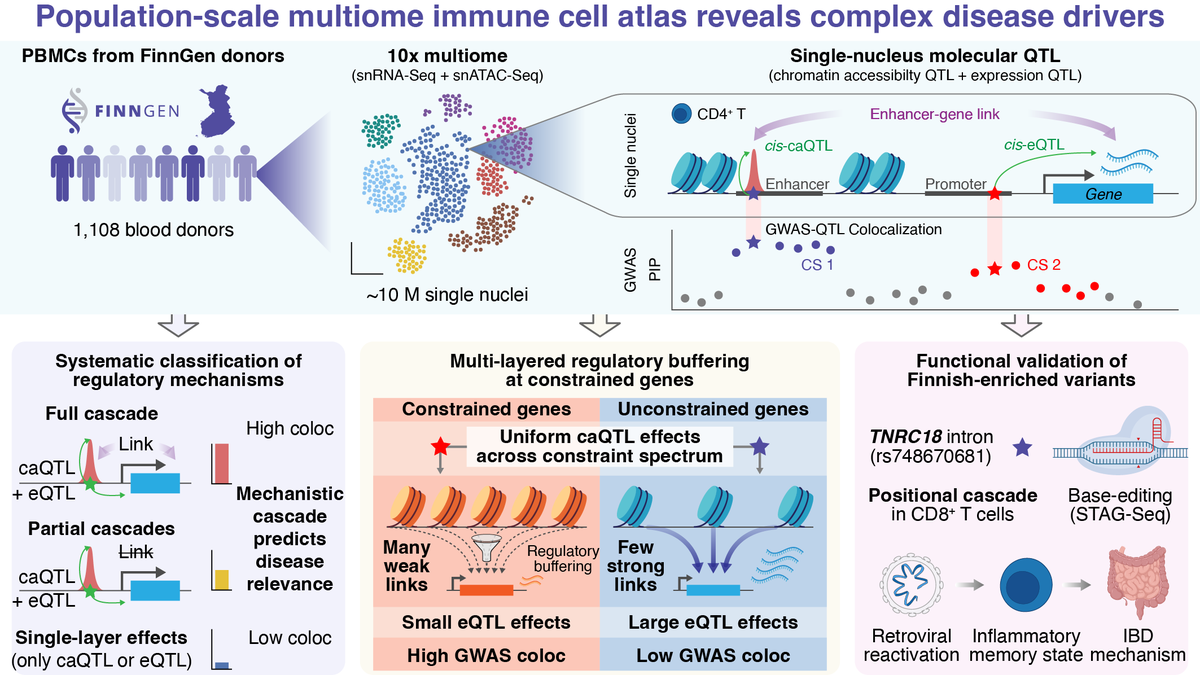
Excited to share our new FinnGen single-nucleus multiome preprint! 🧬
We profiled ~10M PBMCs (snRNA-seq + snATAC-seq) from 1,108 Finnish donors to map how genetic variants drive complex disease through chromatin and gene regulation 🧵👇
🔗 Link: https://t.co/A0LDn0jAKP
Very happy to finally present our work!
“𝘚𝘵𝘢𝘯𝘥𝘢𝘳𝘥𝘪𝘻𝘦𝘥 𝘮𝘦𝘵𝘳𝘪𝘤𝘴 𝘧𝘰𝘳 𝘢𝘴𝘴𝘦𝘴𝘴𝘮𝘦𝘯𝘵 𝘢𝘯𝘥 𝘳𝘦𝘱𝘳𝘰𝘥𝘶𝘤𝘪𝘣𝘪𝘭𝘪𝘵𝘺 𝘰𝘧 𝘪𝘮𝘢𝘨𝘪𝘯𝘨-𝘣𝘢𝘴𝘦𝘥 𝘴𝘱𝘢𝘵𝘪𝘢𝘭 𝘵𝘳𝘢𝘯𝘴𝘤𝘳𝘪𝘱𝘵𝘰𝘮𝘪𝘤𝘴 𝘥𝘢𝘵𝘢𝘴𝘦𝘵𝘴”
Spatial transcriptomics promises deep insight into tissue architecture - but inconsistent data quality across labs and platforms has been a major barrier. A new study from a global consortium addresses this by releasing the Spatial Touchstone (ST): a harmonized, multi-site, multi-platform dataset using six tissue types and two widely imaging used technologies.
We introduce SpatialQM, an open-source quality-control software, and a public repository, Spatial Touchstone Portal (STP), that hosts ~33M cells and ~7B transcripts.
With standardized metrics for sensitivity, reproducibility, signal-to-noise, false discovery rates, and cell-type annotation, this framework gives labs a way to benchmark and compare spatial transcriptomics data reliably.
This effort sets a foundation for more robust, reproducible spatial-omics research — and helps unlock cross-study comparability across institutions and platforms.
I’m incredibly thankful to my amazing collaborators across the globe and an special shout out to my dear friends @DrJasPlummer and @mason_lab and their super amazing teams for literally working they brains out to make this happen.
Felipe, Jiwoon , David, Luke, Maycon, Yutian, Arjumand, Hannah, Kellie, Alex, Lisa, Alicia, Roberto and many more!
@WeillCornell@StJudeResearch
https://t.co/La6JNPjnVG
How does the evolution of the cancer epigenome contribute to immune evasion? We investigated this in colorectal cancer, where we found that immune evasion follows a ‘Big Bang’ evolutionary pattern, initiated right at transformation: https://t.co/RZFhfhaLDa
Too many men die of prostate cancer. We miss you John. We discovered a new way of attacking androgen receptor driven prostate cancers that will lead to new therapeutics. This was a wonderful collaboration with @li_haolong and Felix Feng (rest in peace).
https://t.co/24bBKLdWus
This is what the last five years have been about!
Incredibly proud to share our new paper in Nature Genetics: “Transcription Factor Switching Drives Subtype Specific Pancreatic Cancer.” Thank you @JCarrollLab@PancreaticCanUK@CRUK_CI
https://t.co/tu5do3uRE7
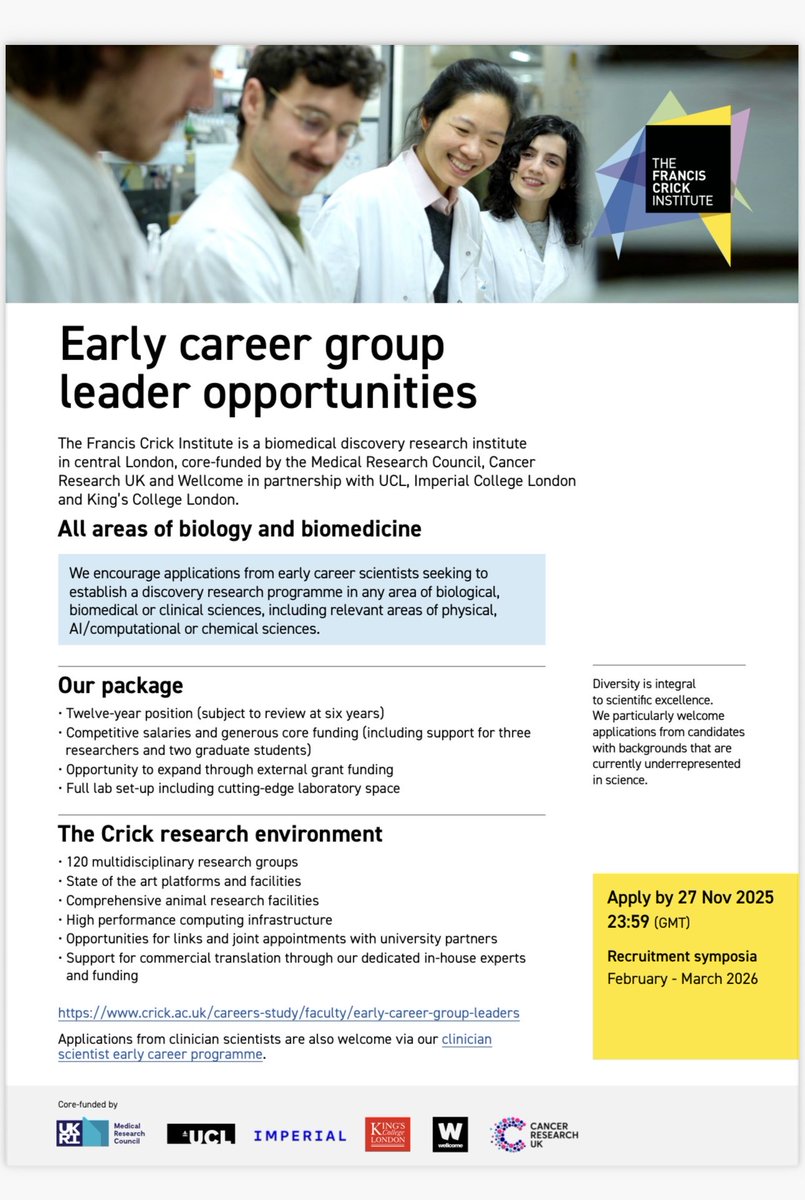
Opportunities will be available very soon to join our team across all levels, see our webpage for details: https://t.co/LHEIwmsAtY We are currently seeking a senior research assistant with wet lab epigenetics experience and a postdoc interested in 3D genome research.
Honoured to receive the Viertel Fellowship for my work on 3D genome and dark genome in cancer at @SAiGENCI@UniofAdelaide ! Thank you to the Viertel Foundation, my incredible mentors and supporters & congrats to Dustin & ZongYuan 🎉! https://t.co/4Klgw111oP
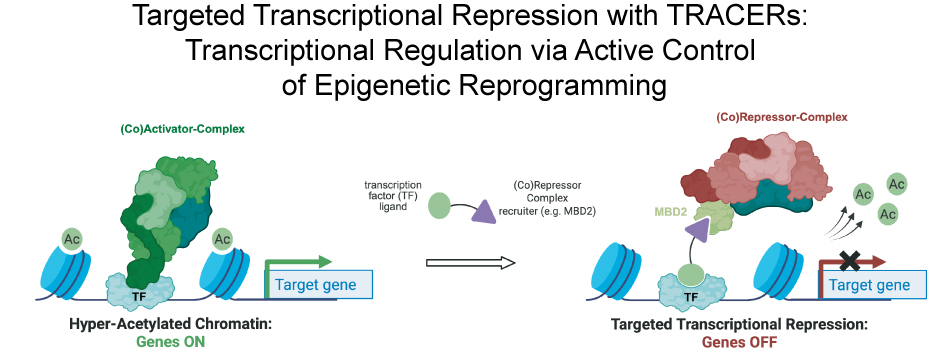
🚀 Excited to share our latest @biorxivpreprint by @CEStieger
We unveil TRACERs - Transcriptional Regulation via Active Control of Epigenetic Reprogramming - a new small-molecule-based induced-proximity modality that silences transcription factors by recruiting endogenous corepressor complexes for locus-specific repression.
https://t.co/PHexXpbAxC
Most transcription factors were historically considered undruggable. But some innovative biotechs are changing all that & big pharma is starting to pay attention. Out now in @NatureBiotech
https://t.co/Pol58Y17vj
Ivws w/: Flare Tx, Quantro Tx, Genentech, Sapience Tx & Ten63 Tx
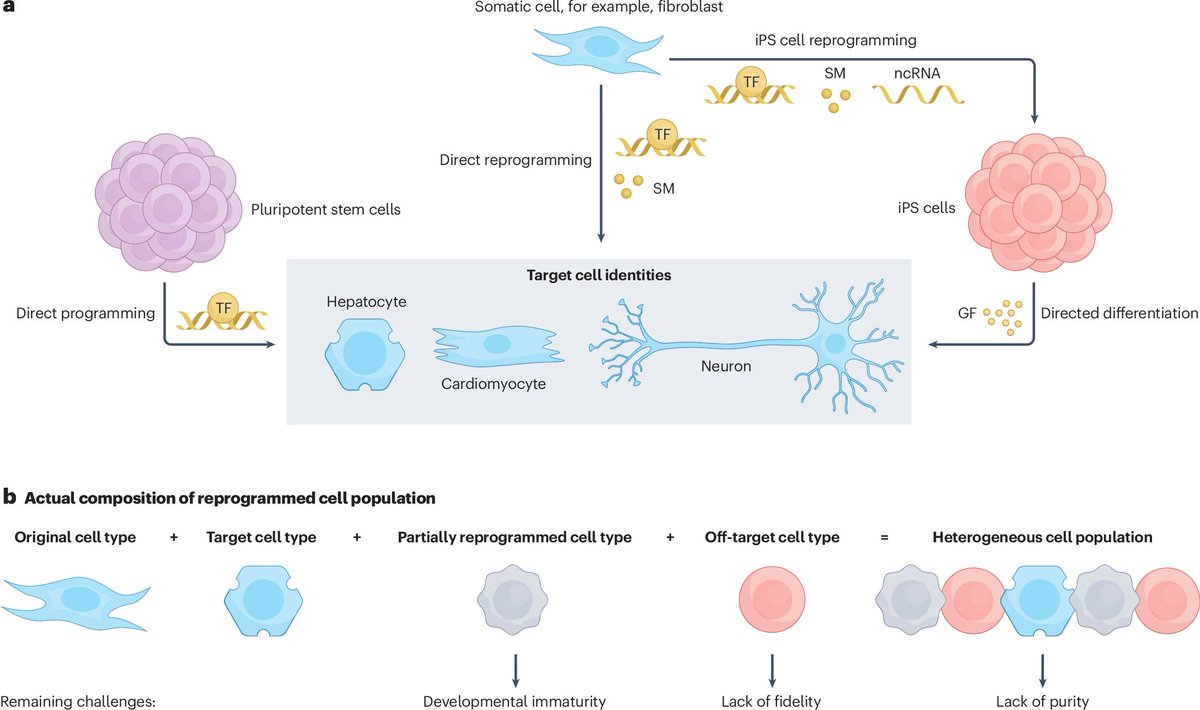
New in Nature Reviews Genetics: my Review on how advanced genomic technologies are redefining cellular reprogramming: mapping trajectories, dissecting chromatin dynamics, + lineage tracing & synthetic circuits to push the boundaries of cell identity. https://t.co/8NBM5ohxkJ
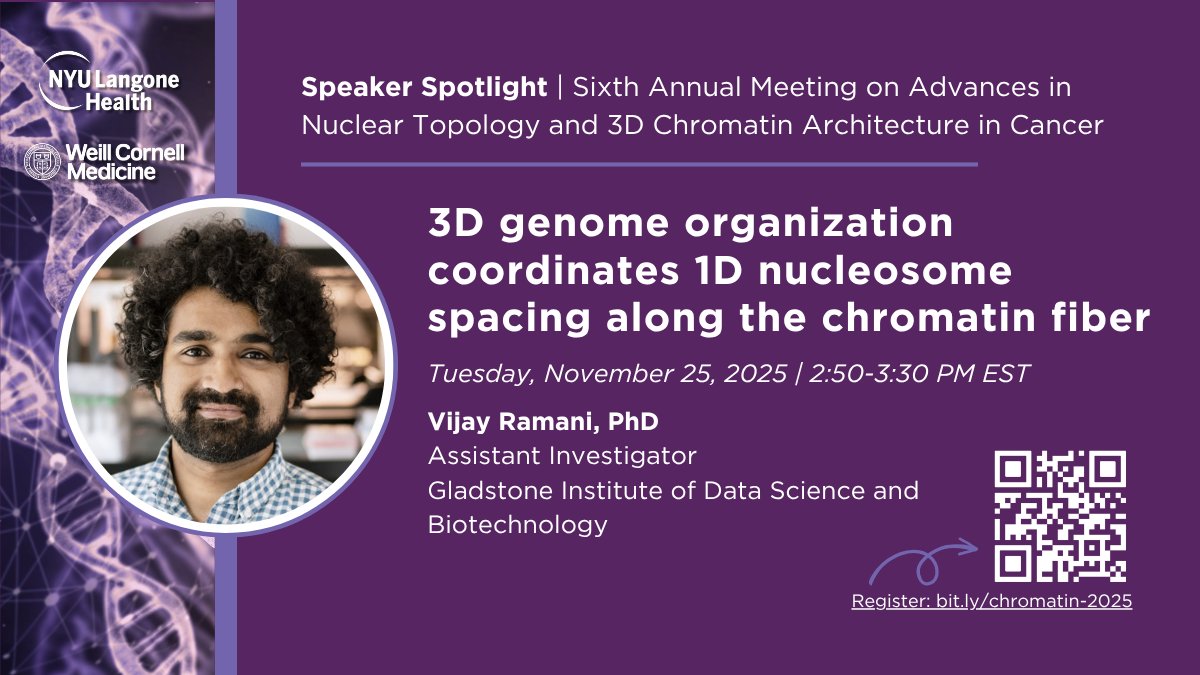
Ever wondered how the 3D shape of DNA influences nucleosome spacing along chromatin? Dr. Vijay Ramani from the Gladstone Institute, will reveal fresh, unpublished insights on this topic, featuring a new method – LASSI – that tracks single-molecule sequence interactions in 3D.
We like to introduce map3C, developed by Joseph Galasso, that drastically improves the mapping and contact calling performance of snm3C-seq and now enables accurate 3D genome modeling. map3C was developed in collaboration with @jernst98 and Frank Alber https://t.co/h8jcF768fR