Science writer @NASAAmes. Playing it cool & punctuating like that's not EXCITING. Places I've called home: New England, Paris, @MyScienceWork, San Francisco.
I'm on a volcano in Hawaii with @BASALT_Research for their #Mars-analog mission. It's fascinating and exciting how complex the project is. Inspiring! #NASAbasalt#Kilauea https://t.co/YXZmmssYC3
📢 Calling all innovators!
NASA is making it easier than ever for small businesses to contribute their technology concepts to support NASA’s missions through a Broad Agency Announcement. The first three appendices, outlining topics and subtopics for desired technology proposals, are open. Submit your proposal by May 21: https://t.co/IIOnIC6zIR
We’re testing a new way to aid in fire response.
NASA researchers attached wind sensors to a drone to provide more frequent and localized forecasts – called micrometeorology – that could help predict fire behavior.
Learn more: https://t.co/Jwsfj88Ck6
Sail deployment achieved!
Our Advanced Composite Solar Sail System has successfully unfurled its sail & will use sunlight for propulsion as it orbits Earth, testing next-generation technologies that will help enable future missions at the Moon & beyond: https://t.co/s0kDJ8VxkE
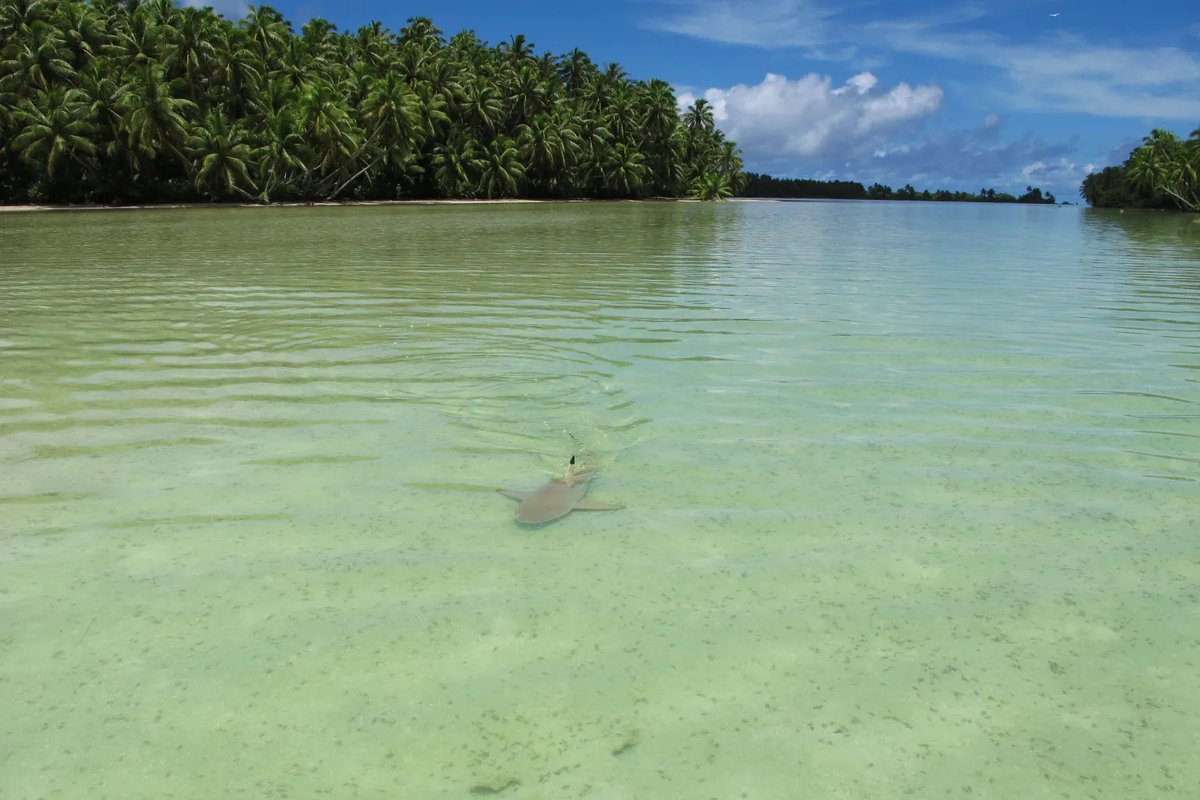
Baby shark, doo-doo, doo-doo, doo-doo 🦈
Ocean wildlife tracking info + environmental data from satellites can help researchers understand how animal populations use their habitats and how that might shift as the climate changes.
Learn more: https://t.co/2utxIGv2Mf
My name is on its way to the Moon aboard VIPER. 🌖🚀 You can send yours (your kid's, your mom's, your students'...), too! Closes March 15. https://t.co/rUk6Sn8O1z
VIPER will fly to the Moon aboard a @SpaceX Falcon Heavy rocket, and land there with an @Astrobotic lander.
#SendYourName before March 15 and your name can too.
Here’s how:
https://t.co/YHNMEfF17i
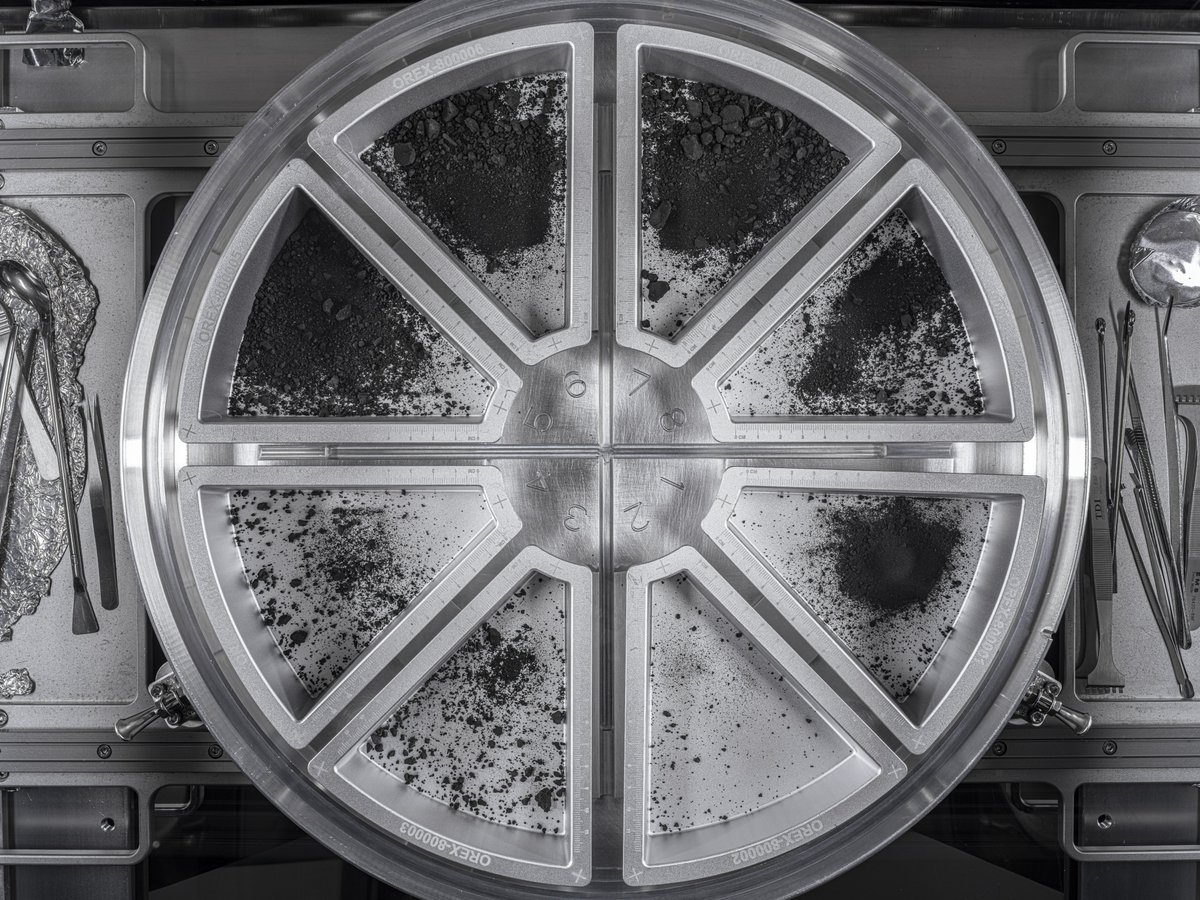
🏋️And weighing in at 121.6 grams is the largest asteroid sample ever collected in space!
The goal was 60 grams, so the #OSIRISREx team more than doubled its mission requirement and has plenty to investigate the mysteries of the early solar system. https://t.co/UUsaxGpajp
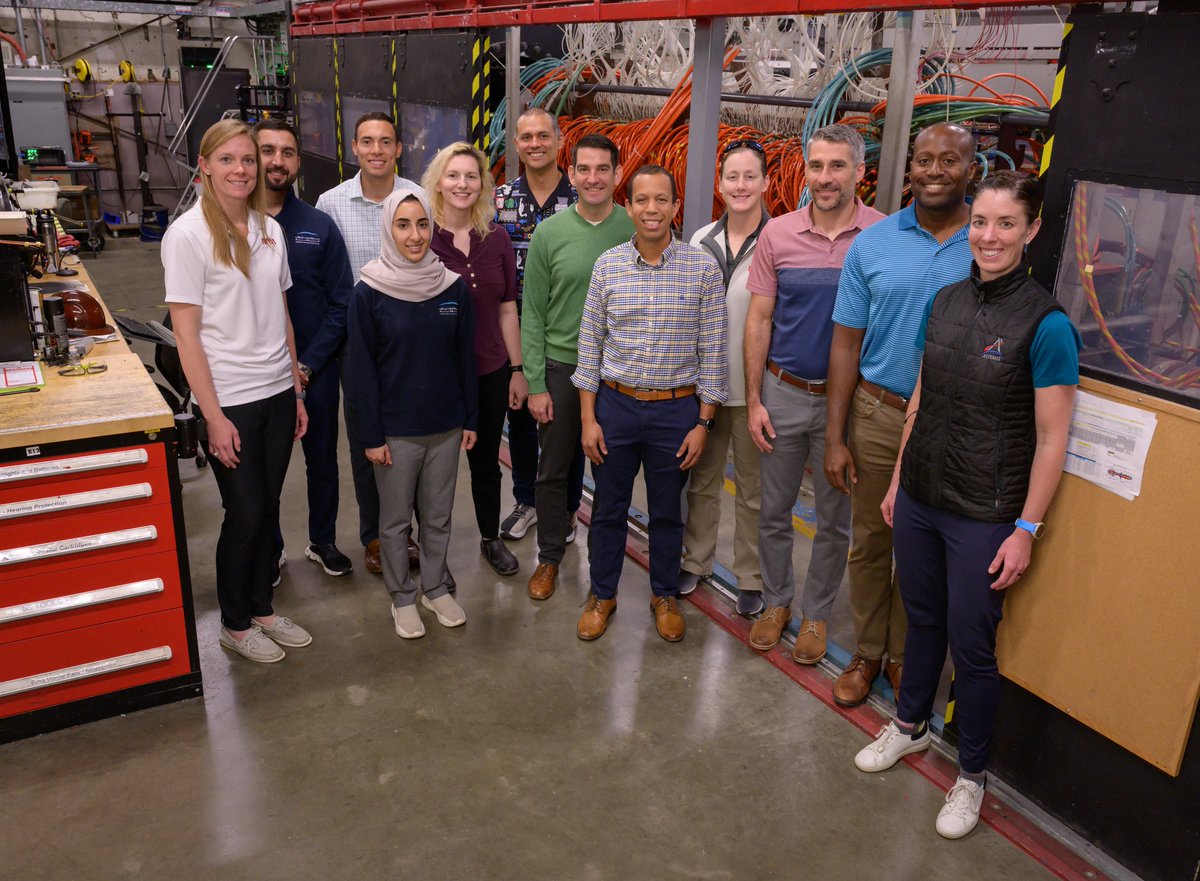
Today, NASA's current class of astronaut candidates toured our Ames Research Center's facilities. The visit included a stop at the Arc Jet Complex, where spacecraft thermal protection materials are tested. Learn more: https://t.co/4J8cwXoJYb
Exploring the origins of Saturn’s rings and moons 🪐
New simulations show a massive collision may have led to the creation of the planet's iconic look.
Learn more: https://t.co/OTPnC0FufD
Much of the world’s population could experience increases in severe heat stress. Fire weather in some regions will likely be more intense and last longer. Learn how @NASA is analyzing the potential impacts of global temps rising beyond 2 degrees warming: https://t.co/HQr7AuAjlV
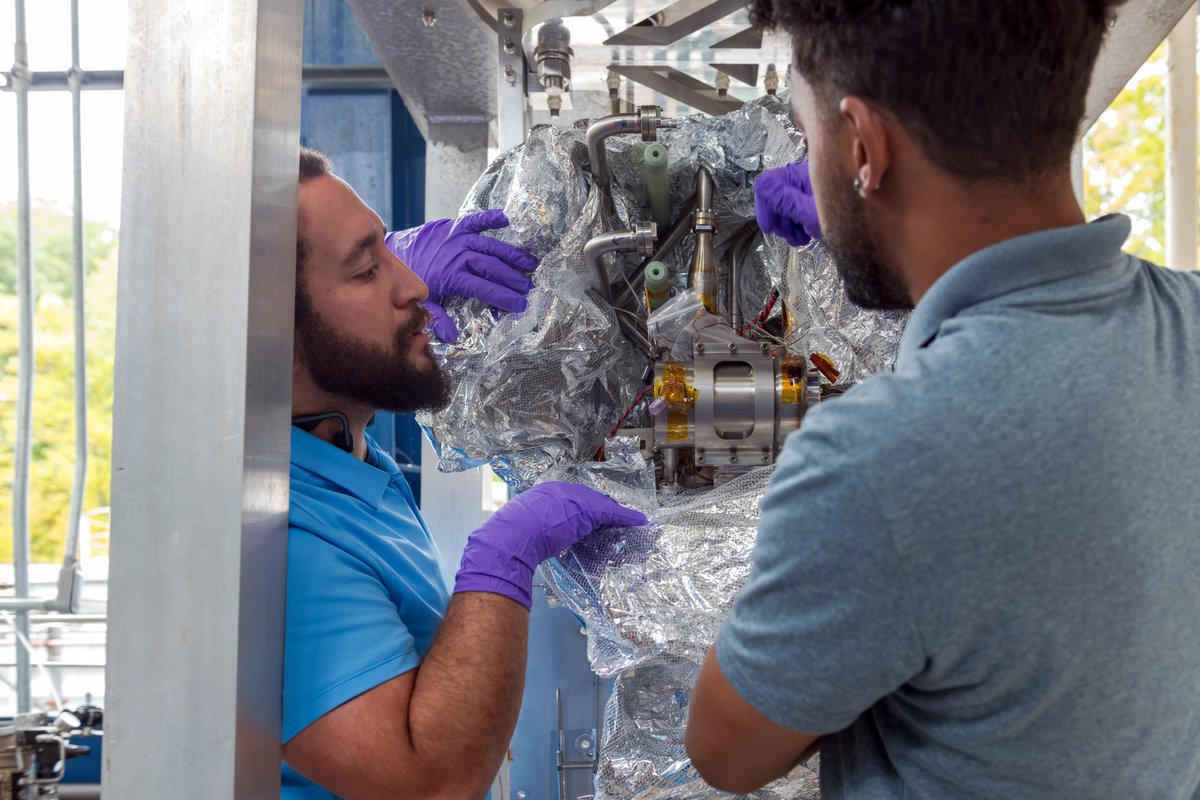
Teamwork makes the dream work! Researchers at @NASAAmes are creating tech to let small satellites work together—without being managed individually by mission controllers. One satellite swarm will fly this summer to test their work in our Starling mission. https://t.co/9zXLMCz5xQ
Next time, the Moon? 🌔
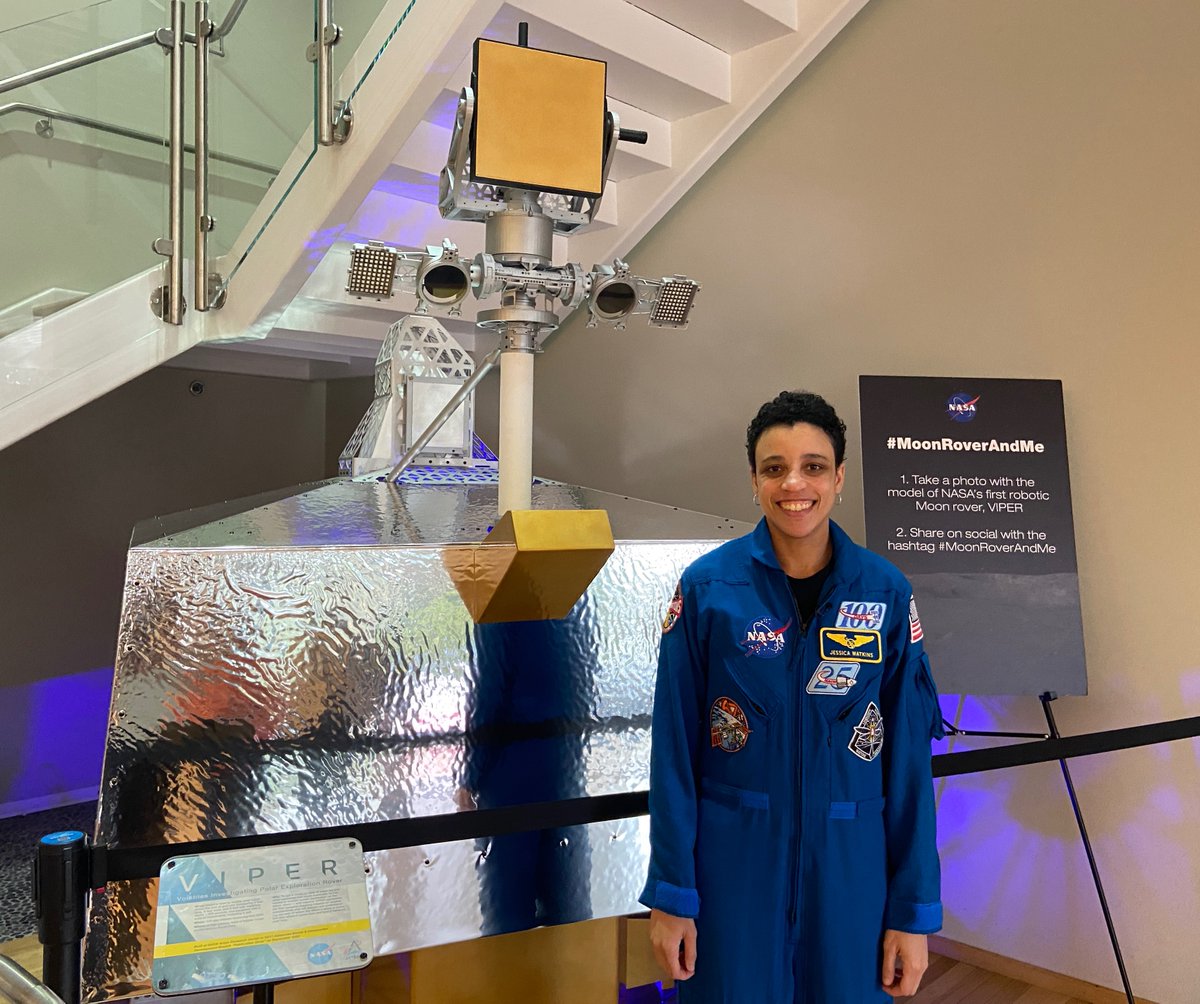
@astro_watkins met our full-scale VIPER Moon rover model today! VIPER will search for water ice and other resources that could support future Artemis missions. #MoonRoverAndMe
It’s usually best to keep your flight path “plane" and simple – complex cityscapes don’t always fly. 🚁
Our Data & Reasoning Fabric project aims to fix that. Drones backed by AI tools are being put to the test like never before. Learn how: https://t.co/ydtSiKU5kv
Melba Roy Mouton—a NASA mathematician and key figure in the Apollo era—is being honored with the naming of a mountain on the Moon’s South Pole.
Mons Mouton is the future landing site of VIPER, our rover set to explore the lunar surface for Artemis: https://t.co/Fng8iiGOWp #BHM
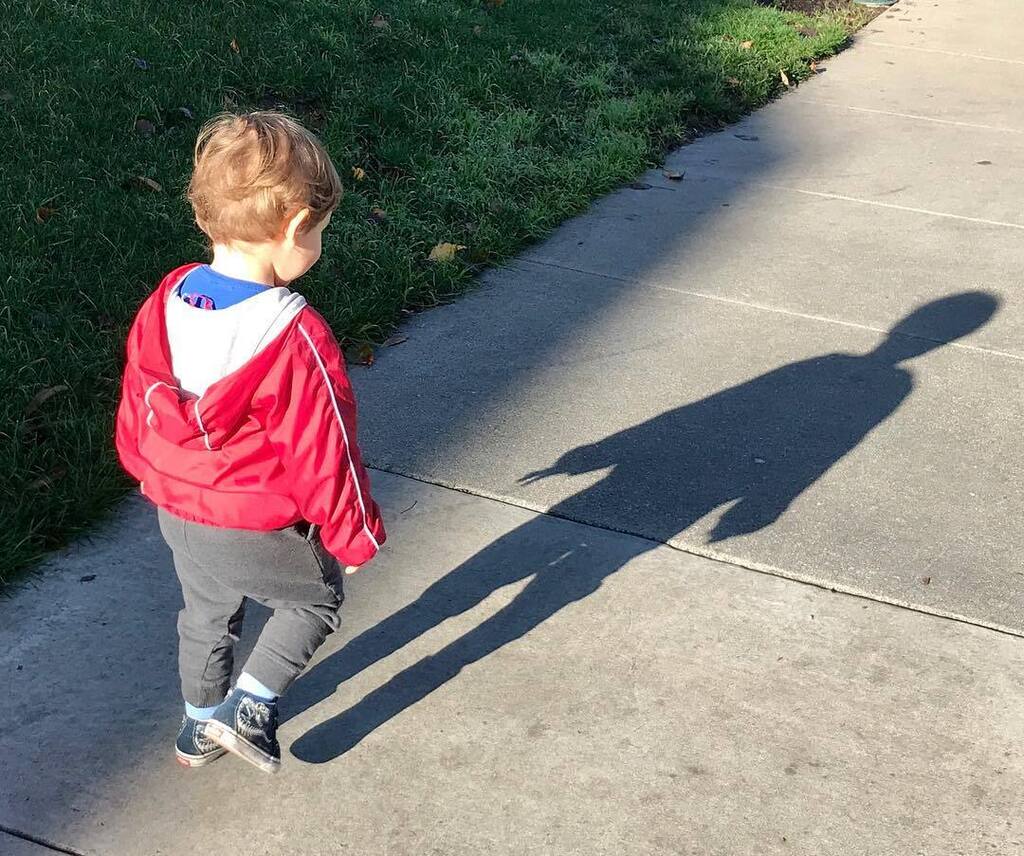
Punxsutawney Jake was startled by his shadow, too, on the first sunny morning after all that rain we had. So, whether you trust the rodent or the toddler: 6 more weeks of winter. https://t.co/3CDaivpapB
Punxsutawney Jake was startled by his shadow, too, on the first sunny morning after all that rain we had. So, whether you trust the rodent or the toddler: 6 more weeks of winter. https://t.co/3CDaivpapB
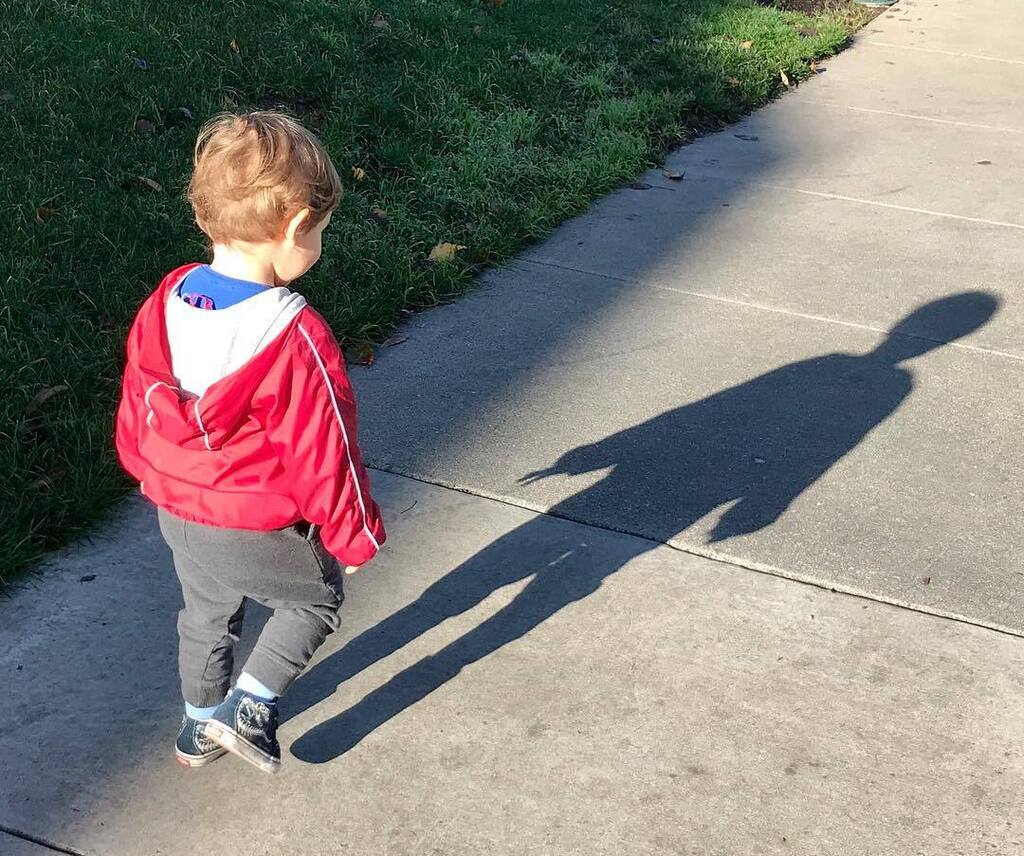
Punxsutawney Jake was startled by his shadow, too, on the first sunny morning after all that rain we had. So, whether you trust the rodent or the toddler: 6 more weeks of winter.Punxsutawney Jake was startled by his shadow, too, on the first sunny morning after all that rain…
LIVE NOW: #OTD one year ago, the @NASAWebb telescope made it to its home 1 million miles away. How has it revolutionized our understanding of the cosmos since? Ask mission experts your questions on air, or tag them #UnfoldTheUniverse. https://t.co/HYLwGYlTm7
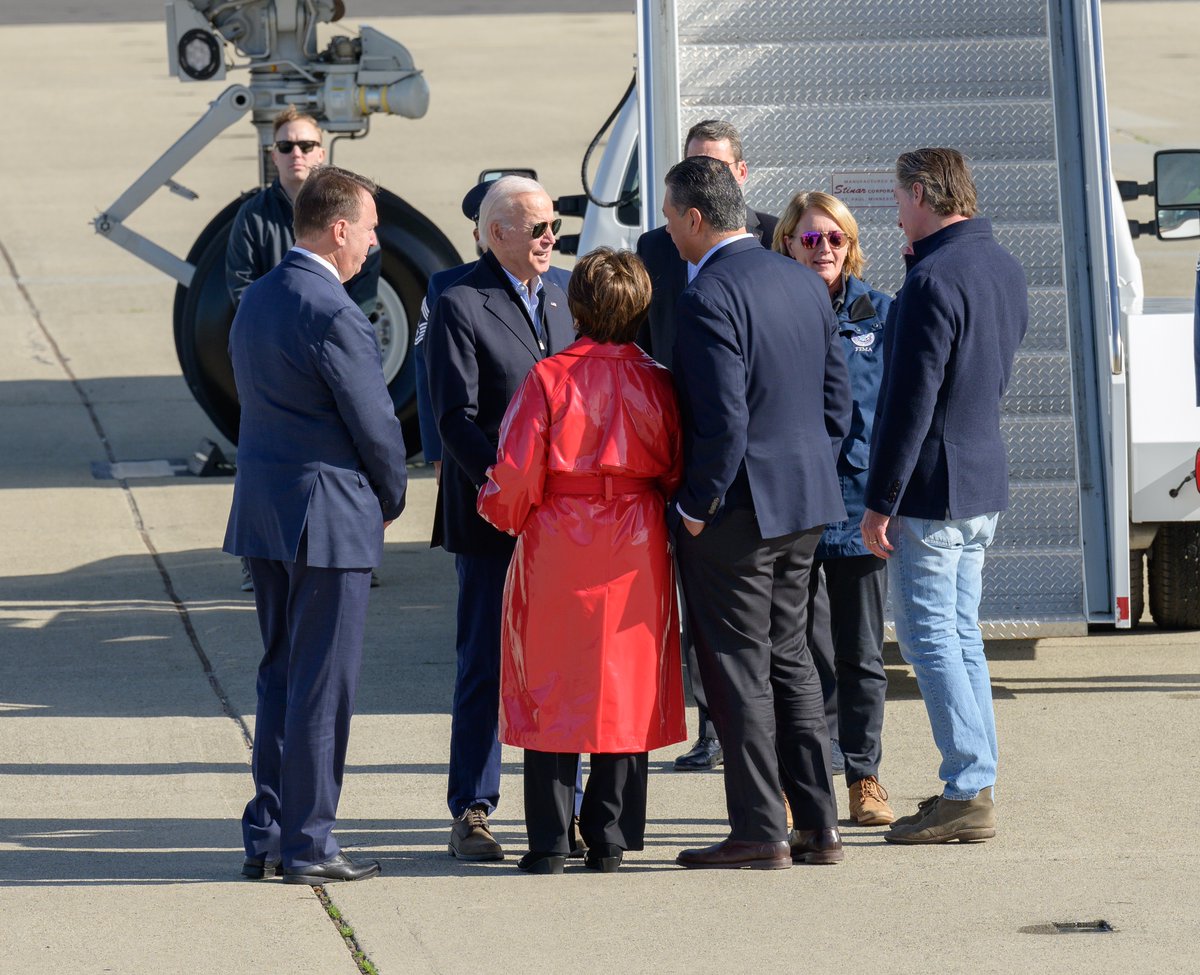
Today, @POTUS was greeted by NASA and California state leaders at Moffett Federal Airfield on his way to visit storm-damaged regions in the state.
Learn how our research could help predict extreme climate-related weather events: https://t.co/Ybn7a6R943
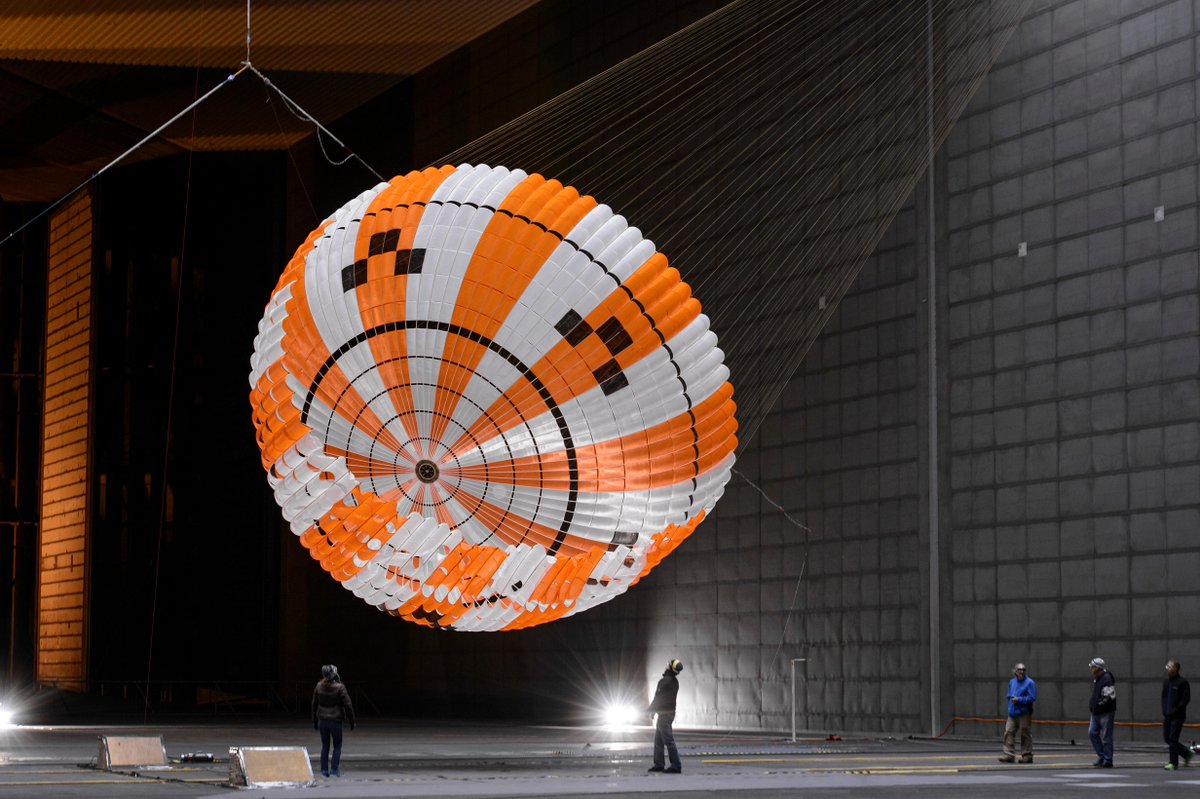
25,000 mph ➡️ 20 mph
During descent through Earth’s atmosphere, @NASA_Orion must slow to a relatively gentle 20 mph for splashdown in the Pacific Ocean. Parachutes tested at our Silicon Valley center will help it do just that!
See how to tune in: https://t.co/YZ3FyaVupN