This is our final post on this site. Look for us on blue sky for info about new data and publications including a new paper "Sources of uncertainty in estimation of climate velocity and their implications for ecological and conservation applications" https://t.co/PrP3ofjlab
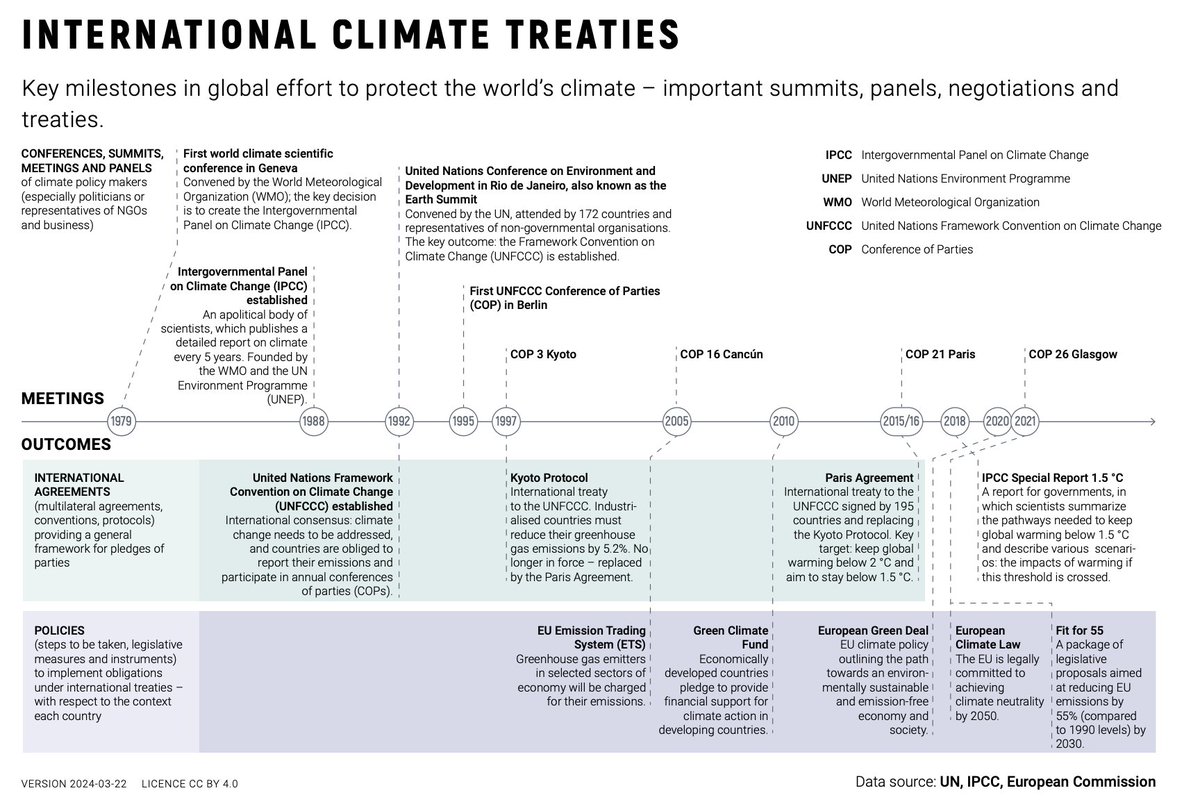
Wow... this Atlas of Climate Change really is FANTASTIC!
An EXCELLENT resource for teaching about climate change. Beautiful clear visuals.
Thanks @Peters_Glen for the recommendation.
Link: https://t.co/Ea4EuUpnu7
Global trends and scenarios for terrestrial biodiversity and ecosystem services from 1900 to 2050. Our paper @ScienceMagazine shows declines in biodiversity and regulating services driven by land-use can be slowed but climate impacts are accelerating #1/ https://t.co/fXTmFIuqOT
This week I gave a presentation about flying and offsetting in academia for the Climate Action Research Institute @SwanseaUni. Here's a short 🧵 of the main points...
My recent talk "Analysis of Spatial Patterns: Current State and Future Challenges" presented at @iiasavienna explores methods for quantification and exploration of spatial patterns.
You can find the slides at https://t.co/VvvQd63qxg.
#rstats#rspatial#spatialpatterns
Batch register Cloud Optimized Geotiffs to Google #EarthEngine asset collections. Just released COGEE to help with the process.
Find more info at https://t.co/aepNIqBmrC ⭐️
Also, find other #GEE tools I made at https://t.co/JxI1JCXl7V
#opensource#geospatial#GEE#Geo4Good23
Big news in #OpenData! Connected with https://t.co/49Taq7ZEjo's Justin Huntington & Eric Jensen about sharing dozens of climate datasets through the #AwesomeGEE Catalog. Expanding the geospatial commons.
Read the blog! 👉 https://t.co/56H7lyw1HH
#OpenData#geospatial#GEE
⚠️ rgdal, rgeos, and maptools won’t be available on CRAN after October 2023. ⚠️
What are the consequences of this change? What do you need to do as a user and as a developer?
Read my blog post at https://t.co/SW7hfT6l9T
#rstats#rspatial#gischat#geocompx
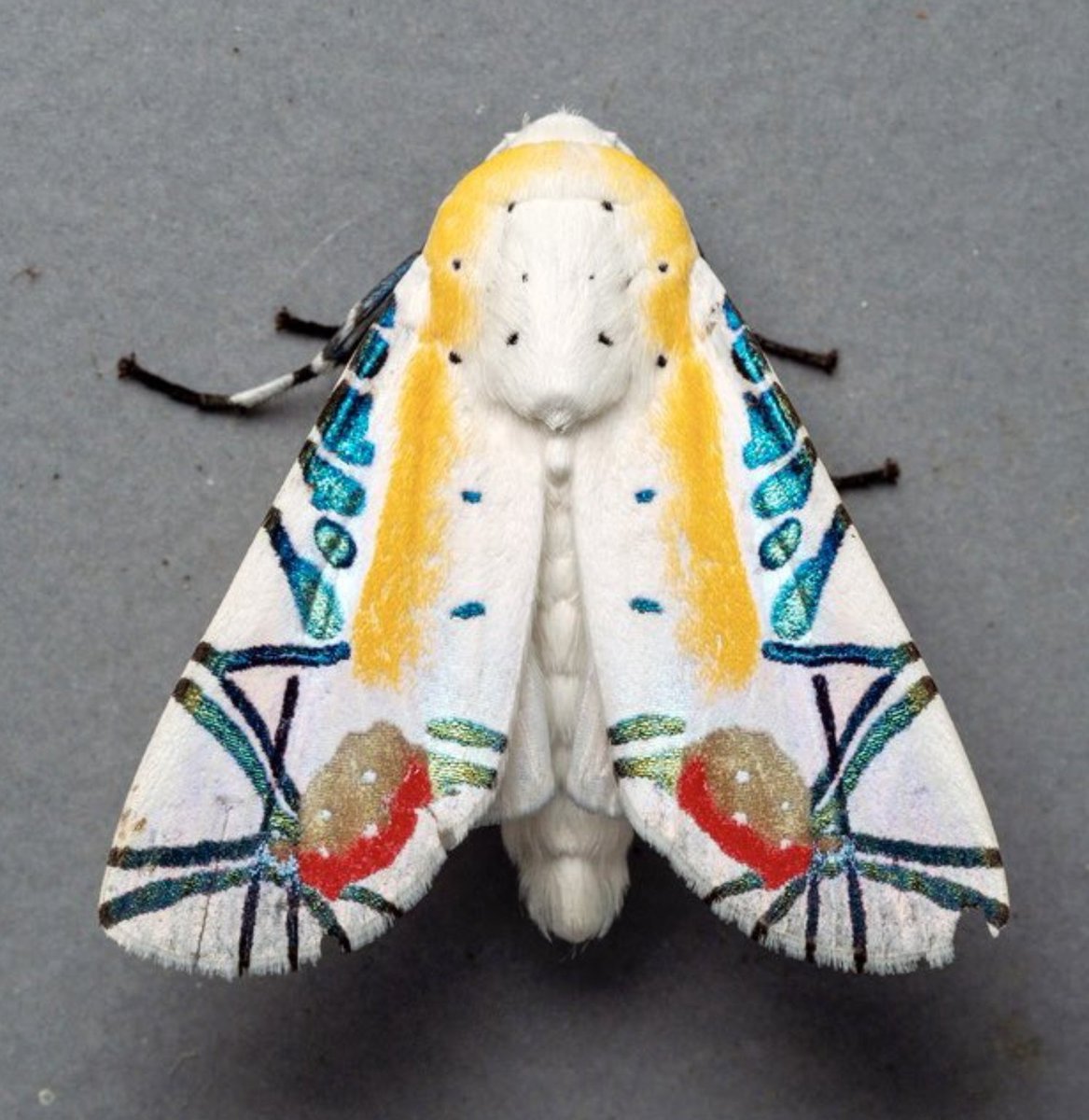
#NationalMothWeek day 9! The final moth of the week is the truly spectacular Picasso moth (Baorisa hieroglyphica). Considered to be one of the most beautiful moths in the world. Photo: msone #MothWeek
Coming soon!
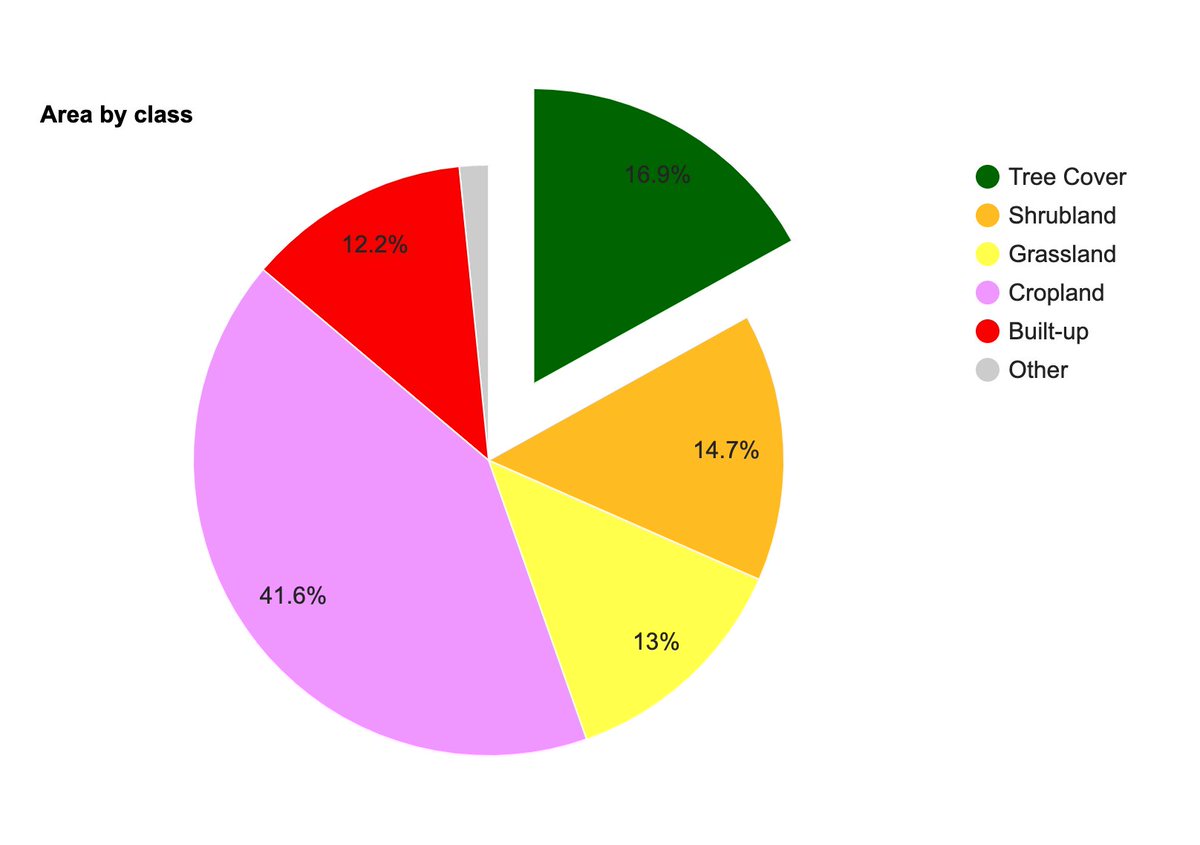
The National Land Cover Database #NLCD will release a 2021 suite of products for the conterminous United States. NLCD 2021 will include #landcover, urban #imperviousness, tree canopy and other science research products across nine epochs from 2001-2021.
Here's a link to the recording of the 4 talks and the Q&A:
Detecting and attributing the causes of #biodiversity change with @EWTekwa @MI_AvilaThieme Ruth Oliver and yours truly.
📽️👇@RSocPublishing
https://t.co/sDx9Piqn7p
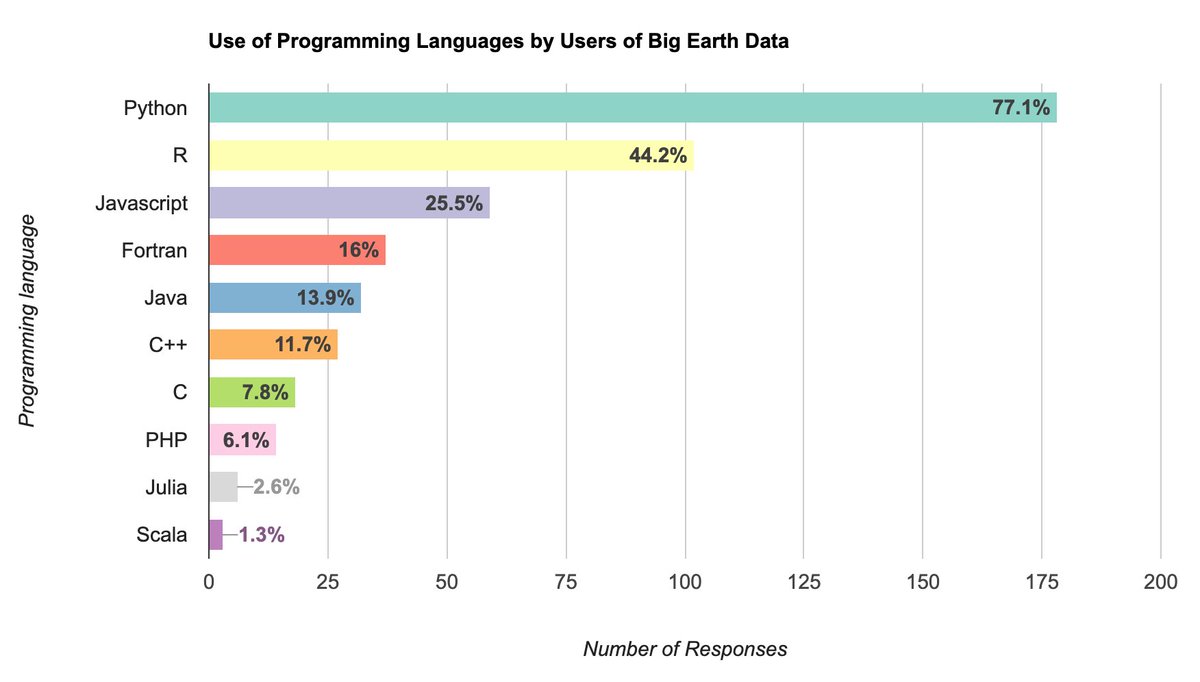
Releasing a new Google #EarthEngine workshop titled "Creating Publication Quality Charts with GEE" with completely open materials and code. A structured guide to help you create beautiful and informative visualizations from climate and earth observation datasets. A thread (1/n)👇
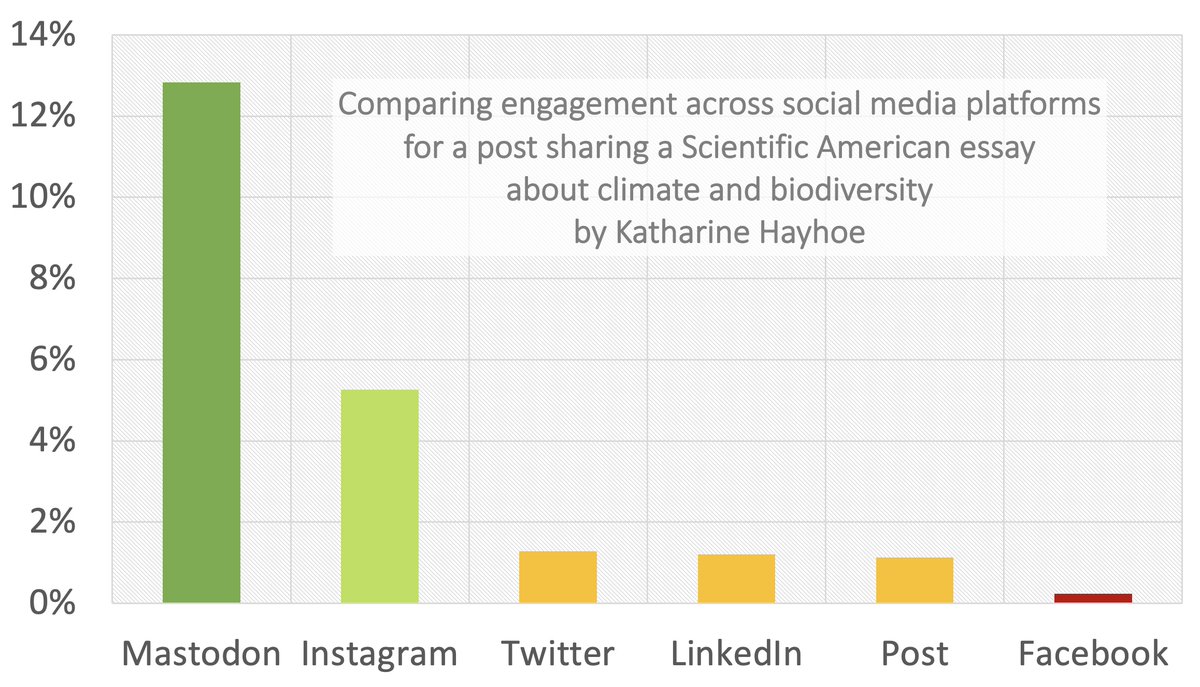
On Monday, I shared an essay about climate and biodiversity for Scientific American on six different social media platforms & tracked proportional engagement (likes+shares+comments/followers).
The winner? MASTODON.
Second place? INSTAGRAM.
Last? FACEBOOK.
See below for more.
The intro to the special issue:
👉Detecting and attributing the causes of #biodiversity change: needs, gaps, and solutions #OpenAccess
https://t.co/KnkDhKi3mu
We summarize the fantastic set of contributing papers @RSocPublishing @EWTekwa @mioconnor @ZurellLab