fun fact:
same PI, same trial design tested metformin and NR to improve walking speed in peripheral artery dz
metformin failed
https://t.co/BiZXlYdSPA
NR succeeded
https://t.co/3GoY2JcMKO
NR vs NMN?
I used each for 90 days & both were effective in getting my intracellular NAD levels to age 16 equivalent, 31 yr age reversal as semi-indirect bioage marker. Recent levels 54.6μM via Jinfiniti test. Used @truniagen NR & @JinfinitiPM NMN.
Nicotinamide Riboside (vitamin B3) extends lifespan.
Here it was shown to:
◈ Upregulate protective gene expression (mitochondrial metabolism, DNA repair)
◈ Downregulate inflammatory gene expression
◈ Improve stem cell health + function (drop in aging, lower regenerative capacity)
NAD+ / NADH ratio drops with age - optimizing it is one of the keys to a healthy + long life.
NCoR1: A Master Regulator of Intestinal Aging Reversed by Metformin
Aging doesn't just affect muscles, brains, and blood vessels—it reshapes the gut at the cellular level.
A new Nature Aging study generated a single-nucleus atlas of the aging primate small intestine and identified NCoR1 (Nuclear Receptor Corepressor 1) as a central regulator of intestinal aging that can be restored by long-term metformin treatment.
Researchers profiled 64,558 nuclei from young and aged cynomolgus monkey small intestines and uncovered several hallmarks of intestinal aging:
🔹 Reduced villus height and crypt depth
🔹 Increased epithelial senescence
🔹 Barrier dysfunction with loss of ZO-1 and E-cadherin
🔹 Chronic inflammation and oxidative stress
🔹 Increased retrotransposon activation
🔹 Reduced intestinal stem-cell function
🔹 Differentiation bias away from absorptive enterocytes toward secretory lineages such as Paneth cells
Single-nucleus transcriptomics revealed widespread activation of inflammatory programs including NF-κB signaling, cytokine responses, SASP, oxidative stress, and apoptosis, while genes involved in nutrient absorption and intestinal homeostasis declined.
Among all aging-associated regulators, NCOR1 emerged as one of the most consistently downregulated genes across epithelial, immune, and stromal compartments. Importantly, this decline was conserved in human intestinal datasets and human biopsy samples.
Functional validation demonstrated causality:
✅ NCOR1 knockdown in human intestinal epithelial cells induced:
• SA-β-gal positivity
• DNA damage
• p21 activation
• Junctional disruption
• Reduced proliferation
• Increased inflammatory signaling
✅ Human intestinal organoids with NCOR1 depletion developed:
• Stem-cell exhaustion
• Reduced growth
• Expansion of Paneth cells
• Features resembling aged intestine
The most striking result came from intervention studies.
Long-term metformin treatment for 40 months in aged monkeys restored intestinal NCoR1 levels, reduced inflammation, improved epithelial proliferation, and delayed biological intestinal aging measured by a single-cell transcriptomic aging clock. The average intestinal biological age was reduced by approximately 1.17 years, with some epithelial populations showing even larger rejuvenation effects.
Mechanistically, metformin's anti-aging effects were largely lost when NCOR1 was suppressed, placing NCoR1 directly downstream of metformin action.
This study positions the aging intestine as a previously underappreciated target of geroscience interventions and identifies NCoR1 as a pharmacologically actionable hub linking stem-cell maintenance, barrier integrity, inflammation, and epithelial homeostasis.
The implication is clear:
Maintaining NCoR1 may be a key strategy for preserving gut function, nutrient absorption, immune resilience, and systemic health during aging.
Reference
Li J, Lu X, Tong T, et al.
Single-nucleus interrogation of primate small intestinal aging reveals NCoR1 decline as a conserved feature that is reversed by metformin.
Nature Aging (2026)
DOI: 10.1038/s43587-026-01131-0
#Aging #GutAging #NCoR1 #Metformin #Geroscience #SingleCell #Organoids #StemCells #Longevity #NatureAging
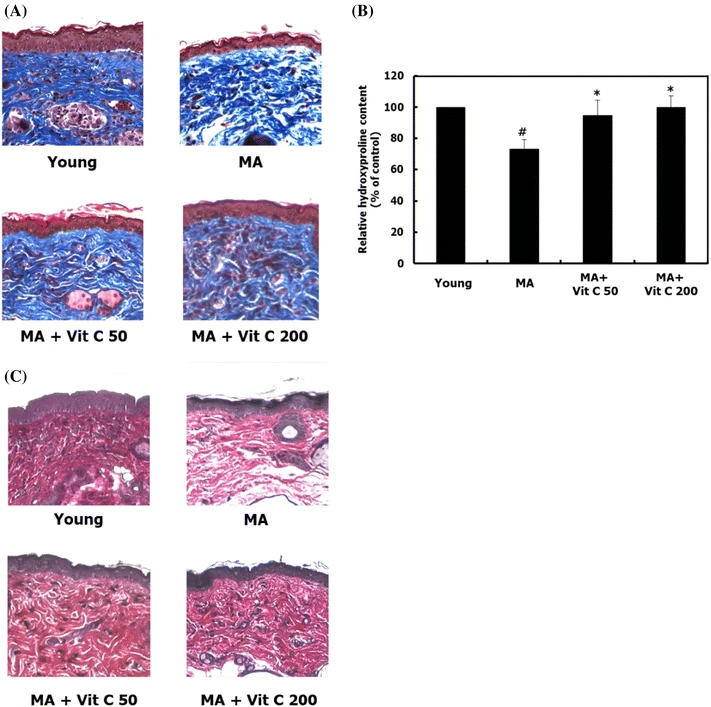
2 Kiwis a day reverses signs of skin aging in clinical trial.
The kiwis increased skin density by ~50% after 8 weeks.
The green here represents functional tissue, mainly collagen protein, in the skin.
Kiwis also improved the rate of skin cell proliferation - A loss of this process means the skin is aging and deteriorating.
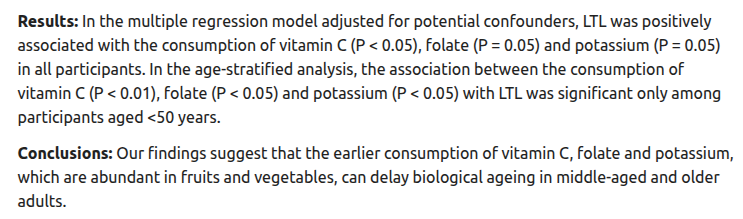
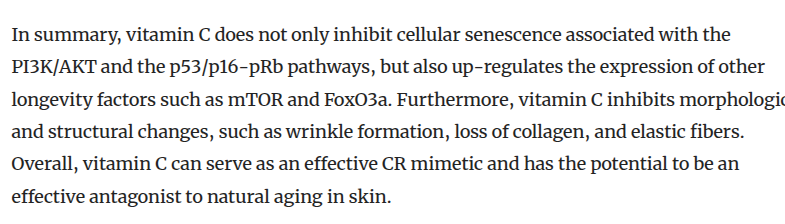
This is due to kiwis' sky high content of vitamin C.
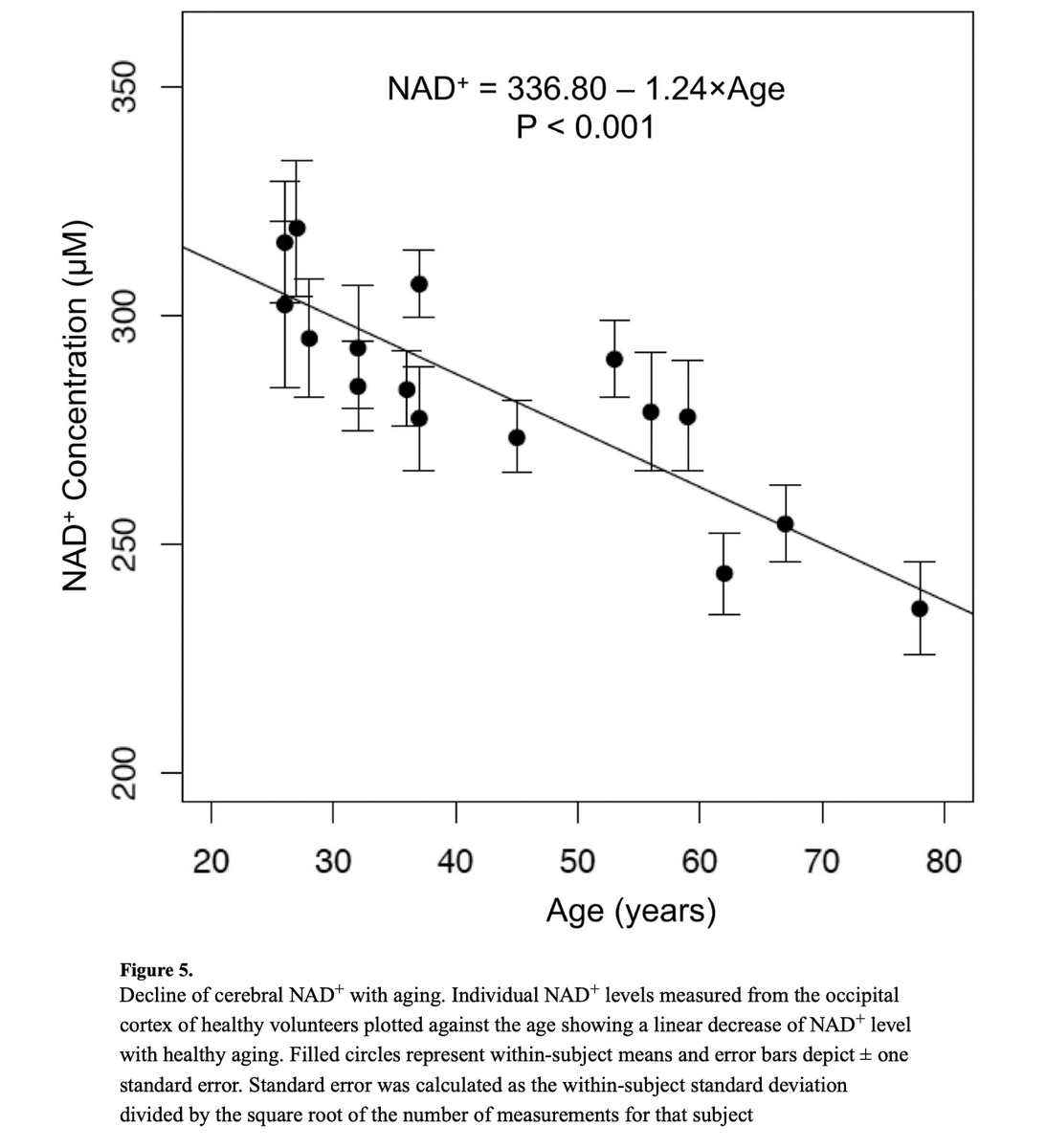
#4 Low NAD+
NAD+ levels have been shown to decline almost linearly with age in key tissues.
Here is the correlation in the cerebral cortex of the brain.
(7/10)
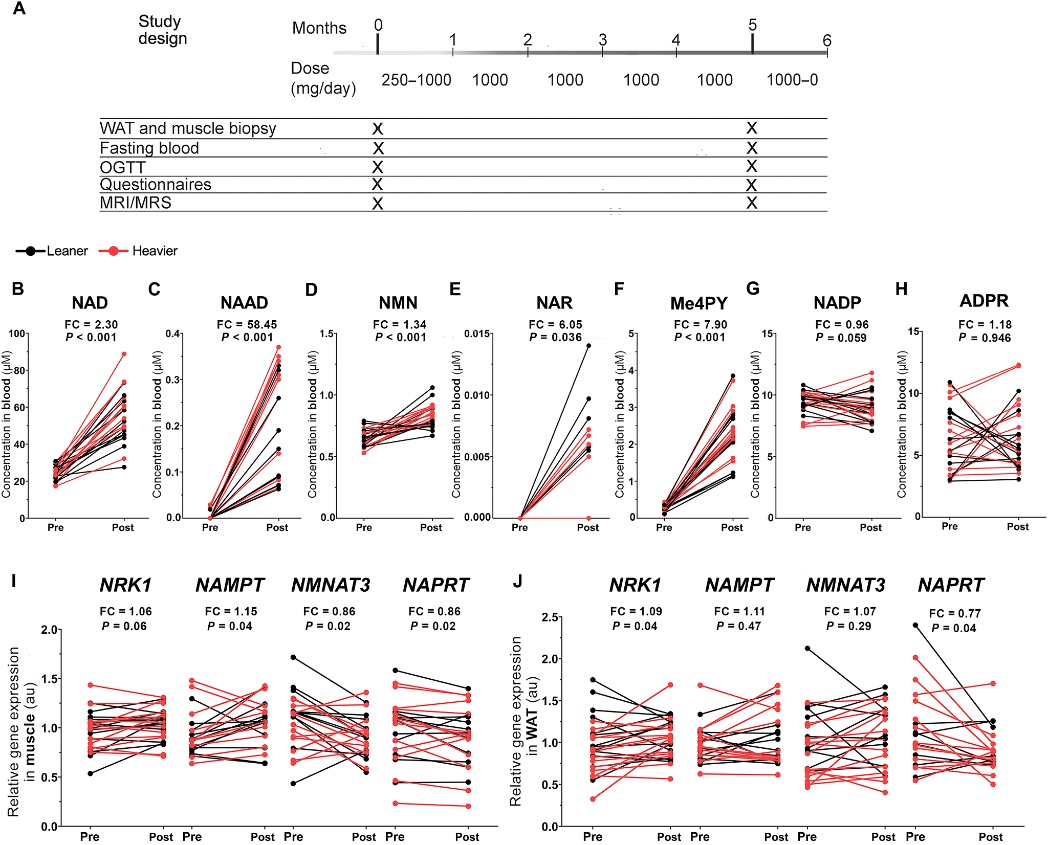
Nicotinamide riboside improves muscle mitochondrial biogenesis, satellite cell differentiation, and gut microbiota in a twin study
@DrPietilainen, @pirinenlab & coauthors
https://t.co/f6ohk9NwoQ
@ScienceAdvances
Epigenetic Regulation of Genomic Stability by Vitamin C
https://t.co/r5oQaLxaSw
@davidasinclair What is your opinion regarding the role of vitamin C in aging?
#vitaminC#aging