Neurointensivist @ UMich | OHSU, UMich, and IUSM Alumnus | Interests in medical education, MMM, neurology of systemic disease, EBM. | Views are my own.
ARISE-FLUIDS has arrived and it's awesome 🥳
For over a decade, the Surviving Sepsis Guidelines recommended that septic patients get at least 30 cc/kg fluid. In the United States, these guidelines were weaponized into performance metrics, pressuring clinicians to prescribe arbitrary volumes to every patient.
Evidence-based clinicians have LONG known that this guideline lacked evidentiary support. For example, I've attached a picture of a blog I wrote about this back in 2017. Despite the lack of evidentiary support and some evidence of harm, the Surviving Sepsis Guidelines INSISTED on perpetually recommending 30 cc/kg fluid resuscitation.
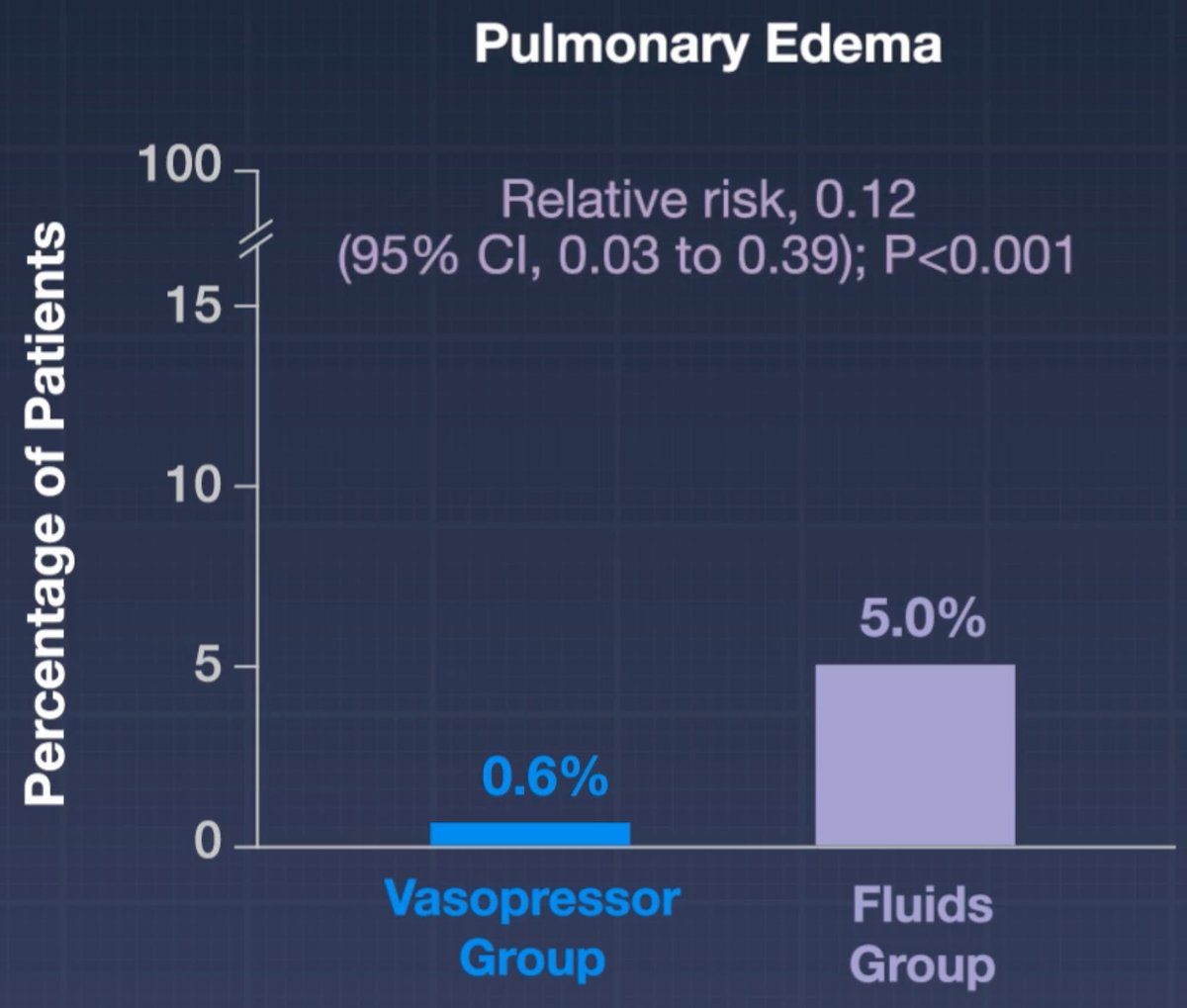
We finally have a prospective RCT demonstrating that mandating early administration of 30 cc/kg fluid (as compared to early vasopressors) doesn't help and may actually cause harm.
It's important to note that all of the hard endpoints in this trial were neutral (e.g., mortality, days free of organ support).
I still think that 30 cc/kg fluid is a pretty reasonable volume of fluid for *most* patients. But the study does suggest that giving too much fluid may promote edema - so we should be *thoughtful* about this intervention rather than mandating it for every septic patient.
Based on the subgroup analysis, the fluid-conservative strategy may have helped the subgroup of pneumonia patients the most. This is statistically nonsignificant but aligns with my expectation. ARDSy patients often don't respond well to fluid. (In contrast, I really doubt that a liter of fluids in either direction matters for most urosepsis patients.)
This is a great example of the over-reach of guidelines and protocoled medicine. People get all upset about practice variation, so sometimes they try to stomp it out using guidelines and protocols. But these guidelines are highly fallible, so what may occur is that you standardize care in a way that harms everyone equally. 🤦♂️
#Nephmadness#POCUS
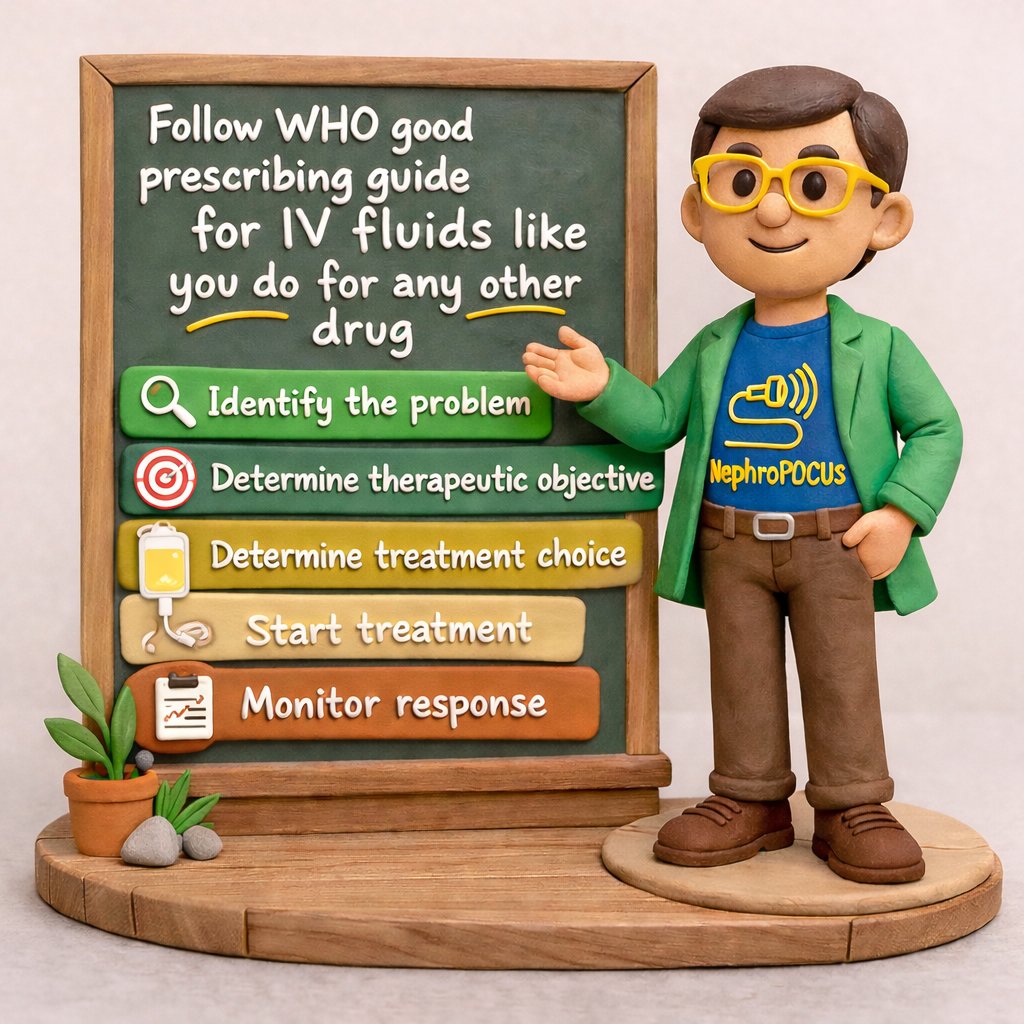
IV fluids are used so routinely that it’s easy to forget they’re actually drugs. Like any drug, we should first define the patient’s problem (i.e., establish an indication), set a therapeutic goal (i.e., what's the stop-point?), and then choose the appropriate type and dose of fluid.
In what world are we living where people think the benefits of a CVC or a PICC just for lab draws outweigh the risks when you can place a US-guided PIV w/ ease... and replace it easily in 2-3 days if needed... literally ignoring ALL the literature on this topic cc @nickmmark
🧵 Albumin in Critical Care: 70 Years, 700 Papers… Zero Benefit
1/
Albumin is the most studied fluid in critical care.
Decades of trials. Endless meta-analyses.
And yet – not a single clinically meaningful benefit.
Here’s why the entire theory collapses once you understand Extended Starling. 👇
(1/x) Andromeda-Shock 2 was just published in JAMA and is the most important septic shock trial in the past DECADE.
They found that phenotyped resuscitation improves the composite outcome of mortality, vital support, and hospital LOS.
Here's how you can apply this protocol to your practice 👇
Presented at #LIVES2025:
In the EVERDAC trial involving patients with shock, results for death at day 28 indicated that management without early arterial catheter insertion was noninferior to early catheter insertion. Full trial results: https://t.co/jgmThogrgL
Editorial: A Less Invasive Approach to Intensive Care https://t.co/o52QhF75l7
Great work with formally and collaboratively developing a sim-based curriculum for producing and assessing competency with brain death determination. #NCS2025
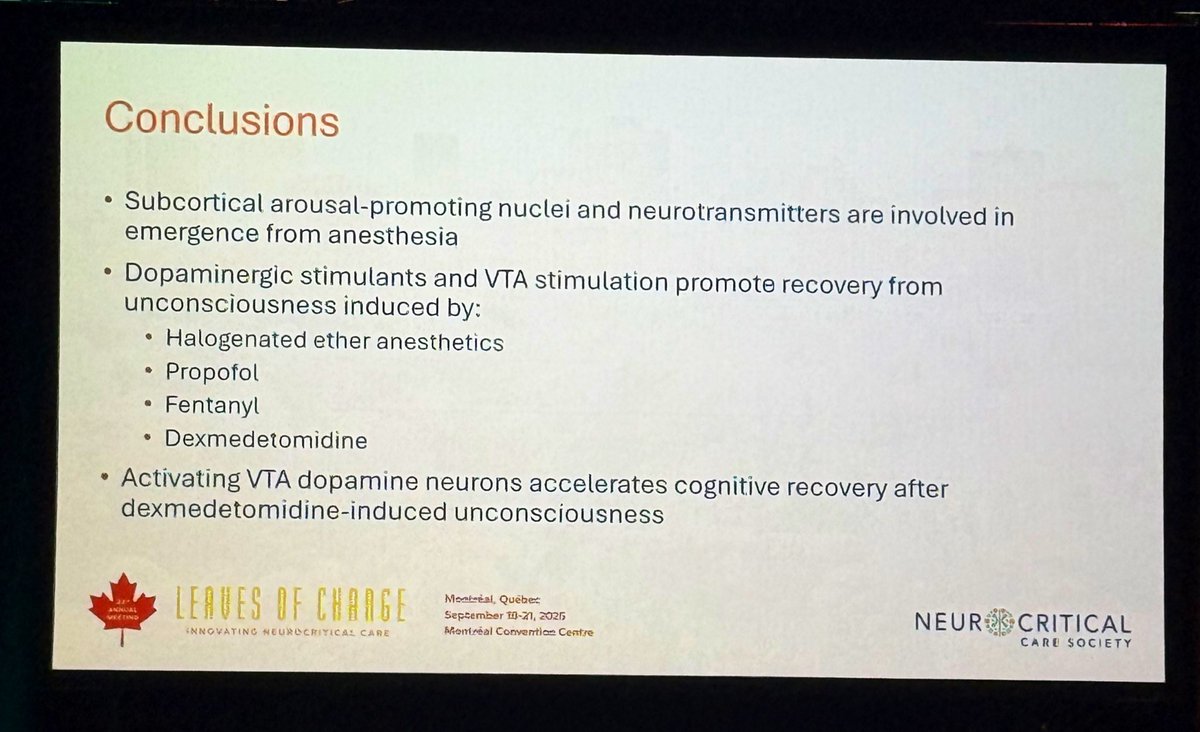
Very interesting talk on reversing the effect of GA by targeting arousal pathways rather than the pleiotropic targets of anesthetics. Here, dopaminergic pathways were targeted (via D-amphetamine or DBS) and triggered arousal even with ongoing sevoflurane or propofol. #NCS2025
Looking forward to ICECAP results— great that the study population more closely represents reality. Regardless, key to realize we’re providing these patients with complete package of care and not giving up early— prognostic nihilism and early WLST remains a problem. #NCS2025
Finally, an RCT of MAP augmentation (85-90 vs. 65-70mmHg x 7 days) for tSCI! Level of evidence has been incredibly poor, so thankful for enrollment here. No difference in neurologic outcomes, but worse safety outcomes with augmentation. #NCS2025
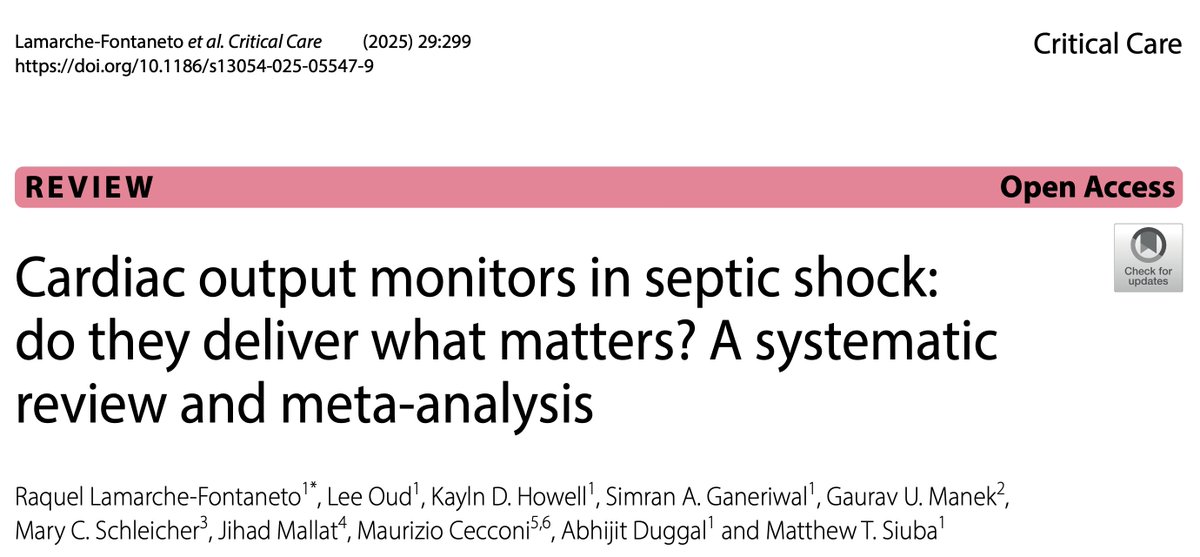
New 📝 lead by 🌟 fellow @LamarcheRaquel, relevant to anyone who uses minimally/non-invasive CO monitors in patients with septic shock.
Open access at @Crit_Care
🎤 drop in the conclusion paragraph!
Today I found out I am likely going to have surgery on the same shoulder I use to intubate patients. And I’m scared.
Why? Because I don’t have and can’t get disability insurance after an insurance agent tried to sell me the wrong kind of policy when I was in training. And if this shoulder doesn’t get better that’s a real risk for me.
And a real financial catastrophe for my family.
This story started when a northwestern mutual agent had me apply for a fully underwritten disability insurance plan that looked into my PMH, and when they saw I had an essential tremor and ADHD I got flat out denied.
And this is common.
In fact, around 50% do doctors who apply for disability end up getting denied, modified (higher cost), or excluded (eg that one ACL injury? We won’t cover you for that if you get disabled… it’s excluded)
What my agent should have done instead of having me apply for a fully underwritten insurance policy is tell me about the Guaranteed Standard Issue (GSI) policy I would have available in training that would NOT look into my PMH.
In fact, the GSI is “guaranteed” so long as you haven’t been disabled. And you haven’t been denied/modified/excluded (what happened to me).
All because this Northwestern agent wouldn’t have made as much money from selling me the GSI, which had zero risk.
… but there is a catch to the GSI.
The GSI is only available while in training and for a very short period (about 60 days) after.
So if you are in training, or just finished… PLEASE make sure to get disability insurance, and get it from someone you can trust who will actually tell you all of your options.
We are happy to help you do that at MMM DI if you need a place to start.
So let this be your call to action. Get disability insurance WHILE in training. And make sure to get it from someone you can actually trust.
@olsonplanner
#NCSVJC Q5: Performance of the flexible ML models improved with addition of data points like ECG, demographics, and arrival data. These may contribute to some degree of bias in the model results. As ML and AI capabilities continue to grow, what are some strategies that we can employ to mitigate bias in these predictive tools? https://t.co/QK2r7J9bfz
#NCSVJC Q4: Which of the following do you consider the greatest barrier to implementing ML tools in your current clinical setting? https://t.co/QK2r7J9bfz
1) Lack of high-fidelity data
2) Difficulty w/ integration of data across EMR & multiple devices
3) Limited funding
4) Regulatory or ethical concerns
#NCSVJC Q3: This study applied several ML models to a high-frequency TBI dataset to predict impending ICP spikes. How would you most likely apply the results to your clinical workflow?
1) Adjust triaging & monitoring frequency
2) Initiate preemptive treatment strategies
3) Other (please specify)
https://t.co/QK2r7J9bfz