📢Join us this Thursday, July 10th at 11:00 AM EST for another Neurometabolic Seminar! 🧠
This week, we welcome @AnaDomingosLab, renowned for her work on the neurobiology of obesity. She will present: “Sympathetic circuitry in Obesity” 👨🏫
Register here! https://t.co/IrOwg0MNQK
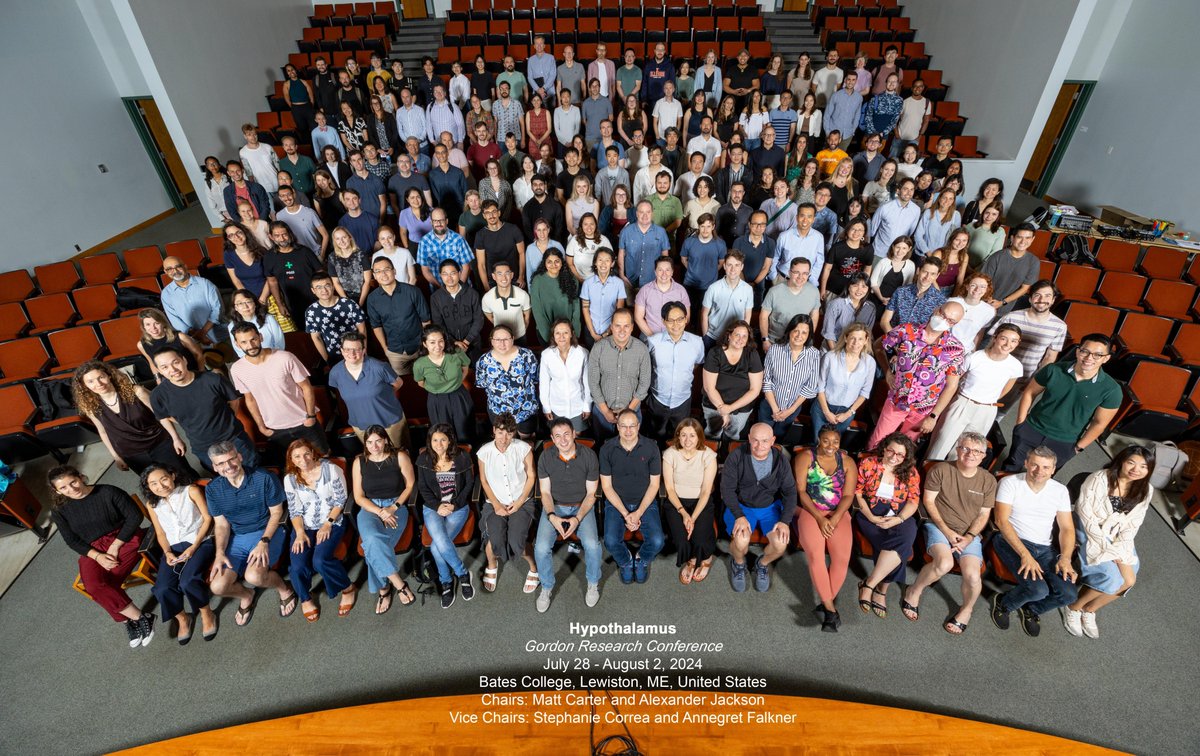
Many thanks to @nathalie_krauth for compiling a list capturing the #preprints discussed at the 2024 Hypothalamus GRC meeting!
Topics: neural circuits, molecular mechanisms + the role of the hypothalamus in health & disease.
Check out the #preList ⬇️ 👀
https://t.co/18wxmij27m
#ARTxSCIENCE 2024:
Discover the power of science combined with artistic expression and learn about the potential of stem cell research to transform the lives of people.
Help up find a winner of the best fusion of ARTxSCIENCE on https://t.co/HOjbeIgTm7
‘Hungry for more – appetite regulation in the #brain’
Whether we are starving or feel full is a state controlled by our brain, more precisely the hypothalamus. This small region in the center of our brain contains #neurons that release signals telling us whether we are hungry or satiated. Our goal is to establish a #humanbrainmodel of appetite regulation to provide a platform for metabolism and obesity research.
#Obesity affects 1 in 8 people worldwide and is connected to devastating comorbidities like #cancer or #cardiovasculardiseases. Increasing evidence suggests that the cause is less excessive food intake but rather a dysregulation of energy homeostasis in the brain. A human model of these neural networks can shed light on appetite regulation and help develop and understand weight-lowering medication such as Wegovy.
Our group has developed a protocol to generate key #hypothalamicneurons such as the hunger neurons AGRP and satiety-promoting POMC neurons. This stem cell-derived model allows us to both unravel their embryonic development in human and perform functional studies by treating the neurons with hormones and obesity drugs to record their functional response.
This image shows #humanneurons releasing the satiety hormone aMSH (in red) to suppress appetite. The process of directing stem cells towards the fate of hypothalamic neurons takes 50 days. Then, the cells reach a maturity level where they fire action potentials and release hormones so we can investigate their role in energy homeostasis.
@UCPH_Research@MCRI_for_kids@GlobalLumc@LUMC_Leiden@novonordiskfond
Submission by Anika Mueller, PhD fellow
Agnete Kirkeby Lab, reNEW Copenhagen, Denmark
New preprint out from the @Kirkeby_Lab on generation of appetite-regulating neurons from #stem cells. These neurons are thought to be key targets of #Leptin as well as #GLP1 drugs (#Wegovy, #Zepbound), and can function as a model to study drug functions. https://t.co/HX9G1RDEOO
The #hypothalamus plays a large role in coordinating the array of neuronal signals that are responsible for keeping the body in a stable state.
A special issue of Science unpacks this key brain region’s impact on physiological and behavioral homeostasis. https://t.co/TRJltFWmTF
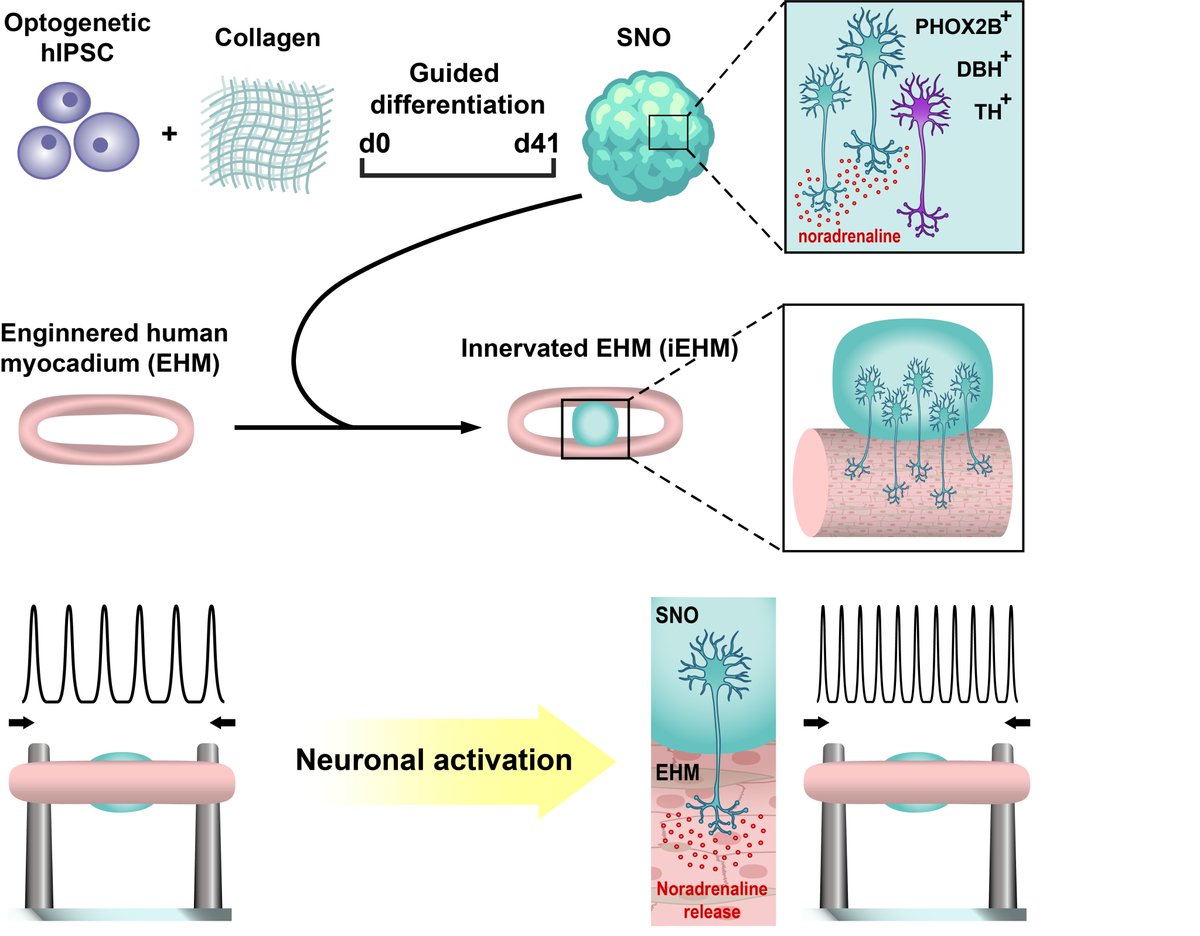
Our new preprint about an organoid model of heart and brain interaction is now availabe! Excited to share my PhD work in the group of @MariaPatapia. Thank's to all collaborators from @pharmaumg and @lab_fischer.
👇👇👇
https://t.co/qlPYBxuFkY
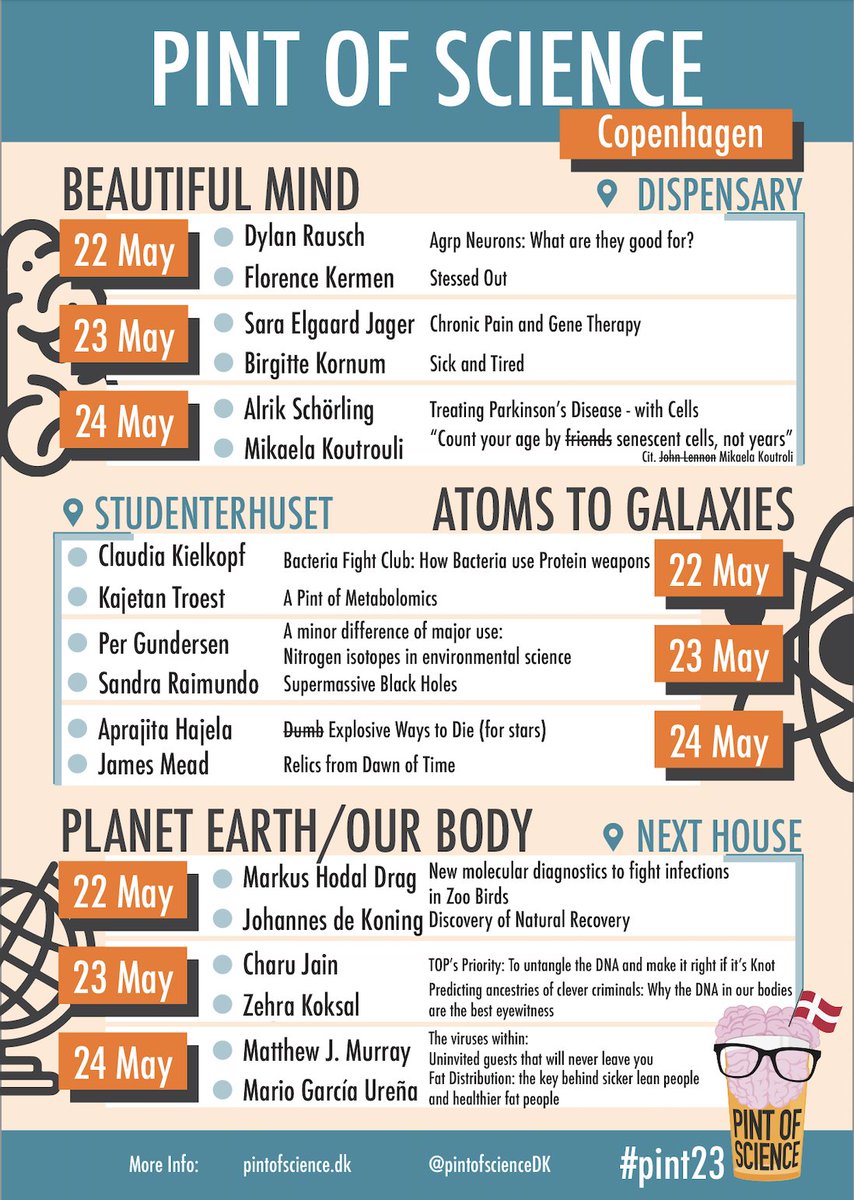
📣 #pint23 for the first time in #Copenhagen 🍻🧑🔬🇩🇰from 🔔TODAY!
🗓22-24 May, at 19.30
📍3 venues
🧑🔬️18 speakers
Don't know which event to attend?! 🤨
⬇️⬇️Look at the entire program below ⬇️⬇️
➡️Follow us at https://t.co/wuVypdT1Ar
🎟Ticket for FREE https://t.co/Nuh5ToFYGT
📣 #pint23 in #Copenhagen#beautifulmind 🧠
Join us with @AlrikSchorling from @reNEW_Global, who will talk about a new potential treatment for Parkinson’s disease using cells 🧫💉
🗓 Wednesday, May 24th, 19.30
📍 Dispensary (Nørrebrogade 184)
➡️ Info https://t.co/o6t4wY1OZC