Resectable NSCLC has become one of the most crowded spaces in oncology.
The challenge is no longer whether to use systemic therapy.
It’s which strategy to choose.
🧵 Current standards:
🎯 EGFR-mutant
• ADAURA → Adjuvant osimertinib
• NeoADAURA → Neoadjuvant osimertinib (MPR improved, long-term outcomes awaited)
🎯 ALK-positive
• ALINA → Adjuvant alectinib
🛡️ Neoadjuvant chemo-immunotherapy
• CheckMate 816 → Nivolumab + chemotherapy
🔄 Perioperative chemo-immunotherapy
• KEYNOTE-671 → Pembrolizumab
• AEGEAN → Durvalumab
• CheckMate 77T → Nivolumab
🚀 Coming next
• LIBRETTO-432 (RET)
• TRUST-IV (ROS1)
• SUNRAY-02 (KRAS G12C)
• PROSPECT-Lung
• INSIGHT
The unanswered question remains:
Should patients receive immunotherapy before surgery, after surgery, or both?
We finally have multiple effective options.
Now we need the trials that tell us which patient benefits from which approach.
@ASCO@MyESMO@IASLC@oncoalert #LungCancer #NSCLC
HER2+ THERAPY IS BECOMING RESPONSE-ADAPTED
A simple algorithm proposed by Tarantino et al. (JCO 2026):
▪️ Stage IIA → THP → Surgery → HP
▪️ Stage IIB → THP → Response assessment → Continue THP or escalate to T-DXd
▪️ Stage III → TCHP or THP → T-DXd → Surgery
▪️ pCR → Complete planned HER2-directed therapy
▪️ Residual disease → T-DXd or T-DM1
The concept is simple:
✓ Stage
✓ Biology
✓ Treatment response
Together determine treatment intensity.
We are moving beyond a one-size-fits-all approach toward more personalized HER2-directed therapy.
Adapted from Tarantino et al., JCO 2026.
#BreastCancer #HER2 #HER2Positive #Oncology #JCO #ASCO #TDXd
🔹¿Por qué medio X científico está hablando de "daraxonrasib"?
Porque en ASCO 2026 lo recibieron con OVACIÓN DE PIE. Y en el cáncer de páncreas casi no pasa. Vamos a revisarlo con calma: qué es, qué tan bueno es de verdad, y qué le falta. Les platico... 1/
Ever wondered why BRAF and dMMR go together in colon cancer?
Most dMMR CRC is sporadic (~70%), not Lynch.
It starts in sessile serrated lesions → early BRAF mutation → CIMP (CpG Island Methylator Phenotype) → MLH1 silencing → dMMR/MSI-H
👉 Why BRAF and not KRAS?
BRAF strongly drives CIMP (epigenetic “switch-off”)
KRAS does NOT → so MLH1 silencing and dMMR are uncommon
💡 Key point:
👉 BRAF starts the cancer — dMMR defines it
So even if BRAF-mutant:
❌ BRAF inhibitors don’t fix mismatch repair
👉 Immunotherapy = 1st line
👉 Treat dMMR first, not BRAF
#MVOnco #Oncology #CRC #MSI #GIOncology #MedEd
Not all chemo toxicity needs dose reduction.
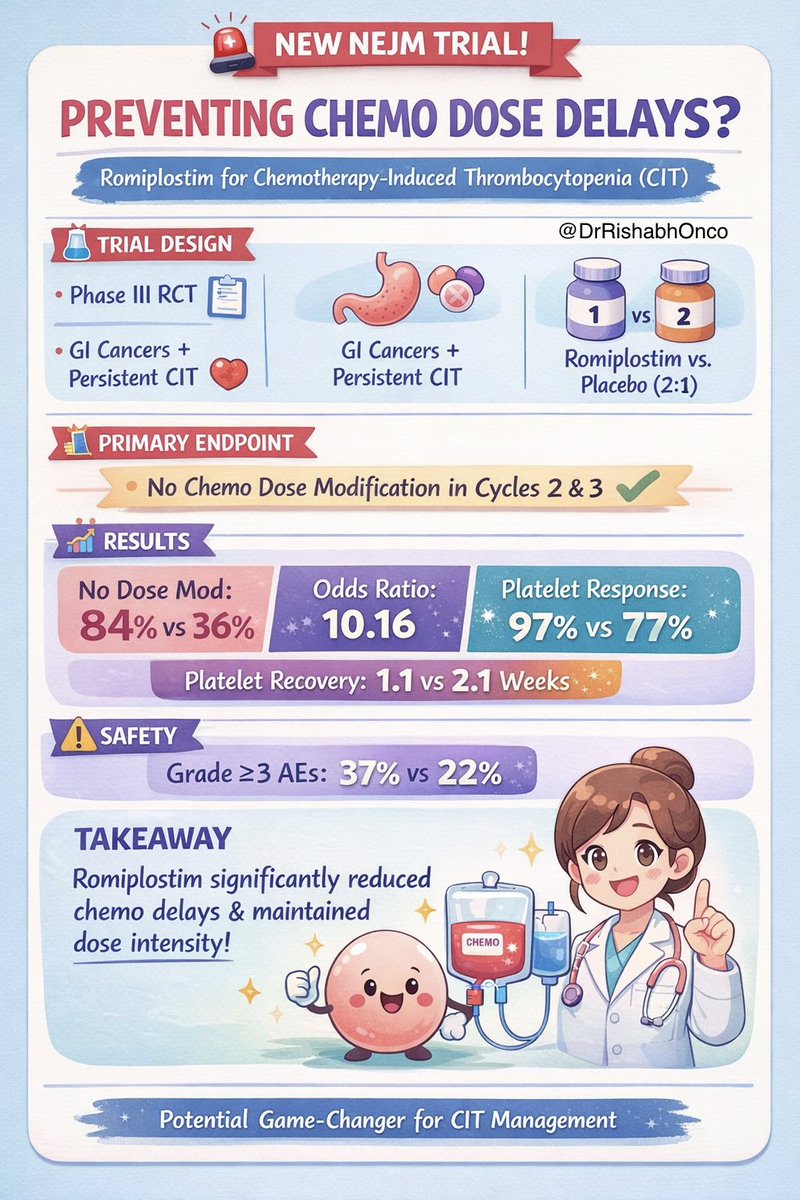
A new phase III NEJM trial shows romiplostim can prevent chemotherapy dose delays caused by thrombocytopenia.
For years, chemotherapy-induced thrombocytopenia (CIT) has forced oncologists to reduce or delay treatment.
This study tests whether a TPO receptor agonist can maintain dose intensity.
🧪 Trial design
Phase III, double-blind RCT
Patients: GI cancers on oxaliplatin-based chemotherapy with persistent CIT
Randomization: Romiplostim vs placebo (2:1)
N = 165
📊 Primary endpoint
No CIT-related chemo dose modification in cycles 2–3
📈 Results
• No chemo dose modification: 84% vs 36%
• Odds ratio: 10.16
• Platelet response: 97% vs 77%
• Median platelet recovery: 1.1 vs 2.1 weeks
⚠️ Safety
Grade ≥3 adverse events: 37% vs 22%
🎯 Takeaway
Romiplostim significantly reduces chemotherapy delays and dose reductions from thrombocytopenia, potentially preserving dose intensity in GI cancer chemotherapy.
If confirmed in broader populations, this could become the first effective strategy for CIT management.
🔖 Save this for clinic.
📖 Full paper in comment ⬇️
#OncoTwitter #MedTwitter #GIcancer #Thrombocytopenia
@OncoAlert@ASCO@myESMO@NEJM
🫁 First-line EGFR strategy rethink?
Oral + oral may be the next upgrade in EGFR-mutant NSCLC.
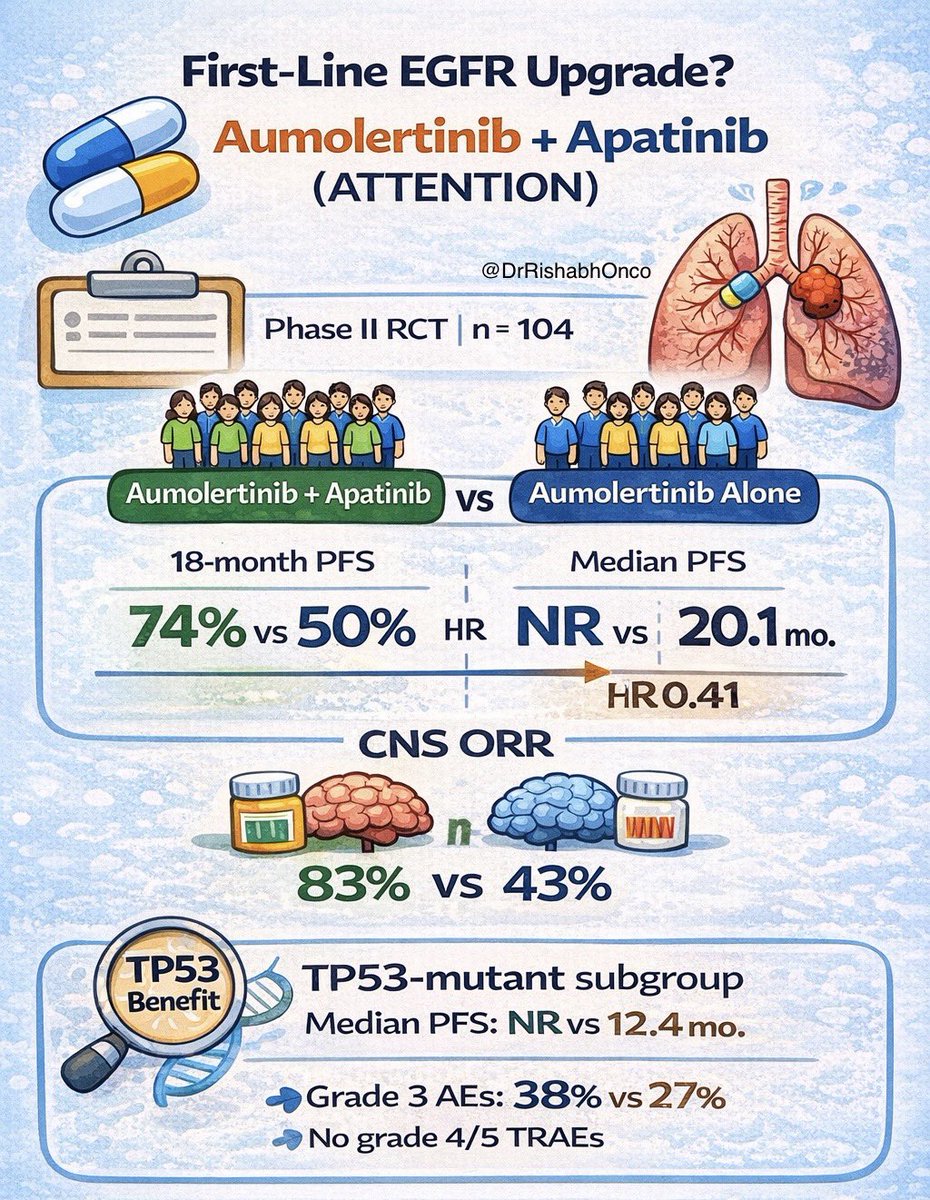
🧬 ATTENTION trial (Phase II, RCT)
EGFR-mutant advanced NSCLC
Chemo-free • Infusion-free • Biomarker-driven
🔬 Trial arms
💊 Aumolertinib + Apatinib
vs
💊 Aumolertinib alone
📊 Key efficacy results
• 18-month PFS: 74% vs 50%
• Median PFS: NR vs 20.1 months
• HR for progression: 0.41
• ORR: 79% vs 59%
🧠 CNS disease signal
• CNS ORR: 83% vs 43%
• Better depth and durability of response
🧬 Biomarker insight
• TP53-mutant tumors derived the largest benefit
• Median PFS: NR vs 12.4 months in TP53-mutant subgroup
⚠️ Safety
• No grade 4/5 TRAEs
• Grade 3 TRAEs: 38% vs 27%
• Most common: hypertension, thrombocytopenia
• Fully oral regimen
🔎 Why this matters
Anti-VEGFR + 3rd-gen EGFR-TKI may replicate chemo-like PFS gains
without IV therapy, cytotoxic toxicity, or infusion burden.
🧭 Takeaway
Aumolertinib + apatinib is a compelling first-line option, especially for
high-risk biology like TP53 mutation. Phase III data awaited.
📖 Full paper in comment ⬇️
🔖 Save for EGFR first-line decision making
#OncoTwitter #MedTwitter #LungCancer #NSCLC
@OncoAlert@myesmo@esmo_open@asco
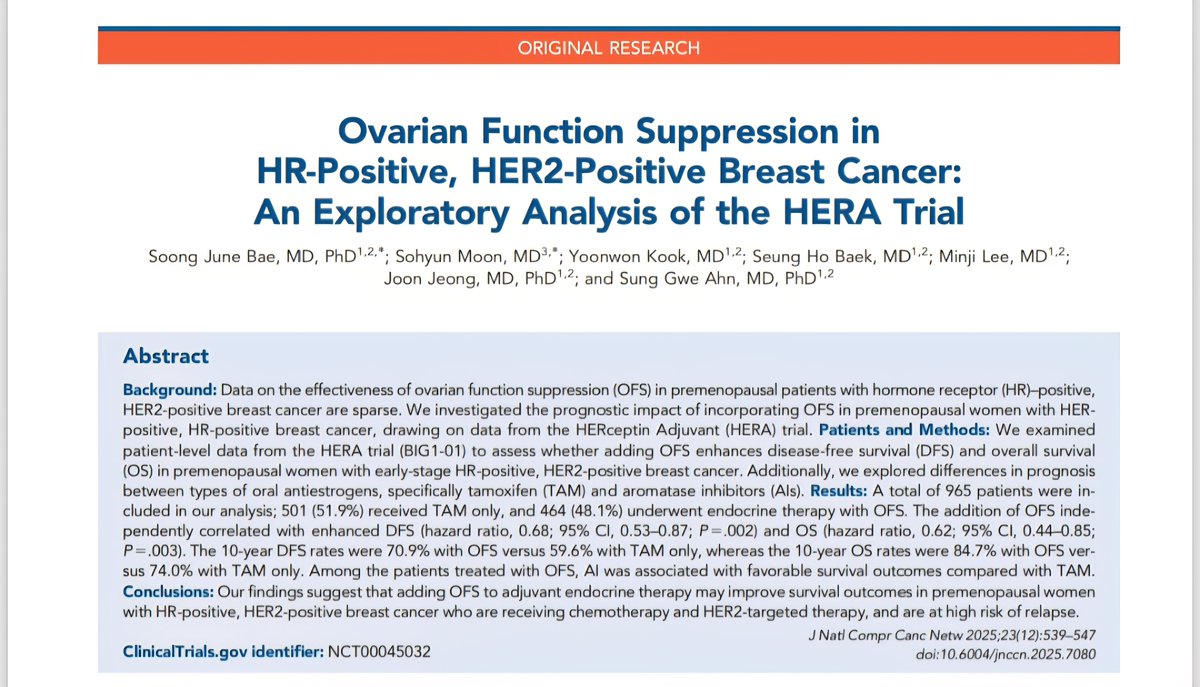
HERA trial:
In premenopausal HR+/HER2+ eBC, adding OFS to adjuvant ET significantly improves DFS and OS vs TAM alone (10-yr DFS 70.9% vs 59.6; OS 84.7% vs 74.0).
AI + OFS is associated with superior DFS and a favorable OS trend versus TAM + OFS
https://t.co/8XvQErCF8o
In patients with previously untreated, PD-L1–positive, advanced triple-negative breast cancer, sacituzumab govitecan plus pembrolizumab led to significantly longer progression-free survival than chemotherapy plus pembrolizumab. Full phase 3 ASCENT-04/KEYNOTE-D19 trial results and Research Summary: https://t.co/GnPUpnyPLK
🔵 Celebramos la continuidad de @G_Aranda como Consejero Delegado ALIARSE en nuestra Confederación.
🔁 Su renovación es muestra de confianza, compromiso y visión compartida.
#UnaSolaCoparmexUnSoloMéxico
Perioperative immunotherapy moves the needle in gastric cancer
At #ASCOGI26, updated NEOSUMMIT-01 data show that adding toripalimab to perioperative chemotherapy significantly improves long-term outcomes in locally advanced GC/GEJC 🧠🩺
📈 3-yr EFS: 74.7% vs 56.2%
📉 Risk reduction: HR 0.51 | P = 0.044
❤️ 3-yr OS: 81.3% vs 72.2%
🌍 Distant relapse reduced: 18.5% vs 38.9%
💡 Benefit remains consistent in pMMR tumors, addressing a key unmet need
🔎 Takeaway: Perioperative chemo-IO is no longer just biologically appealing. It is delivering durable survival gains and deserves serious consideration in resectable GC/GEJC
📖 Full data from #GI26 👇
#ASCOGI26 #GI26 #GastricCancer #OncoTwitter #MedTwitter
@oncoalert@larvol@ASCO
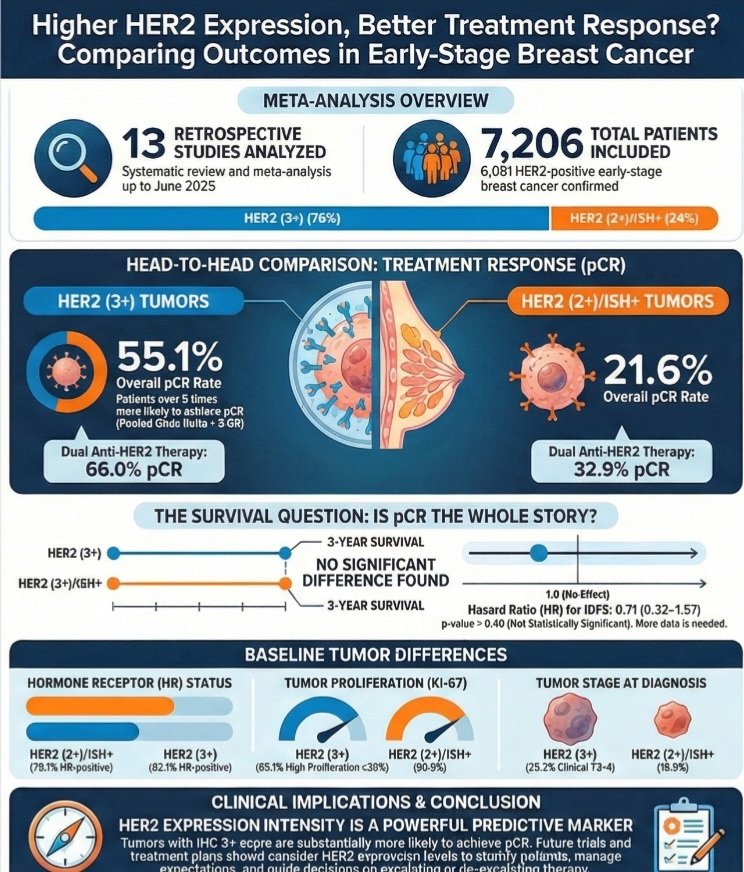
I’m pleased to share the results of our first meta-analysis of 2026
📌In ~7,000 pts, pCR rates were significantly higher in HER2 IHC 3+ tumors compared with HER2 2+/ISH+, regardless of single or dual anti-HER2 NACT
💬ADC data were not included, but DB-11 suggests the same biological gradient
https://t.co/oX5WMsmloc
3️⃣ “Just one shot?”
Yes. This is real.
Major global health bodies are now moving toward
a SINGLE dose HPV vaccine
for girls aged 9 to 14 years.
One visit.
One injection.
Lifetime protection.
Adherence is no longer the barrier.
Delay is.
#CervicalCancerAwarenessMonth #MedTwitter #Oncology #cervicalcancer #womenhealth
@OncoAlert@WHO@AmericanCancer@Cervivor @CDCCancer @Gavi
As we close out 2025, let’s revisit the statistics:
Cancer mortality has fallen by 34%, with dozens of new drugs, diagnostics, and targeted therapies approved in just the past year (4.5 M+ lived saved!!)
Progress is real—but prevention remains the biggest gain.
🚨 Prostate cancer care has changed fast. Here’s the 2025 snapshot.
The new Lancet Seminar lays out how prostate cancer management has transformed across the disease spectrum 🌍🧬
🔍 Early disease
Active surveillance is the default for low-risk tumors, avoiding overtreatment while maintaining excellent outcomes. MRI-first pathways improve detection of clinically significant cancer.
⚖️ Localized to high-risk
Surgery and modern radiotherapy offer equivalent cancer control. Hypofractionation and SBRT shorten treatment without compromising efficacy. High-risk disease needs multimodality care.
🚀 Metastatic hormone-sensitive
ADT alone is no longer enough. Doublet or triplet therapy with ARPIs ± docetaxel is now standard, with prostate RT benefiting low-volume disease.
🎯 mCRPC era
Treatment is biology-driven: PARP inhibitors for HRR alterations, Lu-177 PSMA radioligand therapy after ARPI and taxanes, cabazitaxel preferred over ARPI sequencing.
🧠 Big takeaway
Sequencing, patient selection, toxicity, and shared decision-making matter as much as drug choice.
📖 Valérie Fonteyne et al. Lancet 2025
A must-read, practice-defining review for every GU oncologist 🔖
#OncoTwitter #MedTwitter #ProstateCancer #GUOncology @TheLancet@myESMO@OncoAlert@ASCO
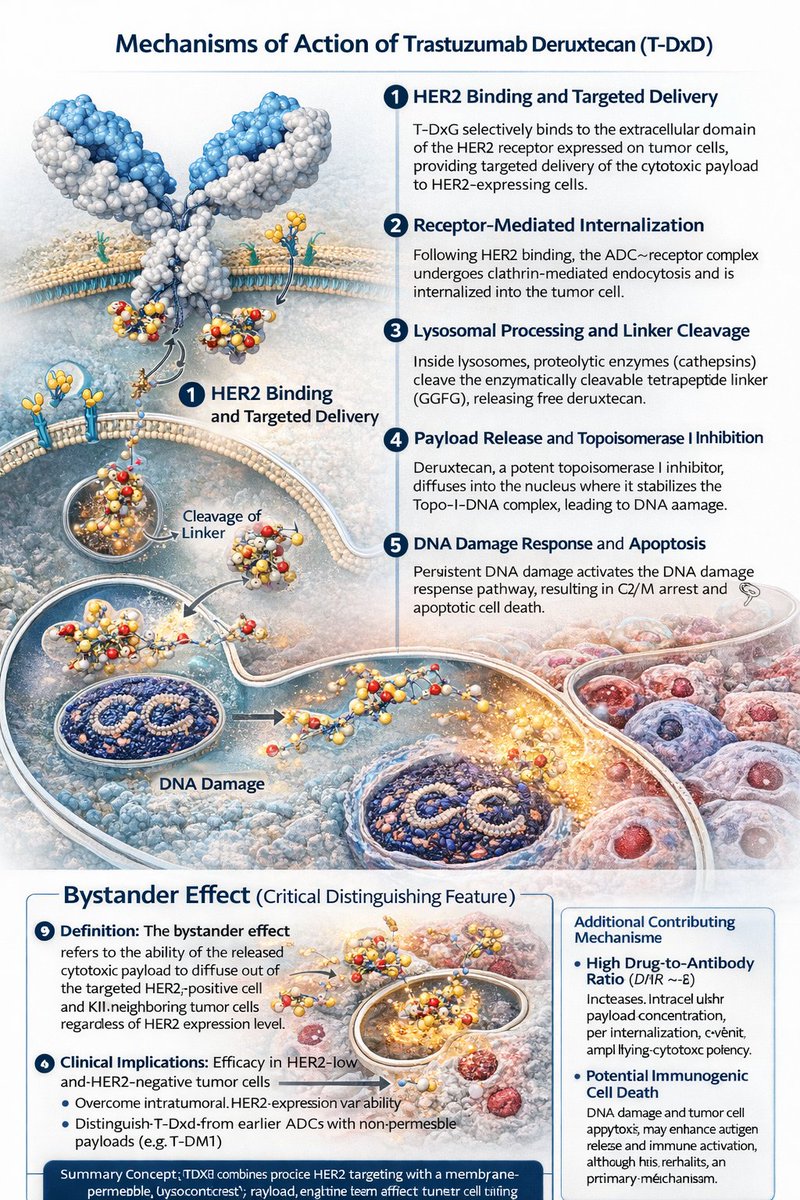
T-DXd: Mechanism of Action — Visualized
A few years ago, we were actively looking for professional illustrators to create figures like these.
Now, a single-line prompt is often enough to generate high-fidelity, scientifically accurate visuals💥
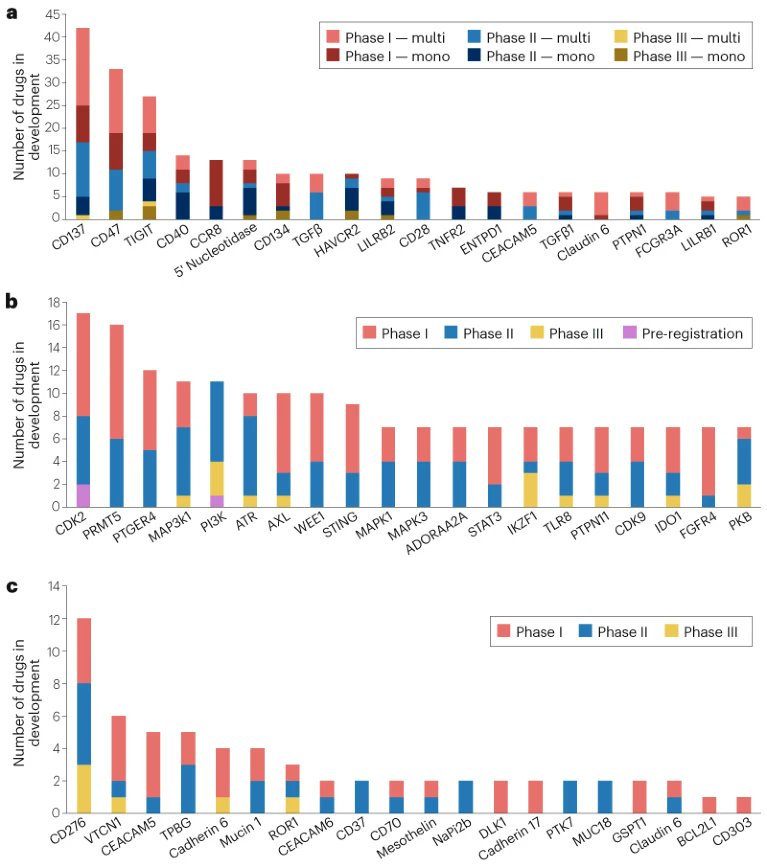
Trends in target novelty in oncology research and development
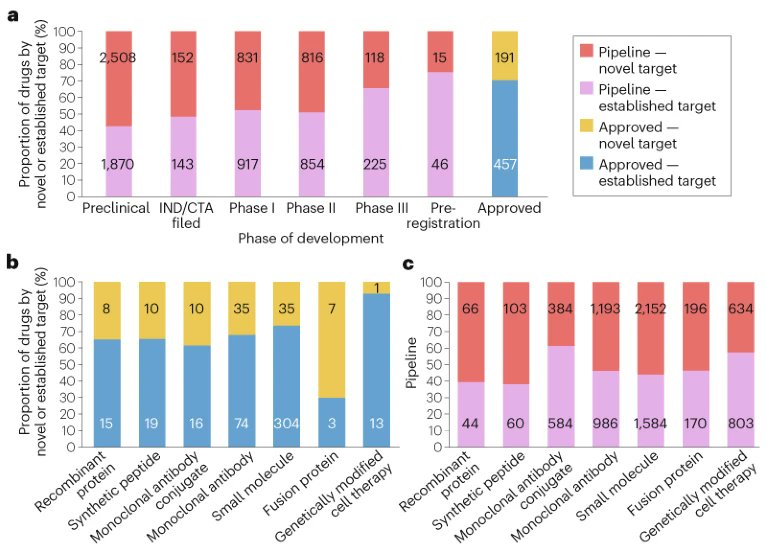
Most late-stage oncology drugs are not truly targeting novel biology.
Although more than half of targets are novel at the preclinical stage, this proportion drops to roughly one third by phase III. What ultimately reaches clinical practice represents only a small fraction of the initial biological innovation.
First-in-class drugs are fewer in number but disproportionately influential.
In 2024, 41% of global oncology revenue came from first-in-class agents, despite these drugs accounting for only 31% of marketed products. The therapies that meaningfully shift clinical practice tend to come from this group.
The balance between modality and target reflects deliberate risk management.
Novel targets are more often pursued using established drug platforms, whereas new technologies are preferentially tested against validated targets. This approach aims to contain clinical development risk.
The ADC strategy is clear: innovation lies in architecture, not the target.
Most ADCs do not introduce new biological targets; instead, they exploit proven targets such as HER2 and improve efficacy through payload and linker optimization. Clinical benefit is largely driven by this structural refinement.
The ‘me-too’ race starts well before approval.
Targets such as CD137, CD47, and CDK2 attract dozens of parallel clinical programs. High density in a target space does not necessarily equate to strong or differentiated clinical benefit.
The TIGIT experience is instructive.
The collective failure of multiple phase III TIGIT programs underscores that being a novel target alone does not guarantee clinical value.
💬True clinical breakthroughs often arise from genuinely new targets, but this path carries substantial risk. Much of the progress seen in daily practice instead comes from smarter and more effective ways of exploiting established targets.
https://t.co/afeXTn0pQ7