Cool Stars 23 kicks off today! ☀️
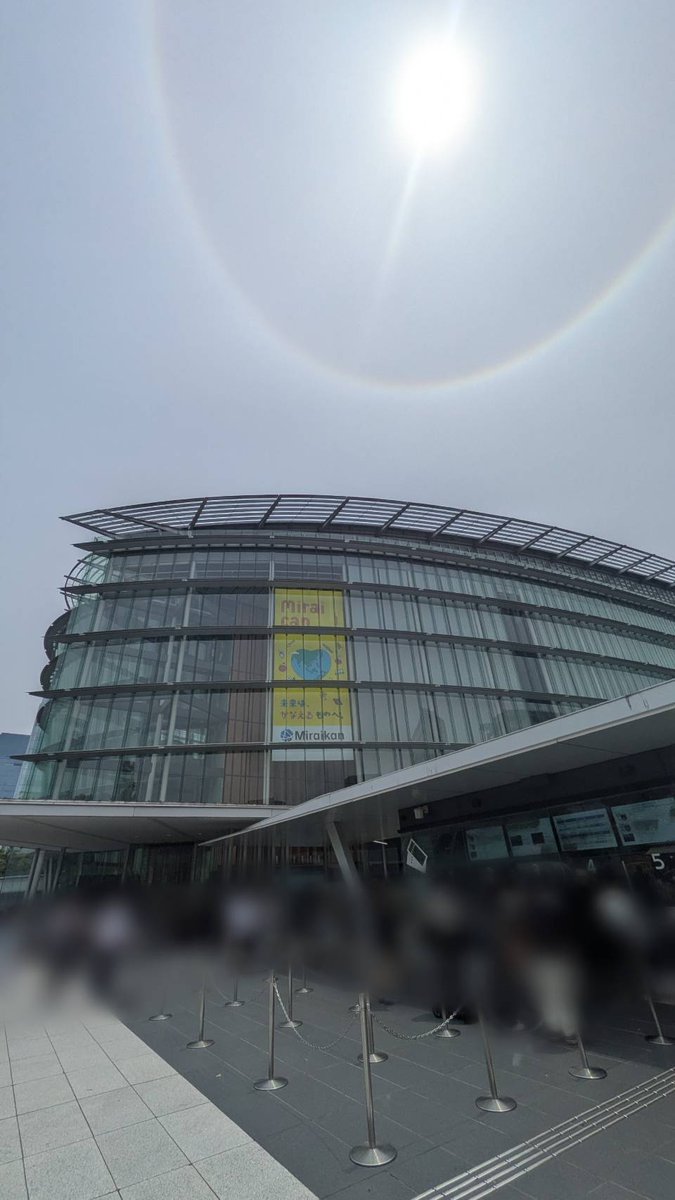
We’re excited to welcome participants to Miraikan for today’s reception and public talk event!
Please check the conference website for the full schedule and venue details.
https://t.co/MS132fZ2Zd
Which came first, galaxies or black holes?
New Webb observations show that some supermassive black holes were enormous from their beginnings, shifting traditional ideas around how black holes form and grow.
https://t.co/YNSs2QIFbu
📡"Comet 3I/ATLAS was born in a region of the Galaxy vastly different from our Solar System, billions of years ago" By @skyatnightmag
https://t.co/gLtO8I2qxx
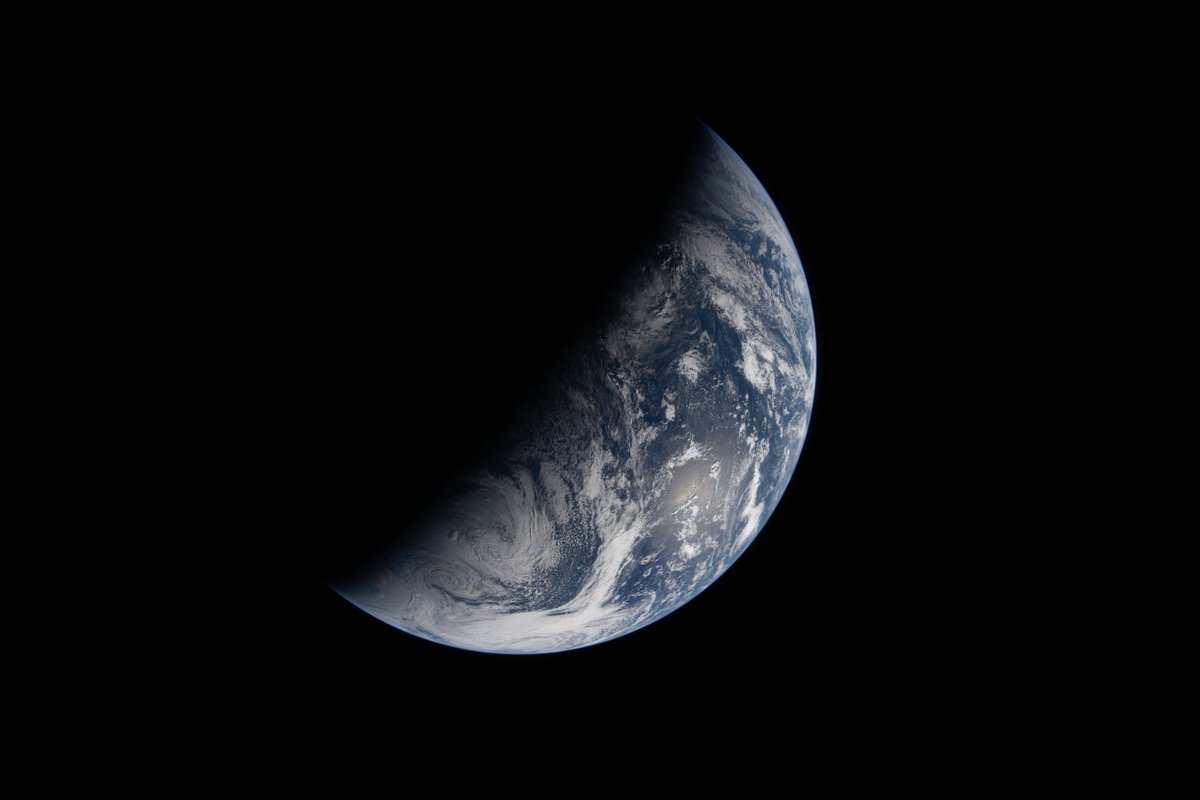
This Earth Day, we’re looking back at new views of our home from the Artemis II crew.
As they flew around the Moon, the crew was 252,756 miles from Earth at their farthest point.
No matter how far we go, we will always remember where we came from. 🌎
Photo of the Day: Earth Day, 57,000 miles away 🌎 @NASA
Learn more about out trip to the moon on Artemis II 👉 https://t.co/0HAtweurAe
#EarthDay#NASA#Artemis
For its 36th anniversary, Hubble looked back at a piece of the Trifid Nebula. Over a few decades, jets shot out by young stars have expanded, and the stars’ positions have changed ever so slightly. Explore the scene: https://t.co/i5b1hvzzH6 🔭
Back in the constellation of Virgo.
Captured by Rolando Ligustri from New Mexico.
Shot with an NW 300/1140 telescope and ASI 2600MM Pro (bin 1), combining 18×300s L exposures with RGB data from the DSS catalog.
#Astrophotography#VirgoCluster#DeepSky#ZWO#NGC4216
Only one chance in this lifetime…
Like watching sunset at the beach from the most foreign seat in the cosmos, I couldn’t resist a cell phone video of Earthset. You can hear the shutter on the Nikon as @Astro_Christina is hammering away on 3-shot brackets and capturing those exceptional Earthset photos through the 400mm lens. @AstroVicGlover was in window 3 watching with @Astro_Jeremy next to him.
I could barely see the Moon through the docking hatch window but the iPhone was the perfect size to catch the view…this is uncropped, uncut with 8x zoom which is quite comparable to the view of the human eye. Enjoy.
Mesmerizing: NGC 1961 displays its striking spiral arms in this remarkable image captured by the Hubble Space Telescope.
(Credit: NASA, ESA, J. Dalcanton, R. Foley; Image processing: G. Kober)
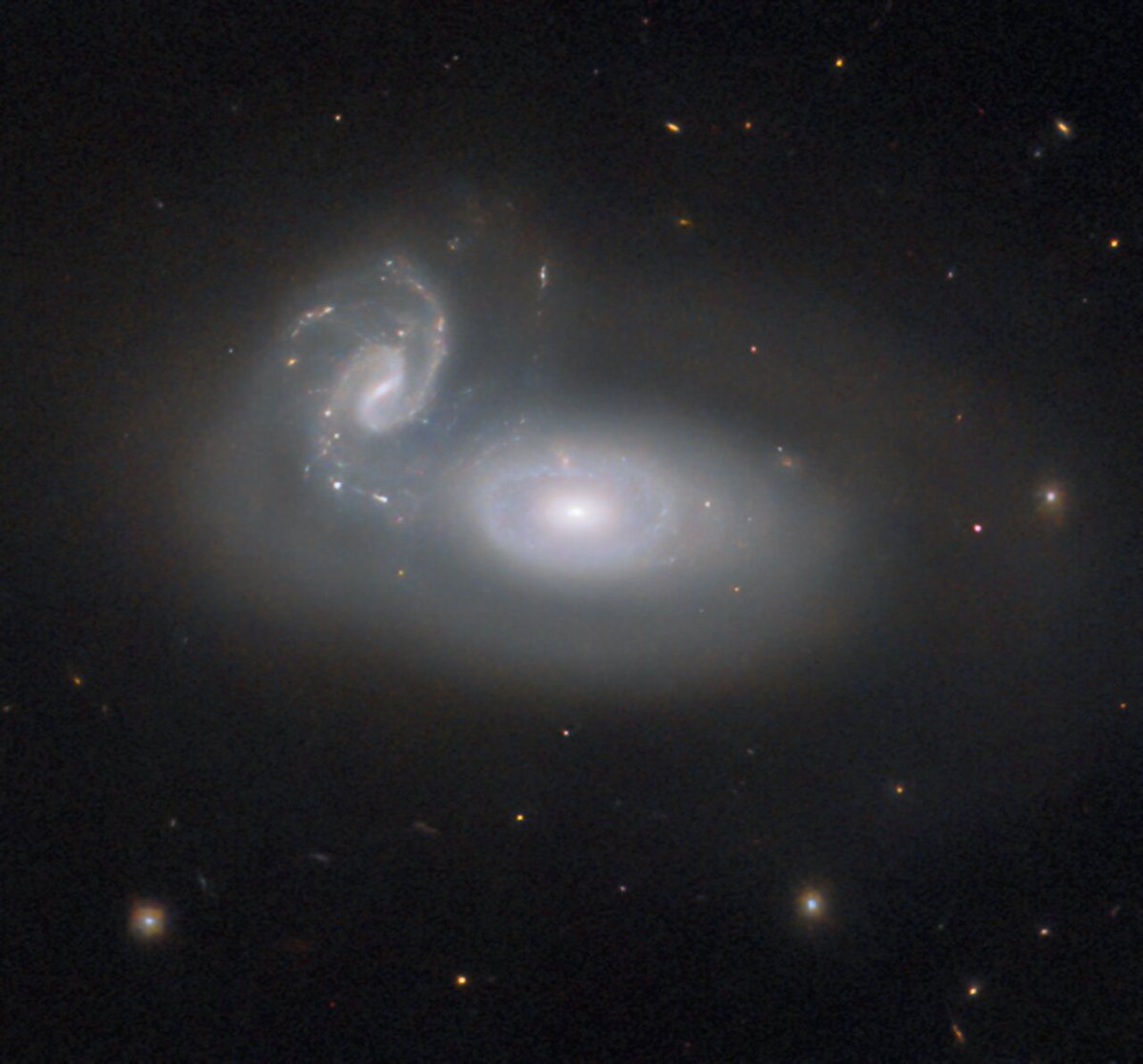
This @NASAHubble image depicts the cosmic tangle that is MCG+05-31-045, a pair of interacting galaxies located about 390 million light-years away and a part of the so-called Coma galaxy cluster.
One week in the solar system 🪐
Even as @NASAArtemis II was making its historic trip to the Moon, several other @NASA missions were exploring all across the solar system. Here are just a few of the images some of them captured during one week https://t.co/WlhFD7ugjh
The bad news? There is no more Artemis II live mission coverage for you to watch. The good news? New Artemis II imagery continues to roll in.
We're continuing to unveil new images from the Artemis II mission. You can find them here: https://t.co/o2t8RrFU2g
@elonmusk Thank you, @elonmusk - the four of us glimpsed the red hues of Mars far in the distance as the sun slipped behind the Moon and there was zero doubt in our minds that the creative genius of our greatest minds will have us there very soon. LETS GO
HOME.
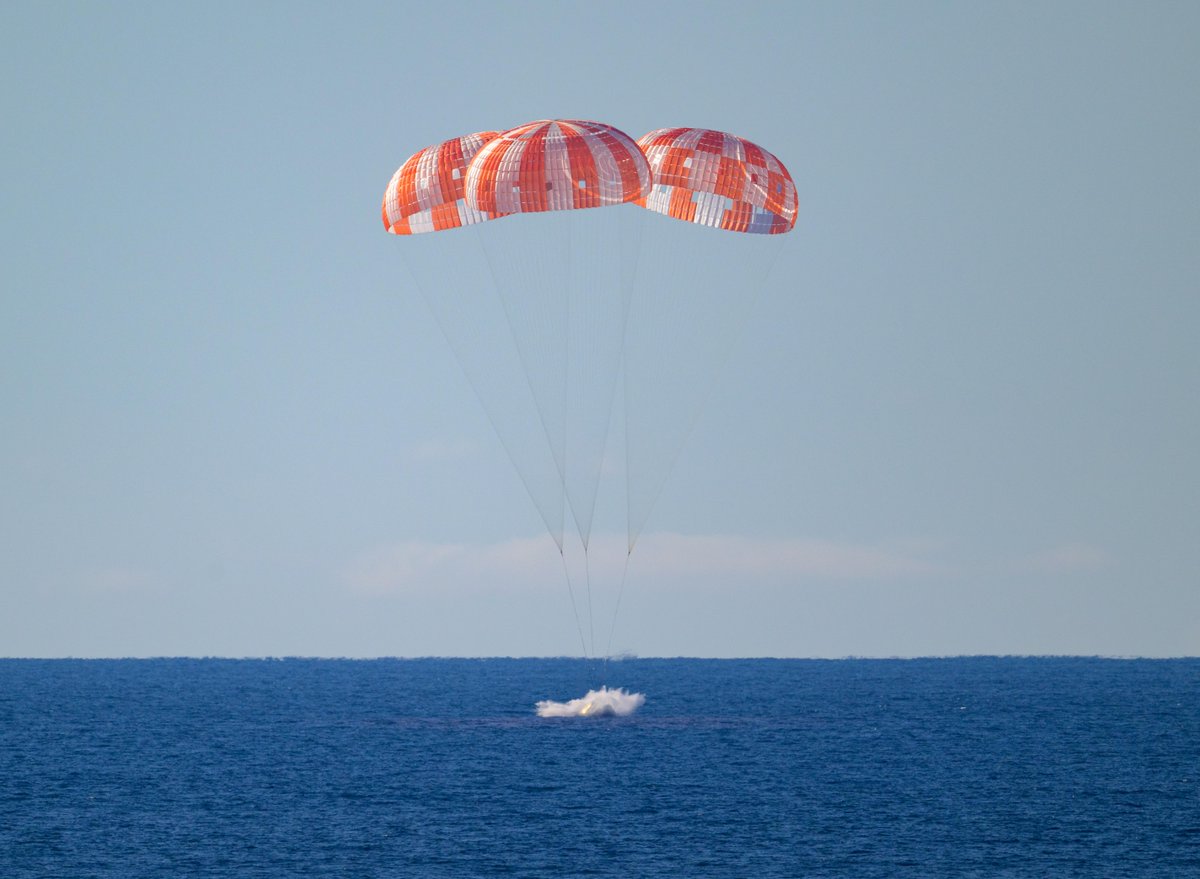
The Artemis II crew has arrived back on Earth, ending a nearly 10-day journey around the Moon. The trip took them farther into space than humans have ever gone before, and now they're safely home with us.
https://t.co/XmDQwNlCPR