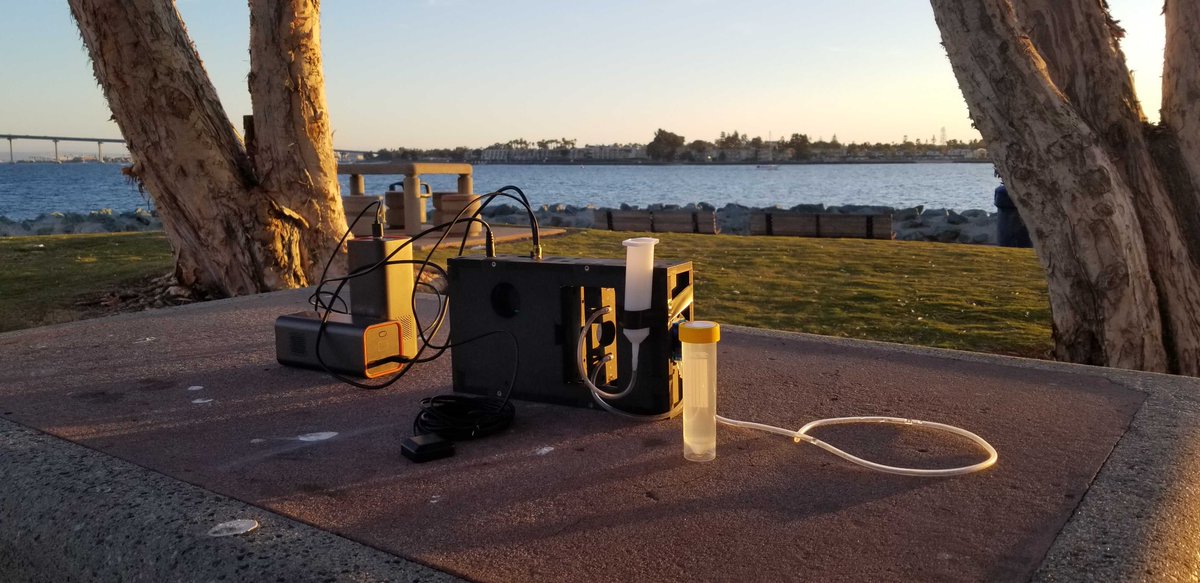
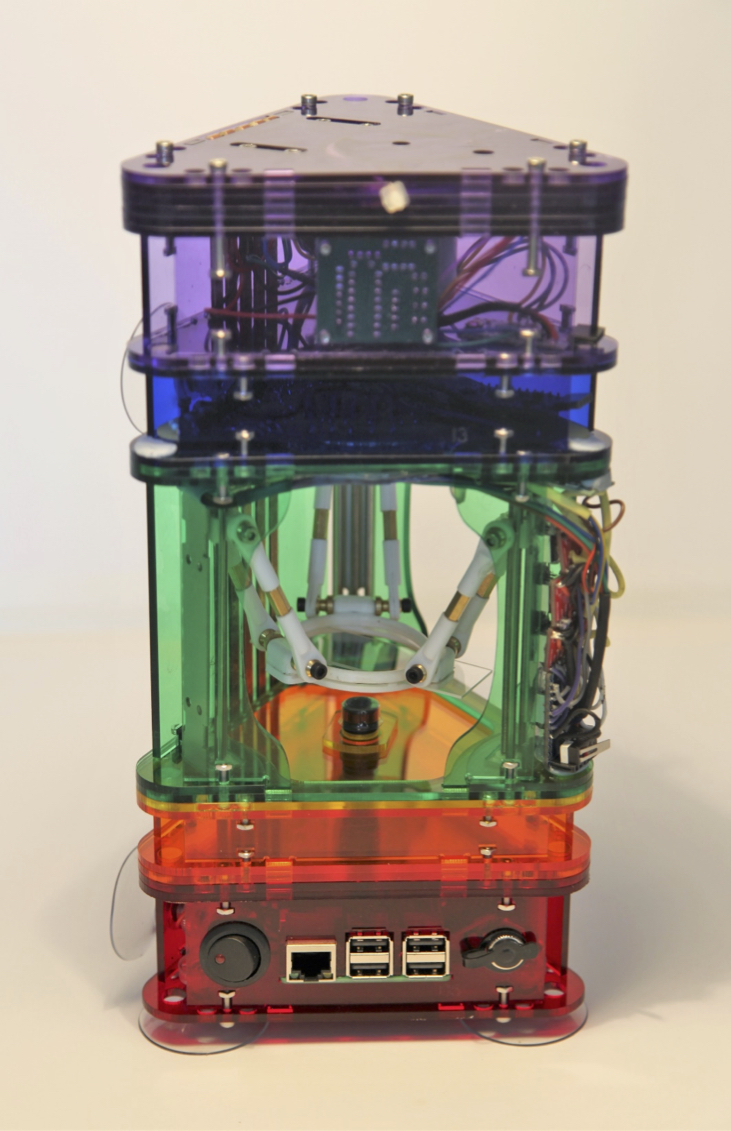
(1/n) Thrilled to share latest pre-print from lab - open imaging tool we have been working for the last 3 years "PlanktonScope V1 & 2" - modular (100x cost reduction) platform to enable citizens/sailors to study the world's largest habitat - our oceans! https://t.co/WpntyLFP4Q
Blog post: "So! You want to search all the public metagenomes with a genome sequence!" https://t.co/afkwX3Vgig - real-time search of public SRA metagenomes with genome-sized queries. cc @luizirber
Excited to share that our 5+ years of hoping and waiting (and a bit of work) led to sediment-free anaerobic methane-oxidizing cultures! https://t.co/ojQx7ng9tr
Evolution made pregnancy risky! One in five pregnant people in the US develops (potentially serious, lifelong) complications due to biological parent-offspring conflict. Madison B. Sharp (ob-gyn at @PennMedicine) and I (biology at @Stanford) argue for abortion rights in @Slate.
Our paper (and my first pub!) on the evolution of the MtrCAB extracellular electron transfer system is out!
We found that these genes have jumped, skipped, and hopped into (and out of) a diverse array of microbial genomes.
https://t.co/kmiARg9qwC
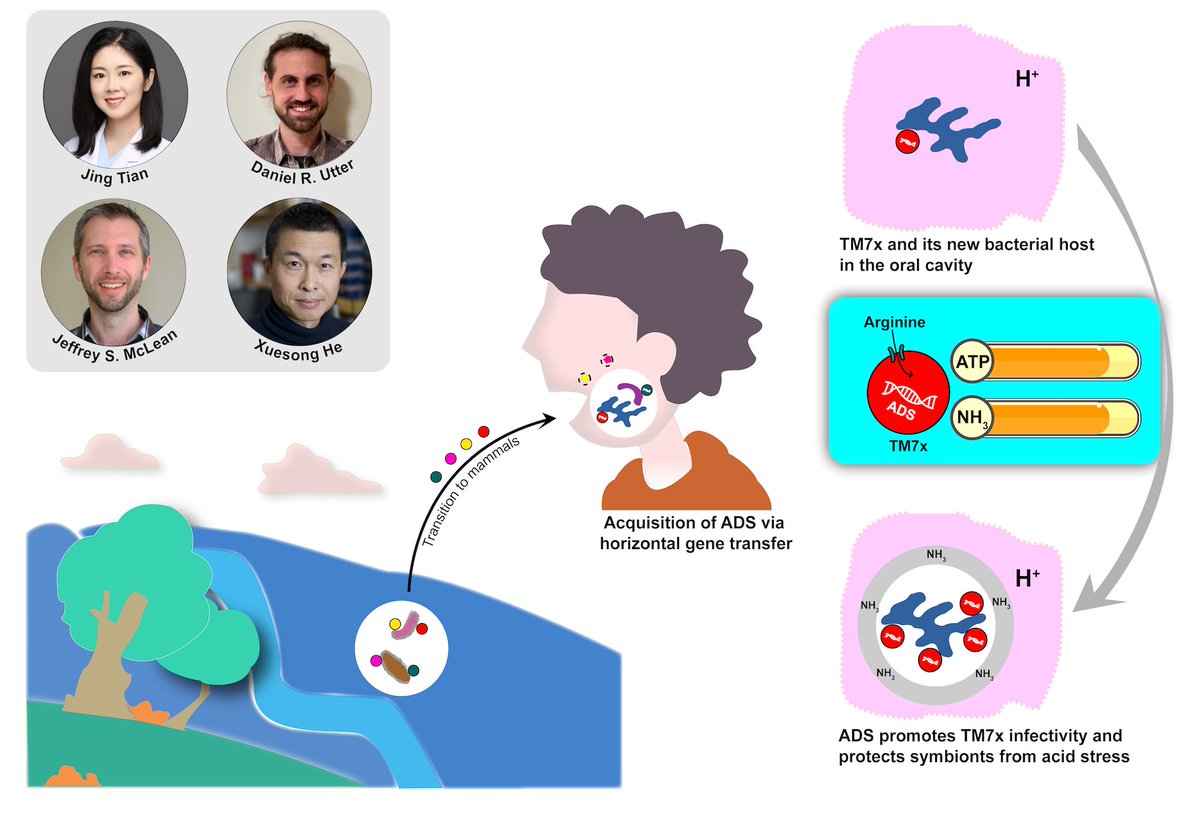
Published today in @PNASNews, Forsyth researcher @he_xuesong & collaborator @JMcLean_UW have uncovered new insights about the genetic evolution of TM7, a group of ultra-small bacteria that have adapted to thrive living inside human mouths: https://t.co/CL29odYgAI #oralmicrobiome
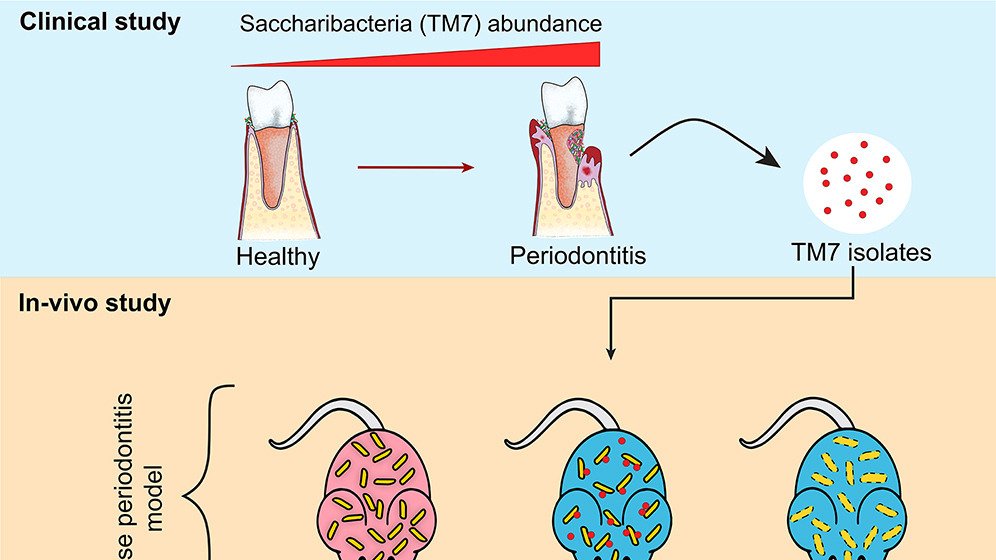
Excited to share this collaborative work @JMcLean_UW@BatbilegBor@bajenak published in @PNASNews. We present data showing the benefits of acquiring a novel pathway in the transition of Saccharibacteria (TM7) from environment to mammalian microbiome. https://t.co/Kyg7ldiV8x
Manganese oxidizing chemolithoautotroph story continues! Here we show that microbes with the genomic potential to feed on manganese for calories and electrons could be found in freshwater and marine environments worldwide. Preprint: https://t.co/uzvmaDum7I
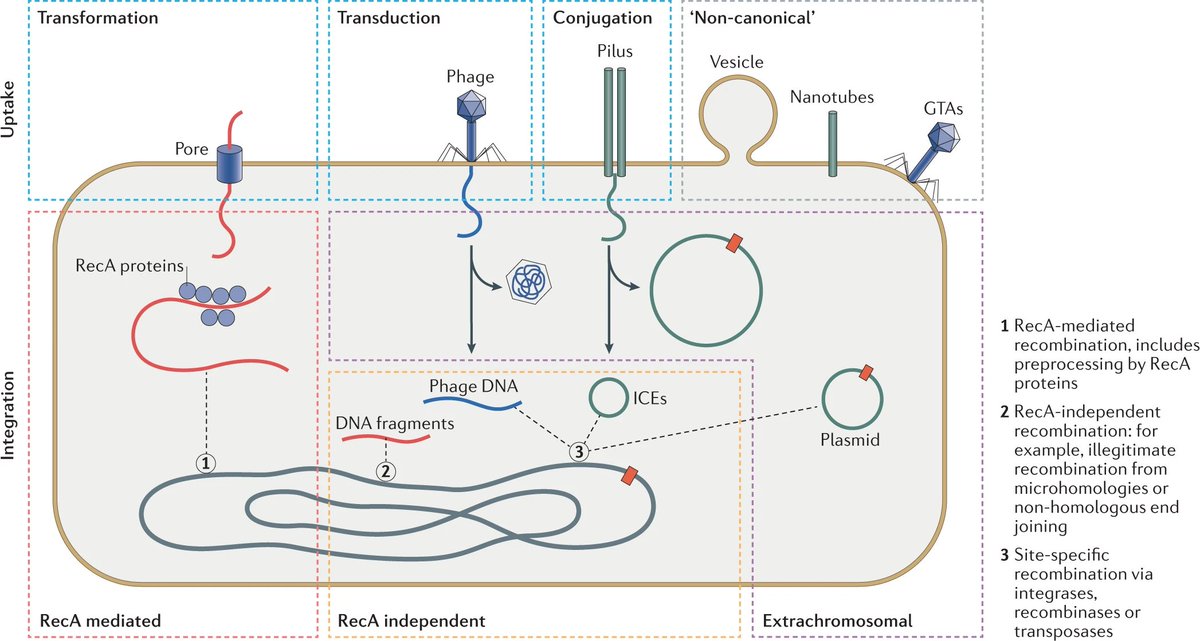
Our review on HGT and adaptive evolution in bacteria is out! https://t.co/N6ab0GxTNx
Really enjoyed working on this with @BrianJohnArnold and @BillHanage
How does the shuttling and shuffling of genes interact with selection? Bottom line: we should be prepared to be surpised
Epibiont suppresses gingival inflammation: Using a mouse model for #periodontitis, @BatbilegBor@bajenak & Chipashvili determine that episymbiotic Saccharibacteria suppresses #gingival inflammation and bone loss by modulating host #bacterial pathogenicity https://t.co/K3RY2vhmRs
Our new study, out today in @CellPressNews, shows symbiotic TM7 bacteria isolated from periodontal disease reduce inflammation & bone loss in a mouse model, suggesting TM7 protect by altering their bacterial hosts. #microbiology#oralhealth#symbiosis https://t.co/vauVdRljDz
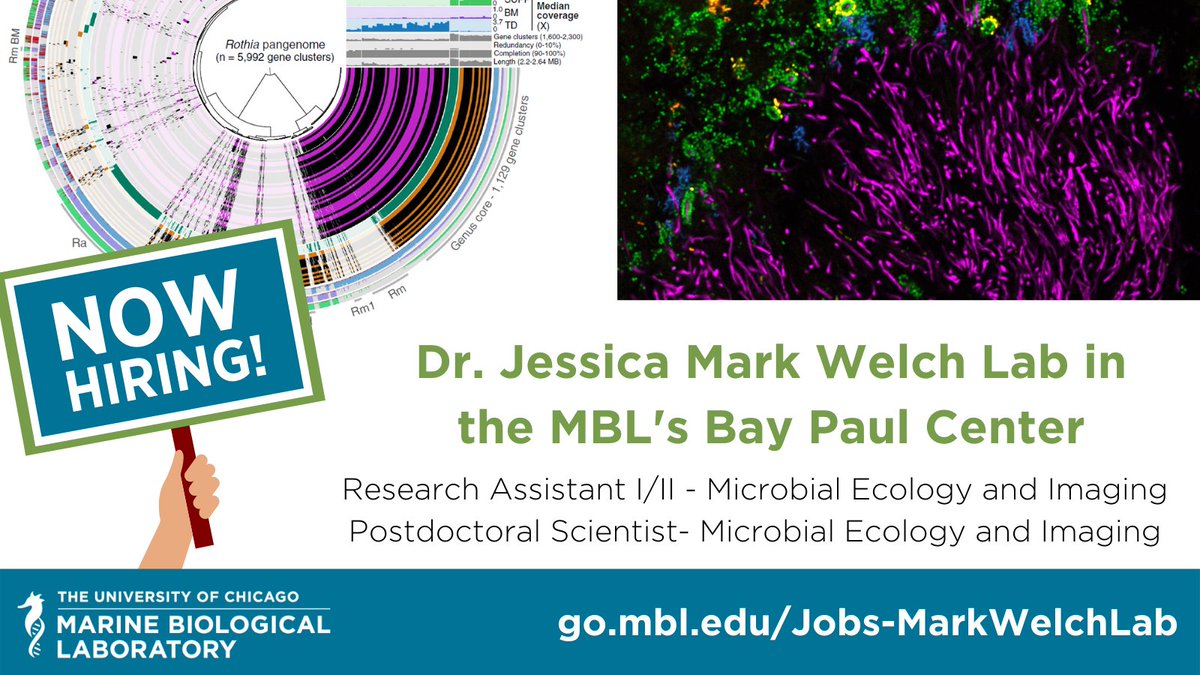
#JOBAlert! The MBL is hiring in the @JMarkWelch Lab in our Bay Paul Center. Seeking Applicants for a PostDoc and Research Assistant I/II in Microbial Ecology and Imaging. #ApplyToday! https://t.co/jzJBx4ZBg7
MY FIRST FIRST-AUTHOR PAPER IS OUT IN @journal_evo!!! We describe the genetic architecture of 17 floral traits in Aquilegia related to pollination syndromes 🌸🌸
So of course I made a Science IRL episode about it 😁
https://t.co/eMdG43Qpnq
Paper here: https://t.co/35A09OXOPg
Symbioses must innovate to survive, especially in changing environments. But the strategies they use for genetic innovation vary. How they innovate depends on the genetic population structure of symbionts (open, closed, or mixed). Learn more in our review! https://t.co/o51J1AUTEg