Radiotherapy for more efficacious novel anticancer drugs: a position paper from the European Society for Radiotherapy and Oncology (ESTRO) focus group on novel systemic therapies and radiotherapy.
Happy to share
https://t.co/bGpIZ0nogl
In Thoracic Service of MD Anderson, we have always used QDay SABR/SBRT and we have treated more than 10,000 SBRT cases. We don’t notice any issues with the side effects as long as we meet with our dose volume constraints.
🇨🇳 A new report from a military medical center in Beijing demonstrates a benefit with daily (QDay) lung SBRT schedules, particularly for stage I NSCLC tumors with high SUV values. Full disclosure: I can't remember the last time I prescribed lung SBRT as QOD. https://t.co/7WbZSkku9V
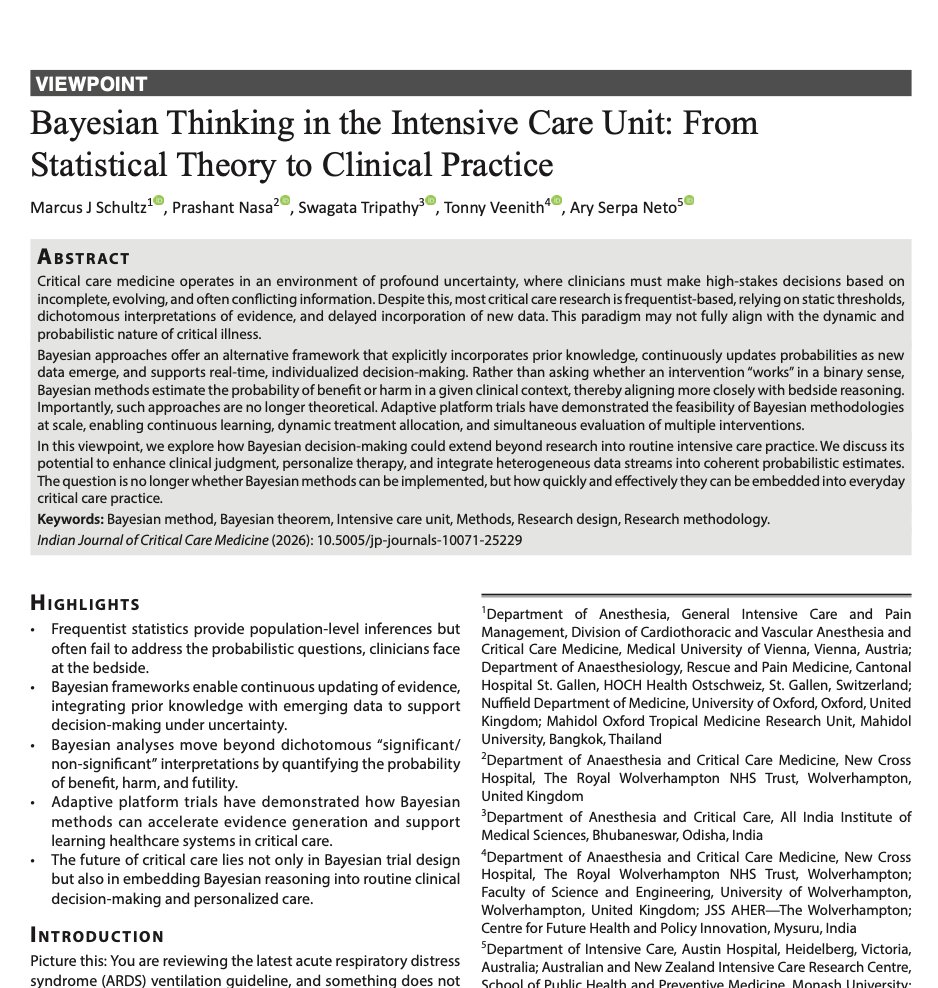
“Seguimos tomando decisiones clínicas como si estuviéramos en 1990”. Un interesante artículo proponiendo que nuestro análisis de la evidencia clínica debería ser Bayesiano, no "frecuentista".
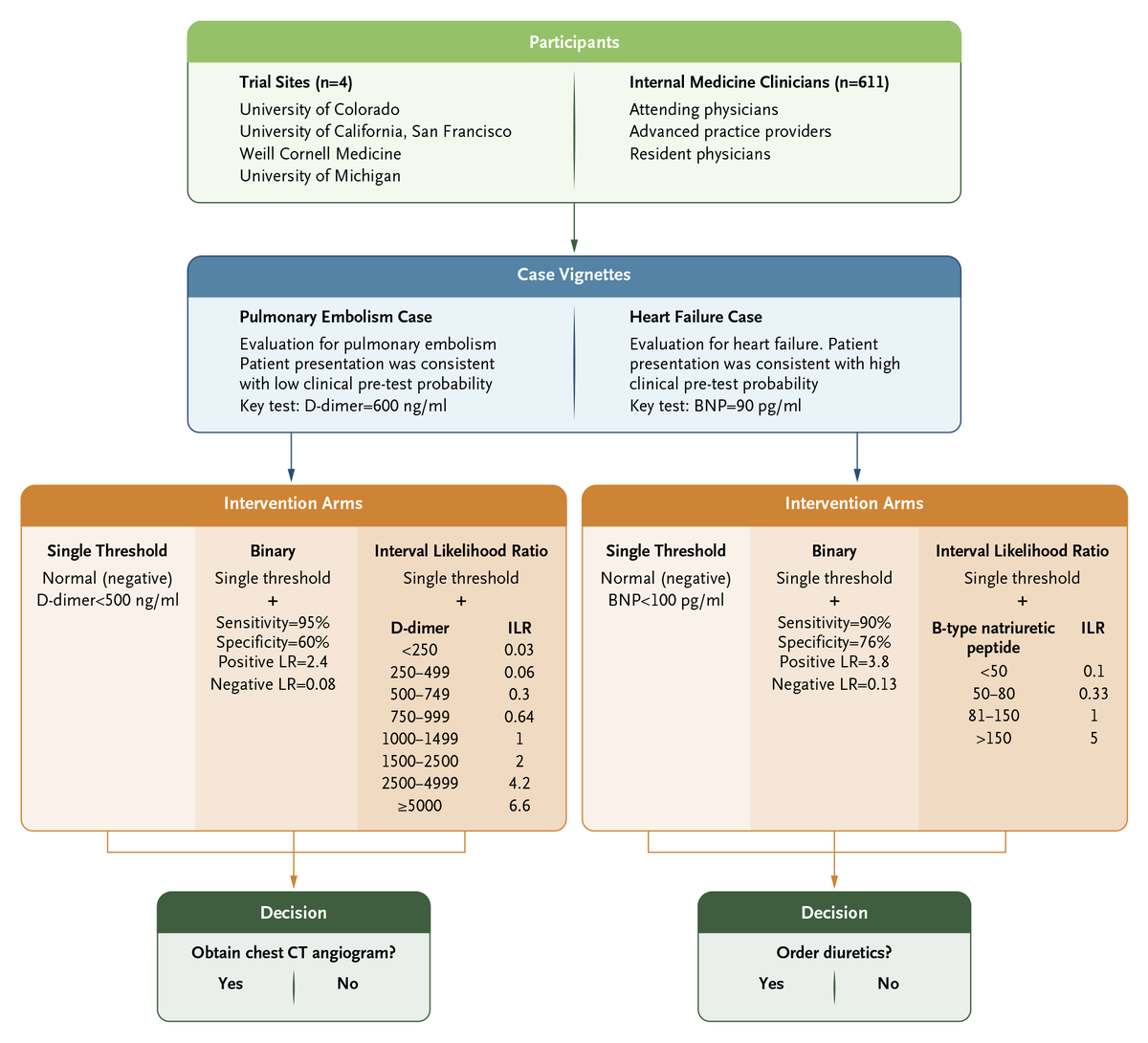
A new trial tested clinicians’ performance on fictional case vignettes in which test results were presented with a single threshold, binary test characteristics, or interval likelihood ratio test characteristics across a range of values. Learn more: https://t.co/W7rfafepQo
2/ Higher pCR rates often accompanied better survival within studies.
But treatment-induced improvements in pCR did not reliably predict treatment-induced improvements in overall survival.
Across all studies:
• Trial-arm pCR vs 3-year OS: R² = 0.30
• Treatment effect on pCR vs treatment effect on OS: R² = 0.06
Even after excluding high-risk studies, the strongest association reached only R² = 0.42, well below accepted thresholds for trial-level surrogacy
The same pattern held across different regimens and multiple sensitivity analyses.
Some doctors publish level 3-4 evidence, and the other doctors in their specialty celebrate it.
Radiation oncologists publish level 1-2 evidence, and other radiation oncologists criticize it.
autonomous robot driving through the field at night. no chemicals. no pesticides. just UV light killing pathogens and pests while everyone sleeps. this is @tricrobotics.
this is what chemical-free pest control looks like at scale.
I deeply believe that we need biology to guide the development of the radiotherapy technologies. With emerging immunotherapy and molecular targeted treatments, we need to develop more precise and effective local therapy. More importantly, we should develop clinical, biology and image AI-guided individualized radiotherapy to work together with novel systemic therapy.
Published today: "Like the unfortunate travelers of Greek mythology who found themselves either stretched out or chopped down to fit into the fatal bed of Procrustes, #radonc [is] currently forced into rigid treatment paradigms that apply the same regimen in all patients...regardless of significant inter-patient heterogeneities in tumor and normal tissue radiosensitivity."
Was great working with Drs. de Kermenguy and Facciabene on our piece in favor of the motion, "Medical physics should focus less on geometric precision and more on biologic outcomes" for the @aapm 3D-CRT Debate Series in JACMP.
Is it time to move past the relentless pursuit of dosimetric perfection in order to focus research efforts on a better understanding of interindividual variations in tumor and OAR radiosensitivity, as well as passenger effects of XRT (especially on antitumor immunity), that determine tumor control?
(Link in reply)
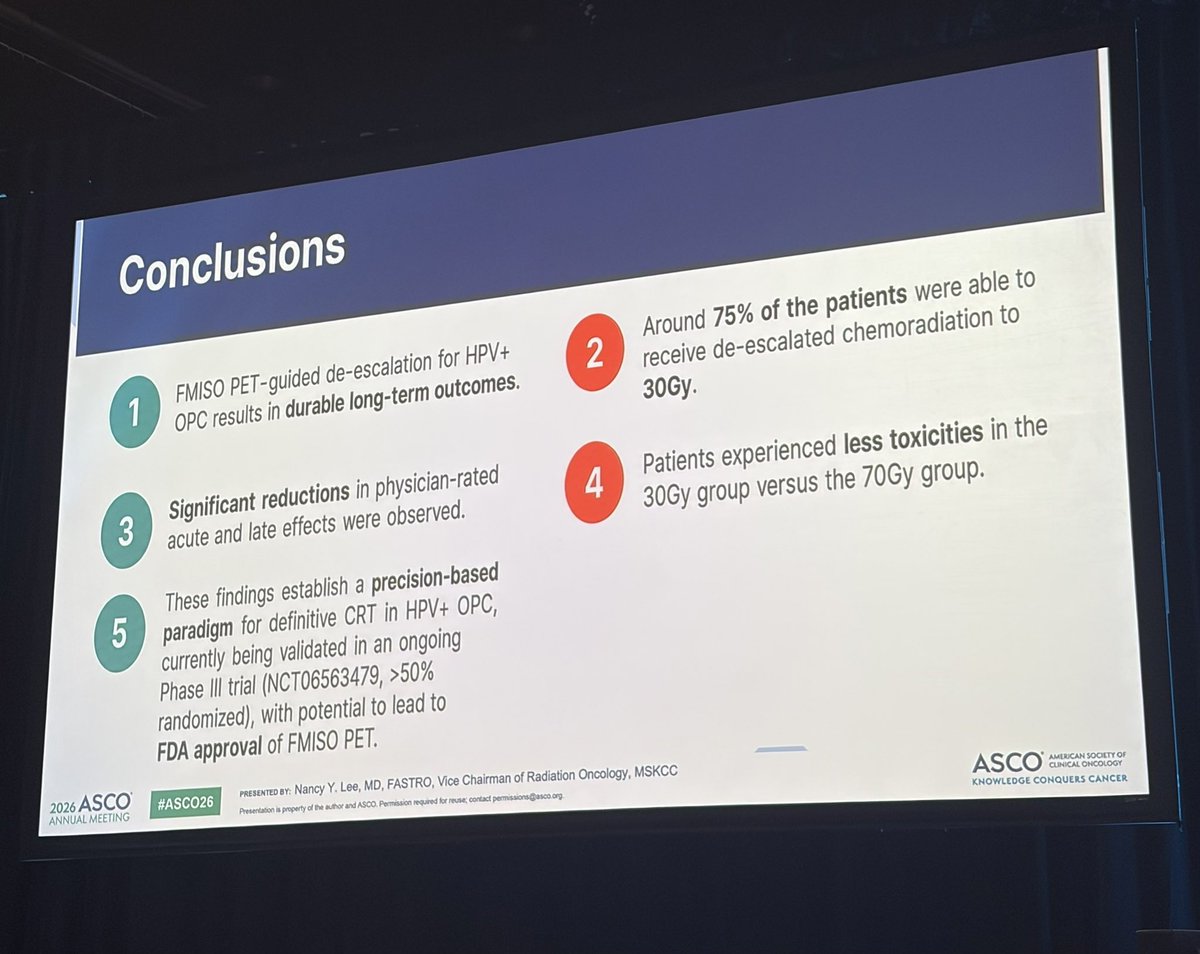
Today at #ASCO26: MSK radiation oncologist Dr. Nancy Lee (@imrtlee) shared long-term results showing that many patients with HPV-positive #oropharyngeal cancer were able to receive lower-dose radiation while maintaining durable outcomes and experiencing fewer side effects.
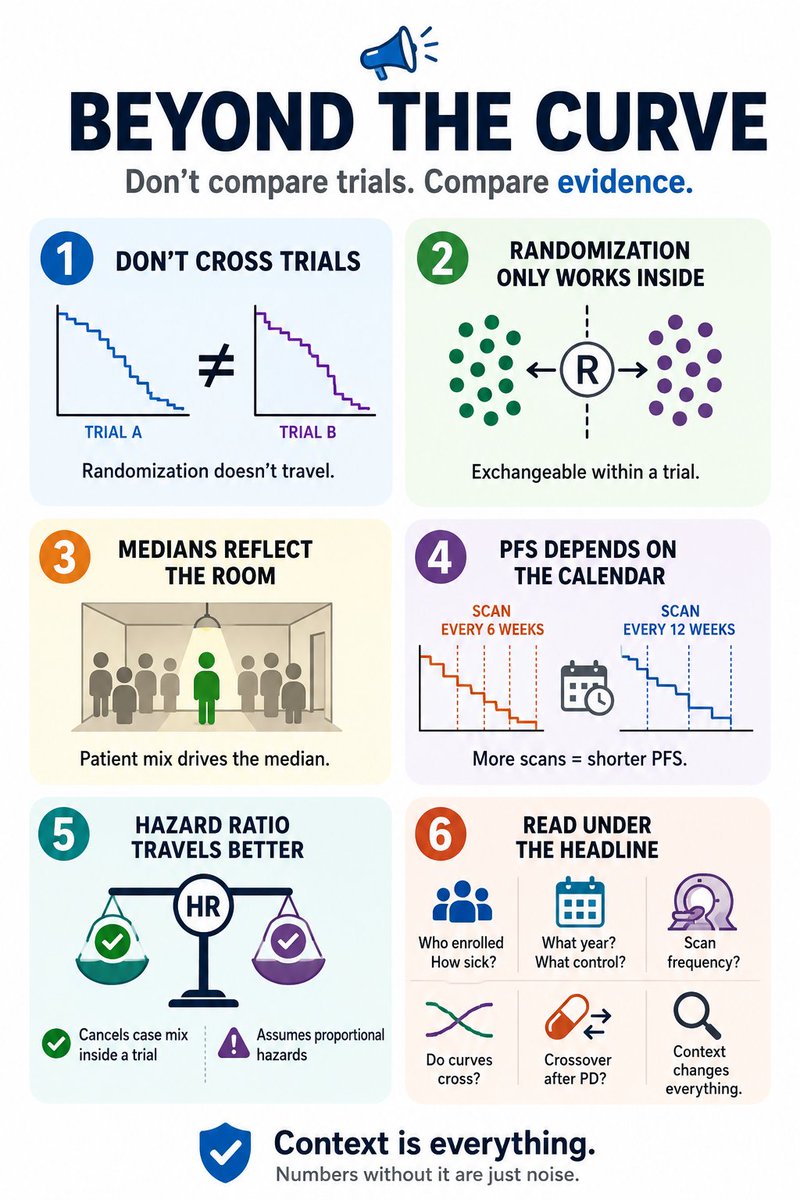
1/ #ASCO26 starts tomorrow. By Friday your feed will be full of survival curves, and the temptation will be everywhere: cross-trial/study comparison.
Before you do so, A few caveats worth keeping in mind
📣 #ESTRO26 - @UmbertoRicardo e2irradiate @EORTC prospective OLIGOCARE registry of SABR for oligomets. ~2500 patients, ~3500 mets.
➡️ local failure 5% at 1 year and 11% at 3 years
➡️ Colorectal cancer has higher risk of progression
➡️ minimum PTV dose correlated with outcome
We should aim to deliver high quality SABR to optimise control! #radonc
🎶Nice commentary by @Musjawan@JJCaudell@DavidSherMD et al - caution needed when applying KEYNOTE-689 data especially for CPS <10. ⁉️risks of progression before surgery, toxicity, and cost, with unclear OS benefit.
https://t.co/2tnW92Eo0L









![free_radical28's tweet photo. Published today: "Like the unfortunate travelers of Greek mythology who found themselves either stretched out or chopped down to fit into the fatal bed of Procrustes, #radonc [is] currently forced into rigid treatment paradigms that apply the same regimen in all patients...regardless of significant inter-patient heterogeneities in tumor and normal tissue radiosensitivity."
Was great working with Drs. de Kermenguy and Facciabene on our piece in favor of the motion, "Medical physics should focus less on geometric precision and more on biologic outcomes" for the @aapm 3D-CRT Debate Series in JACMP.
Is it time to move past the relentless pursuit of dosimetric perfection in order to focus research efforts on a better understanding of interindividual variations in tumor and OAR radiosensitivity, as well as passenger effects of XRT (especially on antitumor immunity), that determine tumor control?
(Link in reply)](https://pbs.twimg.com/media/HJuyp5dX0AAcv8n.png)