Arch Linux is still having supply-chain attacks and other misc. security issues.
This is devastating to the over 25 people who use Arch as a daily driver.
PSA: I now consider *all* of DeFi unsafe.
Coding agents are superhuman at finding vulnerabilities, and smart contract security is too asymmetric: defenders need to fix every bug while attackers need just one exploit to steal funds.
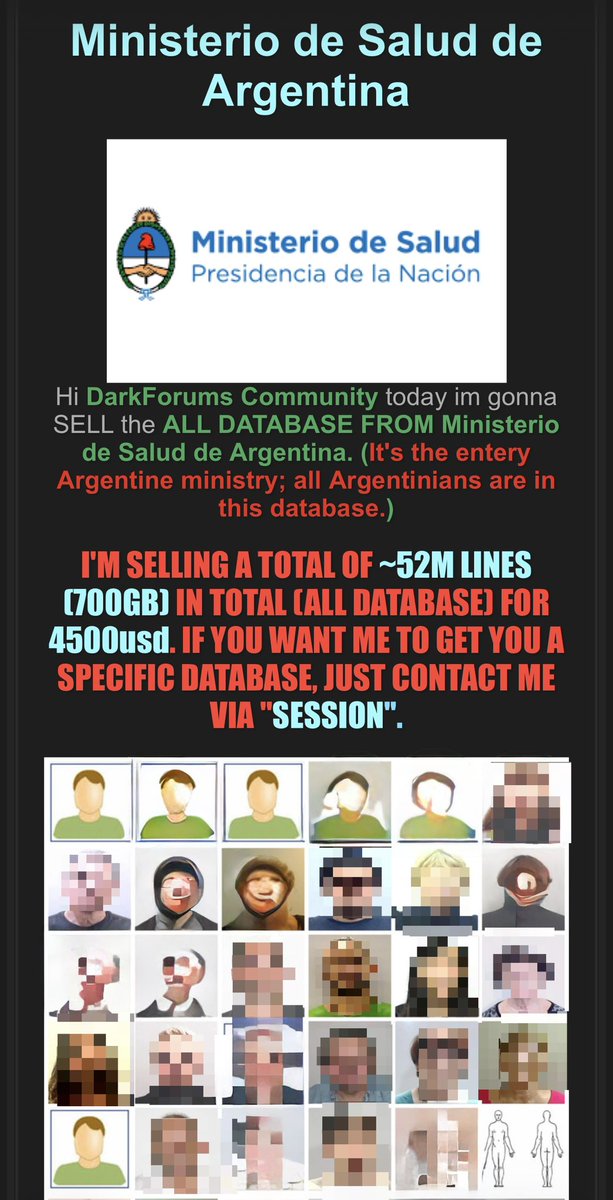
Al parecer, hackearon al Ministerio de salud de la República Argentina y están vendiendo una base de datos con los datos de virtualmente todos los habitantes.
Según la publicación, el atacante dice tener:
- Aproximadamente 52 millones de registros
- Alrededor de 700 GB de datos en total
- Cobertura de ciudadanos a nivel nacional
- Acceso a base de datos segmentada disponible bajo petición
Las capturas de pantalla mostradas en la publicación parecen hacer referencia a:
- Fotografías de perfil de ciudadanos
- Registros médicos o administrativos vinculados a la identidad
- Datasets administartivos gubernamentales
After a globe-spanning journey from Asia to the U.S., a Texas rediscovery, and a Kickstarter comeback, the original 1986 C64C molds are home!
Forty years later, they’re back at #Commodore, doing exactly what they were built for: making official C64C cases. We sent Peri to the Commodore factory to introduce himself to them in person, and verify their full working condition.
Pre-Order a C64C Ultimate Today: https://t.co/AtBqhl2oCU
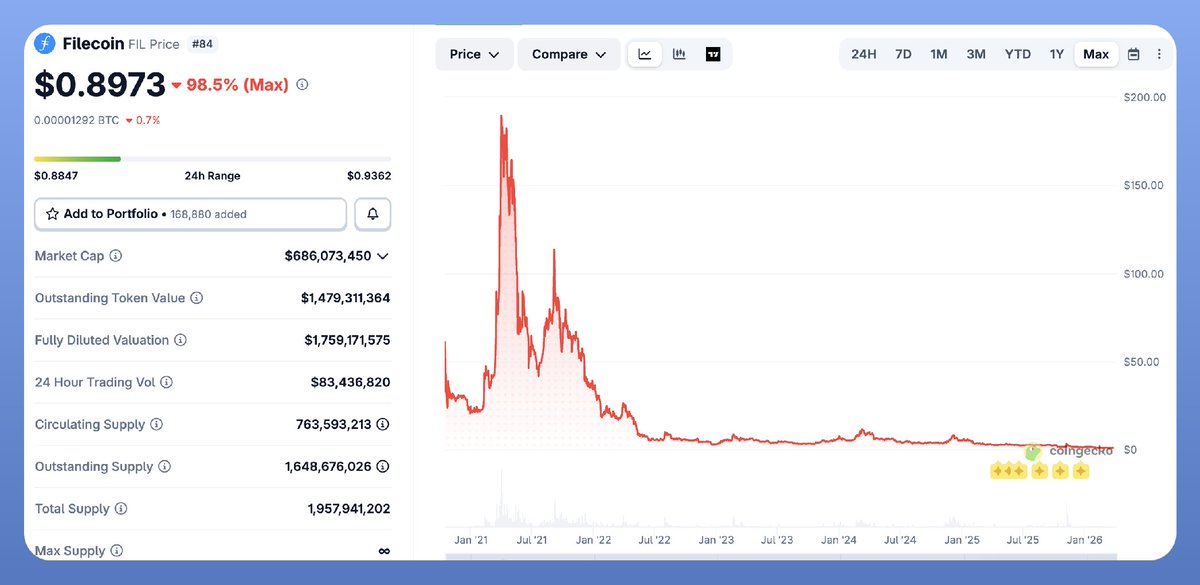
If you invested $10,000 in Filecoin $FIL in 5 years ago today, you would have $47 today.
That would be enough to buy a 10TB hard drive and store your own data like a normal human being.
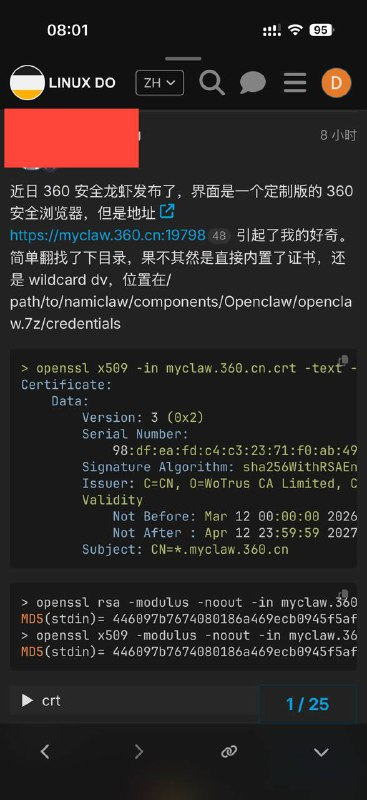
‼️ China's biggest cybersecurity company, Qihoo 360 (461M users), just leaked their own wildcard SSL private key inside the public installer for their new AI assistant "360 Security Claw."
The private key for *.myclaw.360.cn was bundled directly in the download package under /namiclaw/components/OpenClaw/openclaw.7z/credentials. The cert is valid until April 2027.
Attackers can now impersonate their servers, intercept user traffic, and forge login pages.
Fun fact: the founder promised the product would "never leak passwords."
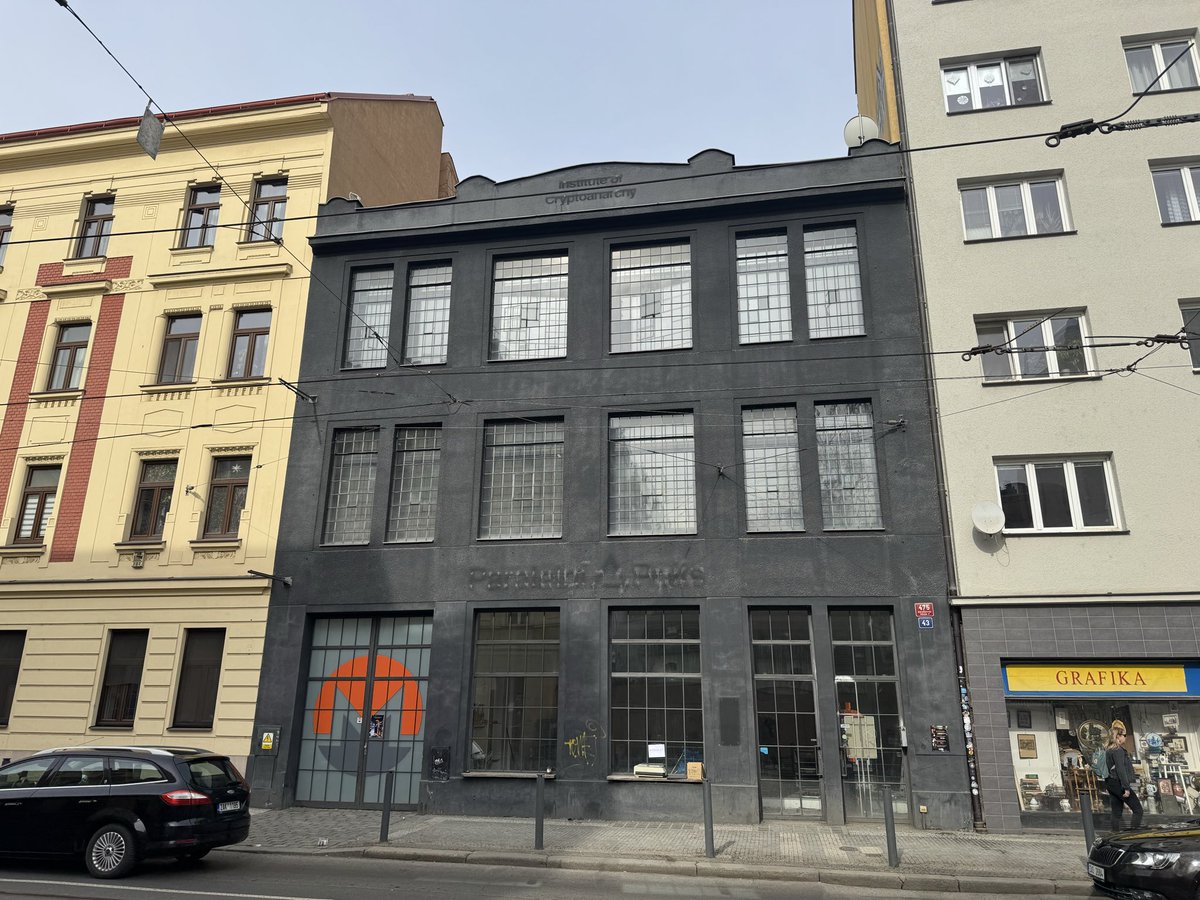
Paralelni Polis is dead
horrible news for bitcoin adoption in Europe
This was the first cafe to accept bitcoin payments in 2014
Had a coworking space where you could meet hackers & anarchists
Hosted hundreds of conferences & community meetups
Nurtured open source startups
Displayed the works of underground artists
Sold overpriced drinks and food that everyone gladly bought to support the movement
Even mobilized the community during the pandemic to have a huge remote conference with dozens of volunteering hosts and guests
If you were a bitcoiner who came to visit Prague, Paralelni Polis would let you sleep in their dorm for free. If no dorm was available, they had couches too
Now it’s dead.
Much like bitcoin adoption in Europe.
In the beginning, they would force all cafe customers to buy bitcoin to pay for the drinks.
There was a Bitcoin ATM at the entrance, but the employees would usually offer to trade bitcoin for cash in person to avoid the 10% fee.
In recent years, Paralelni Polis rebranded as Second Culture. Started accepting credit cards for payment, cut down on the number of events, faced an identity crisis that ultimately led to its demise.
Even some OGs who basically built the place didn’t want to visit anymore. Call it local drama and politics, but it was bad for everybody involved.
The worst of outcomes happened and bitcoin culture is now crippled.
I feel sorry for the newcomers who will never experience the joy of walking into this place to experience a true bitcoin economy. Heavily ideological, but somehow functional.
Now Paralelni Polis and its incumbent Institute of Cryptoanarchy are dead. What remains inside is an unplugged ATM and the Monero logo on the door – a hint that the dream of peer to peer electronic cash has moved elsewhere.
Now we never spend, shake hands with bankers and deny the existence of a second best while technically losing by every significant metric.
Good night, sweet prince!
Over the past couple of days, there has been a lot of commentary about #Ubuntu and how it'll respond to California's new Digital Age Assurance Act (AB 1043).
Read our response on Discourse:
https://t.co/T2ik1PP102