Polymer now powers 35% of $USDC volume on @jumperapp across 16 major L1s & L2s.
The routes:
💯 Zero Slippage: $100k in. $100k out. No $$ lost.
⚡️ Fast Route: End to end in ~8 seconds. 2bps.
Modern Money moves with Polymer.
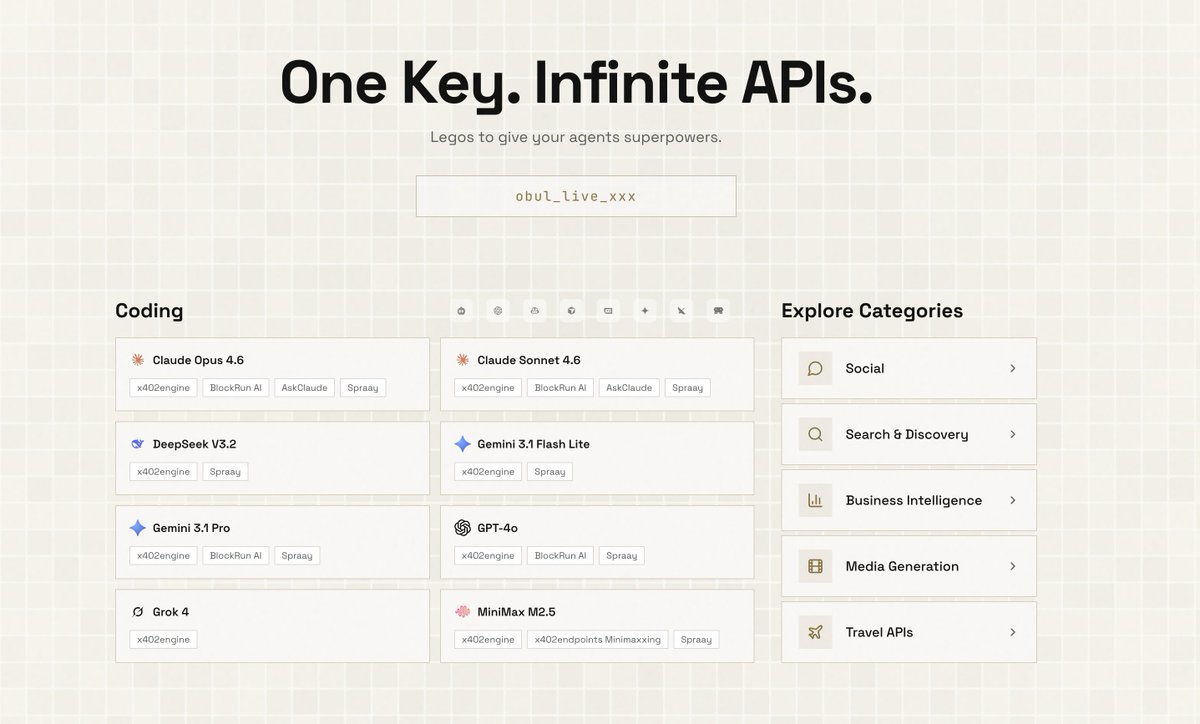
The power of price competition
The power of multiple vendors
The power of x402
The power of pay per call
The power of one account and no wallet
This is the power of Obul
If you're looking for a powerful twitter API, check https://t.co/9IWIlXOFMo by @SteveMoraco
I used it via @Obuldotai within seconds - no wallet required
Building in the x402 ecosystem has been incredibly rewarding. It really feels like we're building the future
Intents For Everyone, with Everyone.
We’re thrilled to announce that Polymer will be the first proof based interoperability solution to support the @ethereumfndn's Open Intents Framework (OIF) from day zero.
Led by @hyperlane and @bootnodedev, over 30+ leading L2 and infrastructure protocols have joined forces to unite Ethereum through shared innovation.
Open frameworks are critical to Ethereum’s growth—and we’re proud to help shape a future where any application can leverage intents to create seamless user experiences.
Eth together, strong 🤝💎
Learn more here ⏩: https://t.co/ydmlsVNxhd
Ethereum needs to go multichain to scale, and the best applications recognize and build for this.
We're excited to have @RiftLend integrate us as the world's first truly cross-chain lending platform.
Instead of having different instances across rollups, RiftLend is a single application that aggregates yield from all supported rollups.
One app, many chains 🌐
Try it out today: https://t.co/M6qR8SPVgo
The future has more rollups and we need an interop solution tailored for them.
Ethereum is becoming app-centric, not chain-centric. Apps are outgrowing single rollups & need to scale across 100s of rollups to compete with Web2 performance.
Current interop solutions are holding us back.
The Problem -
• Today’s interoperability relies on cross-chain messaging, a solution designed for L1-to-L1 communication.
• It’s slow (~2+ minutes per message), costly (gas fees on multiple chains), and restrictive (developers must modify contracts).
• This approach wasn’t built for rollups, where speed, scalability, and user experience are critical.
The Polymer Breakthrough (Prove API) -
Instead of sending messages, Polymer leverages state-proving to deliver real-time, scalable interoperability across rollups:
• Speed: ~6 seconds.
• Developer flexibility: No rigid APIs or contract modifications.
• Routing: A simple “one-to-all” model eliminates the need for manual connections between rollups.
• Cost: Lower gas consumption with a single call; no contract bloat.
• Extensibility: Seamlessly integrate new rollups in minutes with uniform security.
With Polymer, apps can focus on growth and performance, not managing complex interop. It’s time to leave outdated message passing behind and embrace the next-gen interop Ethereum apps need.
Link to full blog below 👇
"We wanted to build a simple primitive where you can request a proof, and use that proof anywhere, to verify these events happened in your application."
No SDK required, just a simple API.
Watch our very own @brobobo_bo_bobo speak on @jaxxdwyer's latest Building Web3 episode.
The first Chain Abstraction SDK, powered by Polymer's Prove API
Multi-chain apps can now:
- Deliver a unified wallet experience with instant spends
- Secure repayments only after execution is proven
The next evolution of interop: Prove any action, cross-chain.
We’re excited to announce Ink is live on mainnet!
Months ahead of schedule, we’re officially launching as part of the Optimism Superchain. This is just the beginning of our journey to bridge the gap between users and builders in DeFi.
Let’s ink the future together ✍️
“What standards would we have built if Ethereum moved forward with sharding, instead of passing the baton to independent L2s?”
@VitalikButerin dropped this bomb at the Ethereum Interop Forum (EIF) at DevCon last month, in a room filled with the top Eth builders and protocols.
You could tell he was disappointed, like a parent with his dysfunctional children.
The message was clear—Fragmentation is an existential threat. Unless we work together to address the elephant in the room, Ethereum will shatter.
~~ Ethereum Avengers, Assemble ~~
In my 5 years in interop, I've had the privilege of watching the space grow and evolve under the leadership of some of the best minds solving for cross-chain.
But the reality is, we have never been more fragmented, despite having more apps, bridges, rollups, and funding than ever before.
EIF changed everything for me.
It was the first time I saw the Ethereum community come together to tackle anything head-on since the modular roadmap began.
Rollups, intent/solver networks, chain abstraction, interop, shared sequencers—all of us gathered to share our perspectives on overcoming fragmentation.
We contributed eagerly. We challenged each other’s thinking. We dropped our egos to answer difficult questions, even if it meant admitting our shortcomings.
EIF made me feel something I hadn't felt in a long time. It was passion and excitement and optimism bundled into one. And I left Bangkok with an unshakeable feeling:
This time is different
~~ How Do We Unite Ethereum? ~~
In a future with network traffic from hundreds, soon to be thousands, of rollups, the only sustainable solution is to bring interop on-chain and leverage Ethereum as much as possible.
i.e. Native Interoperability - using Eth-native infrastructure and standards to enable cross-chain communication
This is not a new concept. Matter of fact, all the components for enabling native interop already exist.
So why aren't we using it? Because native interop has historically been slow and expensive, and teams are too focused on building walled gardens.
EIF gave @Polymer_Labs the chance to have focused discussions with our users and peers, to gain first-hand knowledge of their pain points and insights.
Here's what we learned 👇🏻
(1) Cross-chain system design is top of mind for a LOT of developers. Apps are fed up with walled gardens.
(2) Intents are the best solution for near-term UX fragmentation. But it needs common call interfaces and intent-friendly wallets.
(3) Devs want unopinionated infrastructure. With so many standards emerging, there’s a push for neutral out-of-the-box solutions that support both open and app-specific standards.
(4) Native interop must reduce latency, minimize overhead, and onboard new rollups quickly - so Ethereum actually feels like one unified chain.
Now, only one question remains: what can we do about this?
~~ Any Action. Any Chain. ~~
Polymer is releasing an open API to harness native interoperability, making it lightning fast at scale.
This is our contribution to uniting Ethereum.
Our goal is to create a unified plug-n-play interface, compatible with both apps AND infrastructure protocols, to access ALL Ethereum rollups simultaneously in block time.
Allowing anyone to access everything, everywhere, all at once.
Imo we have built something special—something that both enhances and transcends interoperability as we know it. And based on feedback from our early adopters, we are on the right track.
What to expect:
🏁 Interop without cross-chain messaging (yes, you read that correctly).
🌐 Atomically prove any on-chain action, event, or storage across all connected rollups.
⌨️ Extreme developer flexibility—bring your own API and event structures. No contract modifications needed.
🪷 Out of the box support for any token standard, wallet standard, and EVM rollup stack.
💰 Significantly reduced fees and settlement times for any cross-chain use case (intents, token issuance, paymasters etc.)
We would love to collaborate with more teams as we roll this out.
Shoot me a DM for more info + access to docs. We're ready for you 😁
Let’s make Ethereum great again!
🚨 New weekly series (~2 mins or less) 🚨 👇
A Product Journey, Inside Polymer - Session 1: The path to a fast native interop solution with lessons learned along the way.
Topics discussed:
- Primer on rollups
- Why ethereum verification is slow
- How native interop is now fast
- Why you should care (rollup application thesis)
This gives insights into product discovery and decision making. Let's learn together, this is crypto after all.
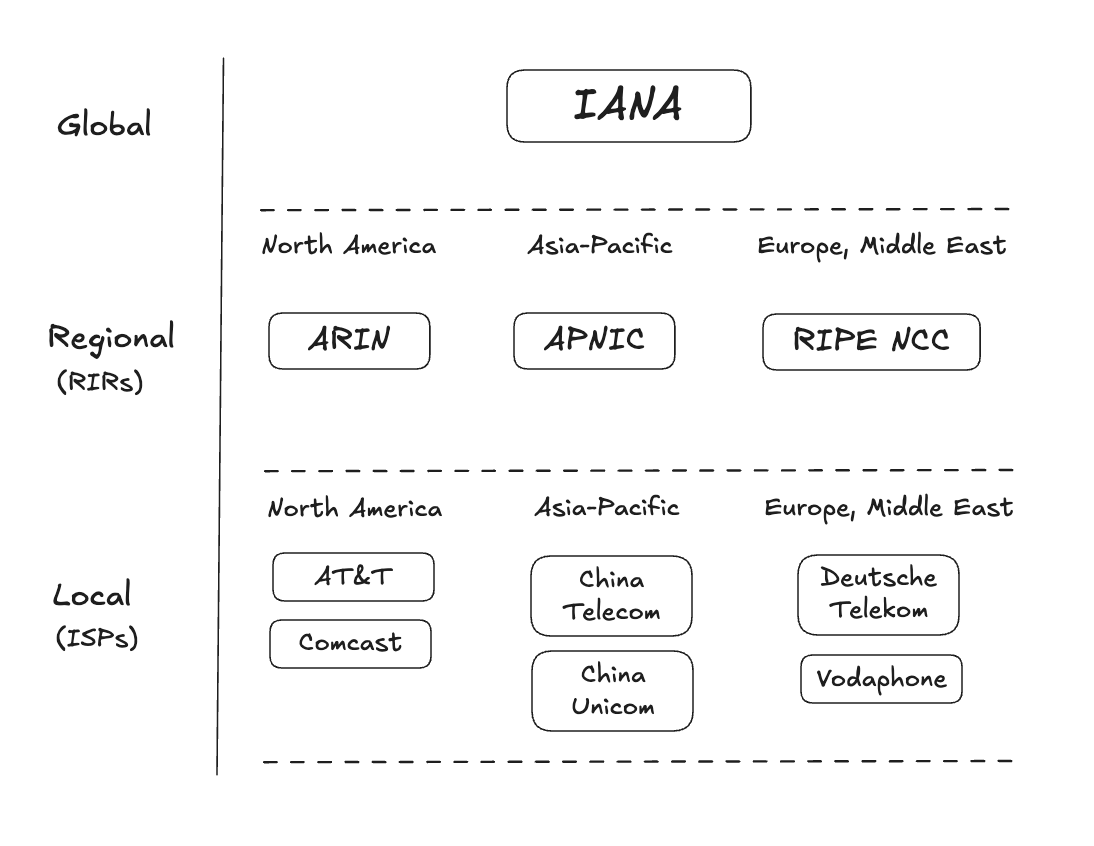
The decentralized internet will mirror the internet today.
Except Ethereum will serve as the core root of trust.
The Internet Assigned Numbers Authority (IANA) currently oversees the assignment of IP addresses to regional and local authorities.
🧵 (1/6)
♾️ Polymer Hub Mainnet is live! ♾️
Polymer delivers real-time interoperability to Ethereum rollups
Uniting the World Computer with performant network infrastructure for the next generation of on-chain apps
We're here to Connect Infinity 🧵👇🏻
[1/]
It was an absolute pleasure sitting down with interop guru @arjunnchand on this pod!!
We're pushing interop into its performance era @Polymer_Labs. From L1s to L2s, each technology transitioned from a "make it work" era to a "make it fast & efficient" era.
We're building a real time interop protocol for high performance rollups.
There's so many technologies in the interop category. Shared sequencers, ecosystem native interop, ZK aggregation etc. How do they relate to each other and Polymer?
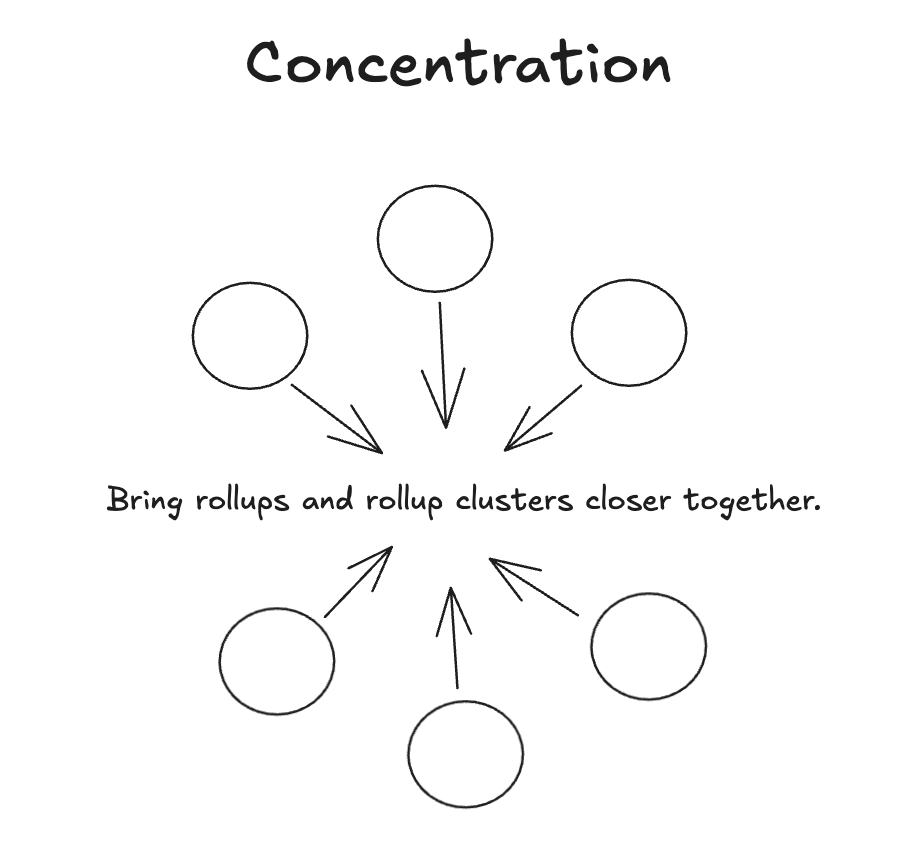
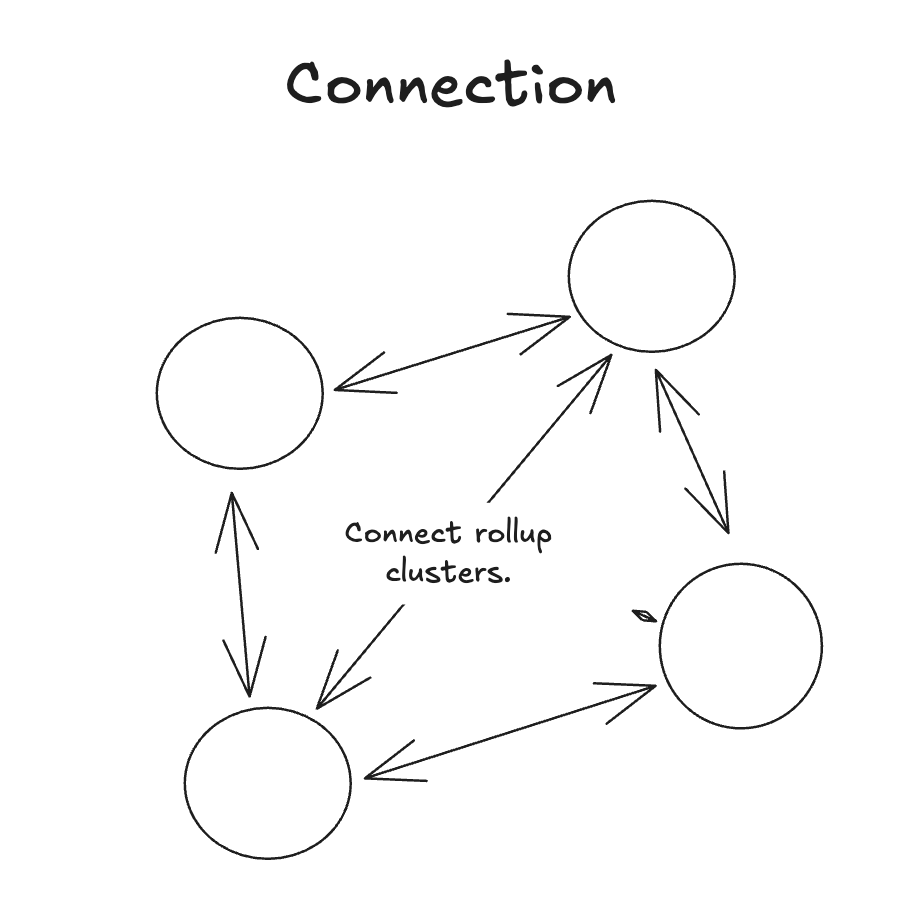
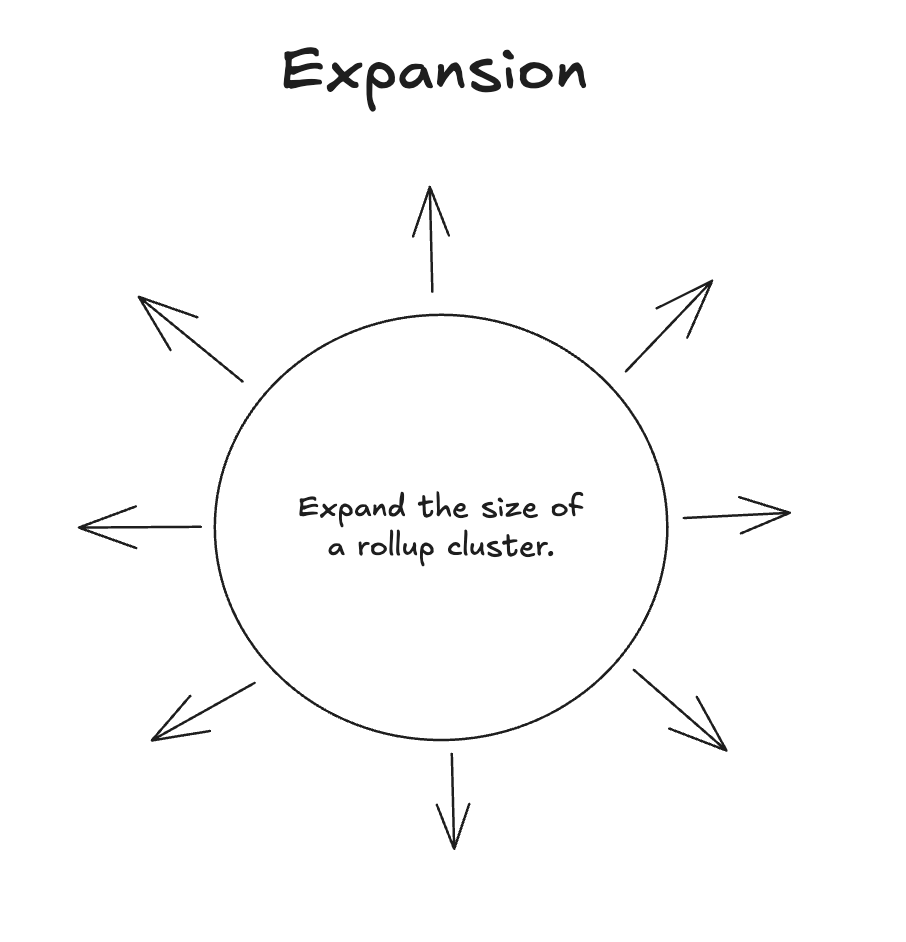
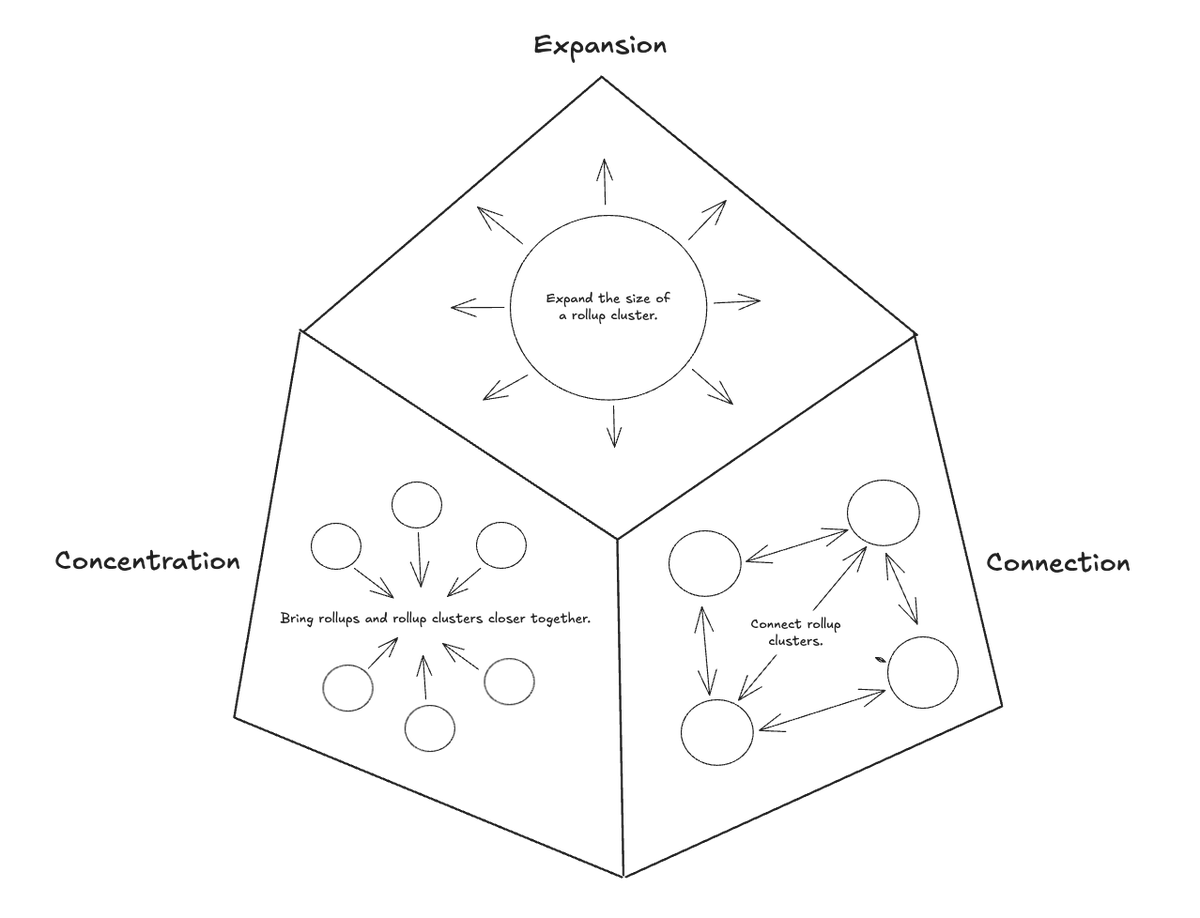
To avoid getting into technical nuances, let's think of each technology as creating its own rollup cluster.
Polymer supports these rollup clusters in three ways:
1. Expansion. Polymer hub extends the support of native interop protocol standards to a larger set of chains. This expands the size of existing clusters.
2. Connection. Polymer streams state, logs and messages over @IBCProtocol primitives between connected rollups. This connects discrete rollup clusters together.
3. Concentration. Rollups are separated by long latencies (Ethereum finality). Polymer hub shaves latencies to seconds by implementing RIP-7789 for reorg protection (https://t.co/7ZOw4AmD1t). This brings rollups clusters closer together.
Looking forward to the next @lifiprotocol pod!!
Building IBC for Ethereum ft. @0xshake 🎙️
@arjunnchand sits down with Bo, the technical co-founder of @Polymer_Labs. They’re building the Polymer Hub, a specialized rollup designed to make interactions between rollups both cheaper and more secure.
Key Moments from the Episode:
0:00 - Introduction & Bo's Journey to Founding Polymer
4:45 - Ethereum vs. Cosmos: Fragmentation and Vibes
7:22 - What Exactly Is Polymer Building?
12:05 - Understanding Polymer's Hub-and-Spoke Model
15:14 - Balancing Cost and Security in Interop: Polymer's Approach
18:52 - Why Polymer Chose EigenDA for Data Availability
20:20 - The Move Towards a Lightweight Design
22:39 - Polymer's Three-Point Vision: Expansion, Connection, and Concentration
26:32 - Rollup Security Models & Mainnet Launch
34:25 - Why Build on Polymer?