@dhume@ShekharGupta once recounted an anecdote about meeting Pramod Mahajan after the launch of India Today’s Gujarati edition, which signaled the rise of Modi as the the BJP’s next generation leader. Mahajan would have given his all in that contest
@_soniashenoy If one intends to fund grandchildren’s education, travel, and housing EMIs, assuming personal housing and children’s education expenses are already settled by 60 yrs of age and travel in 80s and beyond is difficult
The IMID finding is particularly striking. A 2024 meta-analysis in Sports Medicine showed that even 15 min/week of vigorous activity lowered inflammatory markers (CRP, IL-6) by 20-30% compared to moderate volume alone. It suggests there's something about pushing into that higher intensity zone that uniquely modulates immune function beyond what more total movement achieves. Makes you wonder how much of the longevity benefit from exercise is really about intensity thresholds rather than duration.
2/
KRAS G12D is virtually the most important☝️ RAS mutation in solid cancers
🧬KRAS mutations drive ~20% of cancers.
📊KRAS G12D alone drives:
• 40% of pancreatic cancer #PDAC
• 5% of #NSCLC
• Also present in extrahepatic cholangiocarcinoma and gynecologic cancers
For decades, this has been one of the hardest targets in oncology.
@AnnaVarghese4
https://t.co/2e98Ii6AqF
Lee et al.
https://t.co/1chgtSZgo3
1/n
Setidegrasib the first-in-human, first-in-class, KRAS G12D-targeted protein degrader #TPD
Our KRAS G12D degrader study is now published in the New England Journal of Medicine @NEJM
https://t.co/8Juil6VN42
A new way to target KRAS G12D - one of the most common oncogenic drivers across cancers.
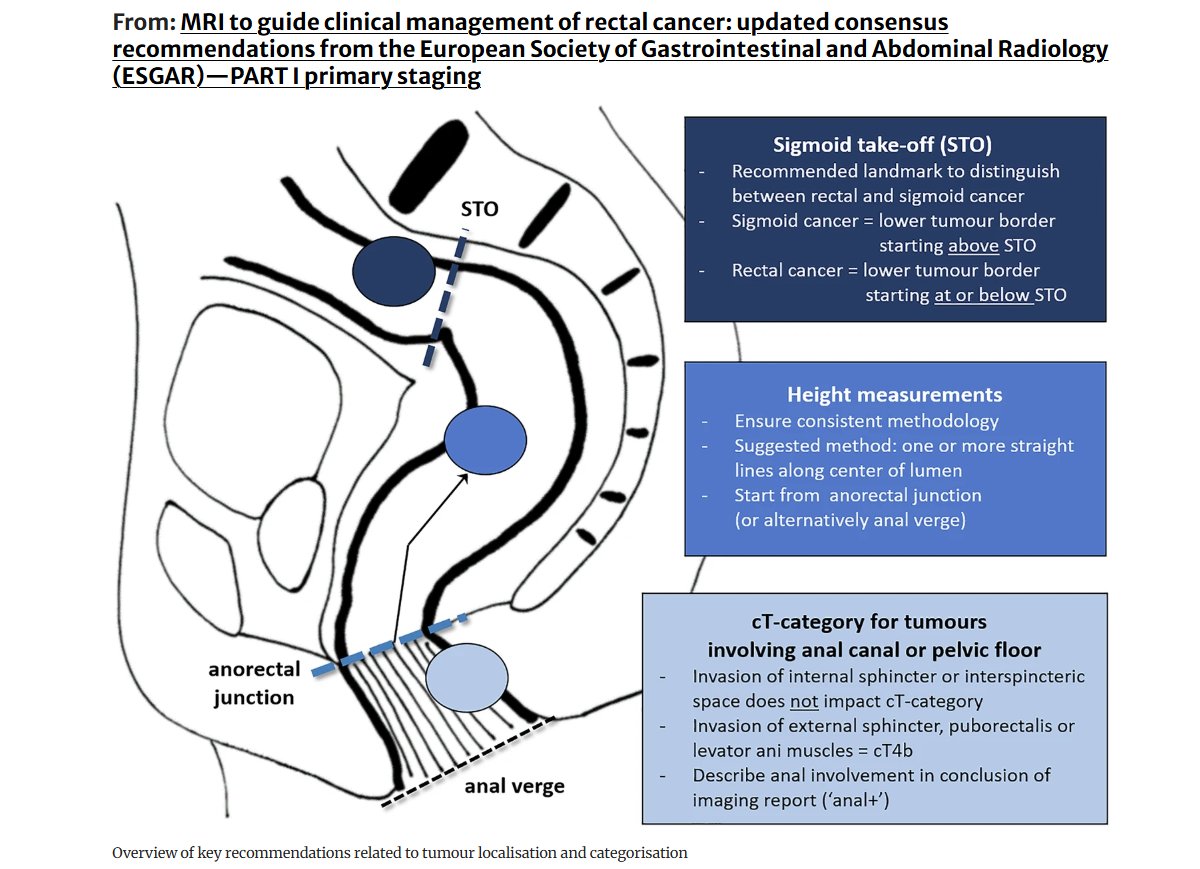
MRI to guide clinical management of rectal cancer: updated consensus recommendations from the European Society of Gastrointestinal and Abdominal Radiology (ESGAR)—PART I primary staging.https://t.co/80DS0kJMkh
True, the Athenian did say “the strong do what they can and the weak suffer what they must.” Then, Thucydides teaches us, Athens sailed towards ruin, driven by hubris and demagoguery.
The line gives insight into the blindness of the vain, not the natural order of things.
In 1980, DeBakey operated on the Shah of Iran. He declares success. Soon, the patient is dead. Reoperation is psychologically brutal: how bias delay truth & what might save us from the same trap. https://t.co/5nZdjJEcmA #MedTwitter#Surgery#MedEd
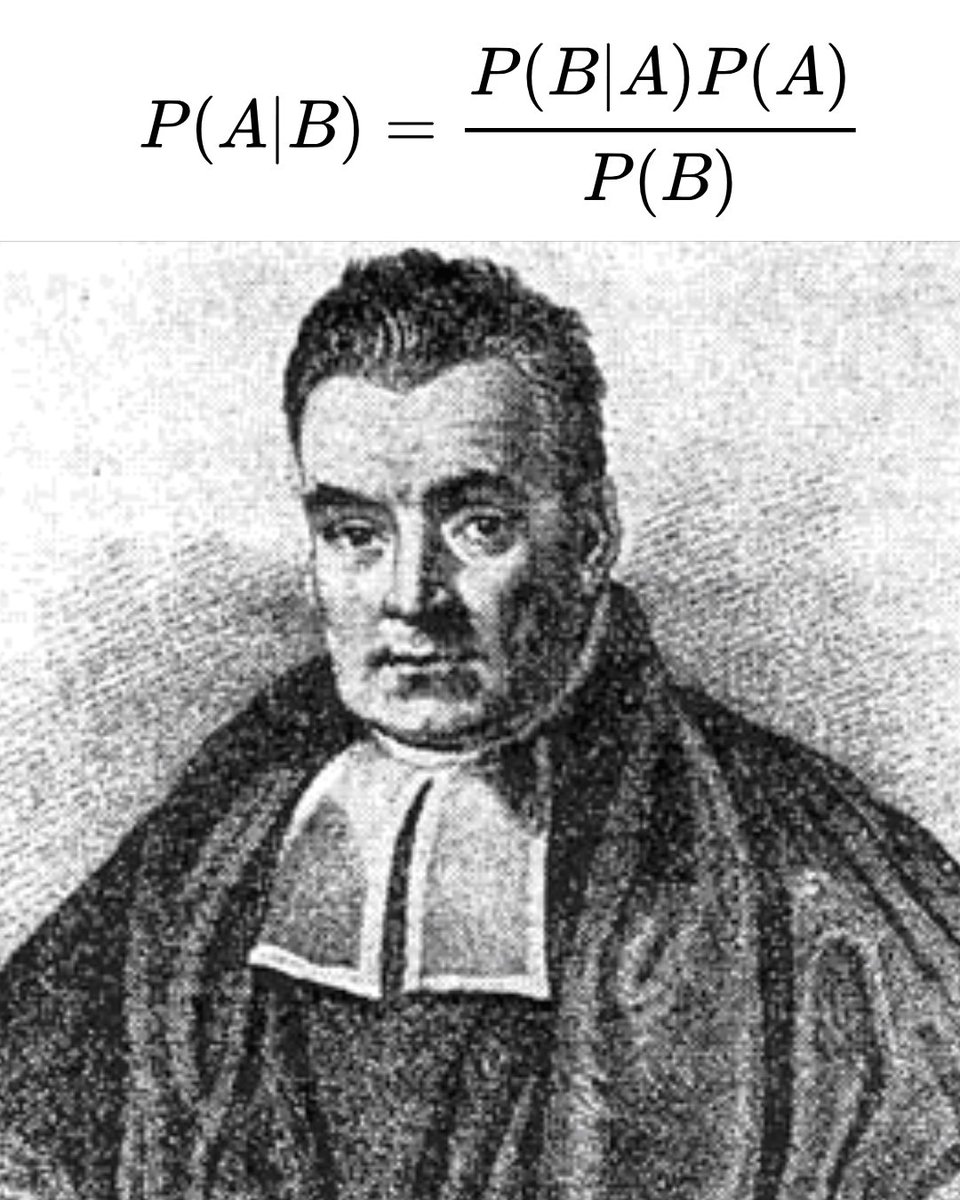
Bayes’ theorem in plain English:
You don’t have to be right.
You just have to be willing to update your beliefs when new evidence appears.
Most arguments happen because people either never update… or change their minds based on one headline.
Rational thinking isn’t black vs white.
It’s adjusting confidence as better evidence comes in.
Bayes’ theorem is probably the single most important thing any rational person can learn.
So many of our debates and disagreements that we shout about are because we don’t understand Bayes’ theorem or how human rationality often works.
Bayes’ theorem is named after the 18th-century Thomas Bayes, and essentially it’s a formula that asks: when you are presented with all of the evidence for something, how much should you believe it?
Bayes’ theorem teaches us that our beliefs are not fixed; they are probabilities. Our beliefs change as we weigh new evidence against our assumptions, or our priors. In other words, we all carry certain ideas about how the world works, and new evidence can challenge them.
For example, somebody might believe that smoking is safe, that stress causes mouth ulcers, or that human activity is unrelated to climate change. These are their priors, their starting points. They can be formed by our culture, our biases, or even incomplete information.
Now imagine a new study comes along that challenges one of your priors. A single study might not carry enough weight to overturn your existing beliefs. But as studies accumulate, eventually the scales may tip. At some point, your prior will become less and less plausible.
Bayes’ theorem argues that being rational is not about black and white. It’s not even about true or false. It’s about what is most reasonable based on the best available evidence. But for this to work, we need to be presented with as much high-quality data as possible. Without evidence—without belief-forming data—we are left only with our priors and biases. And those aren’t all that rational.
Surgery is a "wicked" environment: feedback is delayed, noisy, and often biased. My essay on why experience doesn't always equal mastery, and how to learn when the feedback loops are broken.
https://t.co/mkHMtpskBV
#MedTwitter#Surgery#MedEd
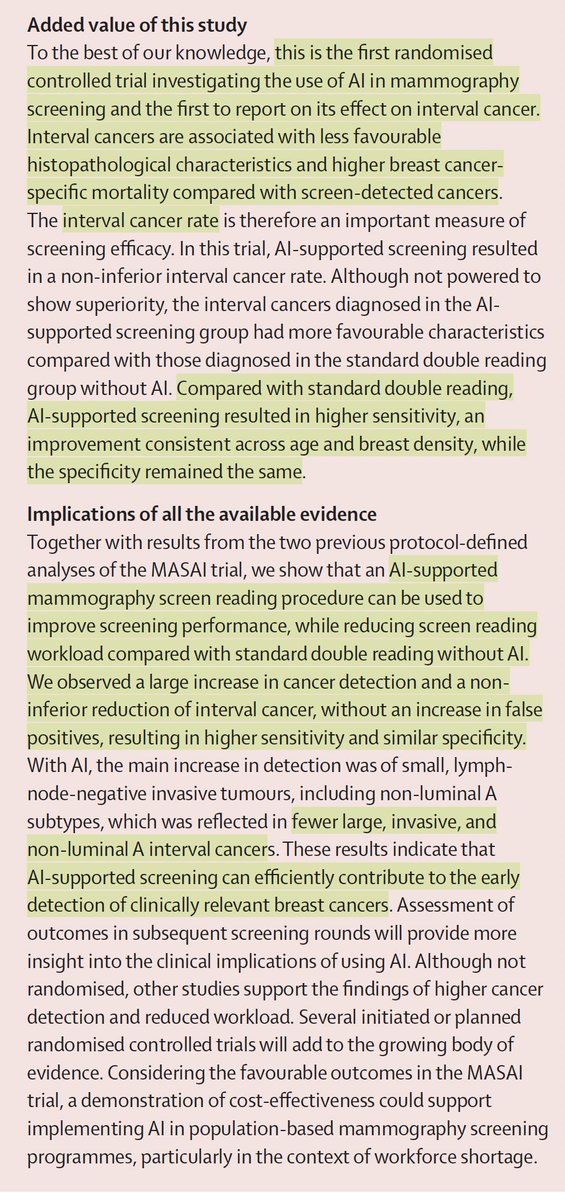
The largest randomized trial of medical A.I.
—Over 100,000 women in Sweden
—radiologist + AI vs 2 radiologists, in follow-up
—AI added led to 29% more cancer detected, 44% reduced workload, and
—Less cancer dx in subsequent 2 years, and, when found, less aggressive
https://t.co/e1hY3F0cGo
A @Nature Outlook feature series on #PancreaticCancer
https://t.co/a5UeknbDyH
Including 👉🏽
Early detection:
https://t.co/GUszmAUlN5
Cancer models:
https://t.co/jtpu2tCdMr
Pancreatic cancer - nerve interactions
https://t.co/Wgi9fkK9xa
Vaccines
https://t.co/skZSvGcBcZ