📣#STEMI patients who develop #CardiogenicShock are far less likely to receive #MCS if they’re female, Black, Asian/Pacific Islander or insured by #Medicaid. Steps must be taken to improve treatment and outcomes of these patients.
Learn more with this @TCTMD article➡️ https://t.co/dJo3aFvnUy
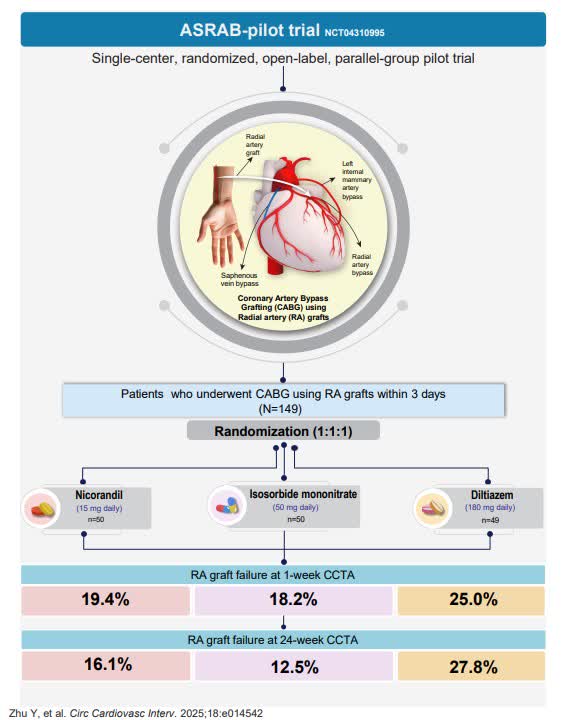
Maintaining radial patency after CABG Surgery: the Randomized ASRAB -Pilot Study. Lower graft failure with nicorandil or isosorbide mononitrate compared to diltiazem #AHAJournals https://t.co/vu1gwtwZID
New TAPSE thresholds based on mortality data
of 25k patients
finds excess mortality starts at a TAPSE of
<20.9 mm not at current cutoff of <17 mm
Pts with significant TR had excess mortality at lower TAPSE <18 mm threshold c/w pts w/o significant TR https://t.co/Eo93ifuo7t
NEW! 2025 US guidelines for the management of ACS (STEMI and NSTE-ACS) just released. Intravascular imaging guidance with OCT or IVUS during PCI in ACS is now recommended for left main or complex lesions with a class IA recommendation.
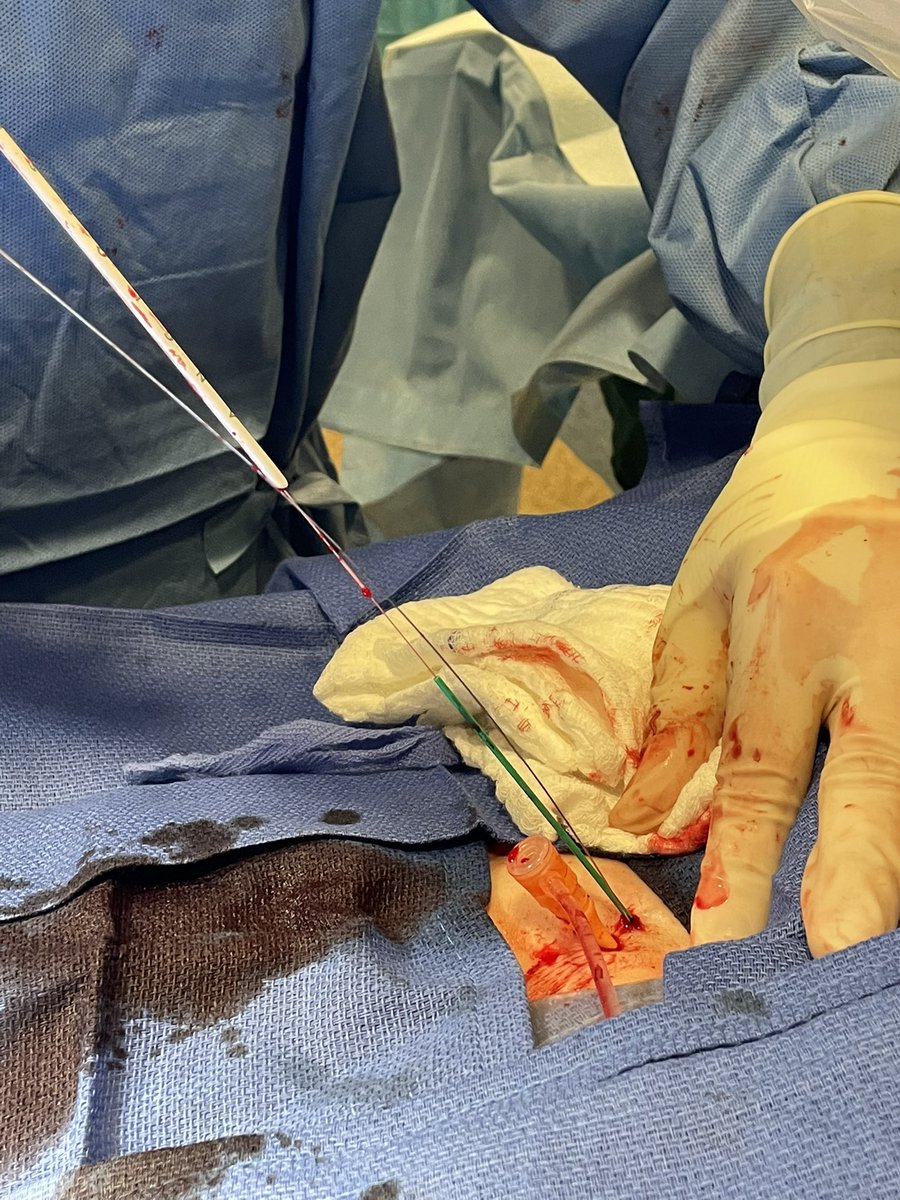
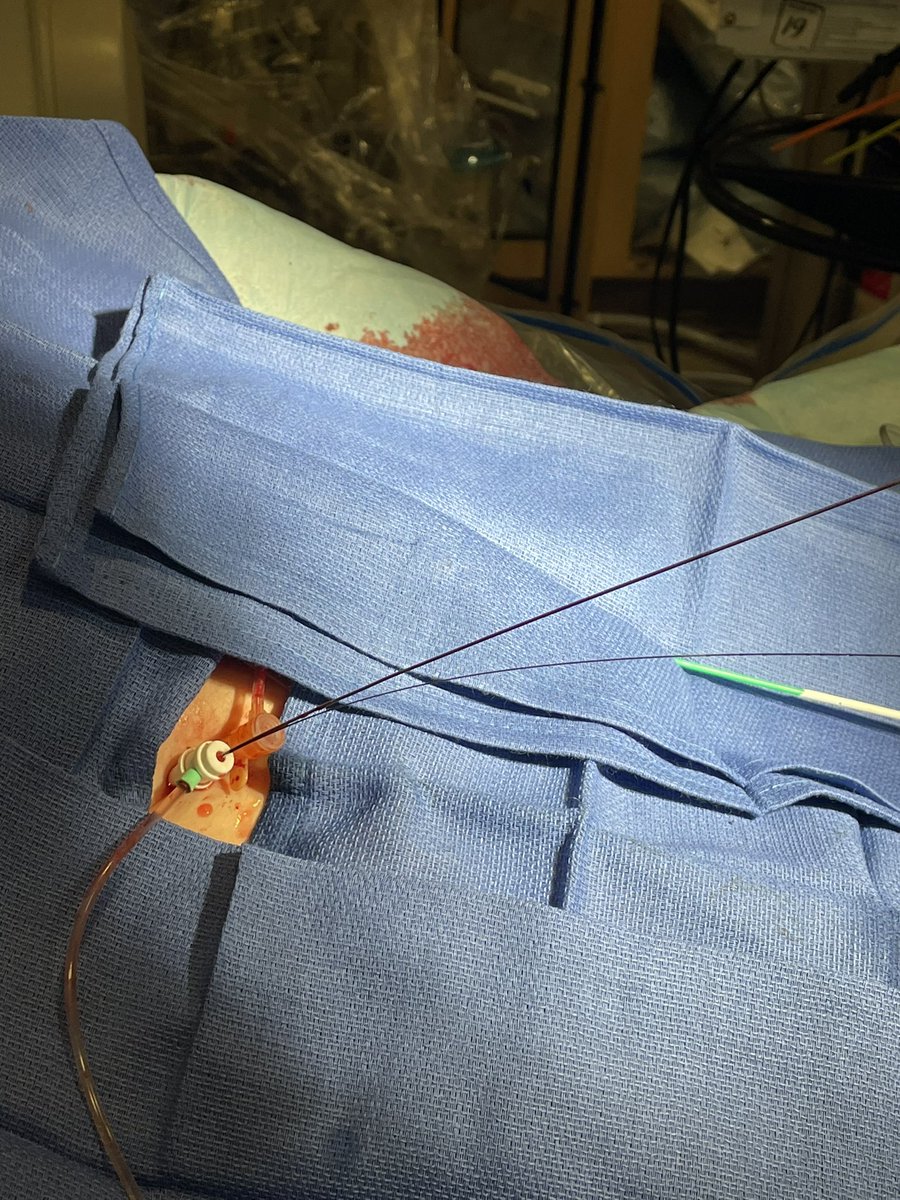
For those not familiar with it, here’s a quick, easy way to maintain arterial access with use of a collagen based vascular closure device. Just re-insert a 0.018 micropuncture access wire into the sheath prior to deployment #safefemoral the
Treating Older Patients in Cardiogenic Shock with a Microaxial Flow Pump: Is it DANGERous? https://t.co/8qxYuFOlxt
We all know hopefully the NNT for DANGER is 8 … check out the 50-60 year old PPCI which is where the massive benefit is : NNT approaching 4 😳
#cardiovascular #Cardiotwitter #Medtwitter @JACCJournals
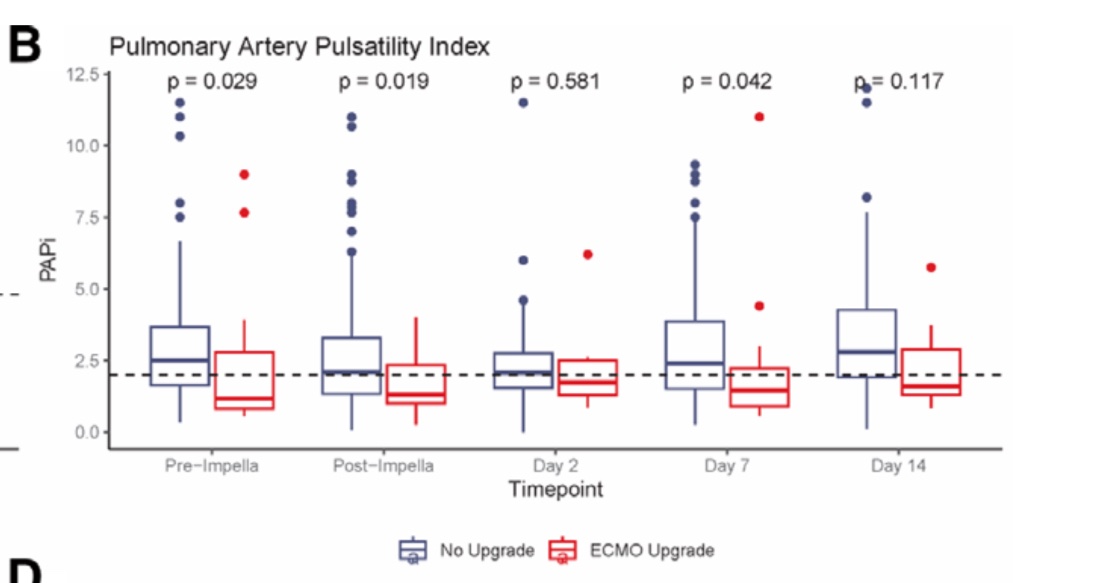
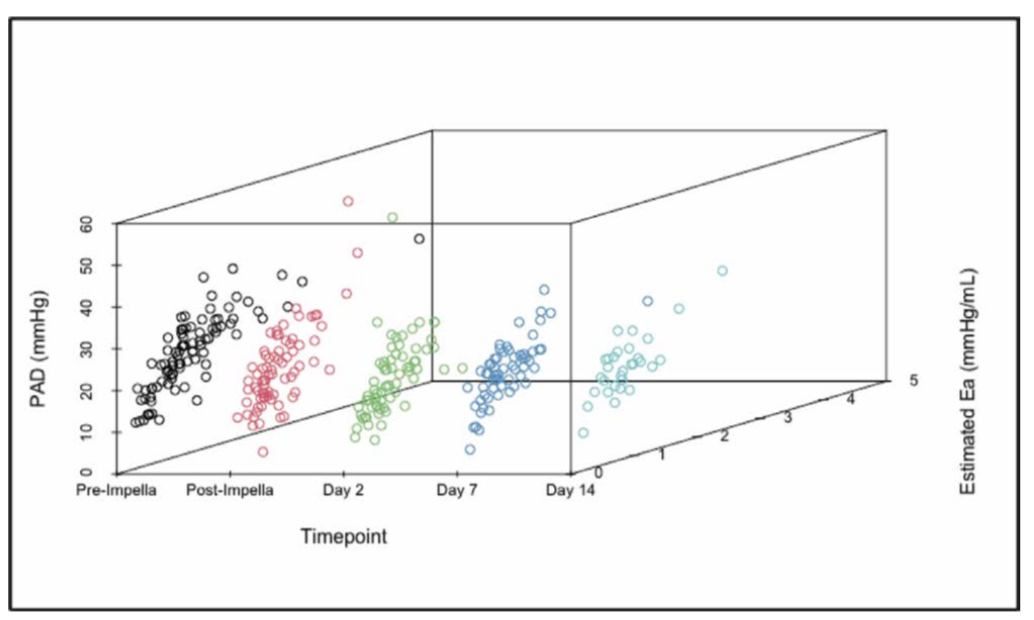
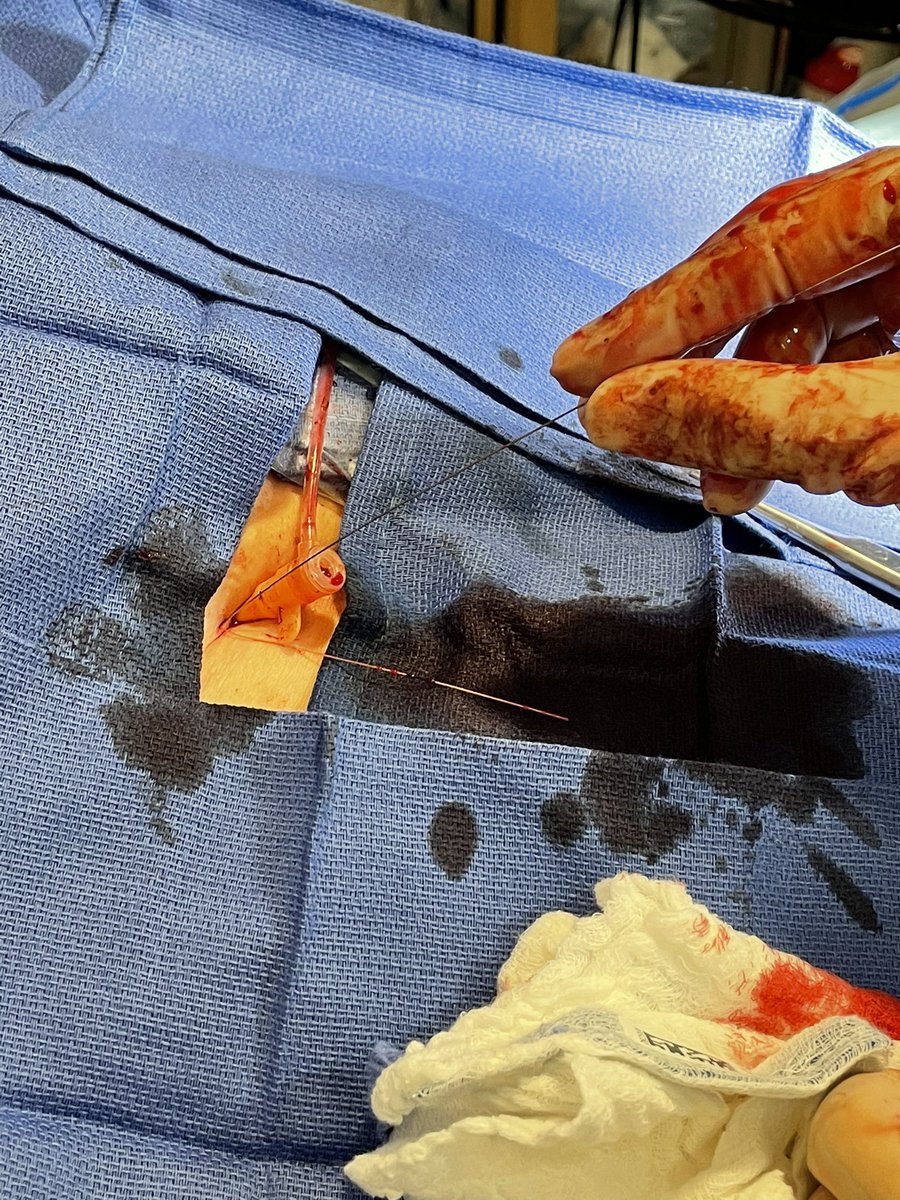
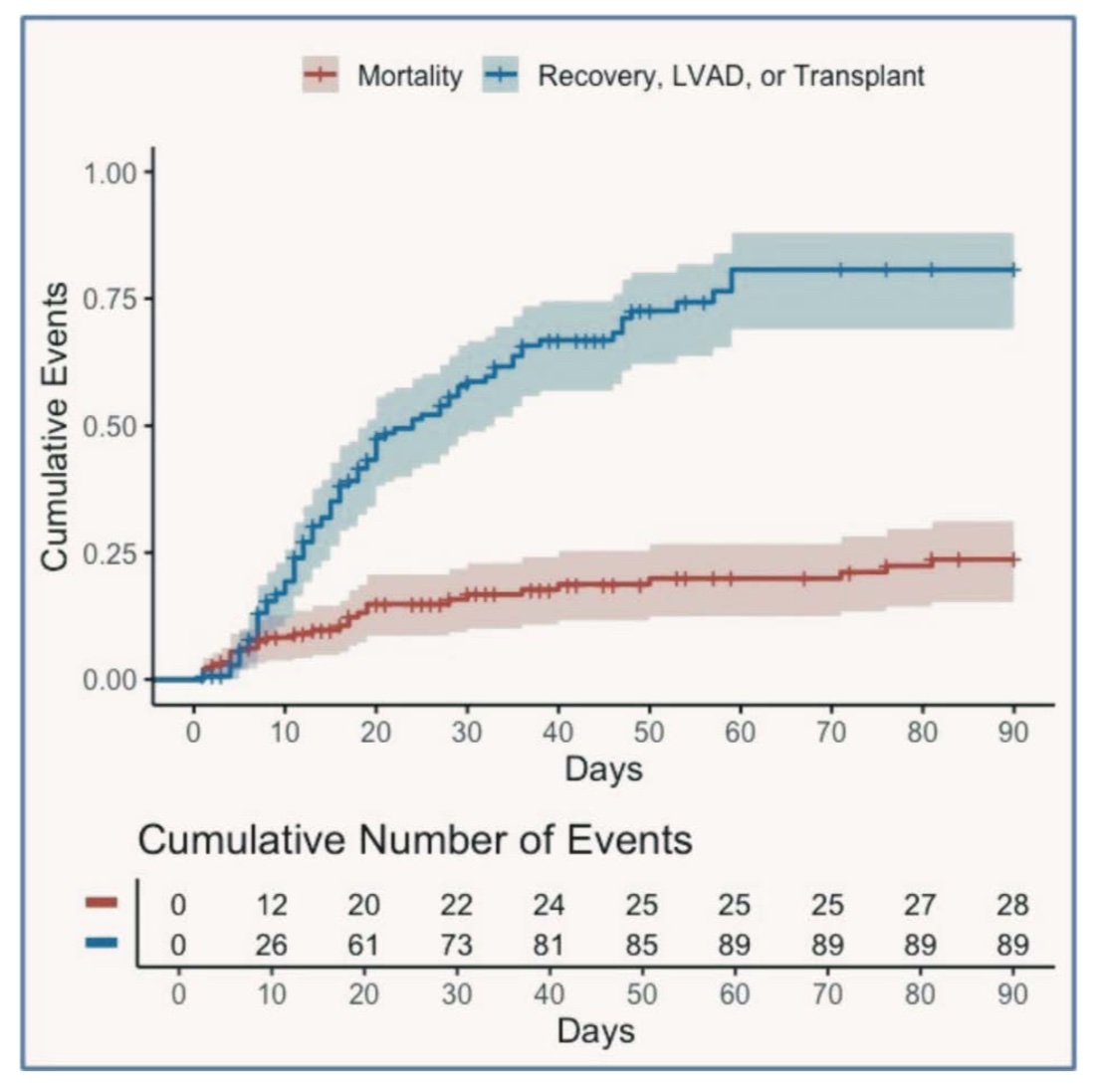
When used upfront, use of Impella 5.0/5.5 for cardiogenic shock is associated with 67% survival and high rates of bridge to heart replacement therapy with fewer complications @NavinKapur4@Burkhoffmd@Justin_FriedMD @MaryjaneFarrMD @manreetkanwar
🔗: https://t.co/4fYg8MPbir
JUST IN: 1st advisory for newly designed Potential Tropical Cyclone Six in the Southwest Gulf of Mexico. Forecasted to become Tropical Storm #Francine and potentially a hurricane as it landfalls near the Texas/Louisiana border Wednesday afternoon. The quiet spell is over!
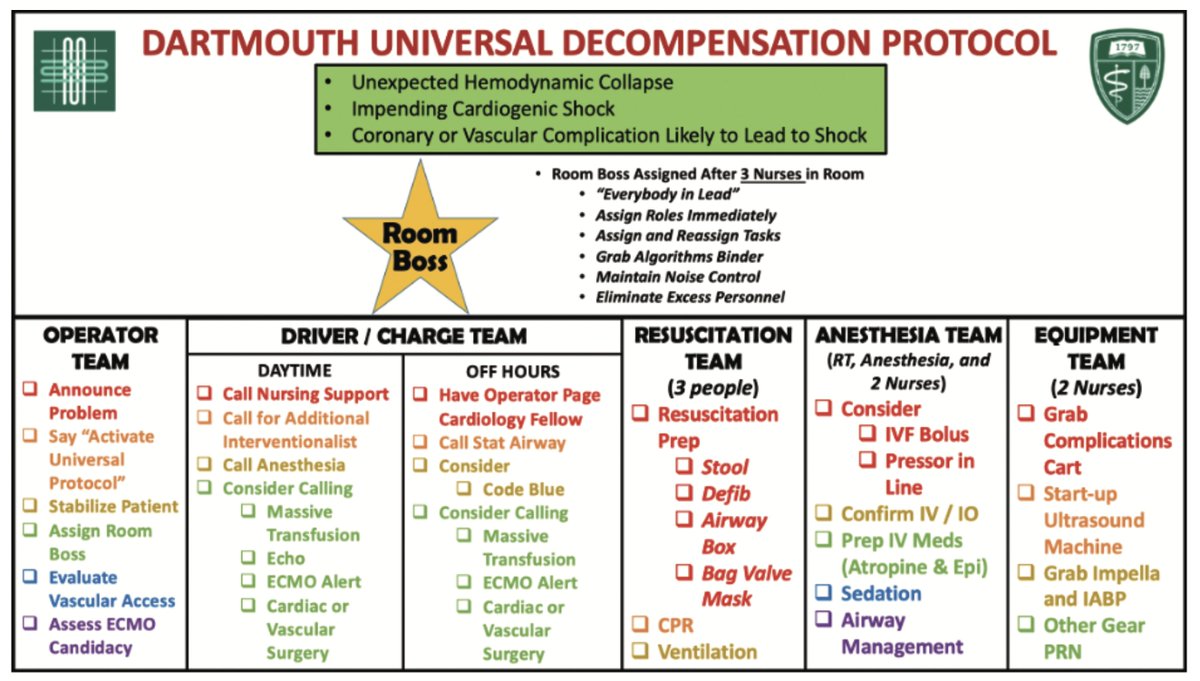
Some of the worse codes you have to respond as an intensivist are the ones in the cardiac catheterization laboratory (😬). This is the Hemodynamic collapse management algorithm from Dartmouth-Hitchcock Medical Center Heart and Vascular Institute Cardiac Catheterization Laboratory