Phentyping #obesity has always been challenging. In this very interesting paper @NatureMedicine , the @imisophia team identify clusters based on easily measured biomarkers and linked the clusters to the risk of T2 #diabetes and CVD
https://t.co/DjTVtbhMbS
Join us for our CRC seminar in Malmö with Inês Barroso on March 22, 10.00-11.00. She will discuss how GWAS data to identify loci that impact on glycemic and metabolic traits may contribute to precision medicine for #type2diabetes. Read more: https://t.co/WlKJzbMHVY
@UniofExeter
Los egresados Katheryn Mina (Medicina) y José Coral (Lic. Educación Básica) recibieron el reconocimiento José Francisco Socarrás a los Mejores Saber Pro en la #NocheDeLaExcelencia2023#OrgulloUV
Happy to announce our new work is now published. Check it out, Who benefits most from outpatient lifestyle intervention? An IMI-SOPHIA study on pediatric individuals living with overweight and obesity: https://t.co/jx16qHxC0T
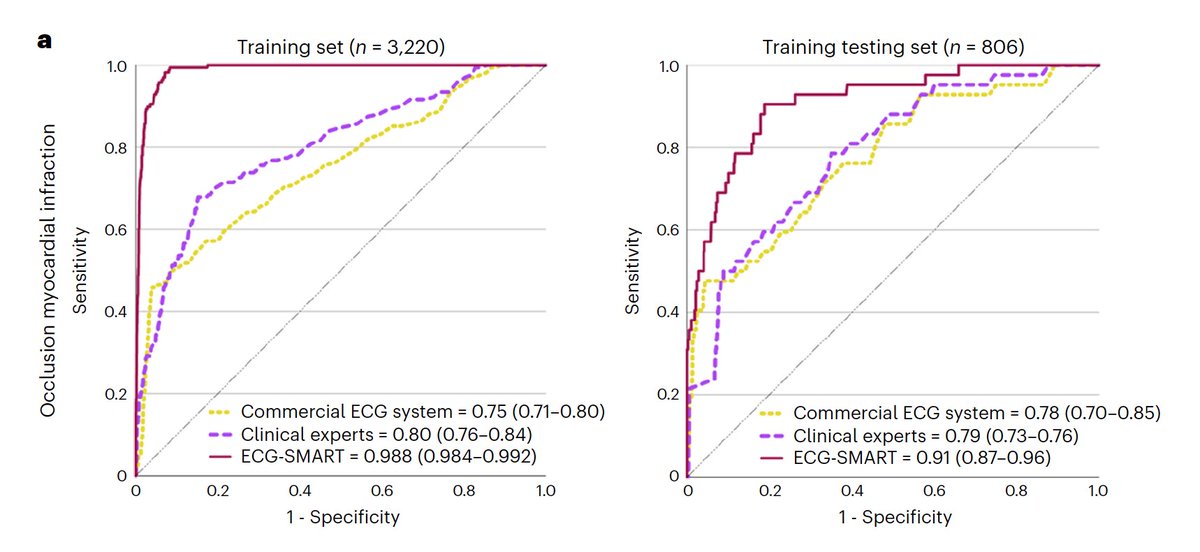
When the #AI diagnoses a heart attack better than expert clinicians
via ECG in >7,000 consecutive patients across multiple US sites
https://t.co/LTwrGPTxGn
@NatureMedicine by @al_zaiti and colleagues
Rising corporate profits were the largest contributor to Europe’s inflation over the past two years as companies increased prices by more than the spiking costs of imported energy. https://t.co/iEf6Emu0Rp
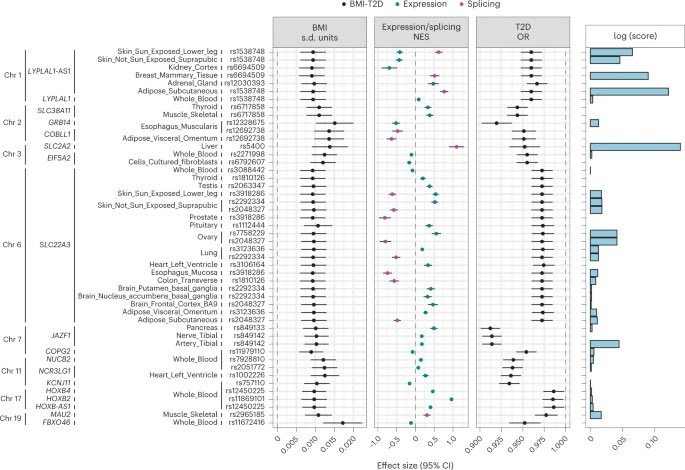
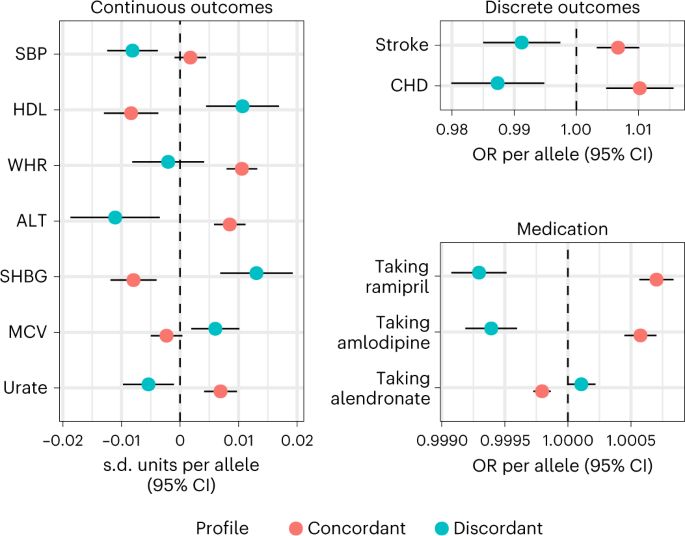
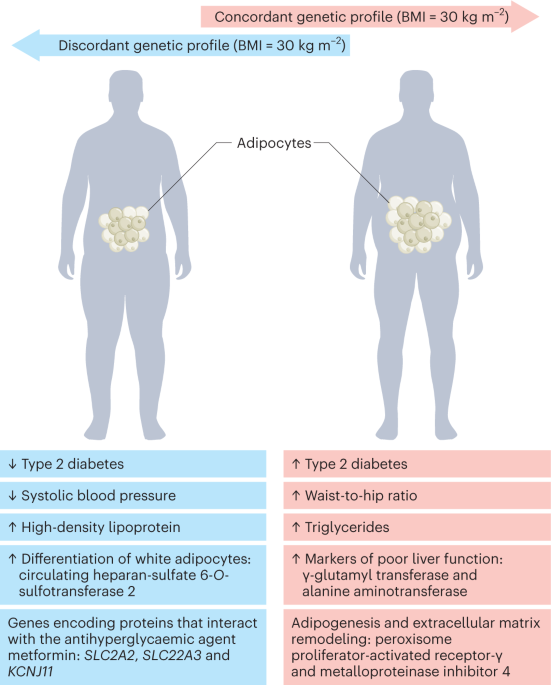
A team led by Daniel E. Coral @danielcoral04 and Paul W. Franks @paulwfranks at LUDC has used human genetics to identify high and low risk metabolic profiles for obesity, paving the way for precision obesity medicine. Link to the study in @NatMetabolism: https://t.co/EMEoCABewO
La diabetes tipo 2 y la #obesidad no siempre tienen que ir de la mano… se identifica un conjunto de “17 genes disidentes” que ayudan a clasificar a pacientes con obesidad pero sin T2DM #diabetes@SociedadSeedo@ObesitySeen@aec_obesidad
#Obesity & type 2 #diabetes are causally related. The authors of this work use a genetic-driven approach to define obesity profiles that convey highly concordant & discordant diabetogenic effects & id genes that may protect from type 2 diabetes in obesity. https://t.co/icF1Aba44G
Well done to our IMI SOPHIA colleagues for publishing this article, "A phenome-wide comparative analysis of genetic discordance between obesity and type 2 diabetes" @IHIEurope@paulwfranks@ezpearson
Some individuals with obesity have a healthy metabolic profile and are not at increased risk for diabetes or cardiovascular disease.
Here are the biological underpinnings of the metabolically healthy obese phenotype.
@NatMetabolism#MedEd#news
https://t.co/wOEbhHqzz5
<sigh>. Another moment reading a paper where an author says "with the difference in outcomes between ethnic groups this shows that there are genetic components to this process". Nope. It does *not*.