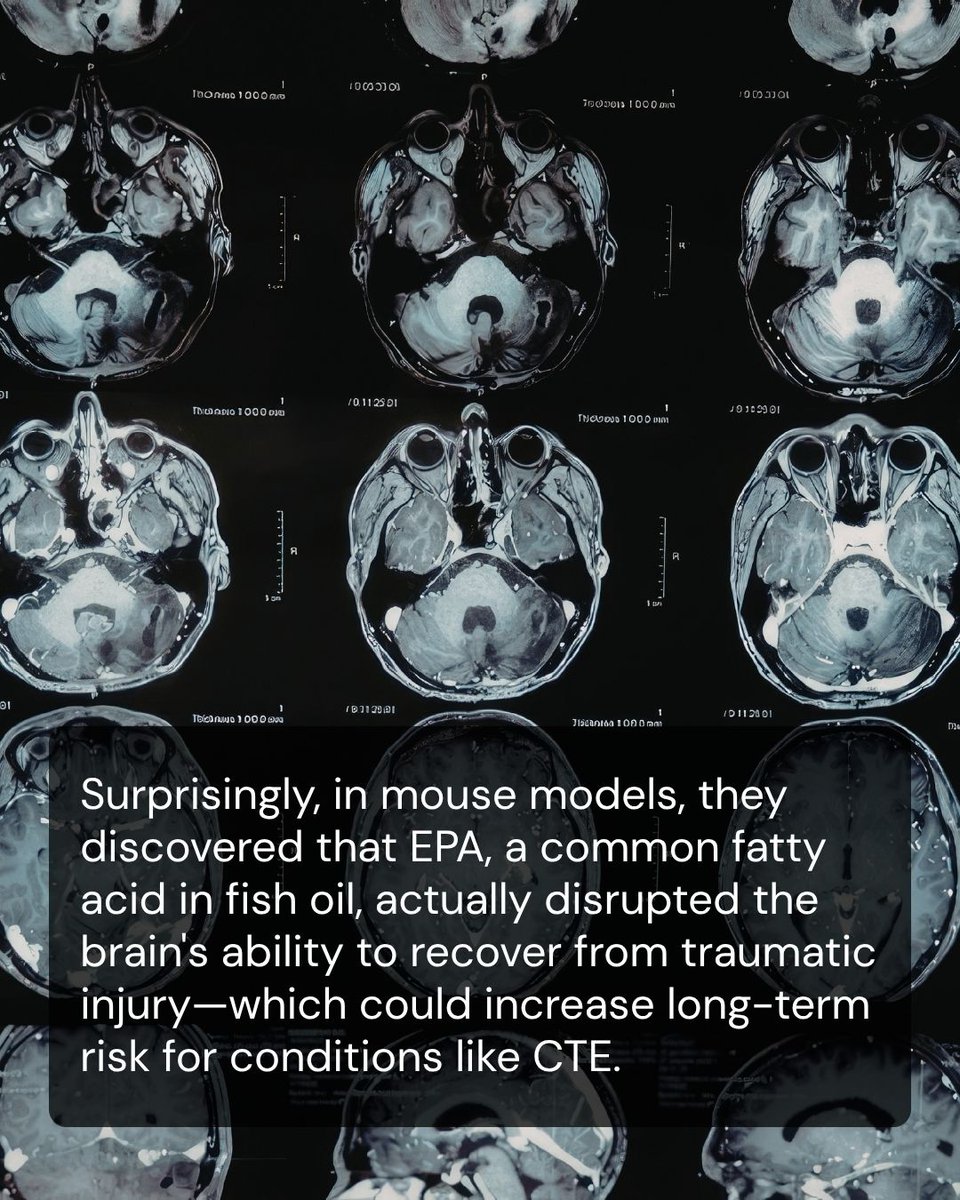
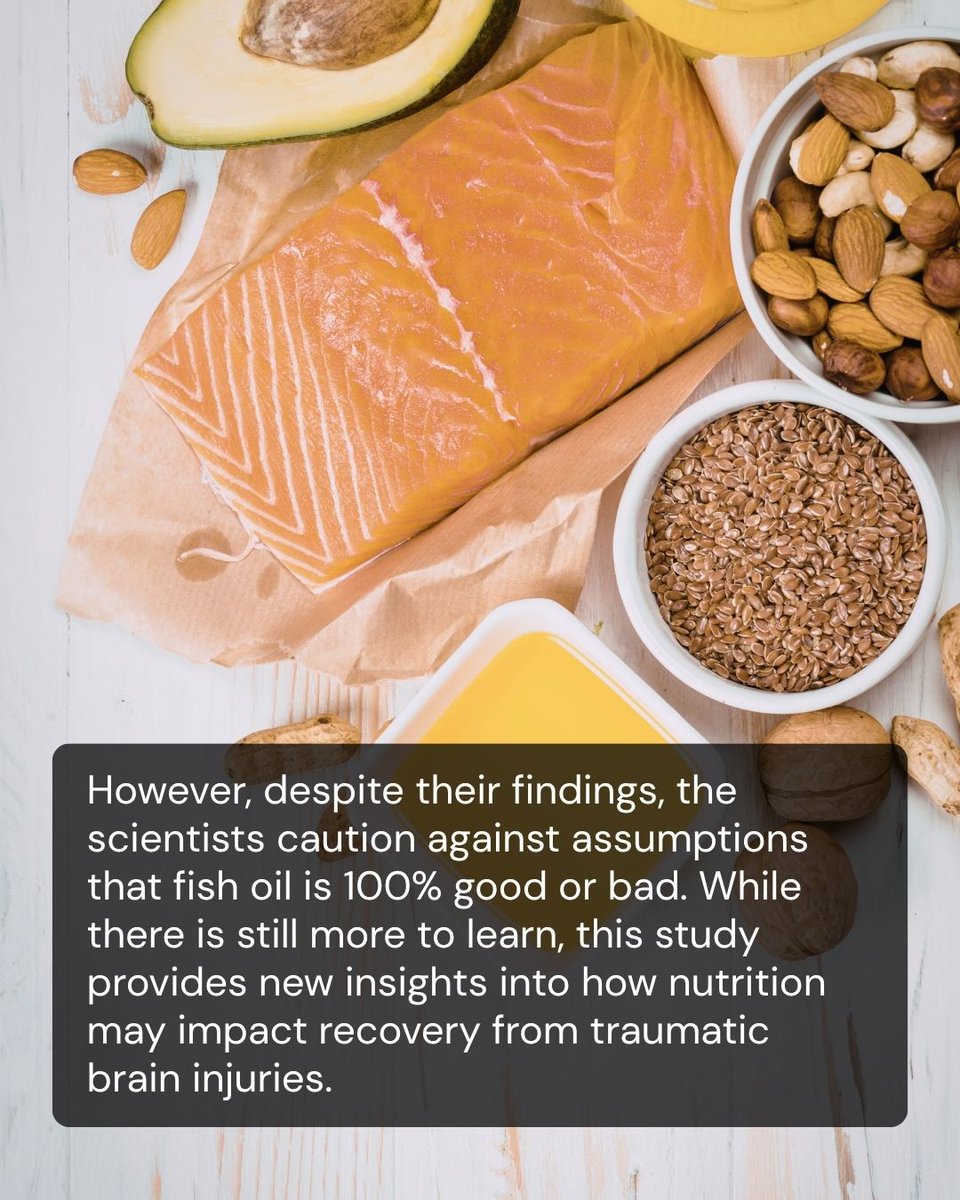
Cold Spring Harbor Laboratory Assistant Professor Semir Beyaz (@beyazlab) contributed to a study finding that a fatty acid in popular fish oil supplements may disrupt the brain’s recovery after traumatic injury, potentially increasing the risk of conditions like CTE later in life. https://t.co/l6aVoozxGX
#InspiringDiscovery #ScienceMakesLifeBetter #FishOil
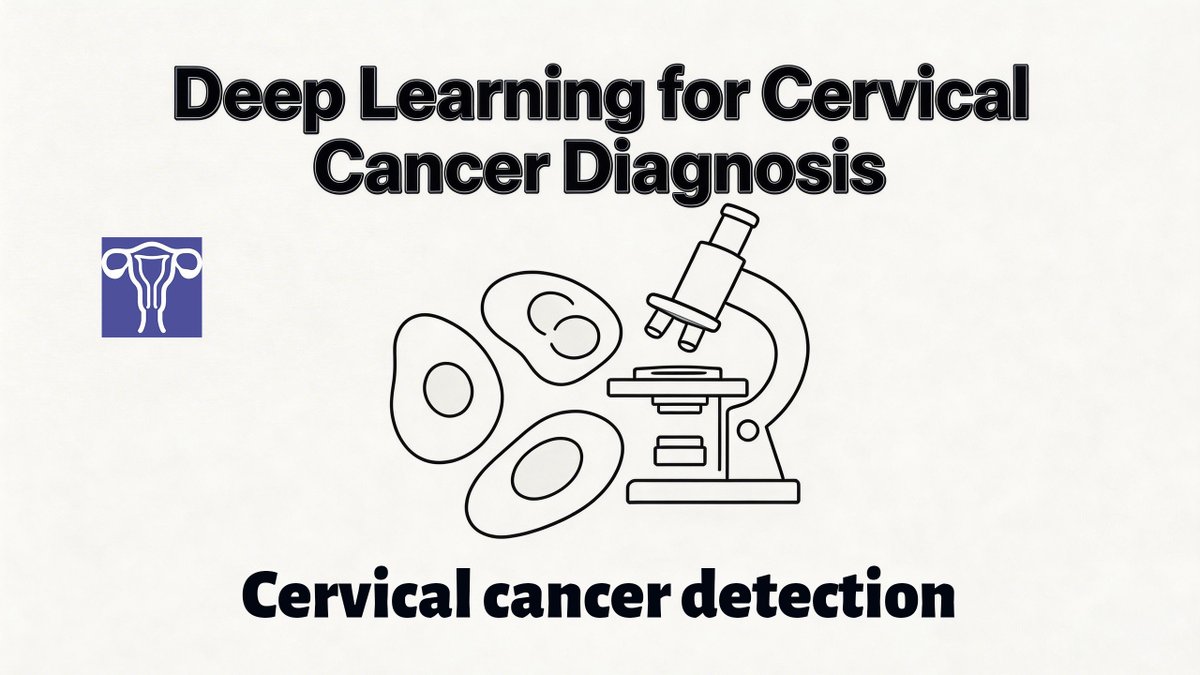
🤖 Deep learning transforms cervical cancer screening! ViT models & EfficientNetV2-Small hit 99.48% accuracy, matching experts. AI cuts errors, boosts efficiency!
#CervicalCancerScreening#DeepLearning#AIinMedicine#HealthTech
🔗Read more:https://t.co/95yLv4riO5
Now online: Ancestrally diverse autologous patient-derived organoid – immune cell co-culture platform for addressing immunotherapeutic outcome disparities in high-grade endometrial cancer https://t.co/UrFnx2euVA
The FDA cleared the Pembro + Taxol ± Bev triplet for CPS ≥1 #platinum-resistant #OvarianCancer . It’s the first real PD-1 survival win in #PROC, but the statistical "fine print" matters more than the headline.
• OS: 18.2 mo vs 14.0 mo (HR = 0.76). This is a robust survival ceiling that held in the ITT population (HR = 0.81).
• PFS: 8.3 mo vs 7.2 mo (HR = 0.72). The absolute gain is a marginal 30 days.
• Safety: 54% Serious Adverse Reactions. You are buying survival with high-octane toxicity.
‼️Statistically, that 1.1-month PFS "win" is a function of a large N, not a transformative effect. We are using a sledgehammer (triplet intensity) to move the stability needle by four weeks. If we use this, we are betting on the OS "tail," not the PFS median.
❇️ Biomarkers are now a dual-track. You need CPS and FR on the desk. If they are FR high, the ADC remains the targeted strike. But for the 72% of patients who are CPS ≥1 and FR low? We have a reason to be aggressive in 2L/3L.
#GynOn #OncTwitter @oncodaily
Cabinet’s approval for Phase-III of the Biomedical Research Career Programme will nurture scientific talent, support fellowships, collaborative grants and build world-class biomedical research capacity across India.
https://t.co/RG4hDJ4s11
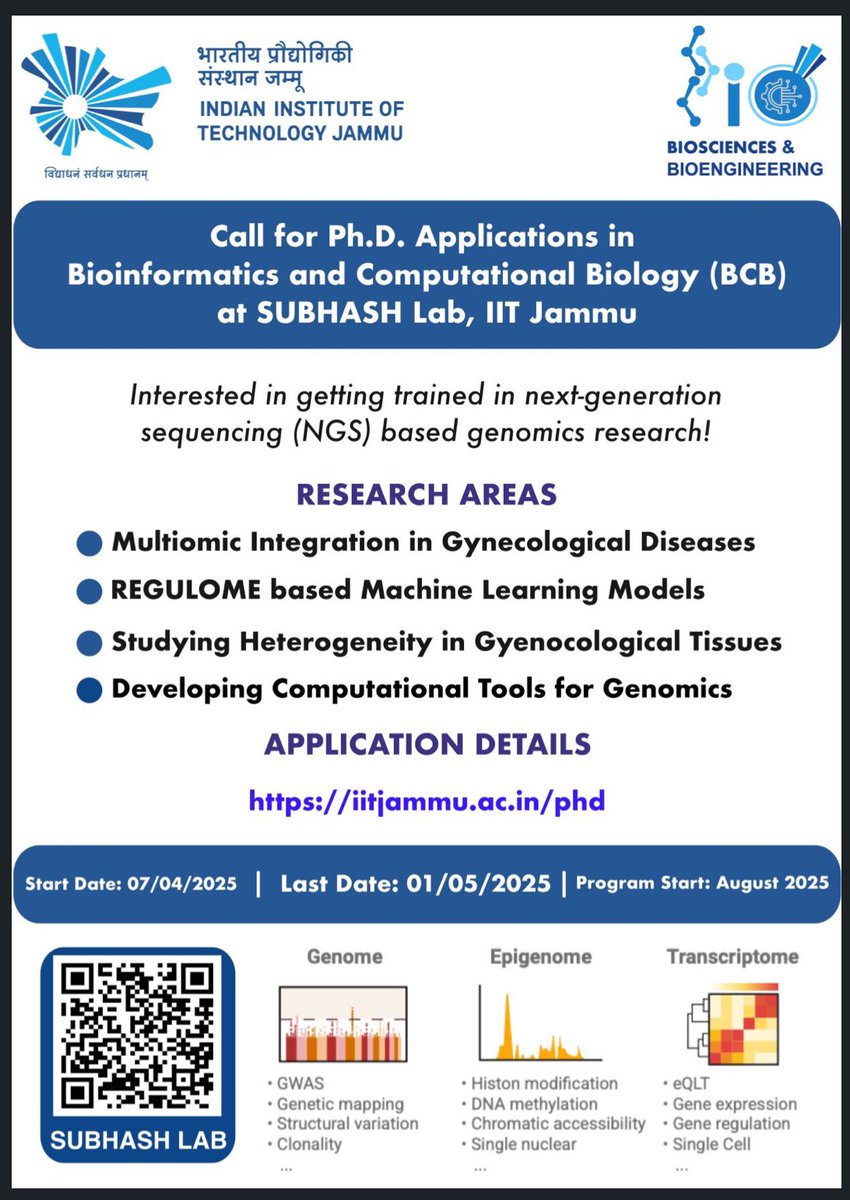
Application for Ph.D. in Bioinformatics and Computational Biology (BCB) is open now. Our lab is looking for candidates who are interested #NGS & #genomics data analysis. Apply through IIT Jammu Ph.D. programme https://t.co/ytYvY7EWVb @IITJMU_BSBE@IITJammu#phdposition
RISE-UP 2025 internship provides an opportunity to closely work with the faculty members of IIT Jammu, to conduct project work. The students will receive a monthly stipend during the course of internship. More Information: https://t.co/wMCuFiGyxU
#RISEUP#IITJammu#internship
We are thrilled to share the latest cutting-edge research published in Cancer Gene Therapy, @NaturePortfolio from our faculty, 𝐃𝐫. Santhilal Subhash, Ph.D. @decodebiology, in collaboration with @SahlgrenskaAcad. https://t.co/swXpvJD7Su
Applications are invited from the Indian candidates for the post of 𝐉𝐑𝐅 to work on the R&D project titled "𝐍𝐨𝐧-𝐞𝐪𝐮𝐢𝐥𝐢𝐛𝐫𝐢𝐮𝐦 𝐤𝐢𝐧𝐞𝐭𝐢𝐜𝐬 𝐨𝐟 𝐜𝐡𝐚𝐩𝐞𝐫𝐨𝐧𝐞 𝐦𝐨𝐥𝐞𝐜𝐮𝐥𝐞𝐬 𝐢𝐧 𝐩𝐫𝐨𝐭𝐞𝐢𝐧 𝐟𝐨𝐥𝐝𝐢𝐧𝐠" sanctioned by the 𝐒𝐄𝐑𝐁, Govt. of India.
We are excited to announce the new Splicing Impact super track for hg38 and hg19. This super track includes AbSplice Scores, SpliceAI, and, for hg38, the new SpliceVarDB track. Learn more at https://t.co/9YF5Xb2ecH.
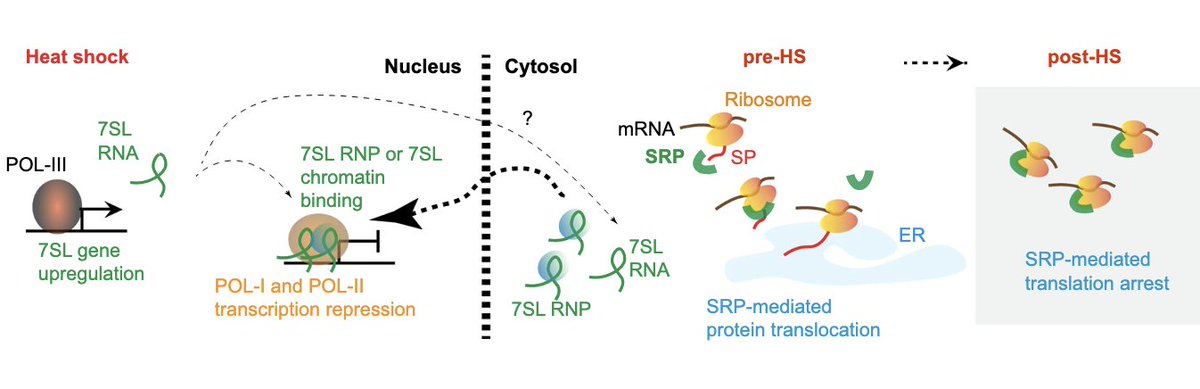
A surprising discovery by @bujisic_bojan et al: The RNA component (7SL) of SRP regulates a global response to stress — controlling both transcription and translation. 7SL RNA is not just for ER translocation! Read about the findings here:
https://t.co/M2d7UhkwDi
Visualizing gene structures in R? gggenes, an extension of ggplot2, simplifies the process of creating clear and informative gene diagrams, making genomic data easier to interpret and share.
✔️ Plot gene arrows to represent gene locations and orientations.
✔️ Visualize genomic features, including transcripts and operons.
✔️ Customize labels, colors, and layouts for clear presentations.
Whether you're working on genome annotation, comparative genomics, or molecular biology research, gggenes provides a flexible and user-friendly way to display complex gene structures with clarity.
The visualization shown here is taken from the package website: https://t.co/nutneLhvby
For a deeper dive into creating impactful visualizations with ggplot2 and its extensions, don’t miss my online course "Data Visualization in R Using ggplot2 & Friends!" Click this link for detailed information: https://t.co/ztlEzoEDWv
#RStats #Rpackage #DataAnalytics #ggplot2 #datastructure #DataViz
We are proud to announce our latest Public Hub, FUNCODE. FUNCODE (Functional Conservation of DNA Elements) is a computational framework that quantifies functional conservation between human/mouse regulatory elements using ENCODE functional genomics data.
If we look at thousands of proteins (i.e., signals) in the human blood, the protein most associated with chronic physical and mental illnesses is the **same protein** as the top marker for mitochondrial diseases: GDF15
When mitochondria cannot flux energy properly, the cell makes and secretes GDF15 in the blood to alert other cells
Some highlight by Cynthia Liu in our group:
- GDF15 is the top predictor for most diseases
- GDF15 associated with diabetes is among the most significant protein-prevalent disease associations
Based on p-value, GDF15 was most significantly associated with disease.
- “GDF15 was associated with the most diseases, containing 205 prevalent and 397 incident diseases, generally acting as a risk factor except for three incident diseases (respiratory diseases affecting the interstitium, disorders of magnesium metabolism, and peripheral artery disease).”
- “GDF15, similar to its high ranking with protein-disease pleiotropy, ranked second for protein-trait associations, boasting a substantial 428 associations.”Significant associations with many lipid metabolite markers.
- Mental disorders like anxiety disorders, depression, and mood disorders, along with mental health-related traits, also exhibited substantial proteomic signatures including elevated GDF15
- “The fluid intelligence score and various types of dementia shared significant proteins such as NEFL and GDF15 (Figure 2G)”
- “GDF15, the protein with pleiotropic effects, was causally associated with several autoimmune diseases, including ulcerative colitis and rheumatoid arthritis (Figure 6B).”
Data from >53,000 people in the UK Biobank
Full paper here:
https://t.co/F3dn16E0t2
Resource to explore your favorite protein or disease/trait of interest: https://t.co/BjpilkdtHW