After 2+ years of Humboldt work @TDWG extension, data standards in shape to link systematically collected surveys & monitoring with the rest of biodiversity data ocean - as started by @hmlfpereira & co, outlined by @robgural et al. https://t.co/Gc7PuigMeQ. Send you ESA people to:
I am very pleased to share our new paper led by @deomurari and in collaboration with @WWFINDIA's Dipankar Ghose and @AmityUni's Randeep Singh. Potential Range Map Dataset of Indian Birds https://t.co/g2SNxrczTL #mdpidata via @Data_MDPI
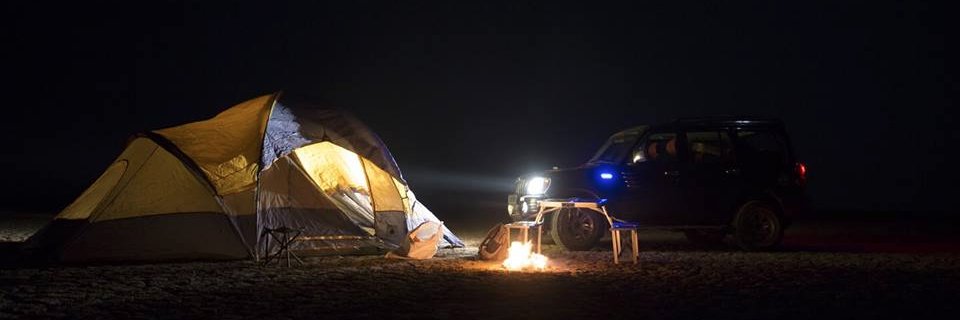
#profilealert Nestled in Satpura-Maikal range in Madhya Pradesh, the Kanha Pench corridor is used by several #wildlife species including tiger, sloth bear, & barking deer. Check out our detailed profile to know more about this corridor https://t.co/ZDyLhQdQtp
@TrKanha@PenchMP
The Kanha-Pench corridor is among the most critical links for maintaining #Connectivity in central India, which, if broken, can impact connectivity across the whole landscape!
Read detailed profile here: https://t.co/ZDyLhQdQtp
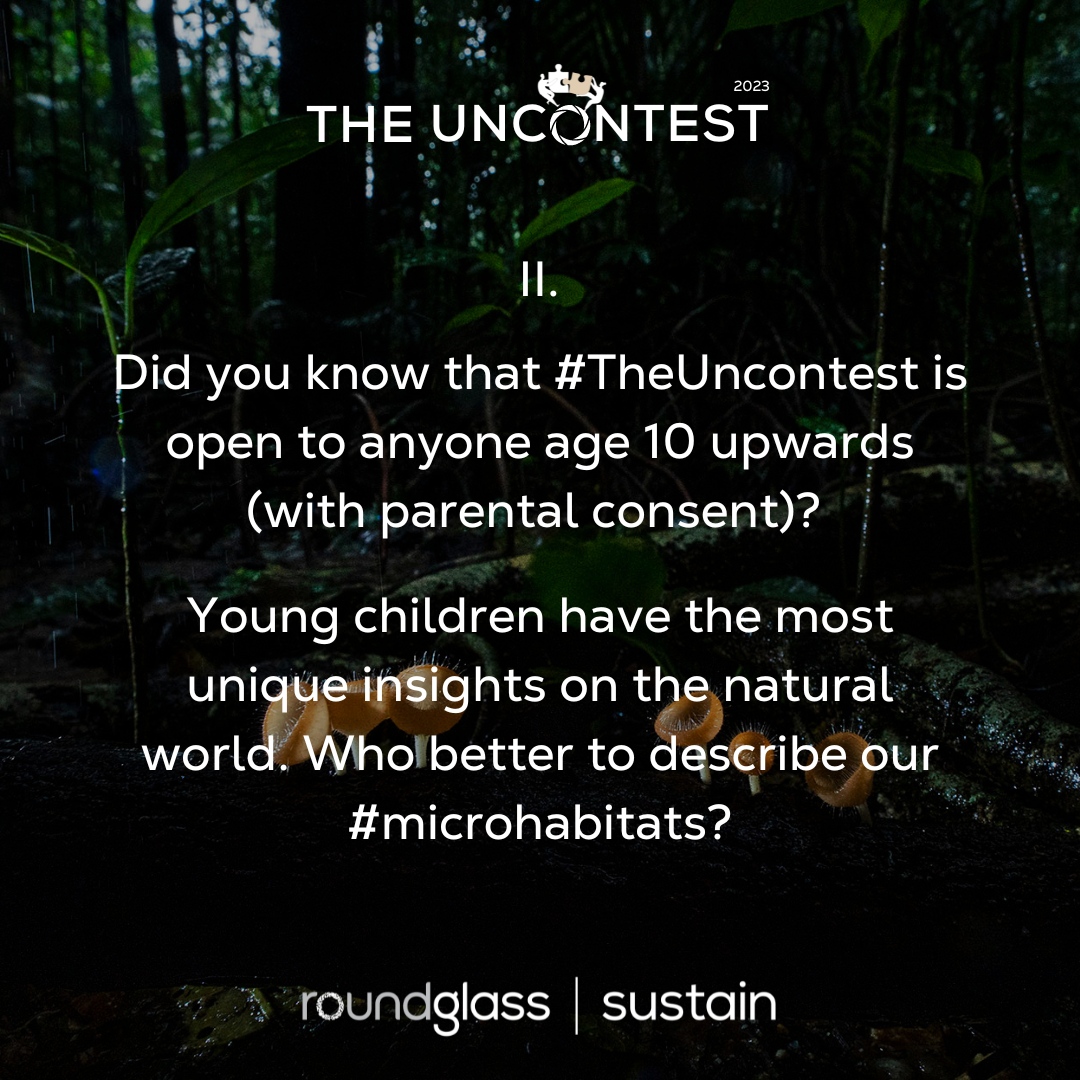
ANNOUNCEMENT #TheUncontest 2023
Here are some updates and answers to a few frequently asked questions!
Have you sent in your #microhabitat entries yet?
PARTICIPATE NOW: https://t.co/q6LQttMmHF
Tag someone who might find this interesting!
Photo by @dhritimanimages
State of India's Birds is a report summarising the conservation status of nearly 1,000 species based on best available evidence.
The 1st report was in 2020; the 2nd is due out later this year. Follow us for news & updates on how India's birds are faring.
https://t.co/SbyVM4AhxF
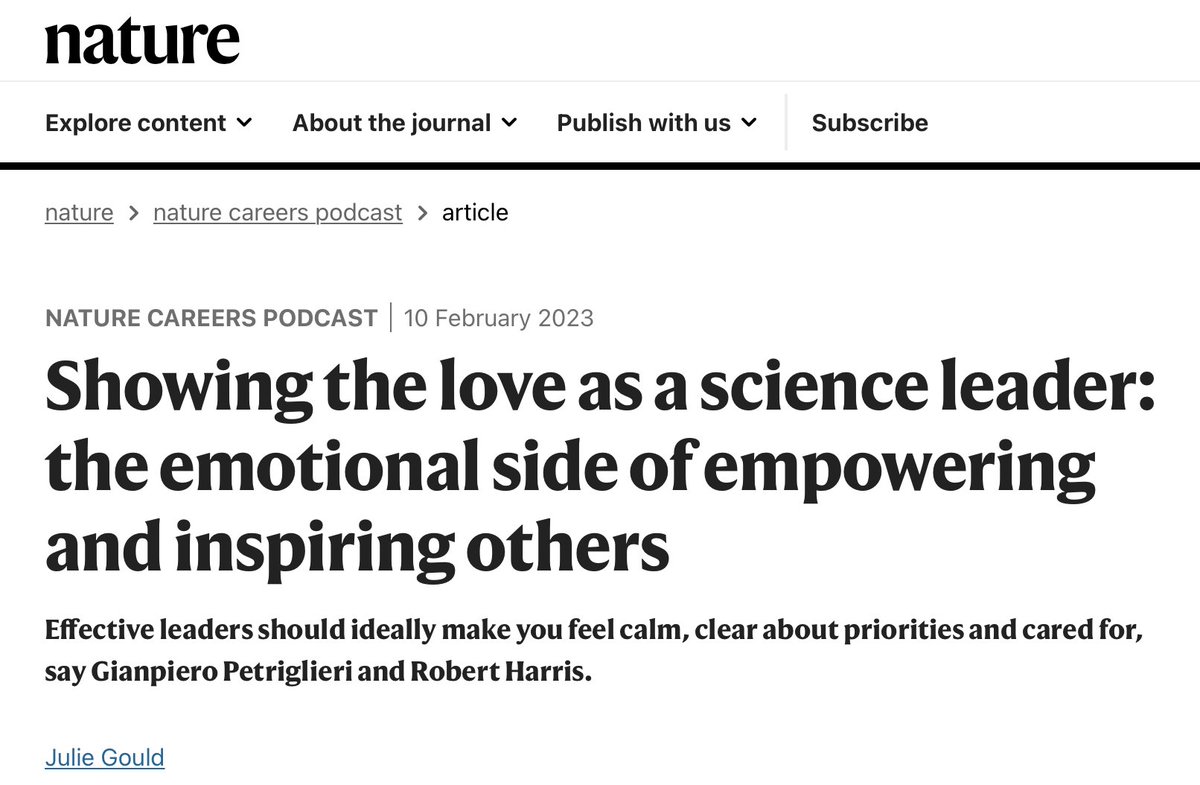
As a professor, pursue the careers of your PhD students and postdocs instead of pursuing your own.
I know it may sound strange and even provocative. But in fact it is how it’s supposed to be.
Unfortunately, a personal gain is the biggest motivation for many professors. More publications, more awards, more invited talks…
Why? In addition to personal recognition, it can result in more funding and higher salaries (especially in the U.S.).
Many PIs say that their personal growth also helps their students get a better visibility. Plus, more funding brings in more students, which is (kind of) “great” for those students.
Others will say that their “tenure requirements are too demanding” and if they stop focusing on personal gain, they will be denied tenure.
In either case, I want you to think about the following:
1. When we focus on personal achievements, we lose track of the wellbeing and personal preferences of team members. Although it often feels like we still track it, in fact we become far less efficient at it. Students' progress and personal development are impeded. Their career opportunities become less diverse or even missed.
2. Concentrating too much funding in one big lab is NOT a good idea because it leads to PhD students receiving far less mentorship and research advising (than in smaller labs).
3. Tenure requirements often look intimidating to young professors. However, in reality, very few professors are denied tenure. Why? First, because any university invest big resources into TT professors and don’t want get rid of them without a big reason. Second, because departments often exaggerate the tenure challenges to ensure their young hires are “hard-working faculties”.
Many PIs think I am too idealistic and propose unrealistic ideas. And a lot of people will never agree with this post. Even myself, I can easily come up with bitter criticism over it.
However, idealism is among the biggest driving forces. It can drive you through challenging times and help improve.
In either case, I want you to think about the following:
1. When we focus on personal achievements, we lose track of the wellbeing and personal preferences of team members. Although it often feels like we still track it, in fact we become far less efficient at it. Students' progress and personal development are impeded. Their career opportunities become less diverse or even missed.
2. Concentrating too much funding in one big lab is NOT a good idea because it leads to PhD students receiving far less mentorship and research advising (than in smaller labs).
3. Tenure requirements often look intimidating to young professors. However, in reality, very few professors are denied tenure. Why? First, because any university invest big resources into TT professors and don’t want get rid of them without a big reason. Second, because departments often exaggerate the tenure challenges to ensure their young hires are “hard-working faculties”.
My message is:
If we all pursue the careers of your students/postdocs in the first place, this shift in priorities will make academia a much better world to live in.
I see an increasing number of faculties trying to genuinely care for their team members, in all countries and academic environments. It is all possible. Just do it. Make science better.
Oh, and don’t forget:
Growth of your team members = Growth of yourself.
#AcademicTwitter #research #phdlife
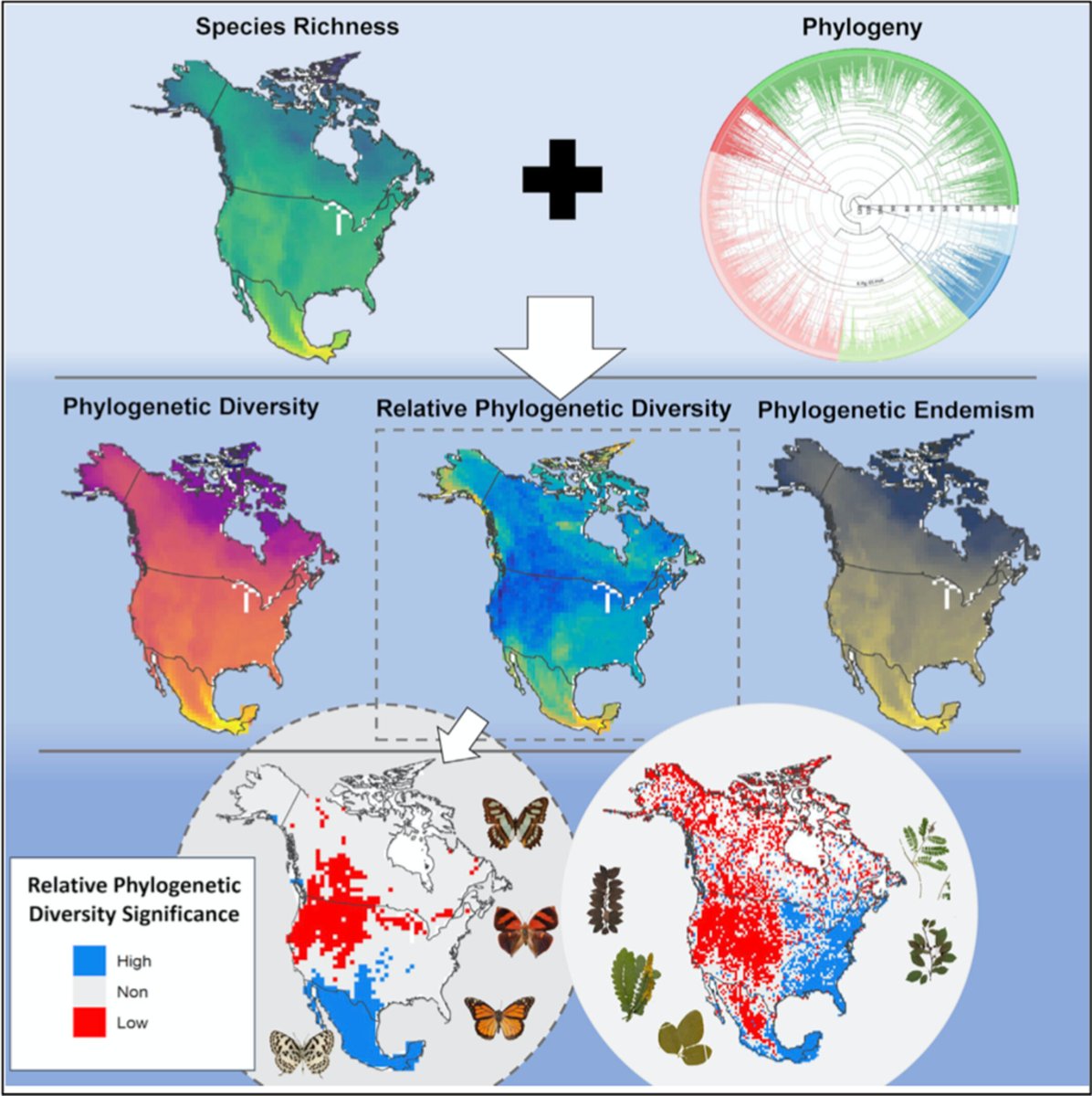
🚨PERSPECTIVE PAPER!🚨 Phylogenetic diversity is getting a boost from 'spatial phylogenetics', a new 'big data' approach that turns phylogenies into GIS layers for conservation prioritization. Challenges remain, but the promise is immense!
https://t.co/Ntn0zEDXEq