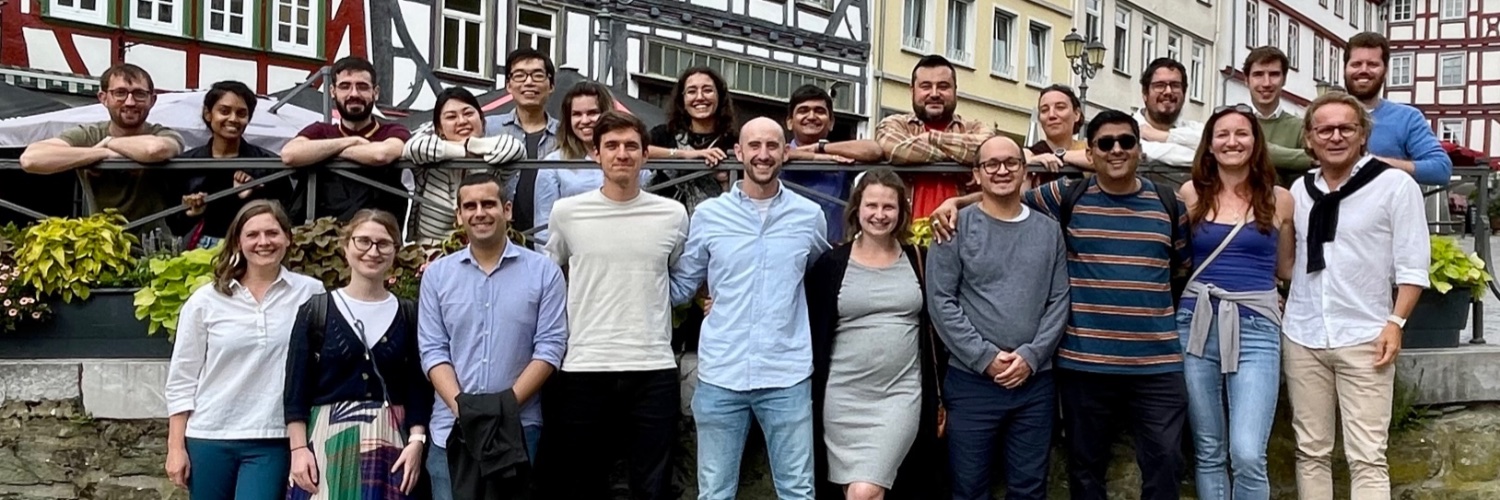
🎙️Honored to enjoy insightful presentations on “RNA-based therapeutics” & “New targets & therapeutic approaches” on day 2 of the 1st Symposium on Advances in Therapeutic Approaches.🙏Thanks to all speakers & participants for their valuable contributions. @BMBF_Bund@HMWK_Hessen
🤩It's out! Check out our latest paper describing an optimised #CRBN that we used for high-throughput drug screening and developing new chemo-proteomic assays. #HTS#TPD@proxidrugs@IBC2_GU@goetheuni
*See, share, register* for the Frankfurt Conference on Quality Control in Life Processes, 24-27th of March. The speaker's lineup looks amazing already!! 🤩
👉Registration before 1st of December: https://t.co/wK4IpvEhOZ
#FCQC2025#autophagy#proteostasis#ubiquitin
How changes in kinetics of #splicing can lead to proteotoxic cell death & what is the role of #ubiquitination and ER-phagy in this process?
Congrats to Cristian & all collaborators for this fascinating discovery 👏
More info:
https://t.co/ivwFQI2CMd
https://t.co/kjcgfmWOv5
Excited to share our latest research published in @ScienceMagazine! Cryptic splicing can lead to proteotoxic stress, but how do cells cope? Our study uncovers the role of ubiquitination and ER-phagy in mitigating the effects of misfolded proteins. https://t.co/fglqtvo9sT
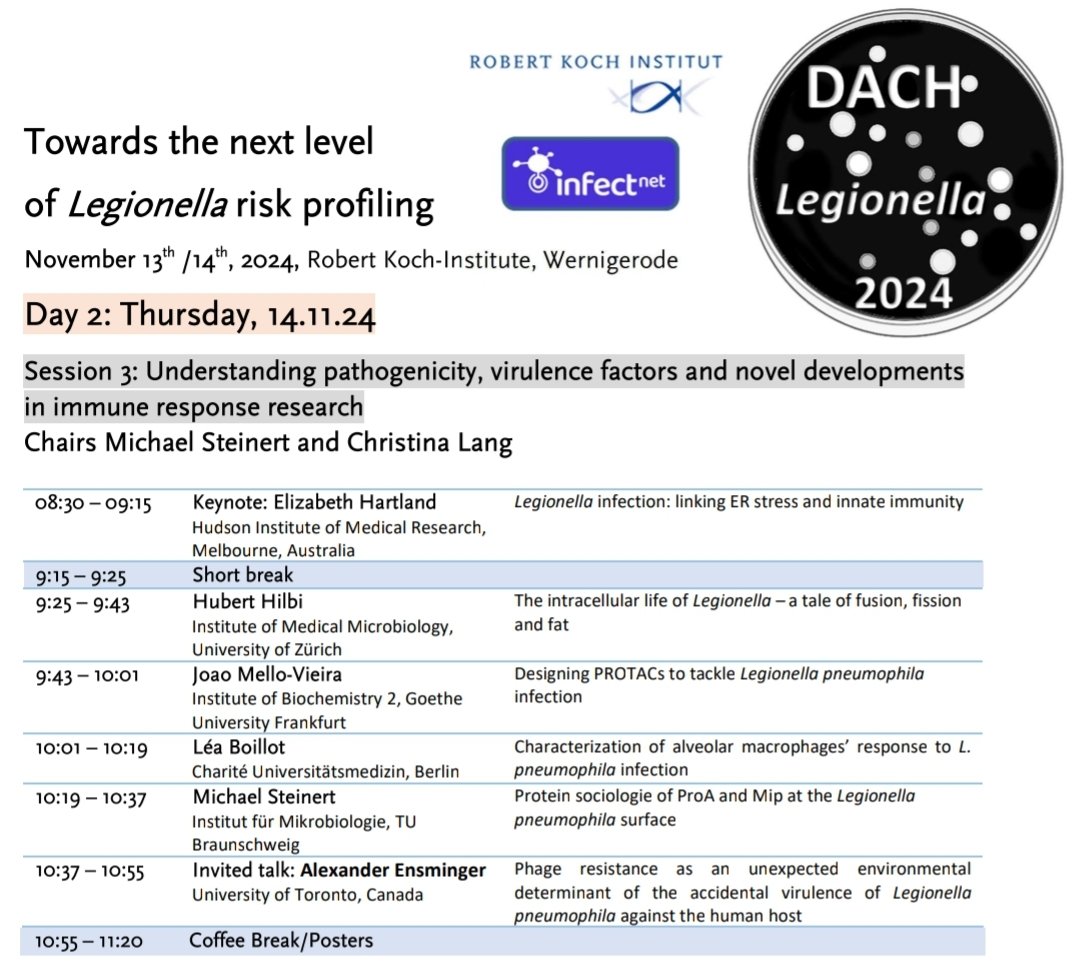
I am very happy to have had the opportunity to present our latest results on targeting #legionella with #protacs. Especially in a session with such renowned scientists. Thanks to Antje Flieger and her team at @rki_de for organising this meeting.
We can’t wait for this conference!😍4 days to talk about quality control mechanisms, the interplay between #autophagy and #ubiquitin and emerging therapeutics utilising the ub system.
Registration Deadline: 1st Dec https://t.co/wK4IpvEhOZ
#FCQC2025@goetheuni
Really happy to contribute with mouse liver cancer models and human cancer data analyses to this amazing Cell paper from @iDikic2 and Herhaus lab. Huge congrats to Lina, Uxia, Ivan and other authors from @jwadeharperlab , @ManciasLab, @DikicLab, etc.👏🏻
https://t.co/9snOiFClqf
We identified IRGQ as a key regulator of MHC-I quality control. Its absence enhances CD8+ T cell responses. Reduced IRGQ levels in hepatocellular carcinoma patients and mouse models lead to improved survival by promoting anti-tumour immunity. #CancerResearch#Immunotherapy