When your work is rejected by a journal, don’t immediately assume the problem lies with you. Editors and reviewers can be wrong too❕️
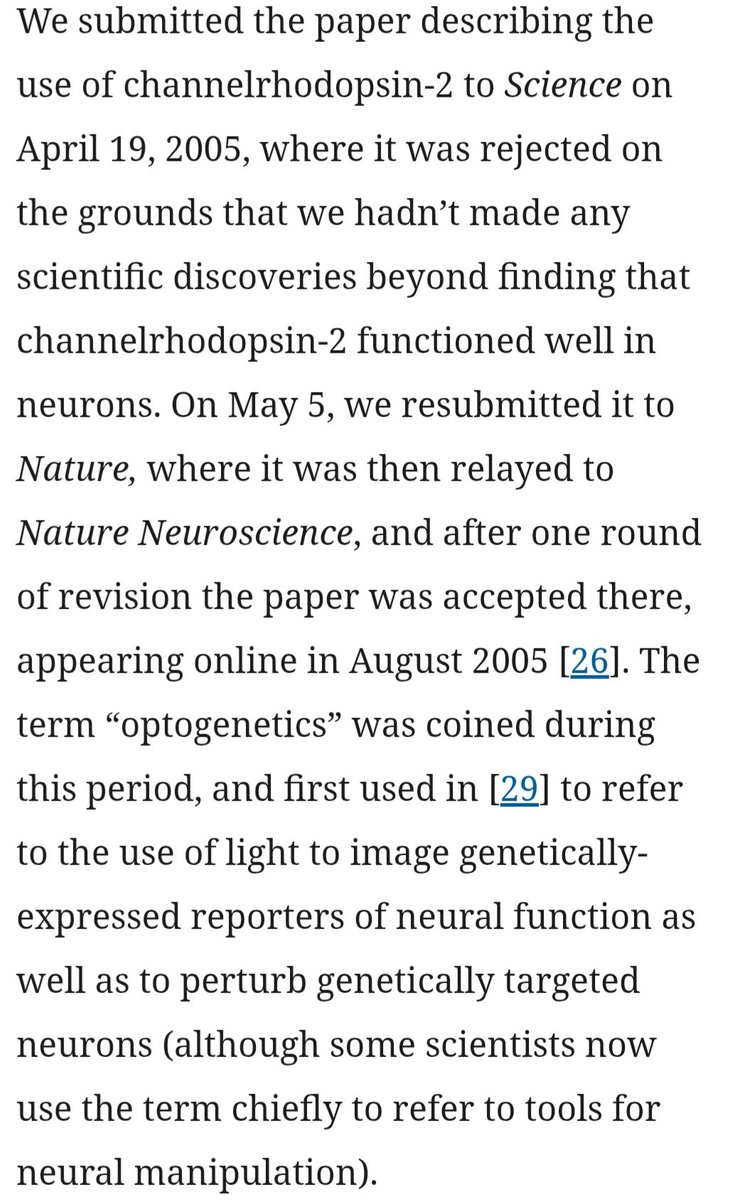
The publication journey of one of the studies that laid the groundwork for the 2026 Nobel Prize in Physiology or Medicine: In 2005, Science rejected the manuscript on the grounds that demonstrating channelrhodopsin-2 function in neurons did not constitute a sufficiently novel scientific discovery. The manuscript was then submitted to Nature, which redirected it to Nature Neuroscience. After one round of revision, it was accepted and published in August 2005.
https://t.co/4bQR4meVYI
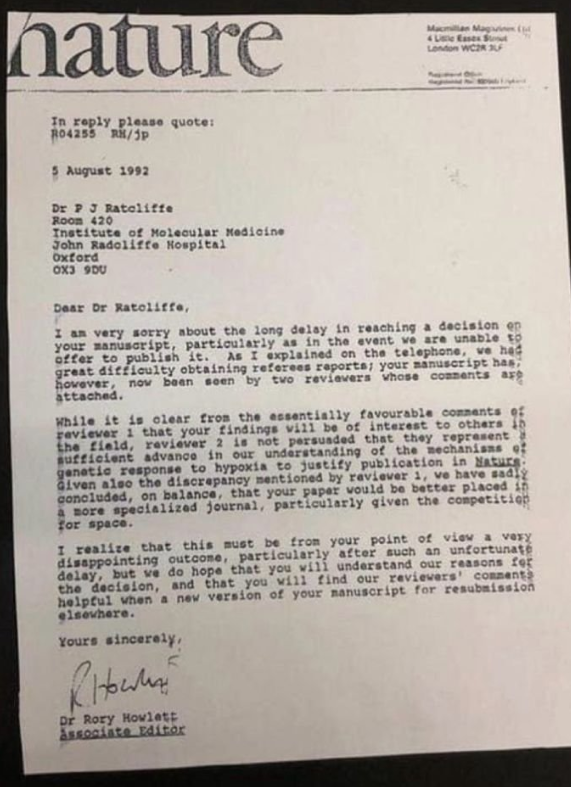
In 1992 Peter Ratcliffe received this rejection from Nature.
Almost 30 years later he won the Nobel Prize for the same discovery.
Don't lose faith in the things you believe in.
One of the most unique and humble persons in our field and a true role model👏👏👏👏
A person that I am looking up to and inspired by his journey
We are very proud of you “ağabey” 💯💯
DESTINY-Lung04: Phase III, N = 454
First-line advanced HER2 exon 19/20–mutant nonsquamous NSCLC
T-DXd vs pembrolizumab + platinum + pemetrexed
PFS: 14.3 vs 8.3 months → HR 0.63 ✅
ORR: 70.0% vs 44.5% ✅
DOR: 13.4 vs 9.7 months
But OS benefit NOT demonstrated yet
OS: 29.3 vs 33.1 months → HR 1.15 (95% CI 0.88–1.52)
OS interpretation complicated by imbalance in subsequent HER2-directed therapy
Important price: ILD/pneumonitis 20.8%
Grade ≥3: 4.4%
Grade 5: 1.8% — 4 deaths
👉 Take-home: T-DXd clearly improves response and PFS, but whether it should automatically move to first line remains a benefit–risk and sequencing question.
#MVOnco #DESTINYLung04 #TDXd #HER2 #NSCLC #LungCancer #WCLC2026 #ThoracicOncology
#WCLC26 | ADAURA 8-year OS update
📚 JTO full text: https://t.co/NPr2K3lxYi
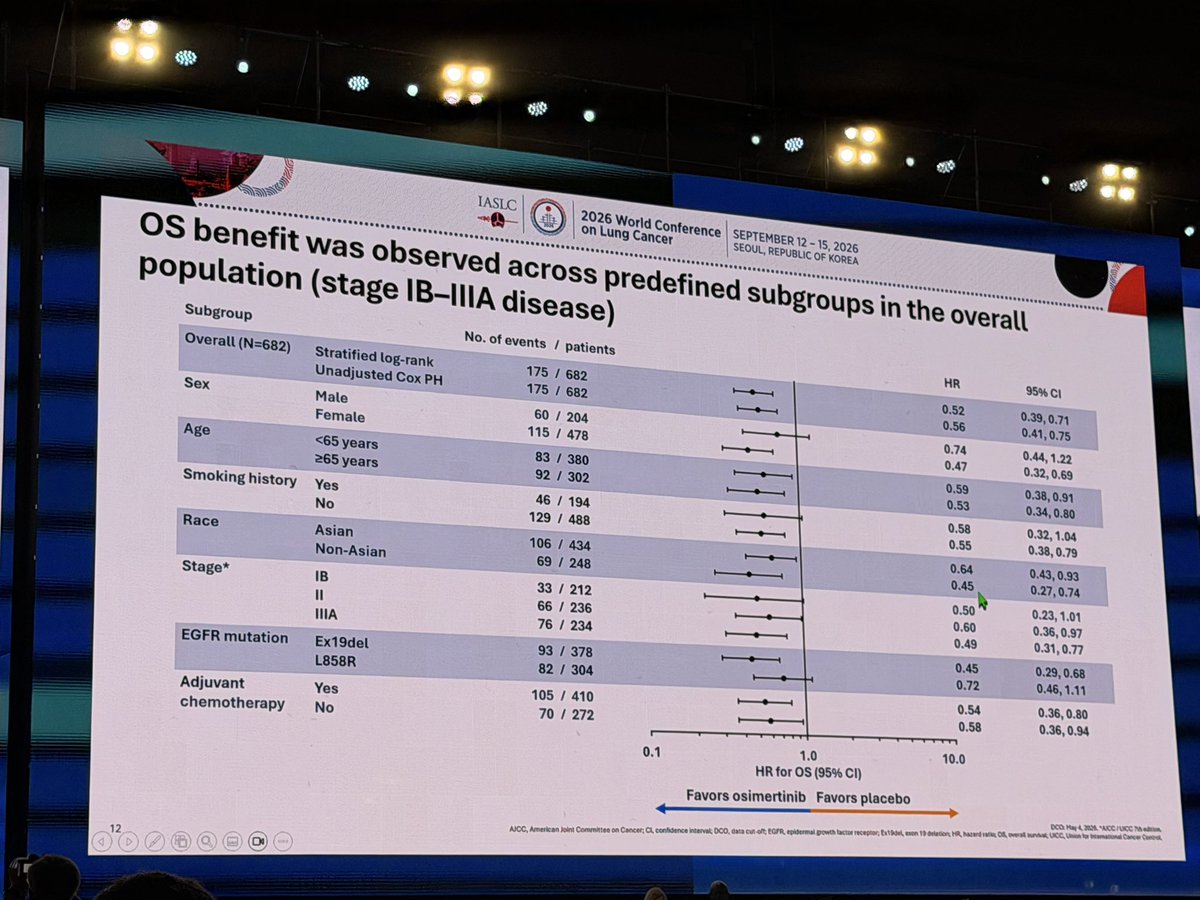
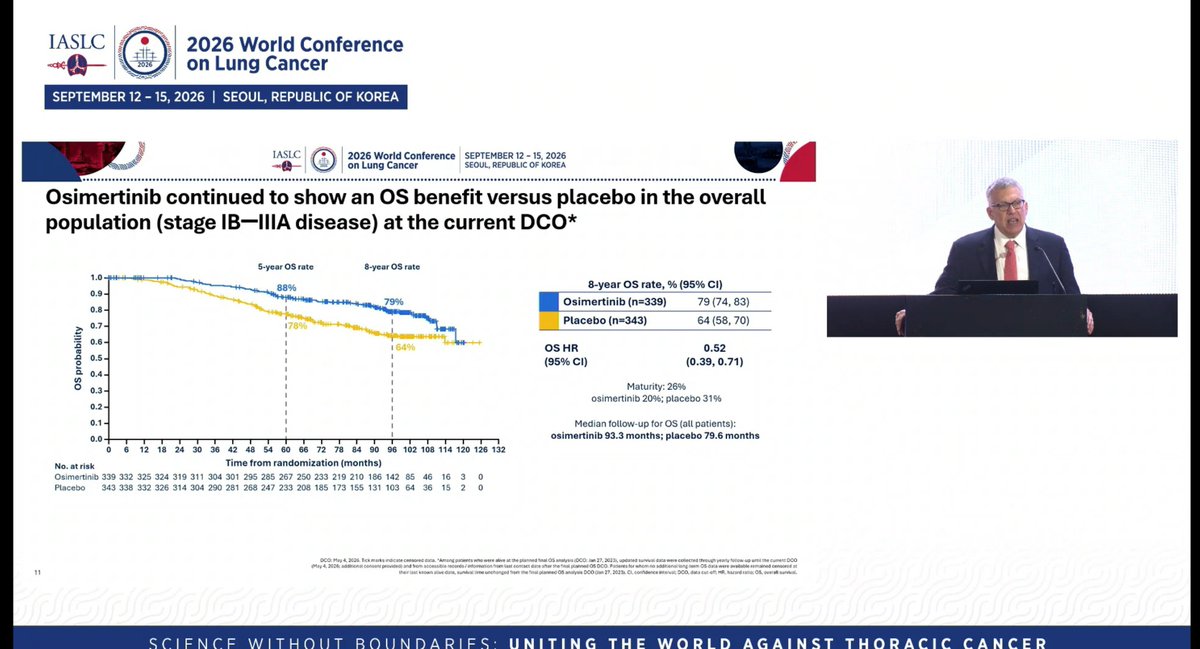
🧬 Exploratory long-term follow-up of adjuvant osimertinib ×3 years after complete resection of EGFR-mutated stage IB–IIIA NSCLC (n=682)
🏆 Stage IB–IIIA:
• 8-y OS: 79% vs 64%
• HR 0.52 (95% CI 0.39–0.71)
→ 15% absolute OS gain
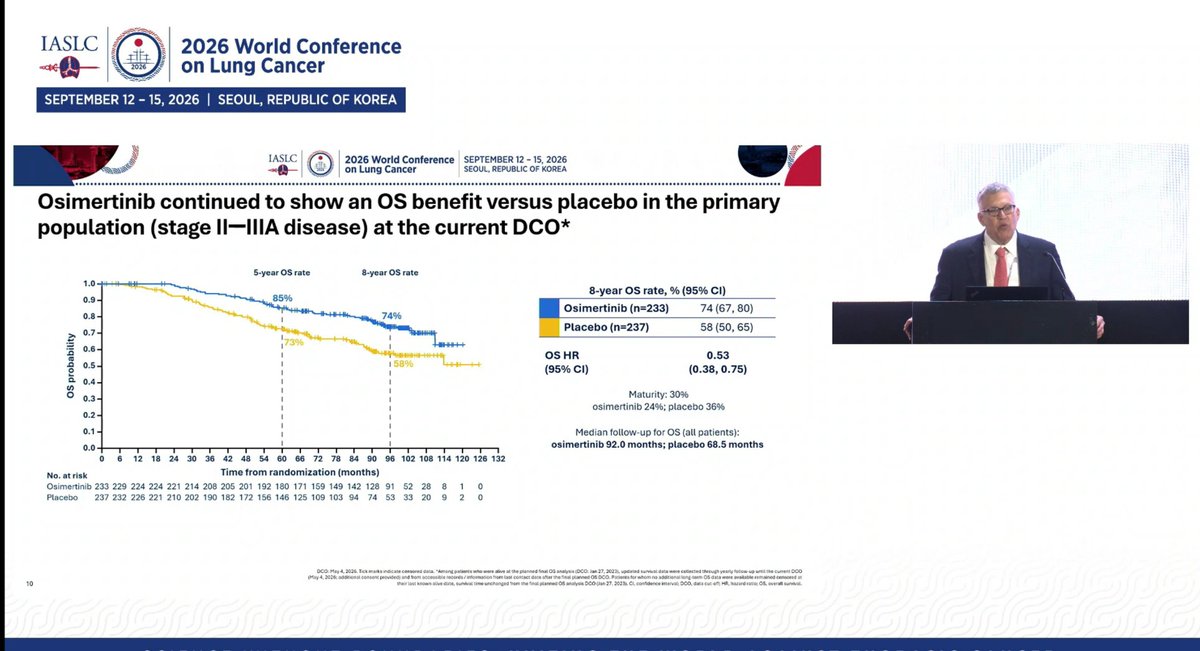
📊 Stage II–IIIA:
• 8-y OS: 74% vs 58%
• HR 0.53 (95% CI 0.38–0.75)
→ 16% absolute gain
🔎 Benefit remained consistent by stage:
• IB: 91% vs 77% | HR 0.50
• II: 78% vs 63% | HR 0.60
• IIIA: 70% vs 52% | HR 0.49
⏳ Longest OS follow-up reported from a global adjuvant Ph3 trial in EGFR-mutated early-stage NSCLC
DUMAS: Preoperative nivolumab + chemotherapy in Pancoast tumor, a rare entity with many surgical challenges, lead to impresive 58%pCR, and PFS at 24 months 75%. Eager to see more mature survival results but these results already have clinical implications @gecp_org#WCLC26#LCSM@IASLC
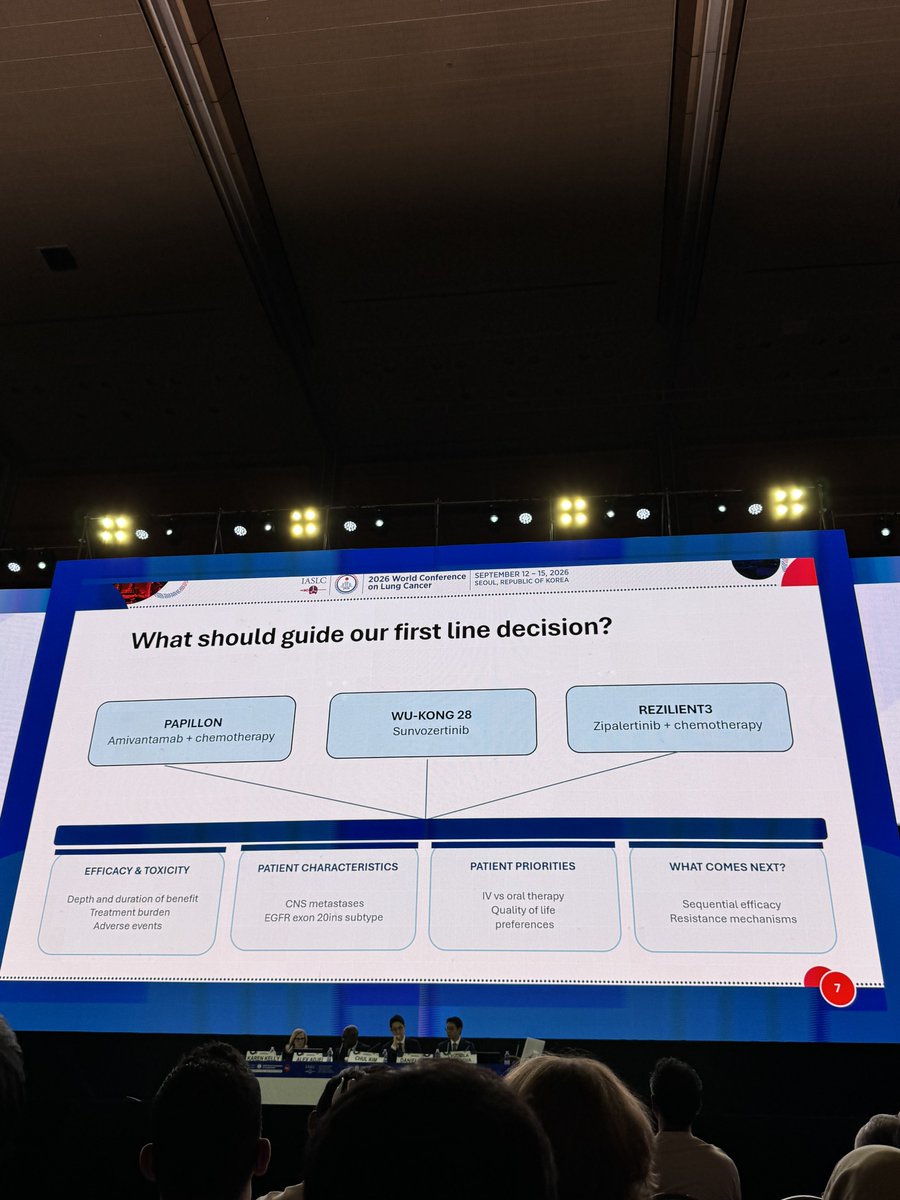
‼️ SAVE THIS TWEET if you see patients with EGFR exon 20 NSCLC ‼️
Beautiful discussion by @LudaBazhenovaMD here at #WCLC26
As new options emerge for our patients, how do we choose?
#WCLC26 🌟First report of a combination of a #bispecific targeting PDL1 x VEGF (pumitamig) plus a B7-H3.l ( Elfie-D) #ADC in ES-SCLC, producing excellent responses in all lines of treatment and especially 1L with tolerable toxicity profile. Requires longer follow up to evaluate long-term tolerability of ADCs and the contribution of the bispecific component. Challenging to see how this combo will fit into the TCE in 1L era
8 year update of ADAURA at #WCLC26 from @DrRoyHerbst - with 3y of adjuvant osimertinib in EGFR mutant NSCLC, 8y OS rate 74% vs 58% with OS HR 0.53 and benefit seen across stages: stage IB HR 0.50, stage II HR 0.60, stage IIIA HR 0.49 - reaffirms standard of care.
Highlighted Studies at #WCLC26
1️⃣ HARMONi-2
In treatment-naïve, advanced NSCLC with PD-L1 ≥1%, ivonescimab improved PFS (11.1 vs 5.8 months; HR 0.51) and OS (30.8 vs 22.6 months; HR 0.73) compared with pembrolizumab.
This is a genuinely positive trial, but it does not tell the same story for all PD-L1-positive patients. The OS benefit was clear in the ≥50% subgroup, whereas the HR was 0.85 with a confidence interval crossing 1 in the 1–49% subgroup. Moreover, pembrolizumab monotherapy is not the real comparator for most patients in this group; chemo-IO is.
2️⃣ SWOG S1827/MAVERICK
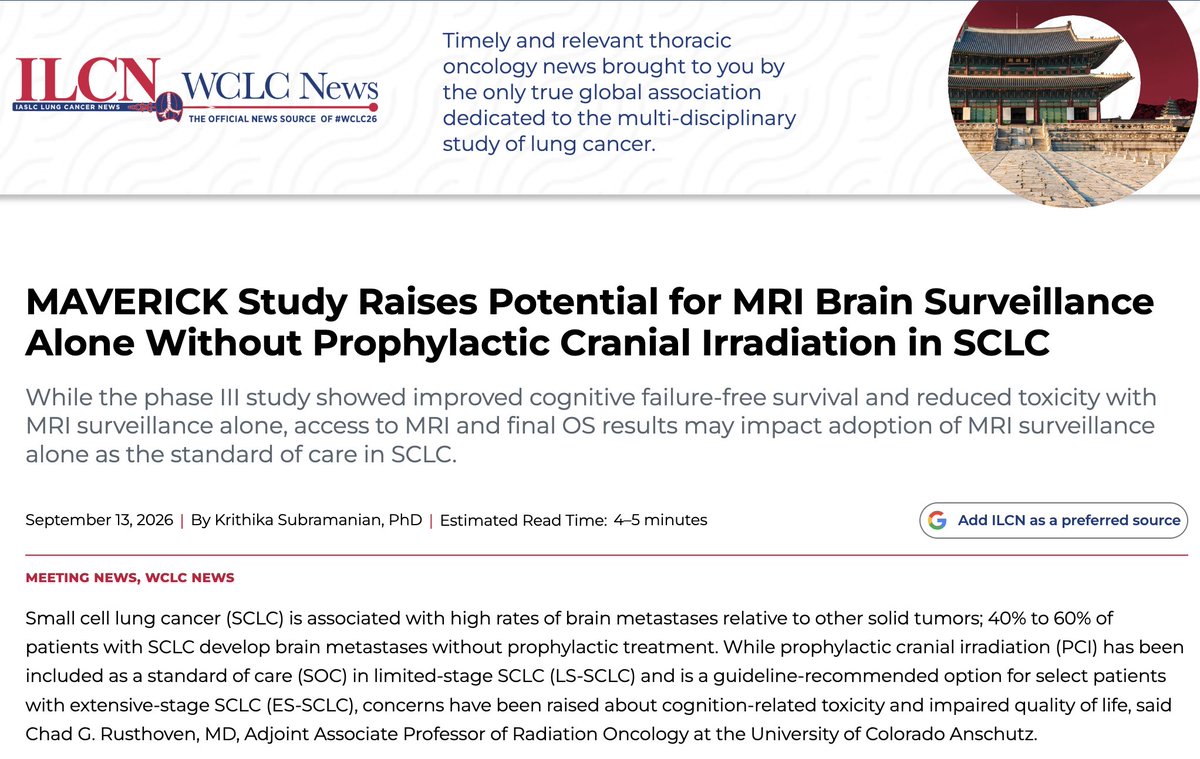
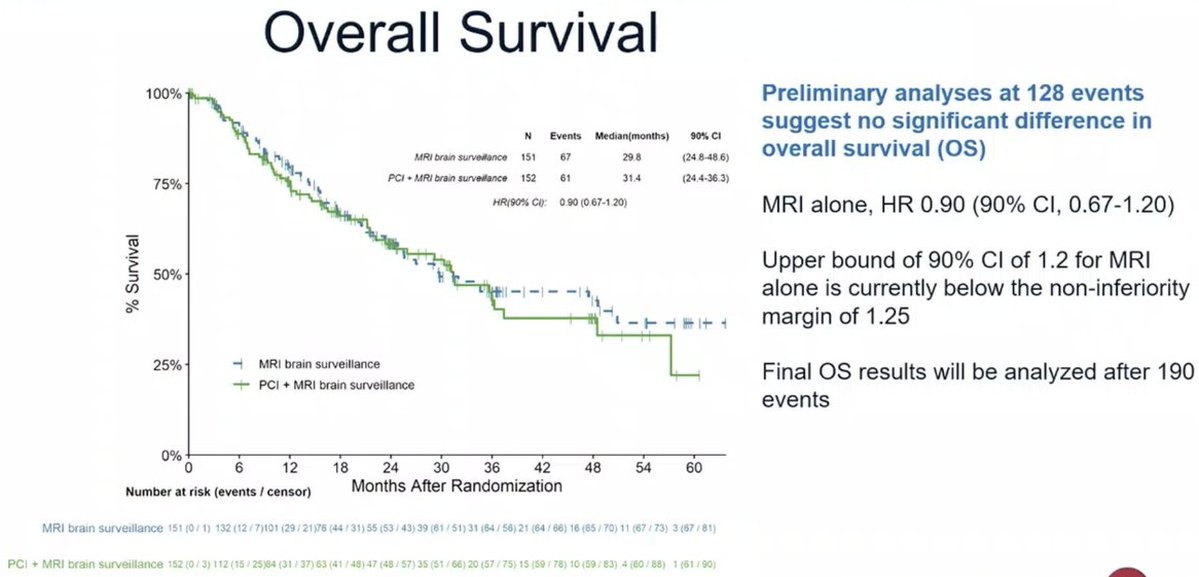
In patients with SCLC who had completed initial treatment and had no brain metastases, MRI surveillance was compared with MRI plus PCI. MRI alone reduced the risk of cognitive failure or death (HR 0.60); grade ≥3 toxicity was 0.8% vs 7.9%. Interim OS and brain metastasis-free survival were not different.
The study does not show that MRI prevents brain metastases more effectively. It shows that adding PCI has so far caused cognitive and serious toxicity without demonstrating a survival benefit. If regular MRI and prompt salvage treatment can be provided, routine PCI is now difficult to justify. Still, it is too early to say that PCI is completely dead before the final OS analysis.
3️⃣ TAISHAN-302
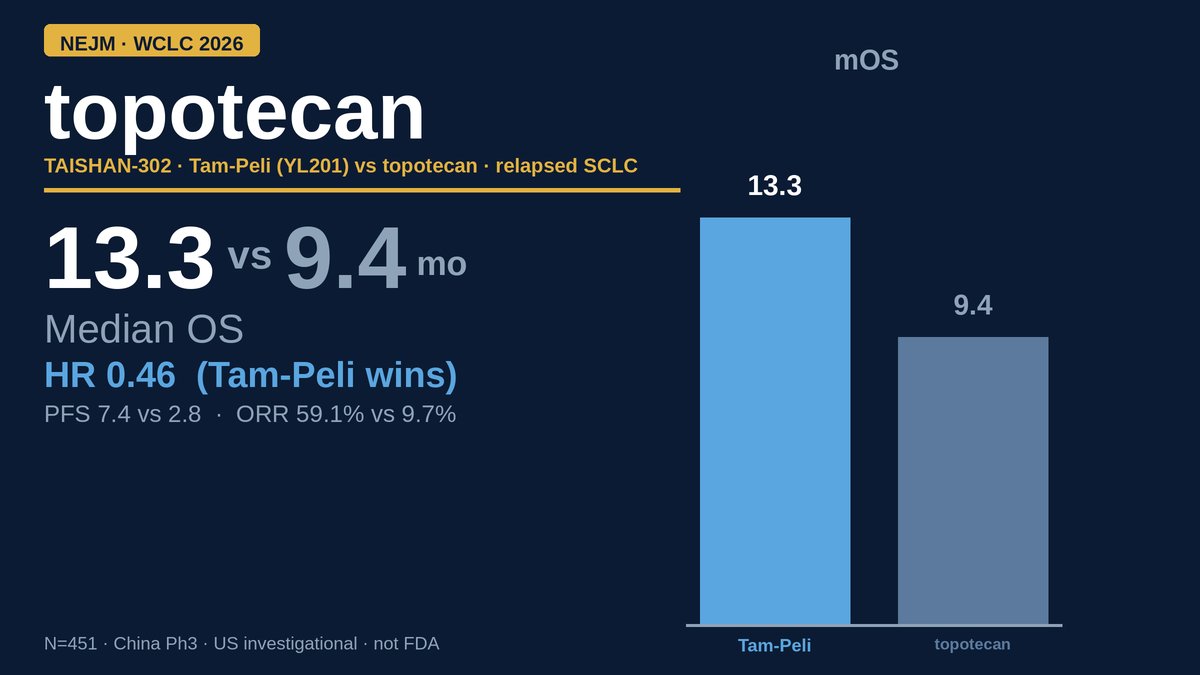
In relapsed SCLC, the B7-H3 ADC Tam-Peli improved OS from 9.4 to 13.3 months versus topotecan (HR 0.46); PFS was 7.4 vs 2.8 months and ORR was 59% vs 10%. Grade ≥3 treatment-related toxicity was also lower.
ARTEMIS-008
In relapsed SCLC, another B7-H3 ADC, Ris-Rez, also outperformed topotecan: OS was 18.5 vs 10.3 months (HR 0.46), PFS was 7.2 vs 3.0 months, and ORR was 58% vs 13%.
Together with TAISHAN-302, this result strongly confirms that B7-H3 is a genuine target in SCLC. However, the median OS figures from the two trials cannot be used to conclude that Ris-Rez is better. The choice between the two ADCs may be determined more by ILD, hematologic toxicity, and ease of administration than by efficacy figures. The efficacy of either agent after tarlatamab maintenance also remains unknown.
5️⃣ EVOKE-03/KEYNOTE-D46
In metastatic NSCLC with PD-L1 ≥50%, sacituzumab govitecan plus pembrolizumab increased ORR compared with pembrolizumab (%56 vs 44%) and numerically prolonged PFS, but the prespecified statistical threshold was not met. OS was 21.5 vs 22.8 months, duration of response was almost identical, and grade ≥3 toxicity was 56% vs 17%.
Adding the ADC shrank tumors in more patients but did not change the natural course of the disease. Considering the similar duration of response, lack of OS benefit, and substantial toxicity, this combination has no place in clinical practice.
Landmark, practice changing study at #WCLC26. The phase III MAVERICK study shows no improvement in OS with PCI for SCLC, across limited and extensive stages, with worse cognitive failure free survival and increased toxicity in PCI arm.
The end of the PCI era.
I wish it cured pancreatic cancer, but it doesn’t. Instead it increases the risk of financial bankruptcy in exchange for a few more first downs with >50% developing G3 AE before the patients receiving this drug die regardless. @fumikochino@mcuban
After its success in pancreatic cancer, daraxonrasib’s NSCLC data!
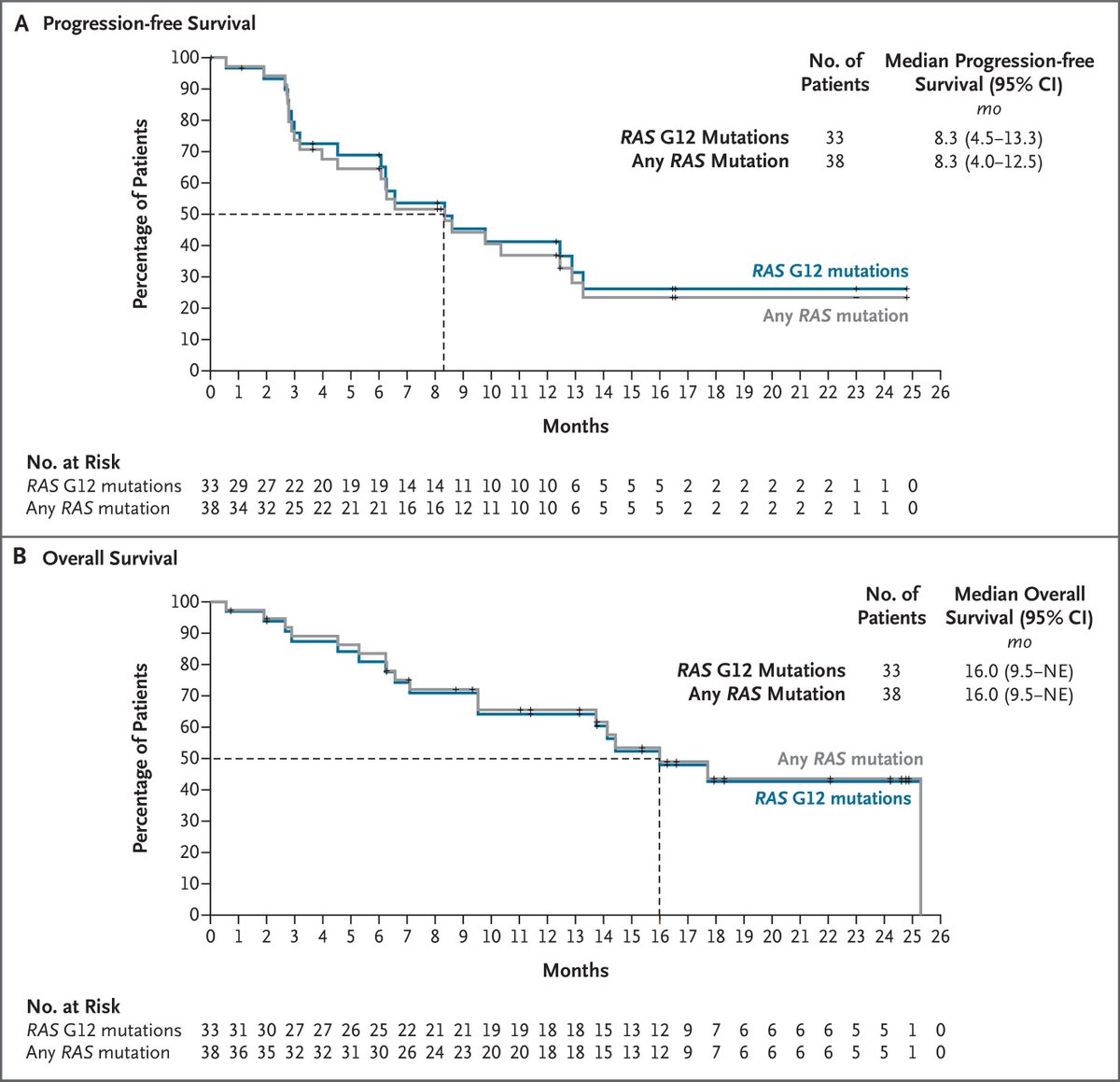
In pretreated non-G12C RAS-mutant NSCLC, ORR was 35% overall; 42% in selected 2L cohort (mPFS 8.3 mo; mOS 16 mo).
Toxicity matters: at 160–220 mg, rash 90%, diarrhea 66%, G≥3 TRAEs 25%; at 300 mg, G≥3 TRAEs 45%. (Four G5 AE / non drug related)
https://t.co/UlCWkGVluU
Some breakthroughs deserve to be celebrated. Daraxonrasib in pancreatic cancer is one of them.
After decades of very limited progress in this disease, and finally seeing these results by targeting RAS—long considered “undruggable”—I’ve read so many “BUTs” on social media:
What do we do when resistance emerges?
Will it work in earlier-stage disease?
Can combinations improve outcomes further?
What about long-term outcomes?
.
.
.
These are all important scientific questions. In time, they will naturally emerge and be addressed. That’s how science moves forward.
But expecting a breakthrough therapy to answer every question about a disease from day one is not a reasonable way to judge progress.
Sometimes, we should simply acknowledge the achievement first.
Because many of the questions we are asking today could not even have been asked yesterday—we didn’t have a therapy that made them relevant.
So, to those with another “BUT”: please share your data—or stay quiet for a while.
Most of us haven’t even seen the drug’s box yet.