🎙️ Join us LIVE for an #XSpace on Kidney Care in Indigenous Populations in recognition of the International Day of the World's Indigenous Peoples.
Hear global experts discuss kidney health disparities, culturally appropriate care, and strategies to advance equitable kidney care for Indigenous communities.
📅 August 7
⏰ 2 pm CEST
🔗 Set a reminder: https://t.co/7r0vqnUMUT
#IndigenousPeoplesDay #KidneyHealth #ThisIsISN
The project, led by Evgeniy Kreydin, will combine advanced brain imaging, clinical bladder testing, and a noninvasive therapy called transcutaneous spinal cord stimulation. The researchers aim to identify imaging biomarkers, or measurable features seen on brain scans, that can help predict which stroke survivors are most likely to benefit from the treatment. https://t.co/NEyIL6onfJ #uscurology #stroke #nih #urinaryincontinence
WES, WGS, what? Considering whole exome sequencing (WES) or whole genome sequencing (WGS)?
This great article featuring input from our CEO and co-founder (and chemist!) @EmilyLeproust has some fantastic tips for making the right choice: https://t.co/D0Yj4meyNK
Histone AcetylTransferases P300 & CBP have distinct functional roles in Arterial Smooth Muscle Cell phenotypes
P300 pro-contractile, working with TET2
CBP pro-migratory, working with HADC2/5
Converging on H3K9/27ac-SRF-Myocardin-SMC contractile gene transcription
@KathyMartinYale@CircAHA 2022
https://t.co/uRH6Lr10YI
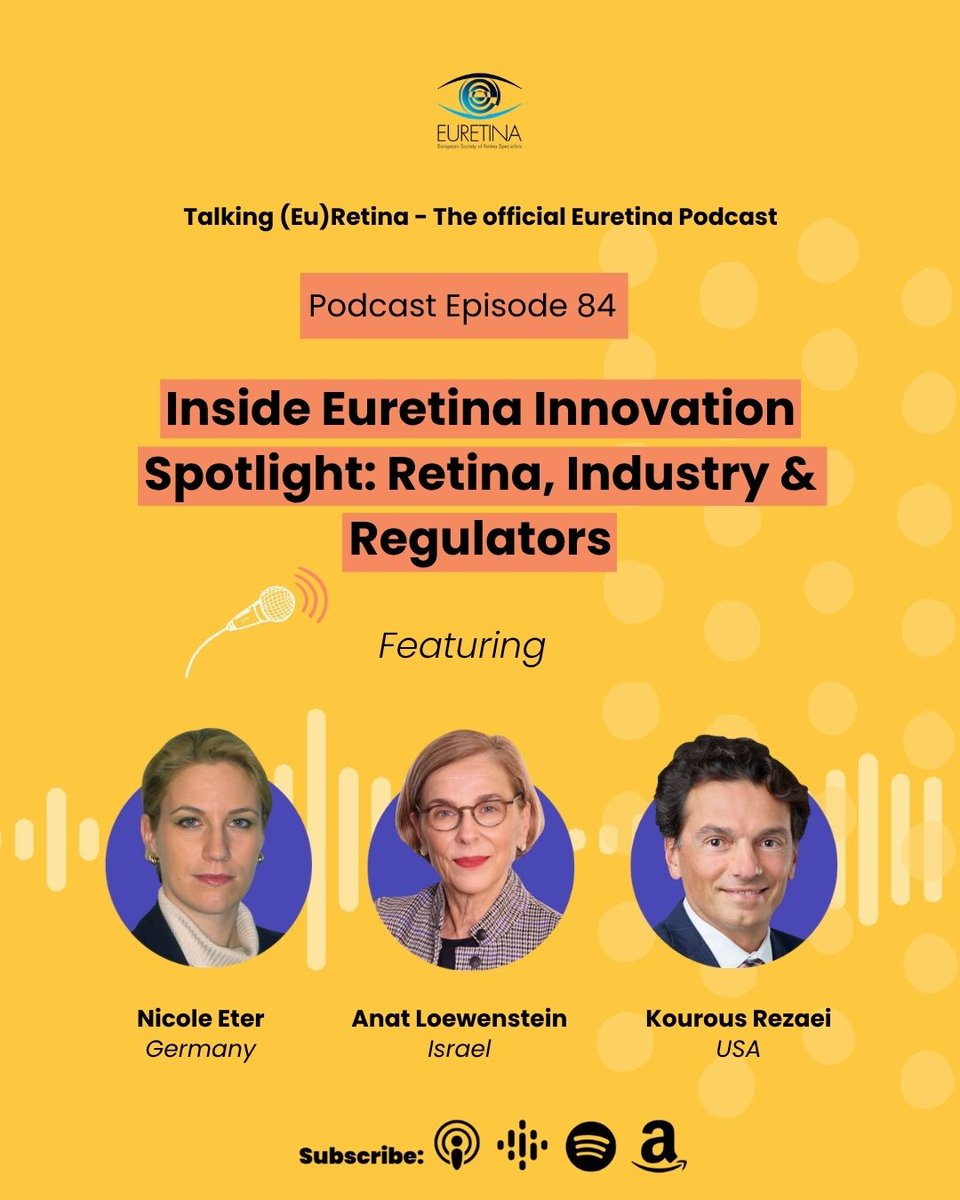
NEW PODCAST: Inside Euretina Innovation Spotlight: Retina, Industry & Regulators
Prof. Anat Loewenstein, Prof. Nicole Eter and Dr. Kourous Rezaei talk about the Euretina Innovation Spotlight that returns to Vienna on 30 September.
🎧 Listen now: https://t.co/ocWHivJ148
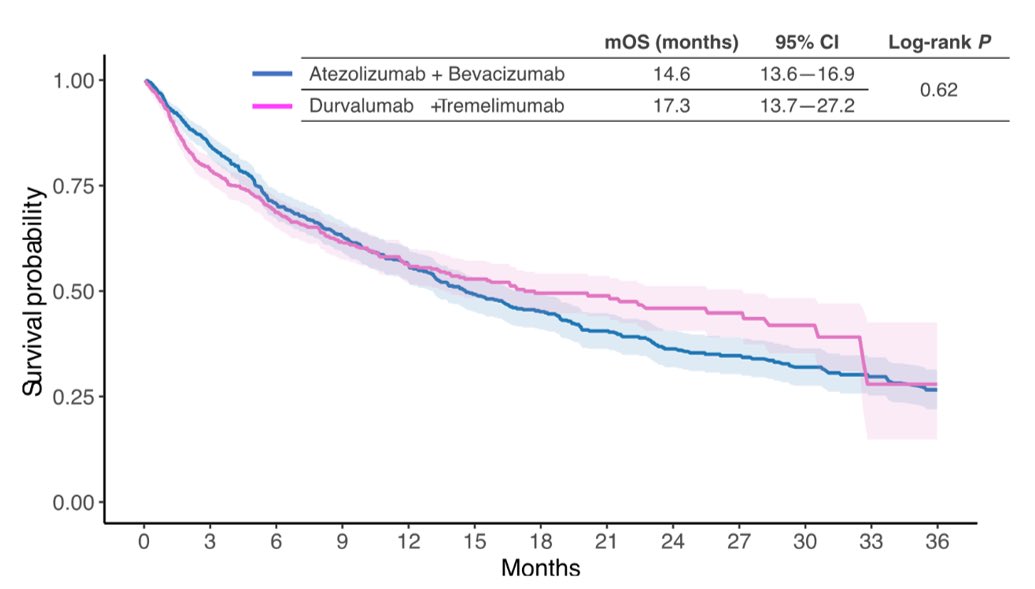
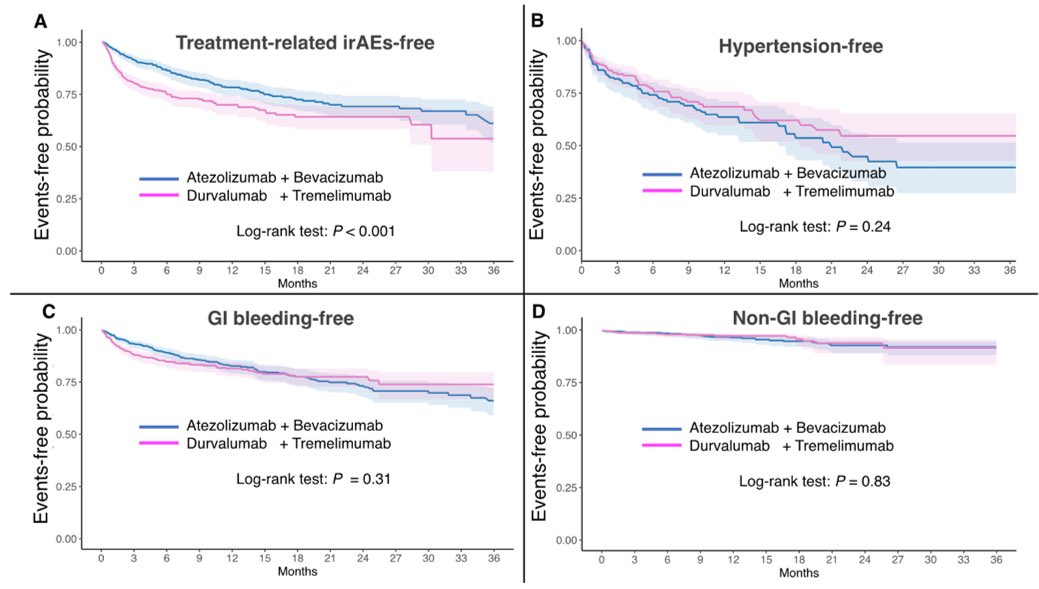
🚨 Ate/Bev vs Durva/Treme in 1L advanced HCC: Which regimen to choose in real-world practice?
A new TriNetX global real-world study (N=1,530 PSM pairs) published in @JGHofficial
👉 Overall Survival: Comparable (mOS 14.6 vs 17.3 mo; aHR 0.96, p=0.62)
👉 Treatment-requiring irAEs: Significantly lower with Ate/Bev (20.2% vs 24.6%, aHR 0.61, p<0.001)
👉 Bleeding & HTN: Broadly comparable between groups.
DOI: https://t.co/5JPf8730SI
@ILCAnews@EASLnews@myESMO #HCC #Immunotherapy #TriNetX
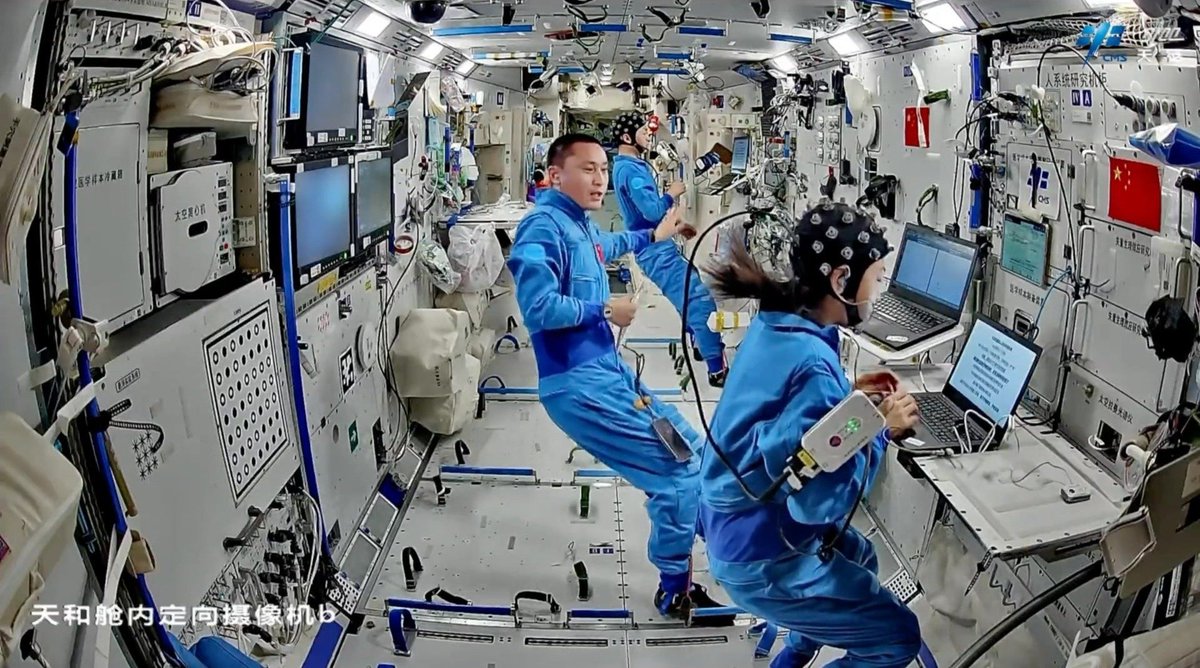
The Shenzhou-23 astronauts have reached their 60th day in orbit aboard China's space station, carrying out a range of tasks, including multiple scientific experiments, maintenance of the space station complex platform, and in-orbit health management. Recent highlights include:
- A study on gut microbiome changes as a result of long-duration spaceflight
- A force control test to investigate the patterns of fine motor control changes and adaptive learning mechanisms during long-term orbital missions
- Image recognition exercises under various initial conditions using a metacognitive training system
Your next research paper might be read by 200
A 60-second explanation of it could reach 200,000.
Nature just said something academia may not be ready to hear:
Scientists in the future will not read articles like this.
That sounds extreme.
Until you look at how younger generation already consume information:
- Short videos.
- Creator-led explanations.
- Algorithmic feeds.
That changes the job of a researcher.
Publishing may increasingly be only half the job.
Making the research understandable may become the other half.
🔗 of this interesting article in thread
⭐️An AI co-scientist to accelerate biomedical research.
⭐️The AI agent Biomni performs research tasks across diverse biomedical fields; with further training and optimization, it could be a powerful research partner for scientists @NatureMedicine@OncoAlert
https://t.co/FvCT99iorh
🚨 TROPION-Breast01: It’s not just about PFS. The toxicity profile matters too.
The final safety and patient-reported outcomes analysis of TROPION-Breast01 shows that Datopotamab deruxtecan (Dato-DXd) offers a distinct toxicity profile compared with physician’s choice chemotherapy in previously treated HR+/HER2− metastatic breast cancer
Key findings:
✅ Grade ≥3 TRAEs: 22.2% vs 45.6%
✅ Delayed deterioration in:
• Global QoL
• Physical functioning
• Pain
✅ Less hematologic toxicity than chemotherapy
Watch for Dato-DXd toxicities:
• Stomatitis: 51.4% (Grade ≥3: 6.4%)
• Nausea: 51.9% (Grade ≥3: 1.4%)
• Ocular events/dry eye
• ILD: 3.9% overall (Grade ≥3: 0.8%, one grade 5 event)
Most patients received prophylactic mouthwash, antiemetics, and artificial tears, highlighting the importance of supportive care.
Bottom line:
Dato-DXd shifts toxicity from myelosuppression toward mucosal and ocular adverse events, while maintaining better patient-reported quality of life than standard chemotherapy. Appropriate prophylaxis and early toxicity management are essential.
📄 ESMO Open 2026 | TROPION-Breast01
#BreastCancer #Oncology #MedTwitter #TROPIONBreast01
@oncoalert@ASCO@myESMO
The word 'could' is doing a lot of lifting here...
Dig in: only 10 have actually reached pIII; the rest are earlier/ far less certain. Roche's own 5-year pIII success rate (58%) trails industry average (76%). Add in: several of these just entered pIII in '25/26 - a tight runway to clear trials, filing, and review by 2030 - and the realistic number of actual launches looks a lot closer to (low?) single digits than 19...