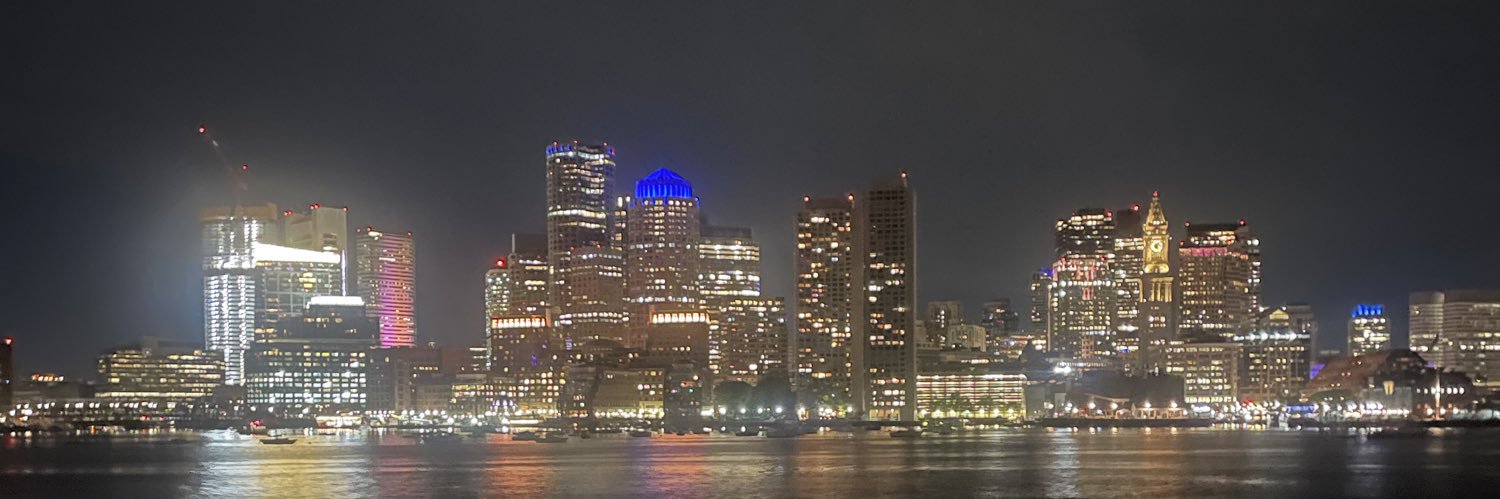
🇺🇸 Most Americans have never heard of Patriots Day, and almost no one outside the U.S. knows it exists.
Yet it’s one of the most action-packed holidays in the country, and it holds a lot of significance.
Celebrated only in Massachusetts and Maine, it marks the anniversary of the Battles of Lexington and Concord, the opening shots of the American Revolution.
Every year, on the third Monday of April (today), Boston holds its marathon at dawn, the Red Sox play a morning home game at America’s oldest ballpark, and reenactors fire muskets at each other in the suburbs.
In 2013, two bombs were detonated near the finish line, killing 3 people and injuring hundreds more.
The following year, Boston came back with record crowds lining the route, the city's defiance becoming as much a part of the day's identity as the race itself.
The world's oldest annual marathon, a sold-out ballpark, a 250-year-old battle, and the stubborn refusal to be broken, all on the same morning, all in the same city.
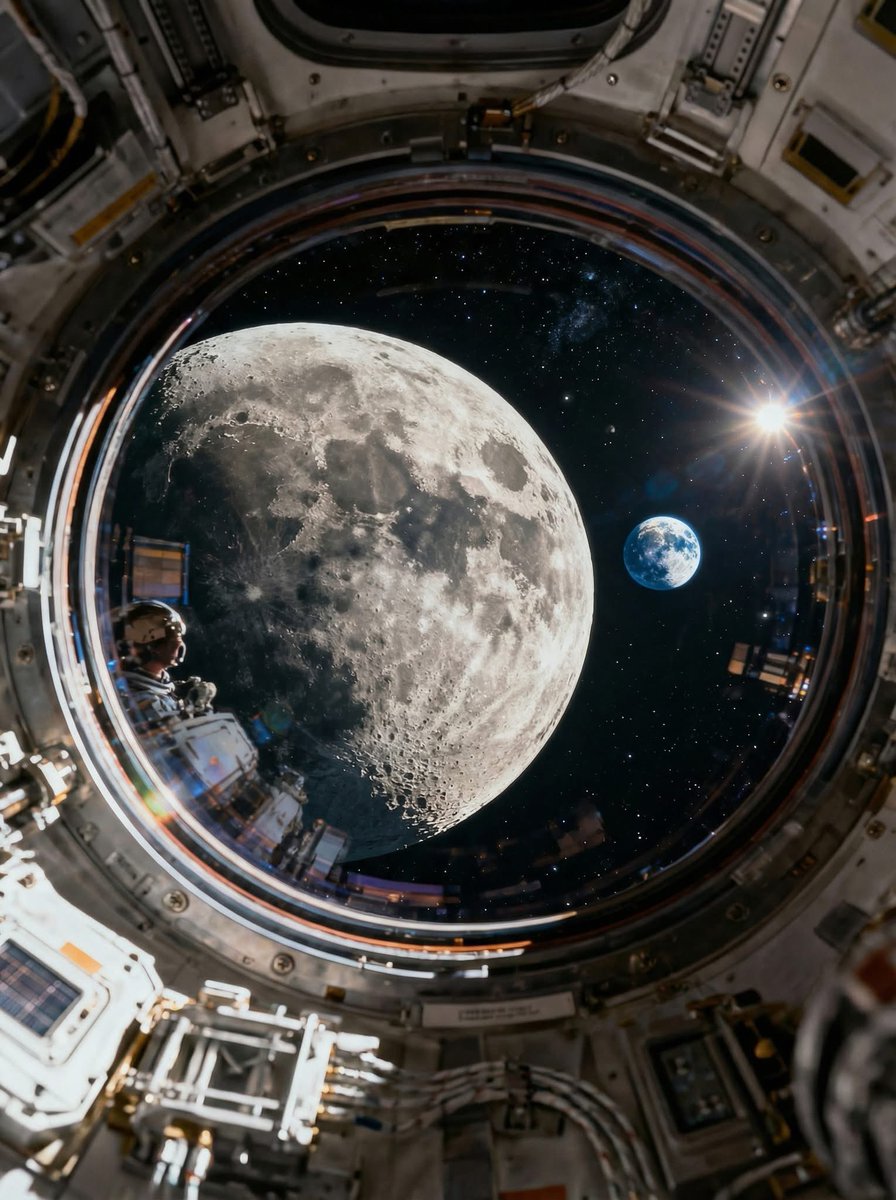
USA is in a vibe shift. It's now the age of heroes...and miracles. US hockey team takes Gold, US Military rescues pilots in Iran, Artemis II travels to Far Side of the Moon. Whether it's on ice, in air, or in space, Americans can do the impossible.
sam altman watching ChatGPT hallucinate live on stage is the funniest thing i've seen all week
the CEO of OpenAI, on stage, in front of everyone, watching his own AI just make things up in real time
and his face says it all
this is the guy telling us AGI is coming soon btw
NASA pilot Victor Glover CLAPS back after being asked what it means to be the first black man to visit the moon: “It’s the story of humanity, not black history, not women’s history, but that it becomes human history.”
“I also HOPE we are pushing the other direction that one day we don’t have to talk about these first. That one day, this is just—and listen to this—that this is the human history.”
The human brain processes visual information 60,000x faster than text. Humans are visual processors, not text processors. Images hit the brain instantly. Words take work. That's why a single SpaceX launch video communicates more than a thousand-word essay—and why your slide decks hit harder than paragraphs. We're wired for pictures, not prose.
Jensen Huang just gutted the AI job panic with one profession.
Radiology.
The field AI was supposed to kill first.
Jensen Huang: “Computer vision was superhuman in 2019. And yet, the number of radiologists grew.”
Not competitive. Not close. Superhuman.
Every forecast said radiologists were finished.
Every forecast was wrong.
Not slightly wrong. Directionally wrong.
There are now fewer radiologists than the world needs. A global shortage. In the exact specialty AI was supposed to erase.
Why?
Because the task was never the job.
Huang: “The purpose of your job and the tasks and the tools that you use to do your job are related. Not the same.”
Reading a scan is a task.
Diagnosing disease is a purpose.
AI handled the task. The purpose didn’t shrink. It compounded.
Faster reads meant more patients seen. More patients seen meant more disease caught. More disease caught meant more demand for the people who decide what to do about it.
The tool did not kill the job. It fed it.
Then the fear did what the technology never could.
Huang: “The alarmist warning went too far and it scared people from doing this profession that is so important to society. It did harm.”
People heard radiologists were finished and walked away from the field.
Medicine bled talent it could not afford to lose.
Not because the work vanished. Because the panic said it would.
The prediction was wrong. The damage was real.
Huang: “The number of software engineers at Nvidia is going to grow, not decline.”
Not hold steady. Grow.
The company building the infrastructure that automates code is hiring more of the people who write it.
Huang: “I wanted my software engineers to solve problems. I didn’t care how many lines of code they wrote.”
Nobody ever hired an engineer to type. They hired them to think.
When the machine handles syntax, the engineer does not become obsolete. The bottleneck just moves upstream. To architecture. To edge cases. To the kind of reasoning no model handles alone.
The world was never short on unsolved problems.
It was short on people free to chase them.
That is the part the fear narrative misses every single time.
340,000 women once worked as telephone switchboard operators.
That job is gone. Nobody mourns it.
What replaced it created millions of roles that nobody in 1920 had the vocabulary to describe.
The losses are always visible. The gains are always invisible until they arrive.
That pattern has survived every technological shift in history.
It is surviving this one.
The people forecasting mass displacement are making the same mistake as the people who forecasted the end of radiology.
They can see the task being automated.
They cannot see the purpose expanding underneath it.
That blindness is not just wrong.
It is expensive.
Every person scared out of a career that AI will actually make more valuable is a cost the economy absorbs for nothing.
Not because of the technology.
Because of the story told about it.