💡 A rare very interesting case: persistent left superior vena cava (PLSVC) + right superior vena cava (RSVC) atresia --> challenging CRT-D implantation
⭐ Echo:
- Dilated coronary sinus
- Bubble test (agitated saline solution) via the left antecubital vein: bubbles first in the coronary sinus and then in the right atrium --> PLSVC
⭐ CT-scan + venography:
- Right superior vena cava (RSVC) atresia with the right brachiocephalic vein drained directly into the persistent left superior vena cava (PLSVC)
- PLSVC drained directly into the coronary sinus
⭐ Very challenging CRT-D implantation via left subclavian vein.
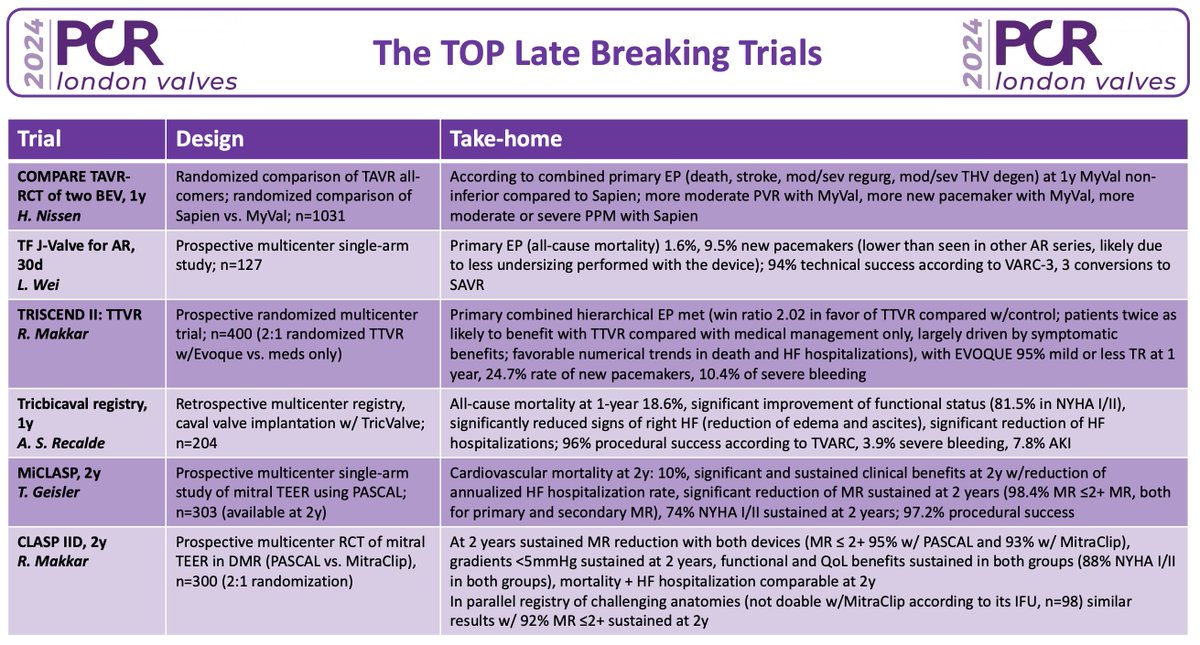
🇧🇷🪅 What better way to celebrate the Rio Carnival than by announcing this new initiative in interventional cardiology?
📍#RioValves is coming to Brazil on 11-12 September! A practical Course on valve interventions, designed by and for the LATAM community, in partnership with PCR.
👉 Submit your work by 23 May 📅 to help shape the Programme and be part of it. Gain recognition, connect with peers and advance your career!
🔗 Submit now: https://t.co/q3X6Zb8TLq
#interventionalcardiology #CardioEd @alcantaramonica@vinesteves@nicolo_piazza@FlavioRibichini@didier_tchetche@cleversonzuk
🫀NEW GUIDELINE🫀
Read our newest #ASEGuideline, "Guidelines for the Echocardiographic Assessment of the Right Heart in Adults and Special Considerations in Pulmonary Hypertension!" https://t.co/t80ui5ZdtN
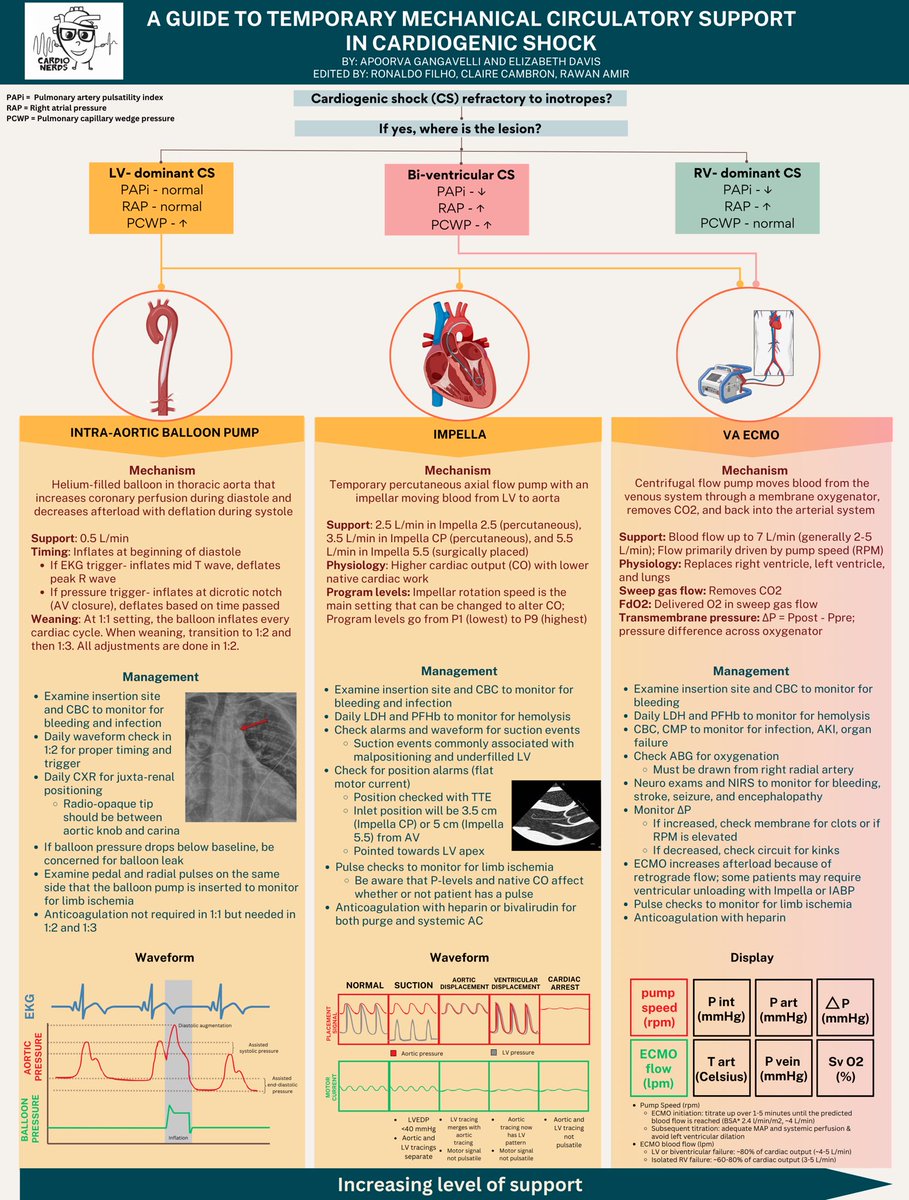
🏥New to the CCU? Not sure how to manage temporary mechanical circulatory support?
⭐️Check out our new @CardioNerds infographic on using TMCS in cardiogenic shock! Explore their mechanisms, management, and waveforms you need to know!
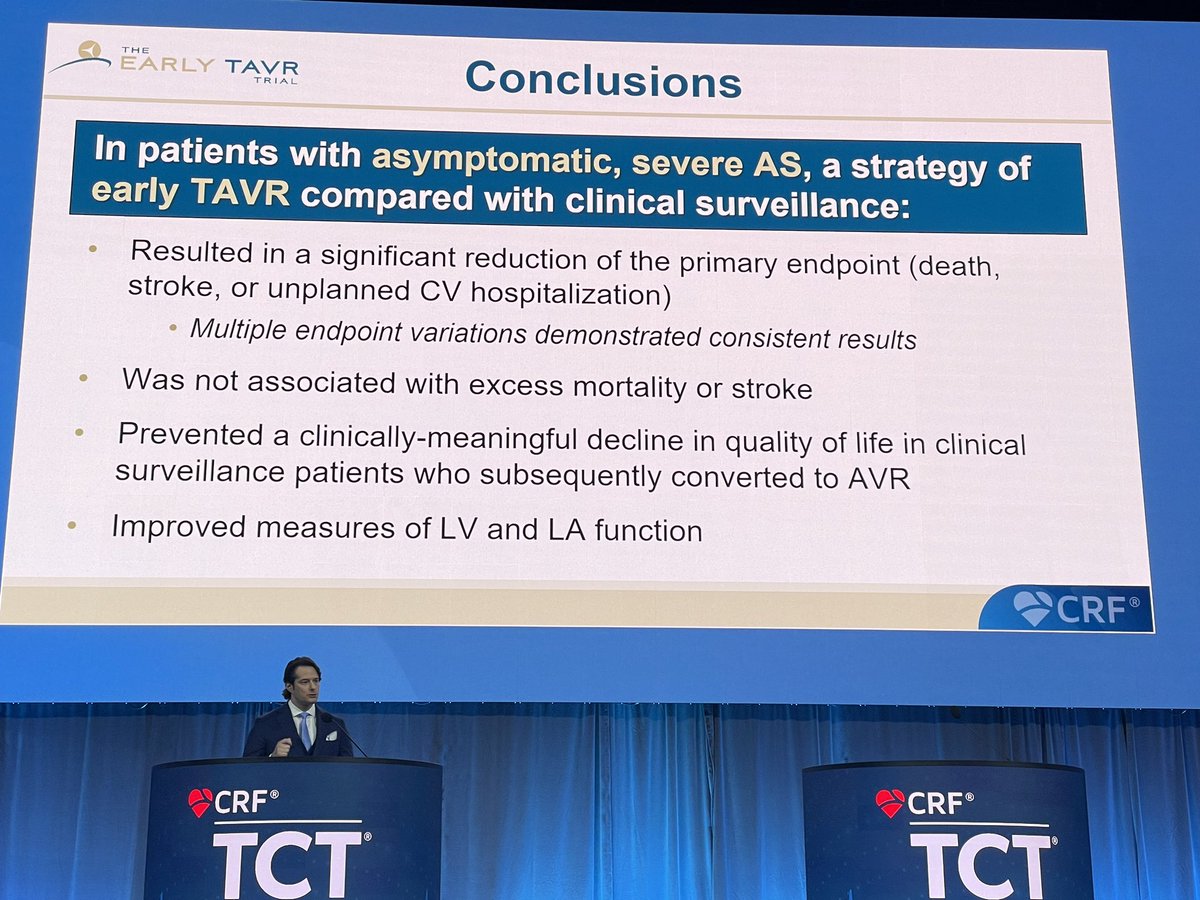
#TCT2024 in case you missed it! EARLY TAVR meets primary endpoint driven by Unplanned CV Hospitalization. Also prevents ⬇️ QoL! https://t.co/TtwC0AijM9 @NEJM@TCTMD
Just presented at TCT and published in NEJM by @PhilGenereuxMD showing superiority of early TAVR in asymptomatic
severe AS. This trial will change the guidelines !
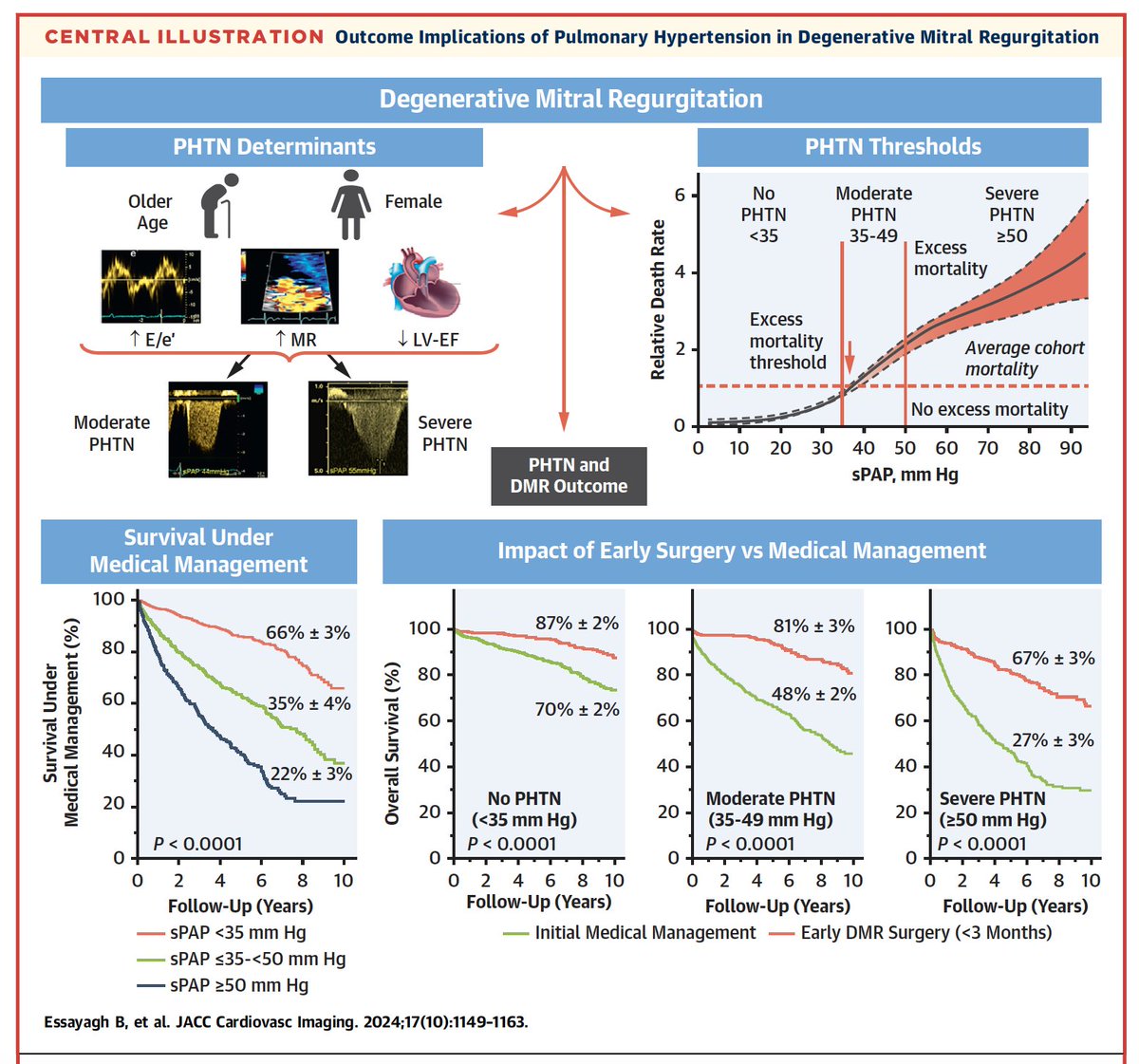
New multicenter registry data in #JACCImaging including > 3700 patients with isolated moderate-to-severe degenerative MR (DMR) on the prognostic impact of pulmonary hypertension (PHTN) measured by Doppler echocardiography.
https://t.co/aKLyFAbSwH
Key messages:
- SPAP response to the significant DMR is heterogeneous: 25% had classic severe PHTN (SPAP ≥ 50 mm Hg), and 30% had moderate PHTN (ie, 35-49 mm Hg).
- excess mortality emerges for SPAP levels much below classical thresholds, with moderate PHTN (35-49 mm Hg) independently associated with excess mortality under medical management, which is eliminated after surgical correction of DMR.
- severe PHTN (SPAP ≥ 50 mm Hg) is associated with more severe excess mortality, which is attenuated but not suppressed after surgical correction of DMR.
- SPAP by Doppler is not just a surrogate for DMR severity, but is incremental to the Doppler EROA, RVol, and clinical characteristics in predicting outcome -> it is pivotal to obtain SPAP during #echofirst throughout the spectrum of DMR severity.
In conclusion, consider moderate PHTN (35-49 mm Hg) in the decision-making for early surgical repair in patients with severe DMR to restore their life expectancy.