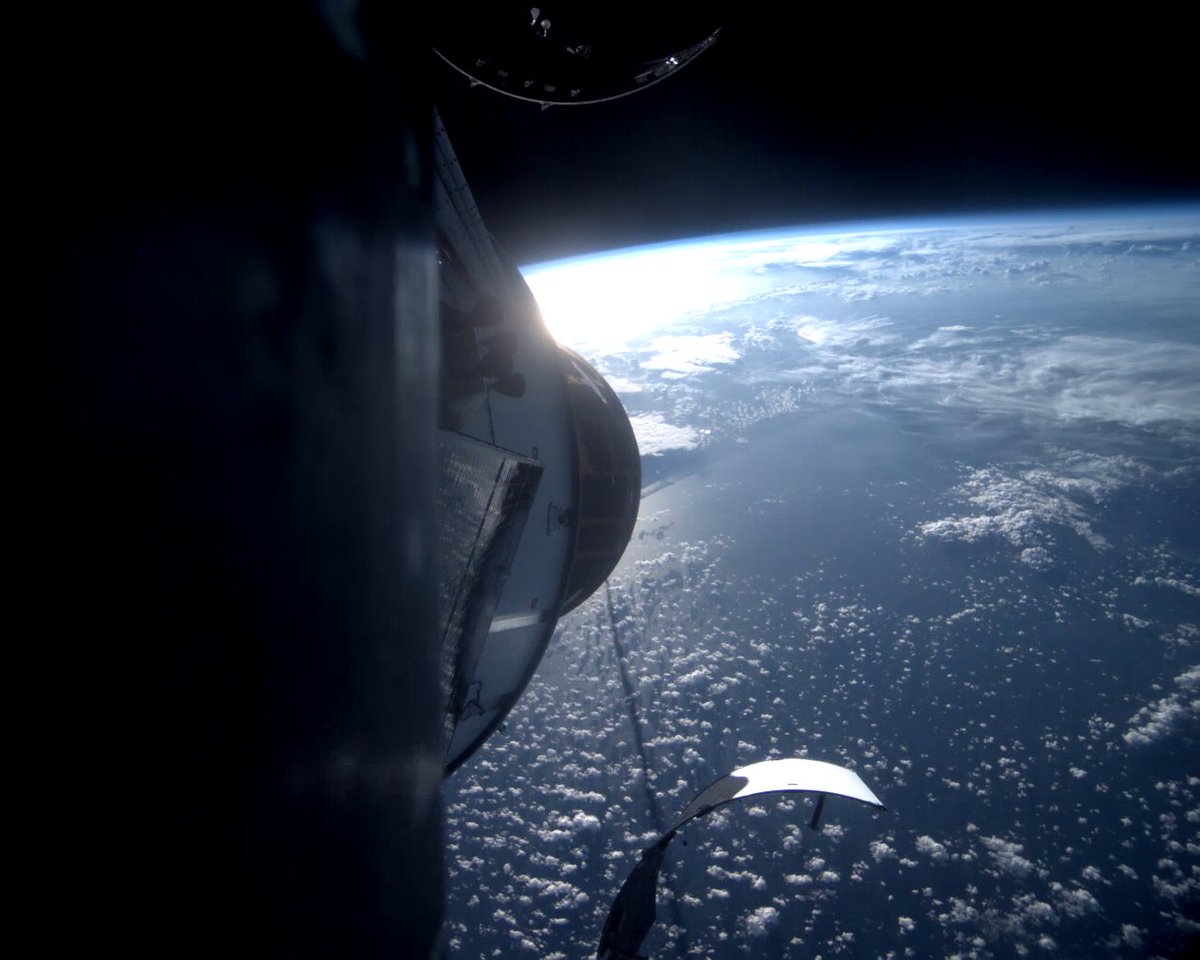
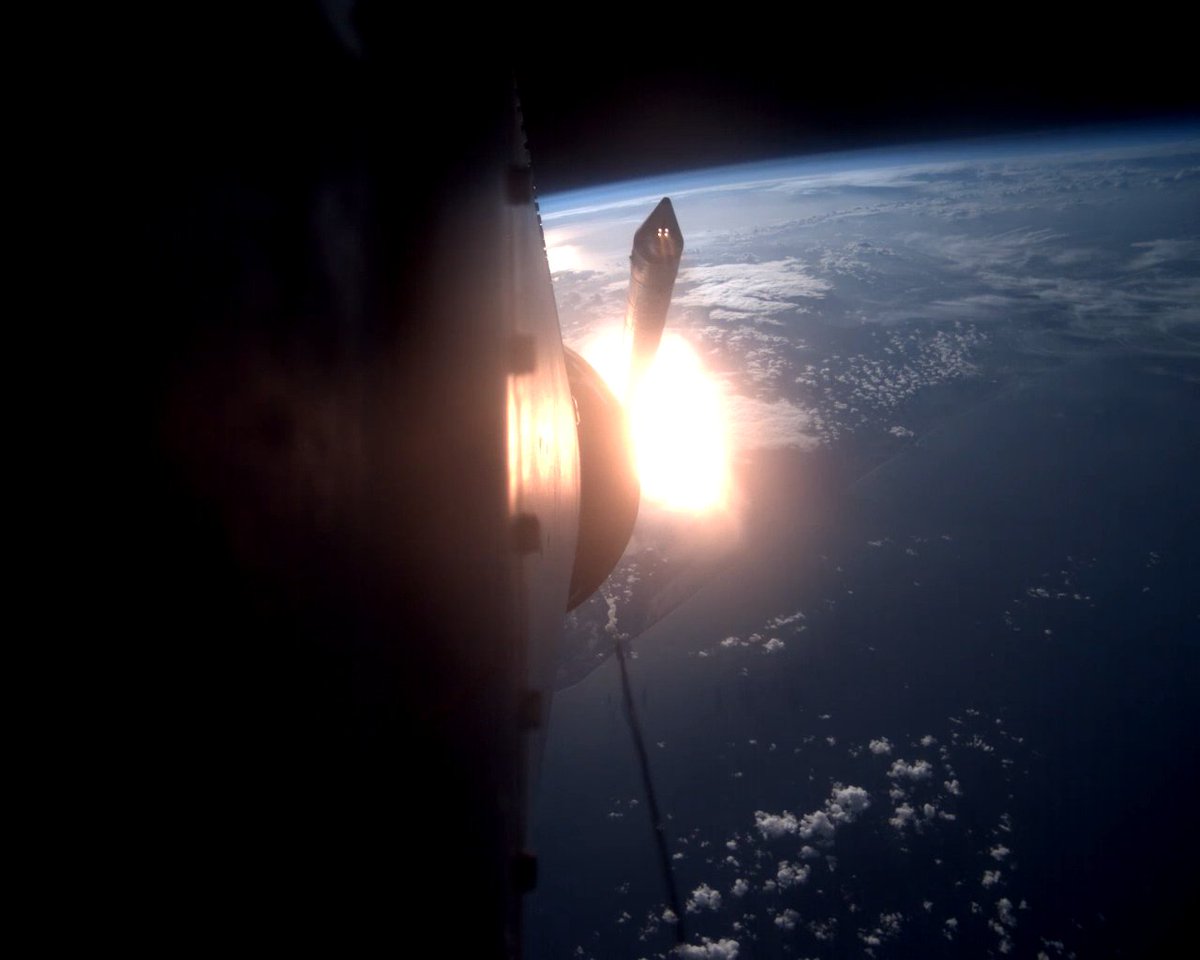
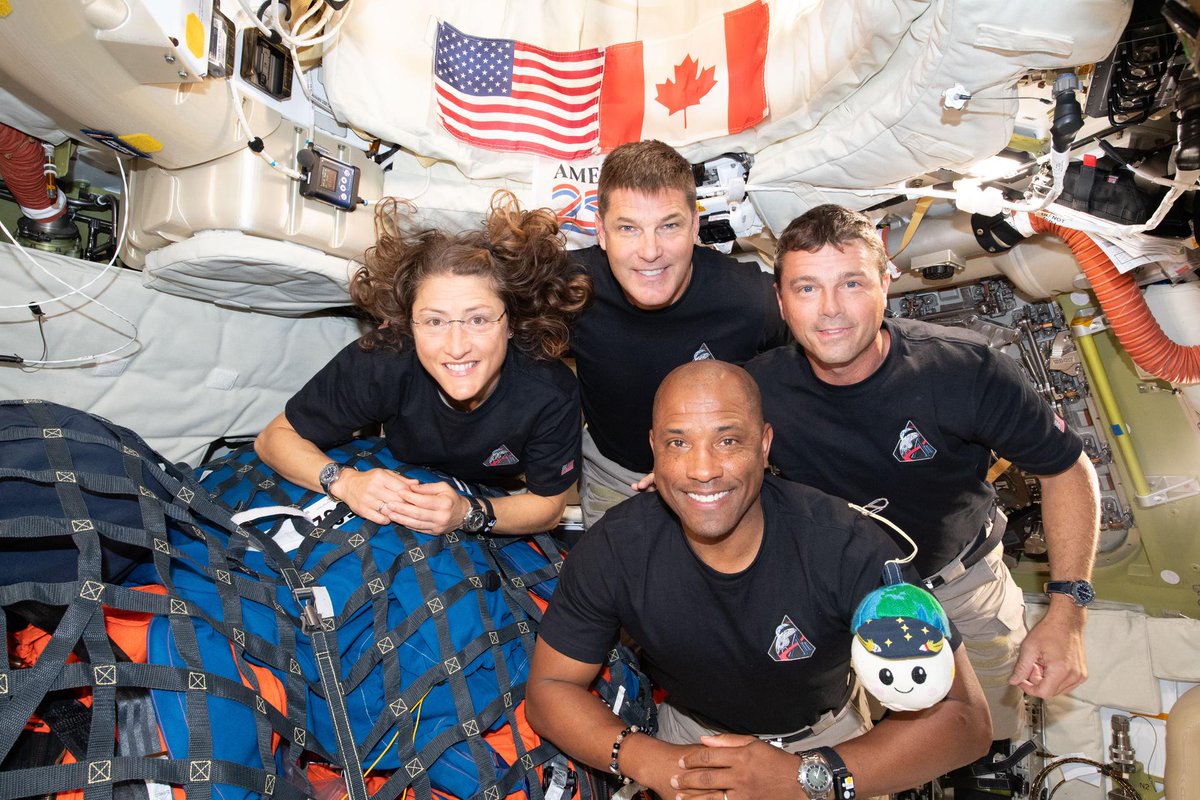
Our Artemis II astronauts are back on Earth, but this is just the beginning.
Artemis III in 2027 will test our lunar landers and push our capabilities forward. Artemis IV in 2028 will begin the first phase of the @NASAMoonBase and establish our path to stay. We are building with purpose, moving with urgency, and keeping our promise to @POTUS.
This is how the next chapter begins at NASA.
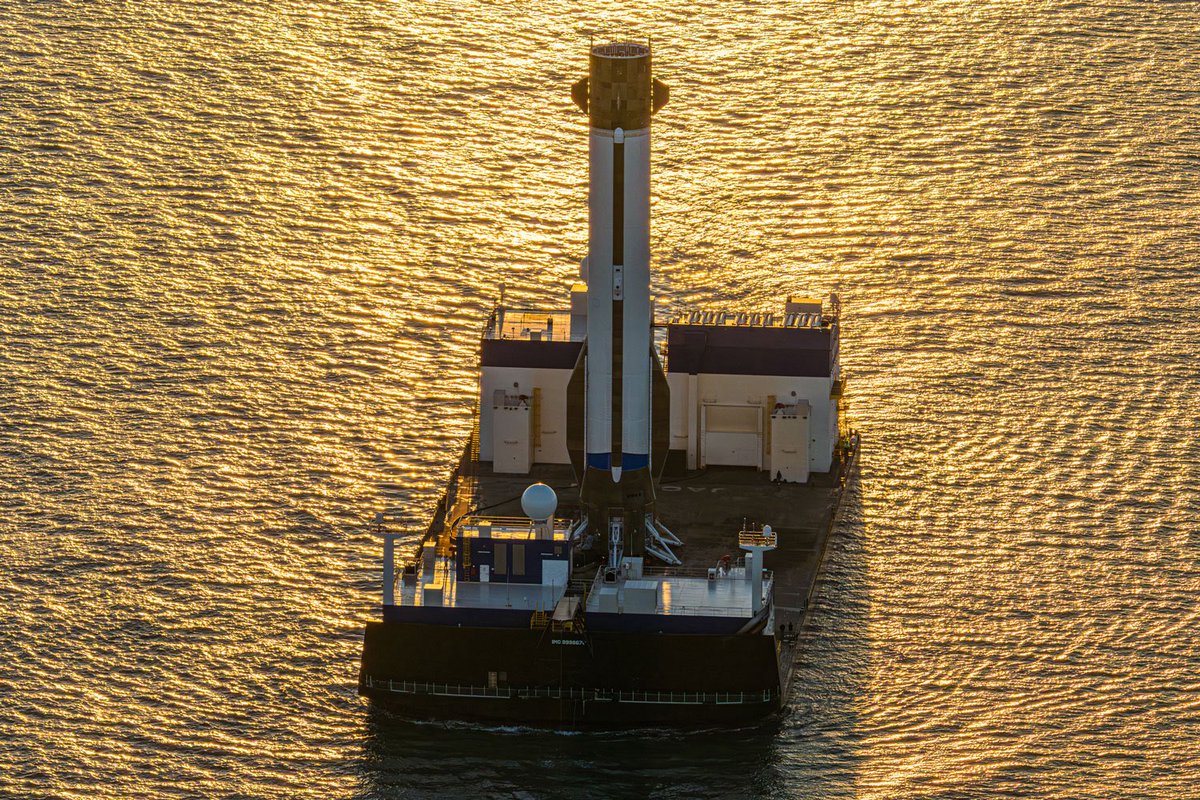
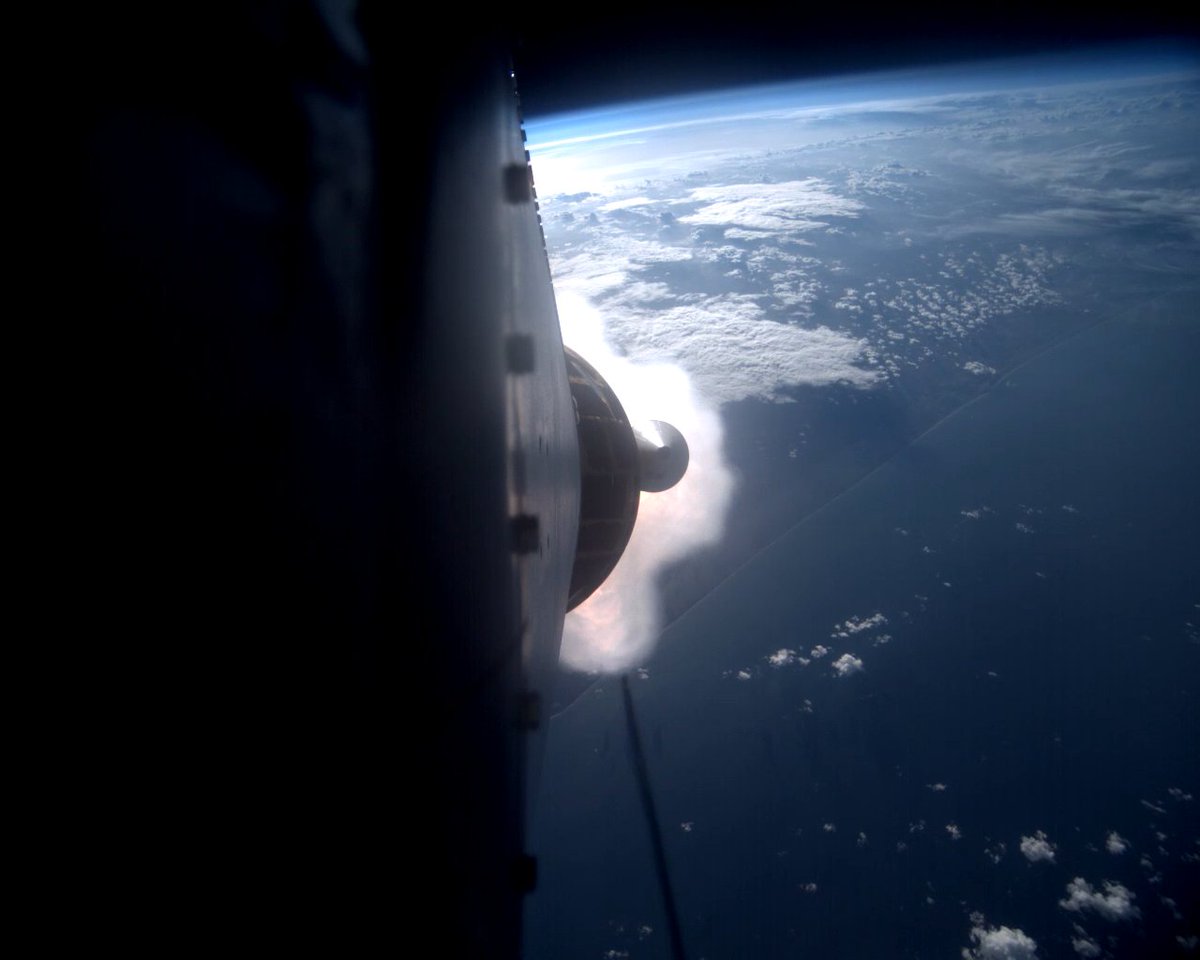
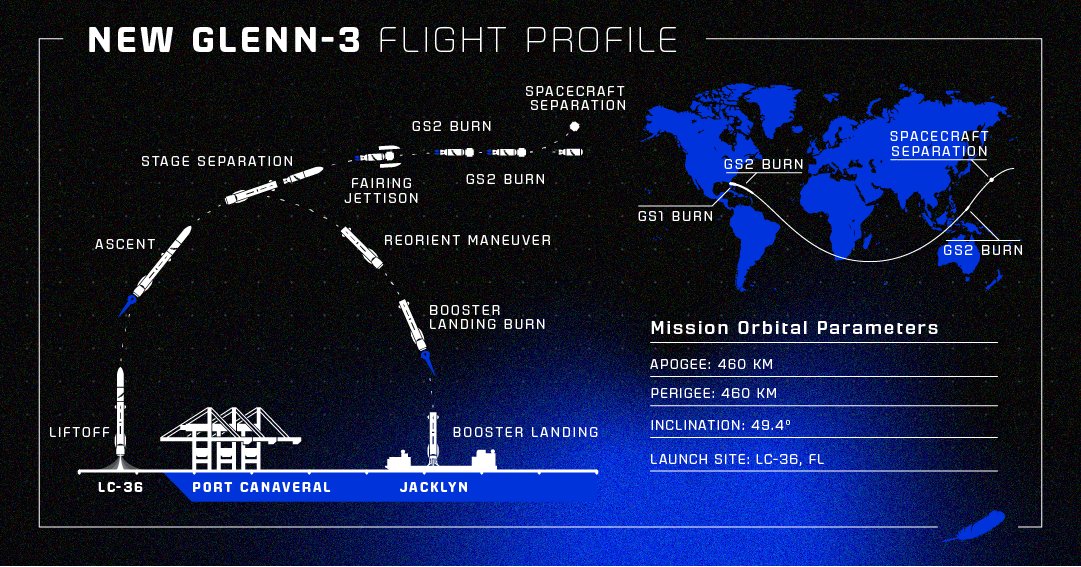
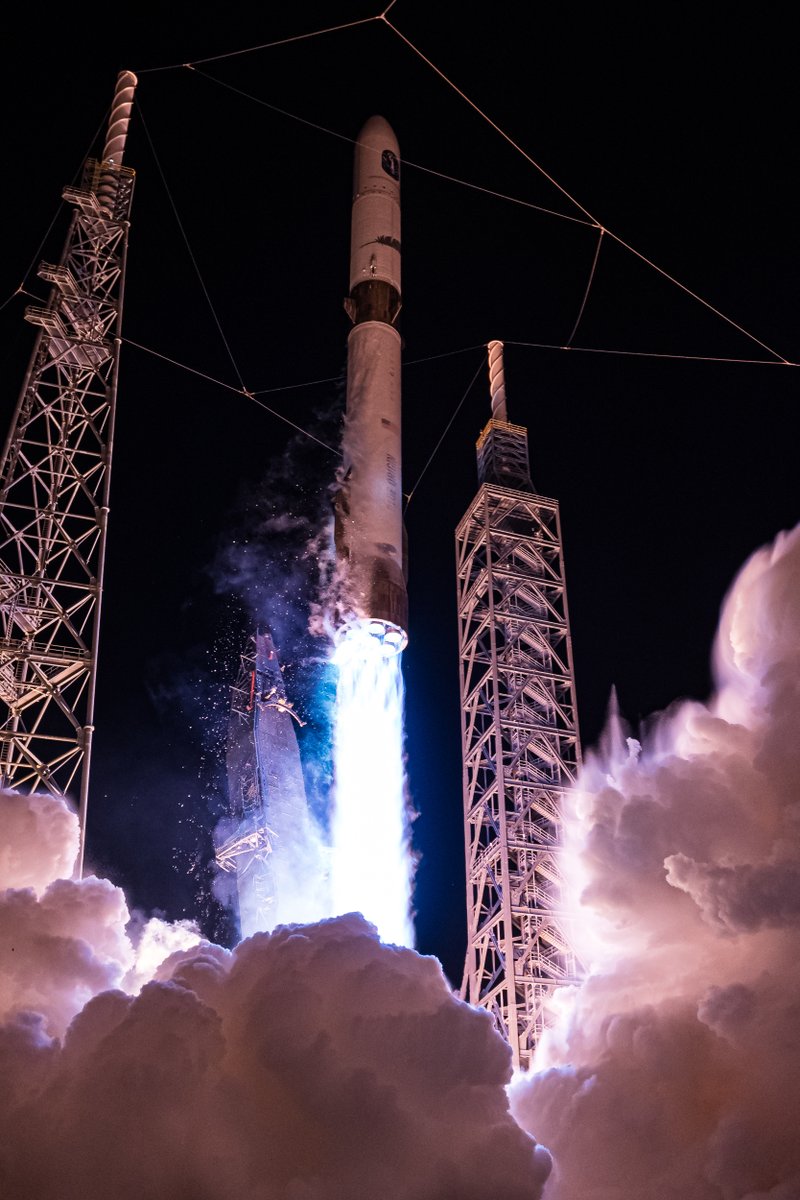
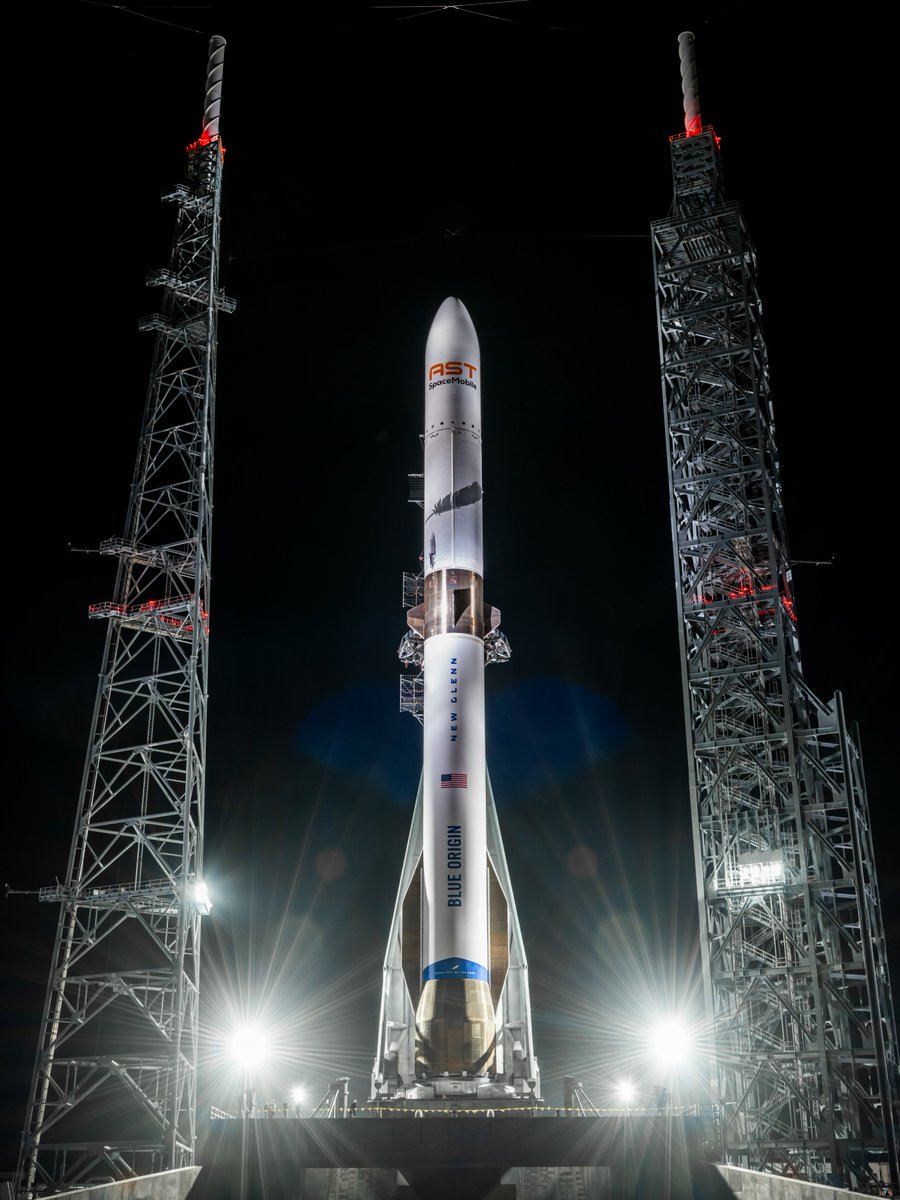
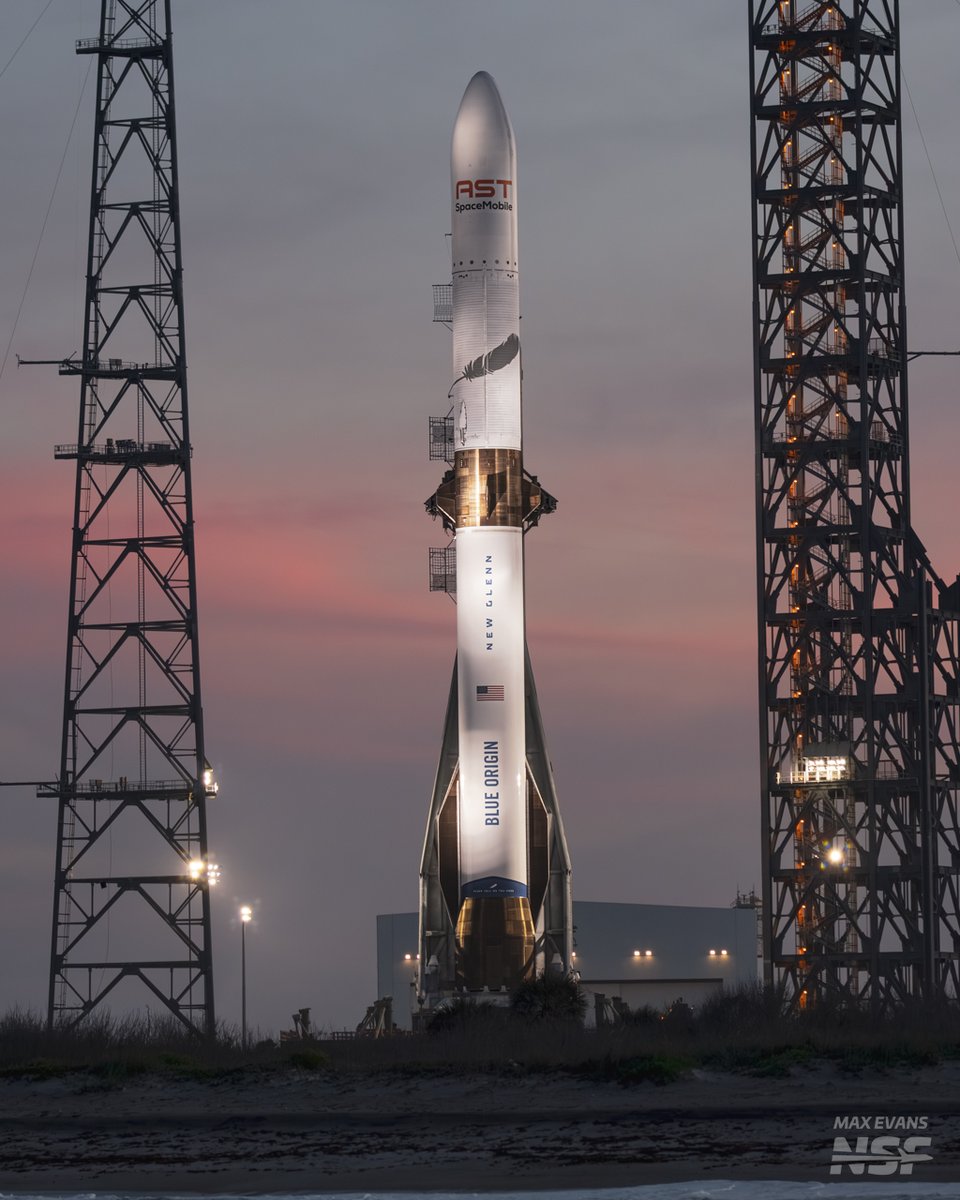
The stage is set at LC-36 for @blueorigin and their New Glenn rocket, aiming to launch @AST_SpaceMobile's BlueBird 7 satellite into orbit no earlier than tomorrow morning.
This is Blue's first attempt to reuse GS1 booster, "Never Tell Me The Odds", marking a significant milestone in the New Glenn program and the company's long-term vision of reusable orbital-class hardware.
The two-hour launch window opens at 6:45am EDT - go NG-3!
📸 - @NASASpaceflight
Voyager is slowly going dark.
NASA has been forced to shut down one of Voyager 1’s science instruments to keep the legendary spacecraft alive.
After nearly 49 years of continuous operation, engineers have officially powered down the Low-Energy Charged Particle (LECP) sensor on Voyager 1, now located more than 15 billion miles from Earth.
The move was not due to instrument failure, but rather a deliberate survival strategy. The spacecraft’s plutonium-powered generators lose about four watts of electricity every year. By deactivating this instrument, mission controllers hope to prevent a critical power shortage that could cause the entire spacecraft to shut down permanently.
At this immense distance, communication is extremely challenging — it takes roughly 23 hours for a signal to travel one way between Earth and Voyager 1. Although the loss of the particle sensor ends that particular data stream, two other key science instruments remain active, continuing to send back valuable information from interstellar space.
NASA is now exploring even stricter power-saving measures to extend the mission as long as possible. This latest shutdown is expected to buy Voyager 1 at least one more year of operation, allowing humanity’s farthest-reaching explorer to keep sending data from the edge of the solar system and beyond.
The spacecraft may be fading, but its journey is far from over.
Katherine Johnson, whose precise calculations helped ensure the success of the Mercury and Apollo space missions, including the historic Apollo 11 moon landing.
What would you ask our @NASAArtemis astronauts traveling around the Moon?
Reply with your questions and the crew may choose a few to answer during their journey.
Artemis II successfully deployed 4 CubeSats in high Earth orbit.
These satellites, developed with our Artemis Accords partners @DLR_en,
@CONAE_Oficial, @with_KASA, and
@saudispace, will demonstrate radiation research, space weather monitoring, and new technologies that will be critical to advancing future deep-space exploration.
Pleased to share my favorite high-resolution capture of the Artemis II launch- the moment the SLS is clearing the tower, captured by a sound-triggered camera placed near the pad.
I'll have prints linked in my bio for this one, and here's a short thread about how it was captured
Signal acquired! 📡
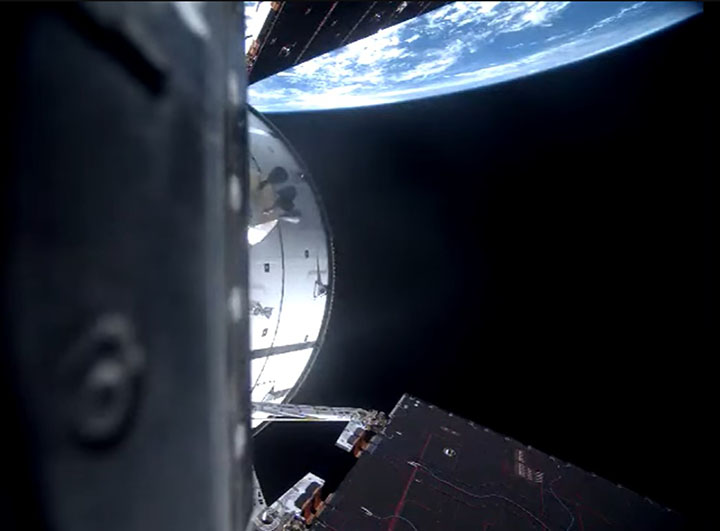
Engineers at @NASAJPL have confirmed that the Orion spacecraft is communicating with the Deep Space Network. For the first time in over 50 years, we’re receiving a signal from a spacecraft carrying humans toward the Moon.