Mise à jour du 14 juin 2026 sur la guerre imposée par le régime de Kinshasa :
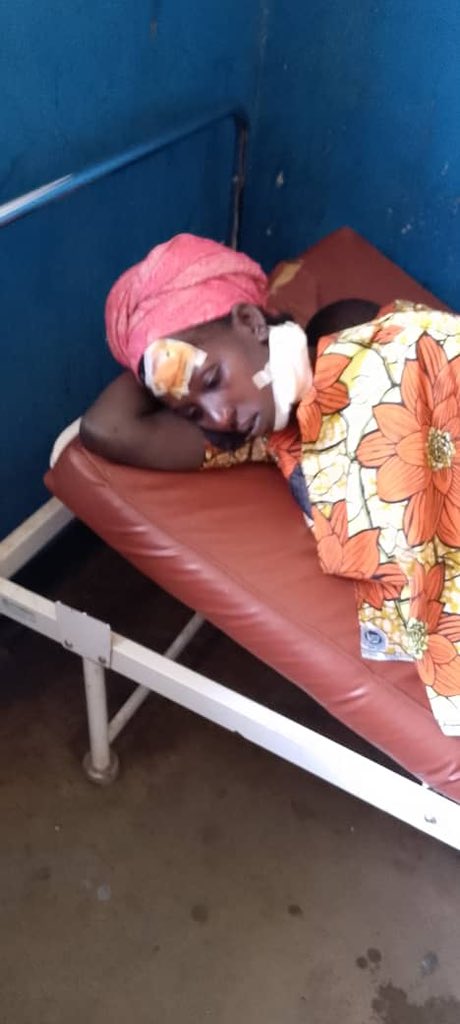
Depuis 6h45 ce dimanche 14 juin 2026, de violentes attaques menées par les forces coalisées du régime de Kinshasa contre les zones densément peuplées de Bidegu, Rugezi, Mikenke et Ruhinamavi sont en cours. Ces opérations mobilisent simultanément des troupes au sol, de l’artillerie lourde ainsi que des drones de combat de type KT-6 et kamikaze, entraînant des pertes en vies humaines et le déplacement forcé des populations civiles.
L’AFC-M23 informe l’opinion publique que ses forces demeurent pleinement mobilisées afin d’assurer la défense des populations civiles et la protection de leurs biens face à cette campagne d’épuration ethnique visant nos compatriotes Banyamulenge.
Our people in Minembwe are under attack, yet the world remains silent,While powerful actors chase mineral deals and political interests, innocent families are paying the price. We will continue to stand with our communities and defend civilians.
While those who are the witnesses of Doha accord have left Tshisekedi to do whatever he pleases, the people of Minembwe continue to live under the terror of drone bombardments.
Families are losing loved ones. Children are going to bed not knowing whether they will wake up alive. Mothers and fathers are forced to choose between fleeing their homes or risking death under the next strike. Entire communities are being traumatized while those responsible face no meaningful accountability.
The most troubling question is not only why these attacks continue, but why the international community remains largely silent. When governments accused of targeting civilian populations continue to receive diplomatic support, political legitimacy, and military cooperation without consequences, what message does that send to the victims?
Human rights cannot be selective. Civilian lives cannot matter only when it is politically convenient. The people of Minembwe deserve the same protection, the same compassion, and the same international attention afforded to victims elsewhere in the world.
History has shown that silence in the face of suffering is never neutral. Every day without accountability is another day that innocent civilians remain exposed to violence.
The world must stop looking away. The lives of the people of Minembwe matter. Their suffering matters. Their voices deserve to be heard before more innocent lives are lost.
#Minembwe #DRC #HumanRights #ProtectCivilians #Peace #Justice #Accountability #Africa #EndTshisekediInpunity
A drone attack on Ilundu village in Minembwe during the night of June 6–7, 2026, killed two civilians, injured six others, including children, damaged a primary school, and raised concerns about civilian protection.
@SecRubio@UN@hrw@realDonaldTrump@KagutaMuseveni@WhiteHouse
#RDC - Parlons de drames de Kasika et Makobola - souvent mal représentés.
Le gouvernement Tshisekedi se sert d’exposés partiaux et tribalistes pour développer un narratif sélectif autour du #RapportMapping, aujourd’hui transformé en « genocost ». Les gouvernants congolais ne se demandent pas pourquoi le Rapport Mapping couvre la période 1993-2003, c’est-à-dire une période qui débute sous le régime de Mobutu, à l’époque du Zaïre. Quels événements ont eu lieu durant ces années ? Et puisque la guerre de l’AFDL n’avait pas encore commencé et que l’intervention du Rwanda n’avait pas encore eu lieu, qui étaient alors les auteurs des massacres ?
Sans véritable souci ni curiosité scientifique, certains gouvernants congolais, des acteurs de la société civile et @DenisMukwege sélectionnent certaines données comme si elles représentaient l’ensemble du rapport. Ils déforment ainsi son contenu ou utilisent, dans des conférences officielles, des images sans lien avec le Rapport Mapping. Des lieux de mémoire ont été créés autour de dates que Mukwege présente comme des crimes attribués soit au Rwanda, soit aux Tutsi.
@nestormukendi écrit dans son livre que @DenisMukwege :
« a mobilisé politiciens et activistes en mal de visibilité populaire dans une grotesque campagne pour la consécration d’une “journée commémorative du génocide congolais”, dont les dates et faits marquants seraient les jours des massacres imputés à la rébellion tutsi (massacres de Lemera, de Tingi-Tingi, de Makobola, de Kasika, la guerre de Kisangani). Avec ce soubassement mémoriel partiel et partial, occultant la violence ethnique et rwandophobe provoquée par les recommandations de la “Commission Vangu” du HCR-PT, ces plaidoyers pour la mise en œuvre de celles du Rapport Mapping suggèrent bien un processus punitif, visant moins la satisfaction d’un besoin collectif de vérité, de justice et de réconciliation qu’une excitation des haines et rancœurs ancestrales et leur assouvissement continuel. »
À Makobola, où sont enterrées les victimes des événements tragiques du 30 décembre 1998 au 1er janvier 1999, un monument a été érigé en leur mémoire. C’est un acte noble. Mais sur cette même route, à Nganja, Baraka, Lweba, Nundu, Bwegera et Kamanyola, d’autres Congolais ont également été massacrés. Au contraire, pour effacer les mémoires, les ossements de membres de la communauté banyamulenge auraient été exhumés puis jetés dans le lac Tanganyika. Une autre raison avancée serait la volonté d’effacer les traces des crimes au cas où une enquête aurait été ordonnée.
Kasika
À Kasika, du 24 au 27 août 1998, des militaires congolais du RCD, issus de différentes ethnies, ont sans aucun doute commis des atrocités. Toutefois, ceux qui ont participé à ces massacres n’ont pas agi ni au nom de leurs tribus, ni au nom du Rwanda ou de la rébellion du RCD.
Quatre commandants de la rébellion du RCD voyageaient de Kindu vers Bukavu avec leurs escortes. Ils avaient informé le Mwami de Kasika de leur passage. Mais ils sont tombés dans une embuscade tendue par les Mai-Mai à Kalambi, à une douzaine de kilomètres de Kasika-centre. La bataille s’est déroulée au milieu de la population civile durant quatre jours. Il y eut plusieurs centaines de victimes, parmi lesquelles des religieuses.
Les militaires du RCD, ayant perdu leurs commandants dans cette attaque, se sont livrés à un carnage contre les civils. Tous les criminels — militaires du RCD comme combattants Mai-Mai — doivent être condamnés.
Diverses sources locales indiquent que les attaquants Mai-Mai, à l’origine de cette tragédie, auraient tendu ce piège afin de pousser le chef de collectivité de la chefferie de Luindi à adopter une position radicale contre les rebelles du RCD. Des rivaux banyindu auraient voulu le compromettre en l’exposant à la colère des militaires traversant son territoire afin de le remplacer. Leur stratégie semble avoir réussi. Tous les responsables doivent être condamnés ; ce crime ne devrait pas être imputé collectivement à une communauté, une rébellion ou un pays entier.
Makobola
À Makobola également, des militaires du RCD — des Congolais issus de différentes tribus — étaient impliqués. Ils sont presque tous à Kinshasa et d'autres sont aujourd'hui des agents de la securité en RCD. L’un des commandants était un Mukongo originaire de Mbanza-Ngungu, au Bas-Congo. Pris dans une bataille et sous les tirs des Mai-Mai et des combattants du FDD/FNDD, ils auraient utilisé la population de Makobola comme couverture et bouclier humain, exposant ainsi les civils à une tragédie.
Ces événements illustrent la complexité des conflits dans l’est du Congo : les manipulations identitaires et instrumentalisation de la mémoire collective. Toute analyse sérieuse de ces drames exige donc rigueur historique, prudence et refus des généralisations ethniques.
#RDC: “À l’instant même, des frappes de drones d’une extrême violence s’abattent sur des zones densément peuplées de Minembwe, semant la terreur et la désolation parmi les populations civiles. Des habitations sont détruites dans des scènes d’apocalypse indescriptibles, tandis que des familles entières fuient sous les explosions et les flammes” @LawrenceKanyuka
URGENT — MINEMBWE UNDER A HAIL OF FIRE
At this very moment, extremely violent drone strikes are hitting densely populated areas of Minembwe, spreading terror and devastation among civilian populations. Homes are being destroyed in indescribable apocalyptic scenes, while entire families flee amid explosions and flames.
#Rdc
Au son de Tshisekedi voleur, Tshisekedi assassin..., une foule impressionnante des congolais de la diaspora manifeste à l'instant devant le quartier europeen de #Bruxelle en #Belgique. L'objectif est d'attirer l'attention des autorités européennes sur la derive dictatoriale instaurée en #Rdc par F. Tshisekedi. Juste après, une conférence, avec plusieurs intervenants, est prévue. Je suis sur la liste des panelistes et je devais aborder la question des restrictions des libertés d'expression, d'opinion et d'entrave au travail des journalistes. Malheureusement, mon agenda ne le permettra pas. De là où je suis, j'envoie toutes mes forces à ces compatriotes. F. Tshisekedi est un vrai problème pour notre pays et il n'est pas du tout à sa place. Force et courage chers compatriotes.
On May 15, we gather in Brussels in a peace protest denouncing the ongoing genocide against Banyamulenge and all the Congolese Tutsis. The killings, displacement, hate speech, and persecution targeting Banyamulenge & Hema communities in Eastern DRC cannot continue in silence.
The drone strike in Mushaki constitutes a grave violation of International Humanitarian Law and raises serious concerns regarding the conduct of the Congolese government. Located approximately 20 miles from Goma and far removed from active frontlines, Mushaki was not an immediate zone of military engagement. The attack resulted in the deaths of 22 civilians and left hundreds more injured, prompting urgent questions about the intentions and strategic objectives behind Kinshasa’s actions.
Such conduct reflects a disturbing level of irresponsibility and recklessness that warrants unequivocal international condemnation, alongside calls for accountability on the part of President Félix Tshisekedi. Following the events of March 11, including the killing of a United Nations staff member in Goma by a drone strike, as well as the continuing drone attacks reported in Minembwe and Masisi, there is growing concern over an escalating pattern of violence against civilians and non-combatants.
In light of these developments, the United States and the broader international community should adopt a clear and unambiguous position in condemning these actions before the situation deteriorates further. No political or economic considerations, including ongoing mineral agreements with the United States, should place any government or leader above the rule of law and established international norms.
We therefore call upon the United States, in its leadership role within this conflict, to uphold higher moral and ethical standards in responding to these violations and in promoting accountability, civilian protection, and adherence to international law.
@StateDept@SecRubio@StateDept@US_SrAdvisorAF@HouseForeign@HouseForeignGOP@PatrickMuyaya@kayikwambaT@IsokoUSA@CranePrevention@PaulKagame@KagutaMuseveni@Presidence_RDC@TiborPNagyJr
I want to clarify that this perspective is more complex. What I mean here is that the FDLR ideology spread across the border before FDLR combatants themselves did. In other words, the ideology is rooted in several historical and political factors:
1. The colonial legacy, particularly the manipulation of ethnic identities in Rwanda, Burundi and eastern Congo. As in Rwanda, the ideology of ethnic difference, introduced and institutionalised during Belgian colonial rule and promoted by figures such as Mgr Perraudin, contributed to the ethnicisation of non-Tutsi populations and the racialisation of the Tutsi.
2. Colonial racial theories of "othering" and dehumanising the Tutsi affected eastern congo too
3. The role of Habyarimana in the DRC, including through MAGRIVI campaign in North Kivu.
4. FDLR found a hospitable environment in the DRC - there was an already shared anti-Tutsi ideology that had been "enriched" in intensity in Rwanda
5. There were ethnocentric policies in the DRC during the period of the genocide against the Tutsi in Rwanda. Extremist political actors in then Zaire acted according to what was going in Rwanda in 1994. There was mutual influence.
6. There was a reluctance of many DRC political elites, churches and a large part of the civil society to acknowledge the genocide against the Tutsi in Rwanda.
7. The current phenomenon of Wazalendo draws on anti-Tutsi narratives and propaganda
From this perspective, the FDLR should be understood not only as an armed group, but also as a broader ideological network. In that sense, individuals who promote similar rhetoric are seen as aligned with its worldview.
Proud to share my Personal Mission video as a student committed to learning. Representing the Banyamulenge story with purpose and hope. I encourage fellow Banyamulenge youth to step forward, share your voices, and use your education to uplift our people and shape a better future.
Footage of WFP delivering food aid in South Sudan.Why is this help not reaching Minembwe?
Minembwe is under a blockade, high food prices, no basic needs.
But beyond aid, we need justice, an end to violence against Banyamulenge.
#banyamulengecantbreathe@WFP@hrw@UNHumanRights
Banyamulenge communities have received help from CICR, but the reality remains difficult. A blockade is cutting off access to food, prices have
skyrocketed, and families are being pushed into hunger. More urgent action is needed.
#banyamulengecantbreathe@US_SrAdvisorAF@CICR_fr
Minebwe residents now witnessing ICRC neutrality and aid delivery, including medical kits to local hospitals, following international pressure and Switzerland-based talks.
#Minembwe#SouthKivu
After a long period of humanitarian blockade in #Minembwe, the International Committee of the Red Cross @ICRC broke through the battlefield and is reported to have reached #Minembwe centre.
Humanitarian assistance is highly needed across the Eastern #DRC and #Minembwe was among localities where it is SEVERE. Thank you all who voiced to save civilian’s lives.
From now on, belligerents must be compelled to abide with international humanitarian law and guarantee safe, sustained humanitarian access.
The protection of civilians and mostly those most at risks should be a concern for the international community and I hope that @MONUSCO is prepared to meet these challenges.
I’m sure local populations will acknowledge the courage of @ICRC teams and their commitment to supporting vulnerable communities.
A Neglected atrocities:
https://t.co/CGkFdEP64Z