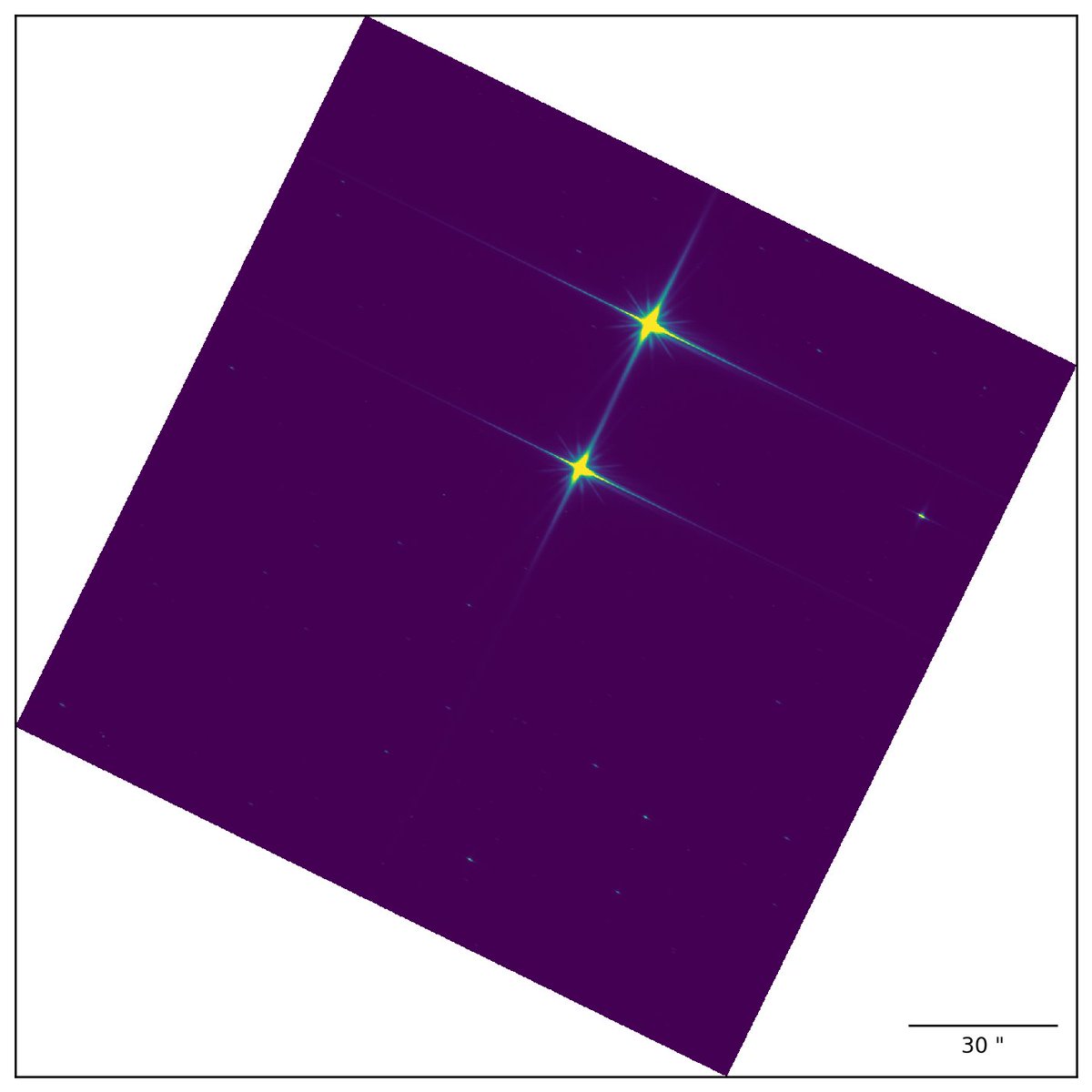
Attention #GaiaData users: Gaia data release 4 (#GaiaDR4) is planned for 2 December 2026. This data release is the first principal data release of the Gaia mission, covering data collected during the first 5.5 years of observations. More details: https://t.co/9ou7aX6a7K
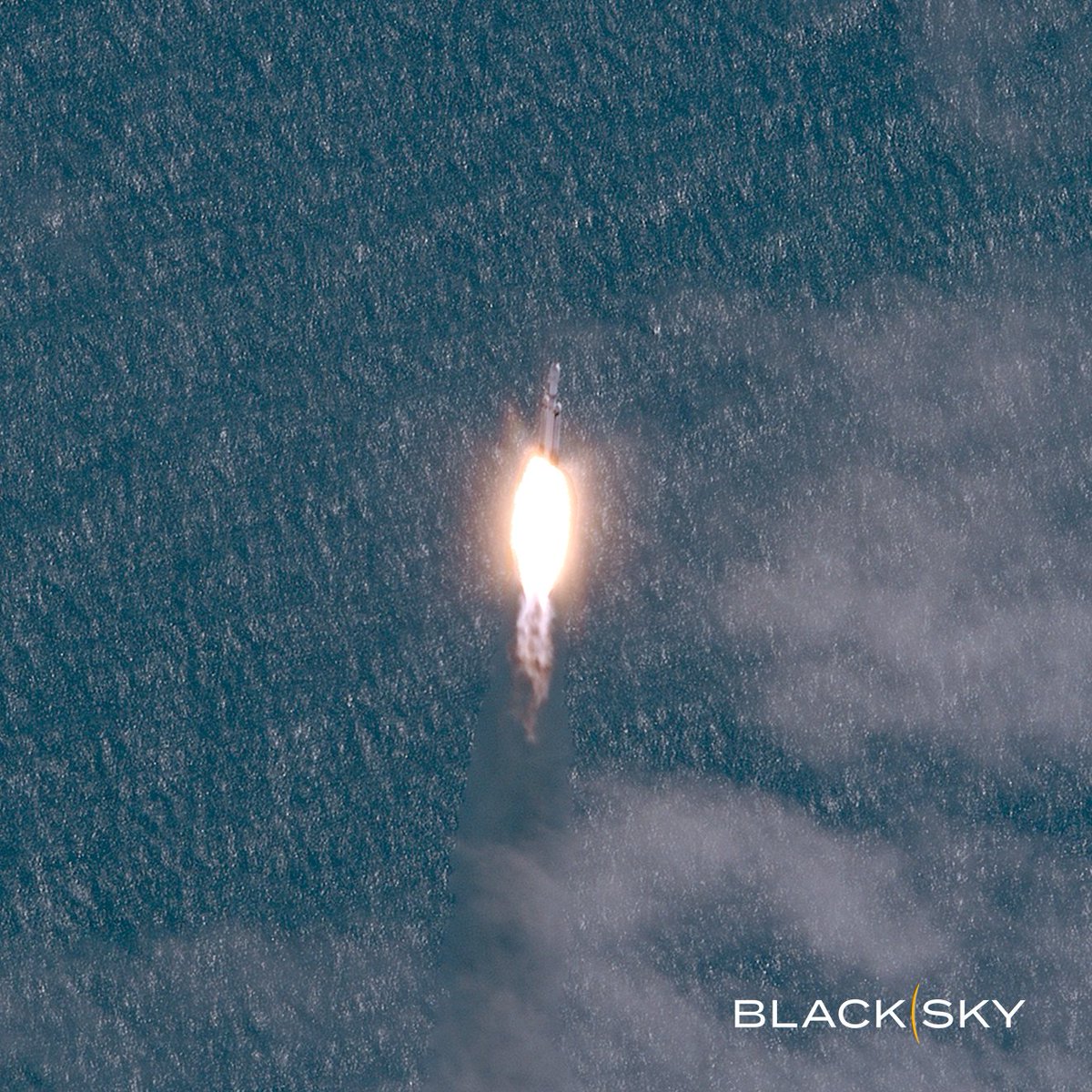
Timing is everything. Check out these images, taken today, of Launch Complex 39A at Kennedy Space Center. At 07:29 local time, Gen-3 captured an extreme off-nadir twilight shot of a SpaceX Falcon Heavy rocket on the pad before again catching the vehicle in flight at 10:13, 38 seconds after launch, as it was traveling more than 400 miles per hour.
With time-diverse imaging capabilities and flexible imaging modes, Gen-3 sees relevant activity at all hours of the day.
Traditional rocket fairings fall away as part of the launch process, making them either expendable or requiring recovery assets to capture and reuse them. Neutron rethinks this equation with the Hungry Hippo fairing.
It stays attached to Neutron’s first stage, opening to release stage two and the payload during launch, before closing up and landing as complete unit with stage one, ready to launch again. It's all part of driving down launch cost and increasing launch cadence to give constellations better access to orbit.
A never-before-seen planet! 🪐
This is Webb’s first discovery of a planet using direct imaging. With a mass similar to Saturn, it’s also the lightest exoplanet yet seen using this technique!
https://t.co/ptWcXlFfmW
@DAVIDPARENZO@patagarri Con tutta la mia non conoscenza dei Patagarri possiamo pure dire che, allo stesso tempo, la performance di Israele di prendere una nota terra palestinese e storpiarla ammazzandoli tutti non è manco sto capolavoro.
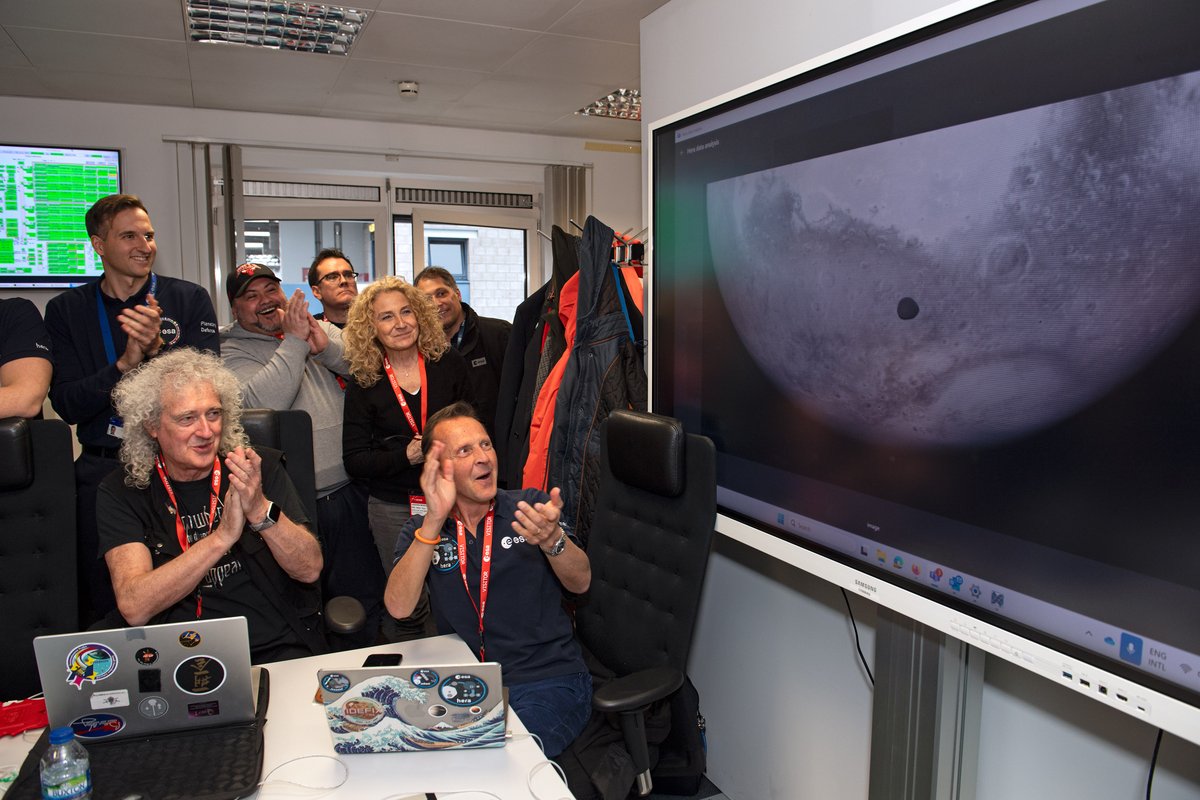
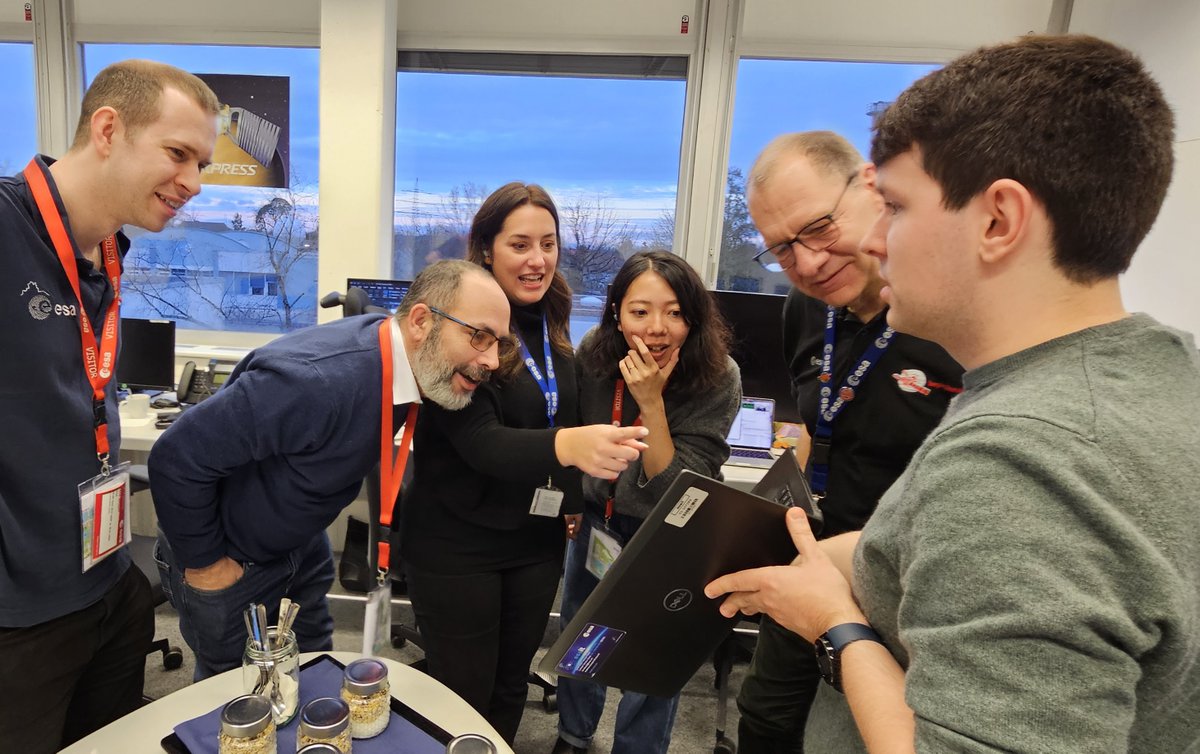
Our #HeraMission science team, including @DrBrianMay of @QueenWillRock, were amazed as the first images came in from the spacecraft's gravity-assist flyby of Mars and martian moon Deimos - see why here: https://t.co/RyEHaXpTbj
Happy 4 (Earth) year anniversary of @NASAPersevere's landing on Mars! 🥳 The rover touched down in Jezero Crater on February 18, 2021. Watch the full EDL event with multiple camera angles from @NASAJPL here: https://t.co/YAK31XBjTy
🚨 Comet C/2024 G3 (ATLAS) is ablaze !! I can hardly believe the spectacle we're witnessing, and it's only improving 🤯 I captured this image on January 18 during twilight at the ESO Paranal Observatory in the Atacama Desert, Chile. The comet sets later each night, offering exceptional imaging opportunities. Visually, its tail stretches an impressive 10-12 degrees. Therefore, I adjusted the focal length down to 85 mm to capture the full extent.
#comet #c2024g3 #atlas #paranal #eso #chile #twilight #astronomy #astrophotography #canon #planitpro #alerta
Today a special story is published on Gaia Cosmos. If you love astronomy history 👉🏿https://t.co/YFFr81nT0Y
This visual from 61 Cygni was taken only days ago by Gaia, marking the end of Gaia's science observations. It is an iconic star. Why? Learn all about it in the story!
Time lapse of Friday night's #Mars covering 3.5 hours of real time. Some flickering due to changing conditions, clouds, focus drift and me switching to ADC midway. 63 x 7000 x 8 ms RGB in Celestron 8" + 2.5x powermate + ADC.
I REALLY can't get over just how beautiful this comet is in our LASCO images! I mean, I've seen more than a handful of comets over the years (~5,200 to be exact - not that I'm counting...) But I've really gotta say... this might be the pick o' the bunch right here. WOW 😱😍☄️☀️🔭
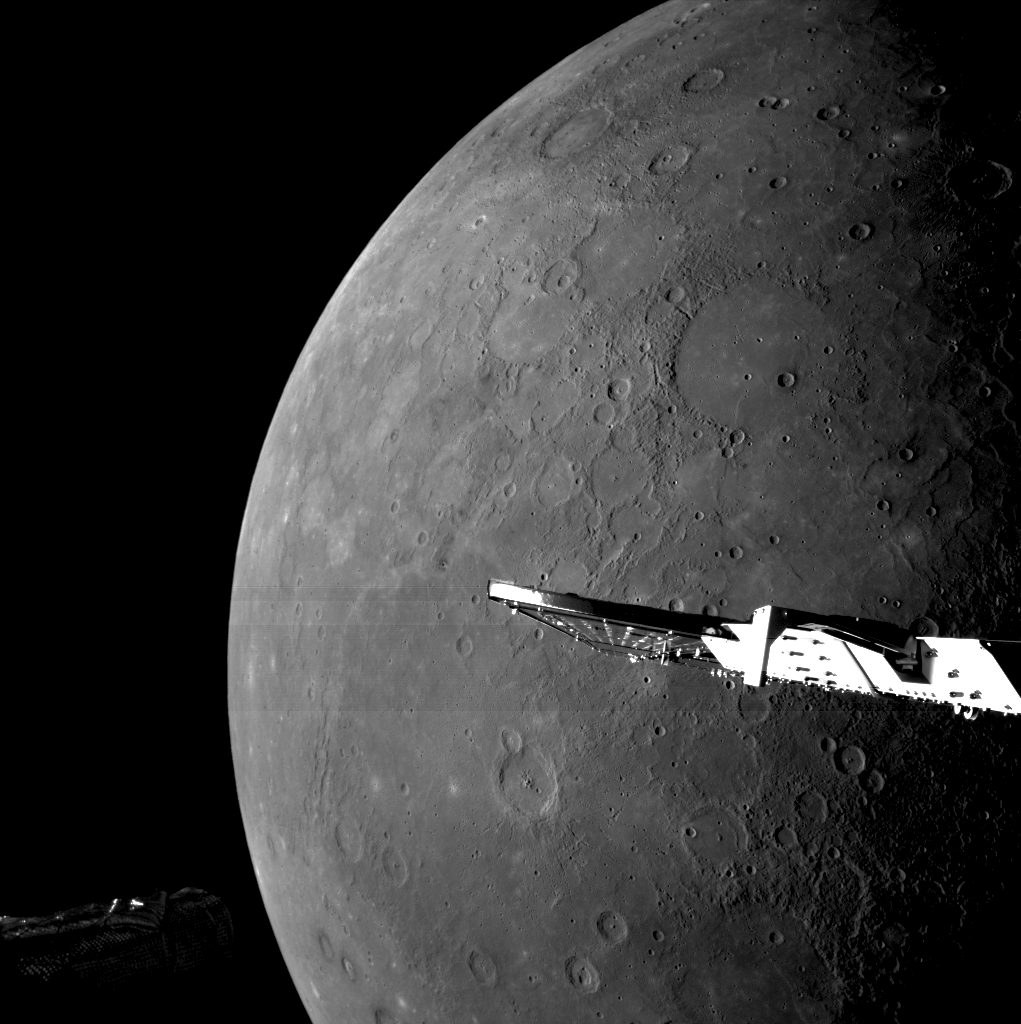
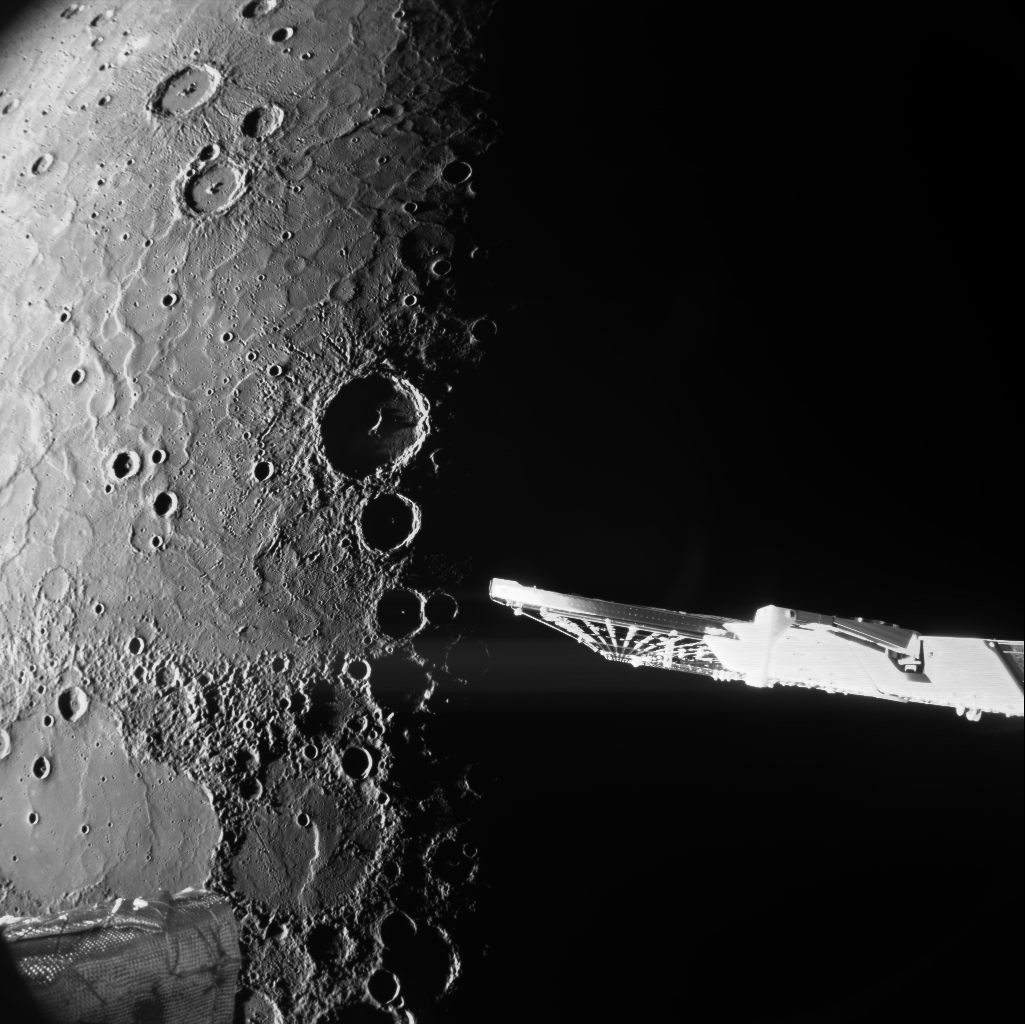
Our top three images from the sixth Mercury flyby are here! 🌗
See what they reveal about the mysterious planet here 👉 https://t.co/9cLKYf5STe and in 🧵👇
Images and other scientific data from this morning's close approach to Mercury by #bepicolombo are safely on the ground! We'll be sharing images from the closest approach tomorrow.
🛰️🌑We're gearing up for BepiColombo's sixth Mercury flyby, coming up this Wednesday!
ℹ️Closest approach is 295 km at 06:59 CET
We'll investigate Mercury's cold night side, north pole craters, and the vast northern plains
👇https://t.co/ec7qs13G4E
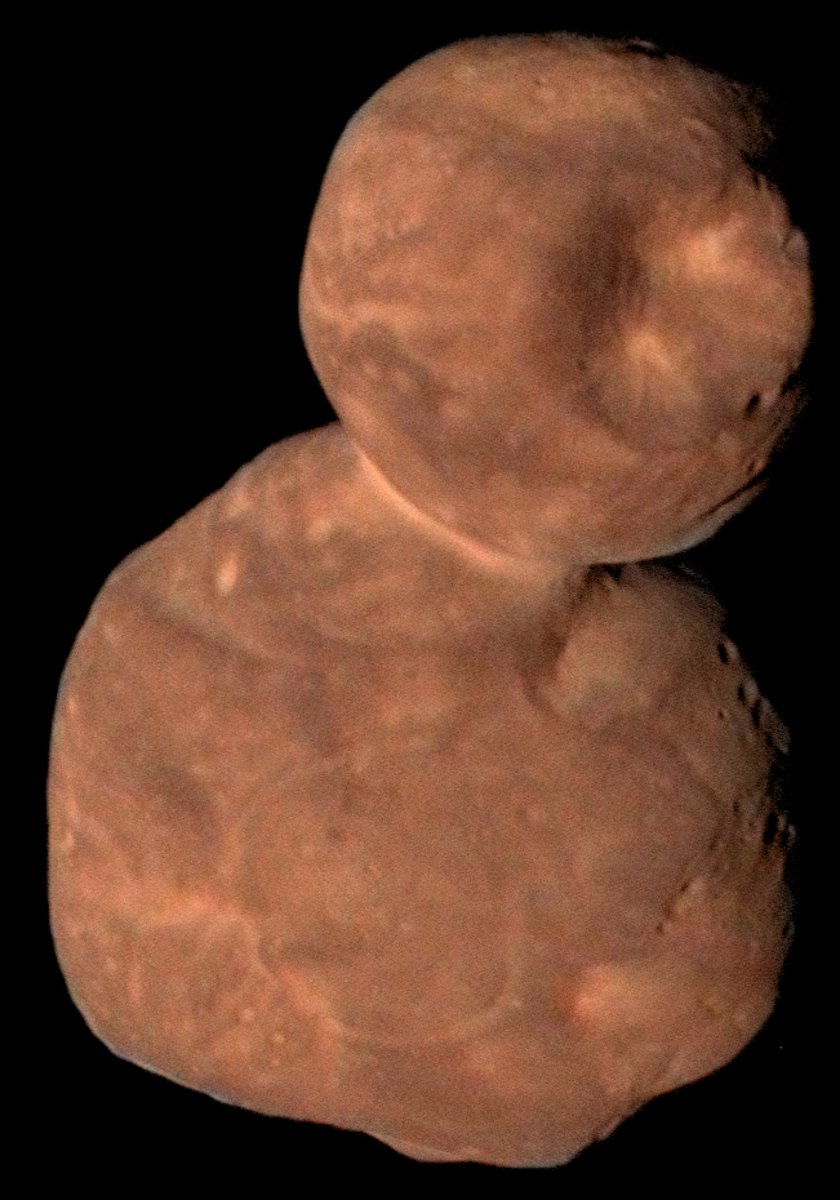
#OTD 6 years ago, New Horizons made the first-ever flyby of an object in the Kuiper Belt 4 billion miles away: Arrokoth! This snowman-shaped relic offers a glimpse into the solar system's early days. Learn more: https://t.co/Xbml6dps7e
@NASASolarSystem