Assistant professor @OhioStateSurg. Designing new strategies to treat pancreatic cancer patients with #immunotherapy. PhD trainee advocate. Tweets are my own.
So… doing a good job at science doesn’t count for anything anymore. What’s the point then? How do I look a trainee in the face and say “In this career, if you do strong work over time and keep publishing, it will work out”?
Exciting news from @OSUCCC_James#PIIO👏
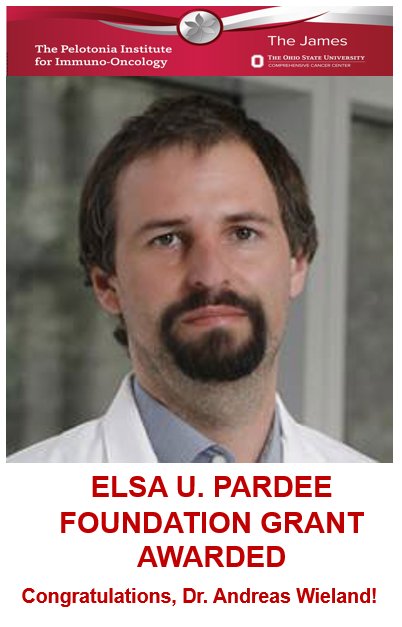
Congratulations to @A_Wieland_PhD on receiving support from the Elsa U. Pardee Foundation for his project, “Targeting intracellular oncoproteins with innovative antibody-based therapeutics.”
Advancing the future of cancer immunotherapy—well done! 🧬✨
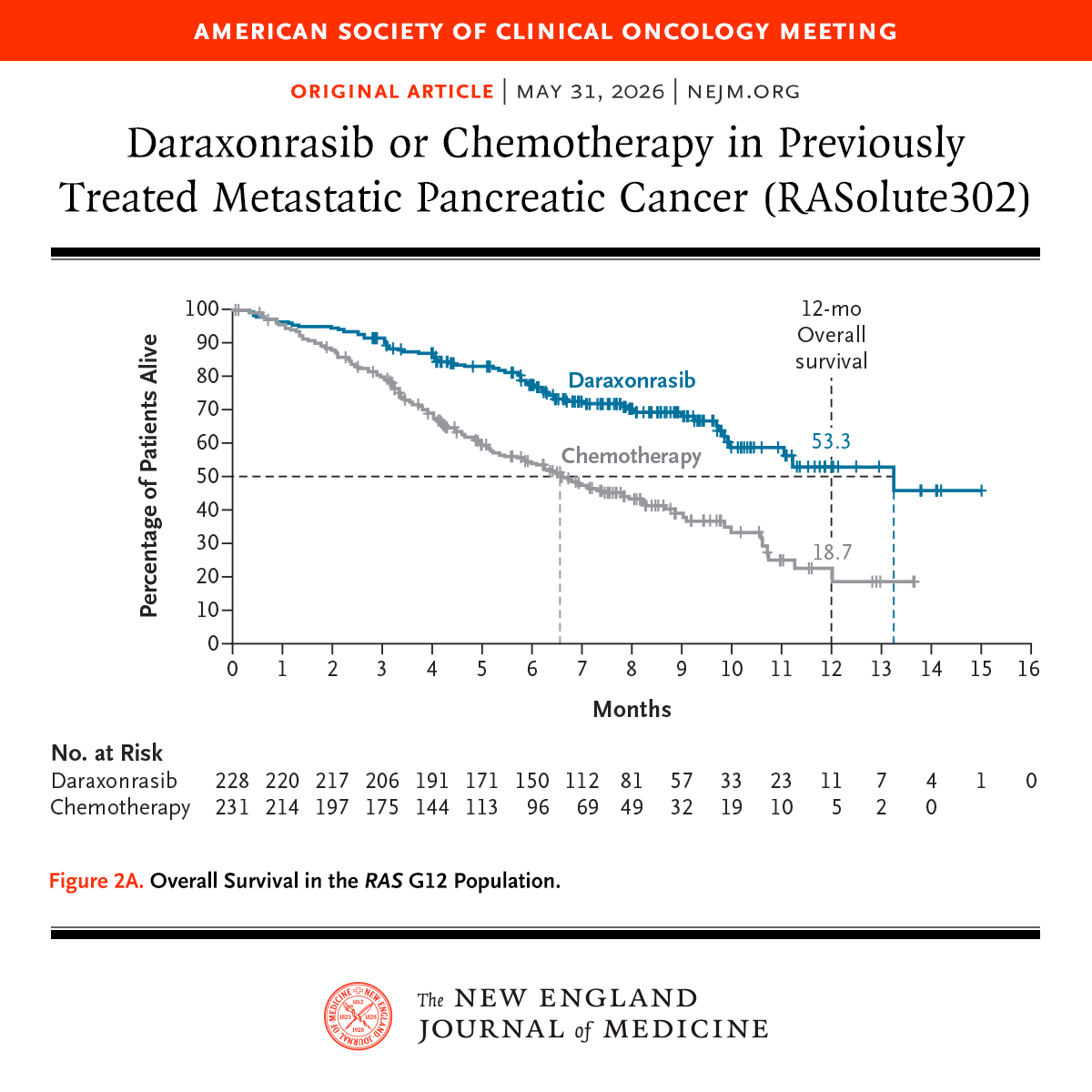
Presented at #ASCO26:
Among patients with previously treated metastatic pancreatic ductal adenocarcinoma, the RAS(ON) inhibitor daraxonrasib led to significantly longer overall survival and progression-free survival than chemotherapy. Full phase 3 RASolute 302 trial results: https://t.co/xwLWBZYRzq
@ASCO
Every ASCO plenary drug started as an NIH grant nobody noticed.
This year’s 5 plenary drugs trace back to:
▫️2,762 NIH grants
▪️$803M in public science
▫️29-41 years of runway
Drugs need decades to mature.
So before you watch the ASCO plenary, look at the staircase.
Then ask: "which drugs will be missing from the 2031 version?"
- - - - -
Source: NIH RePORTER· @asco · via @Jori_health
- - - - -
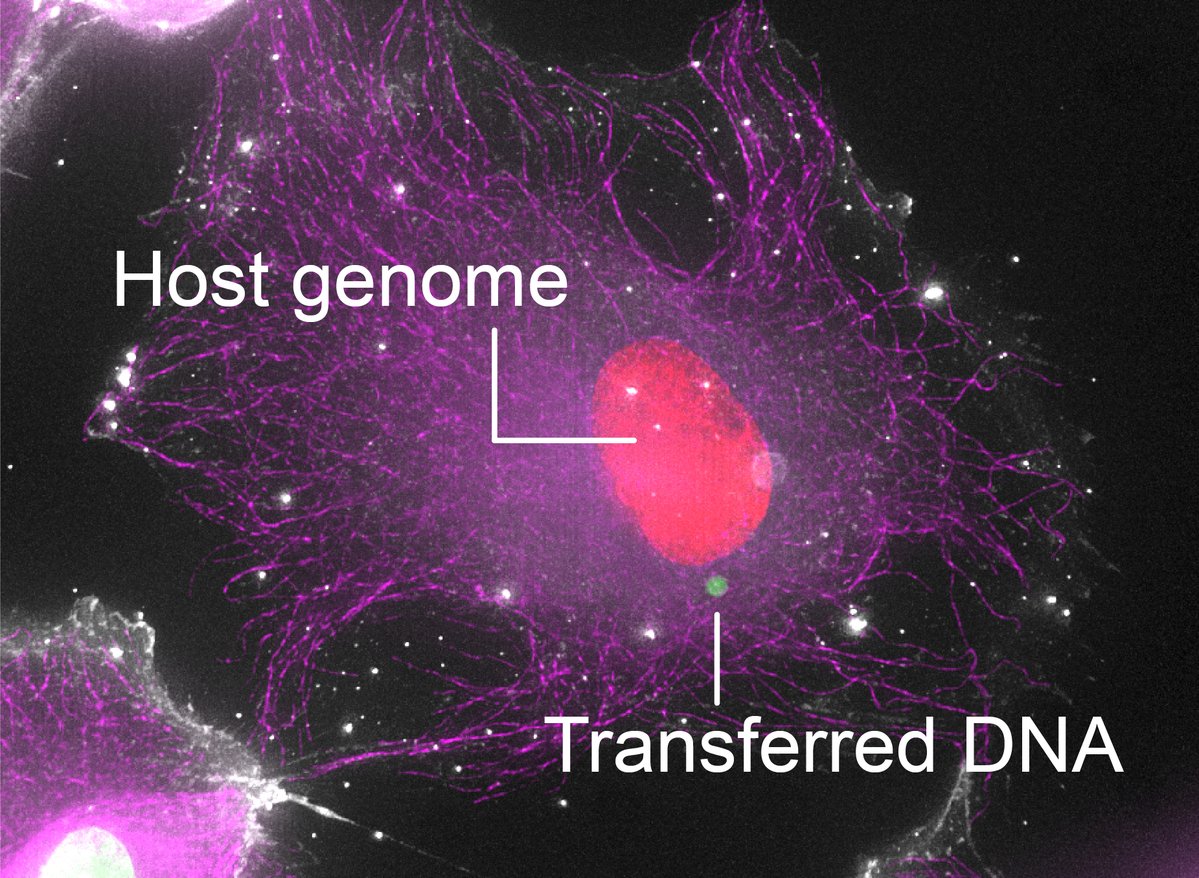
Excited to share our latest paper, out today @CellCellPress. We found that large pieces of the human genome can transfer between cells upon direct contact, endowing recipient cells with heritable phenotypic changes. (1/7)
https://t.co/SbshGhofN0
Cancer survival in the U.S. just crossed 70%.
It was 63% in the 1990s.
That gap = 4.8M people alive today.
This one chart captures survival gains across 29 cancer types.
The wins are real.
So is the unfinished work.
▪️CML: 31% → 72%
▪️Multiple myeloma: 32% → 62%
▫️Kidney: 59% → 82%
▫️Metastatic melanoma: 16% → 35%
▫️Childhood ALL: 80% → 92%
But some cancers barely moved.
Cervical cancer outcomes actually worsened.
None of this is abstract progress, though.
These are birthdays, grandkids, and years of life returned.
This is what funded science does.
Next time someone asks if cancer research works, show them this (full) chart.
- - - - -
Source: ACS Cancer Statistics 2026 · SEER · 𝘷𝘪𝘢 @Jori_health
- - - - -
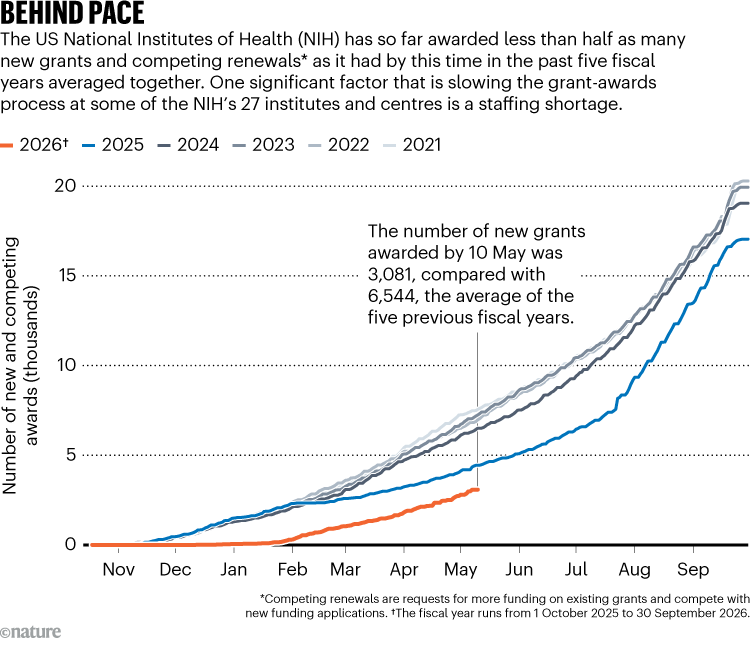
NEW: A serious staffing shortage — of the Trump admin's own making — is delaying the agency's ability to send billions to universities around the US, leaving labs reeling.
“I thought we were at rock bottom”, a senior NIH official said. “We are below rock bottom now.”
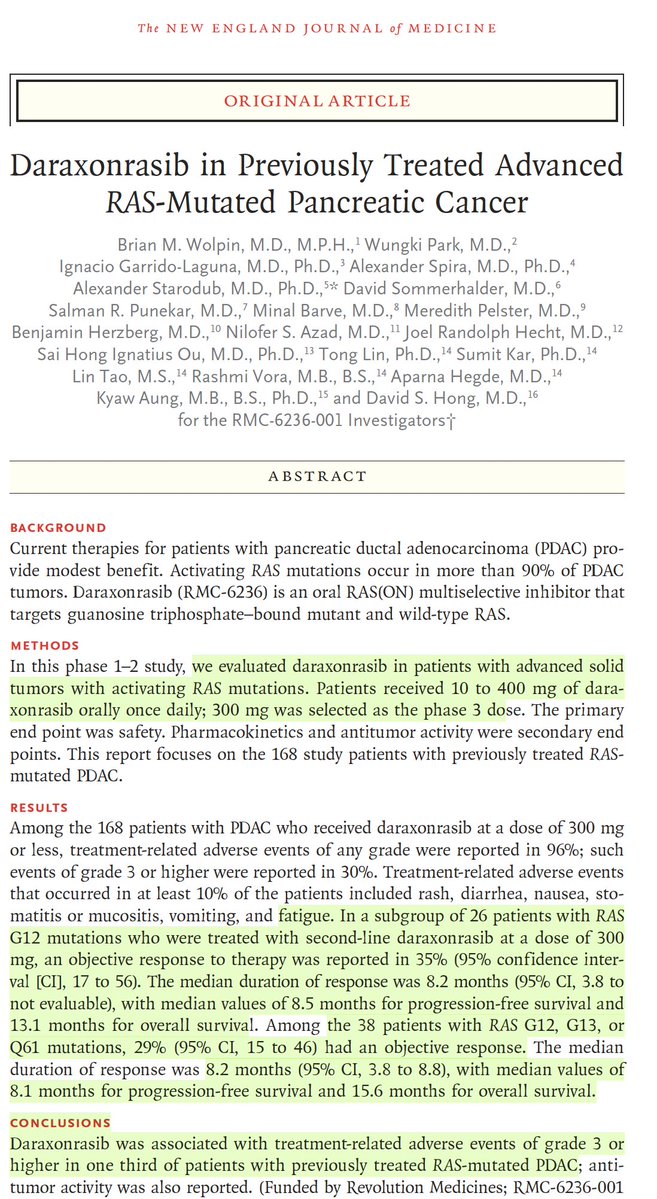
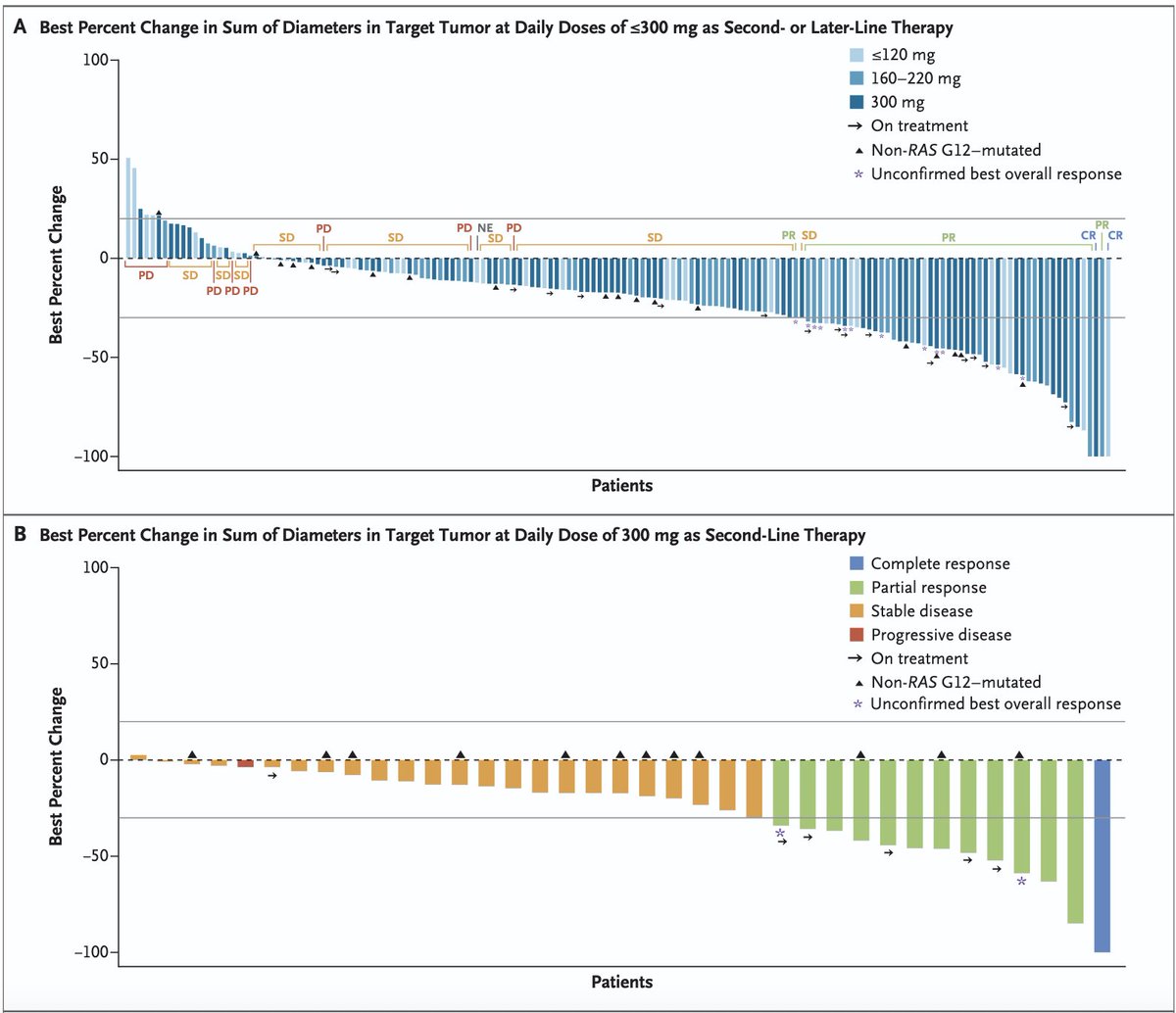
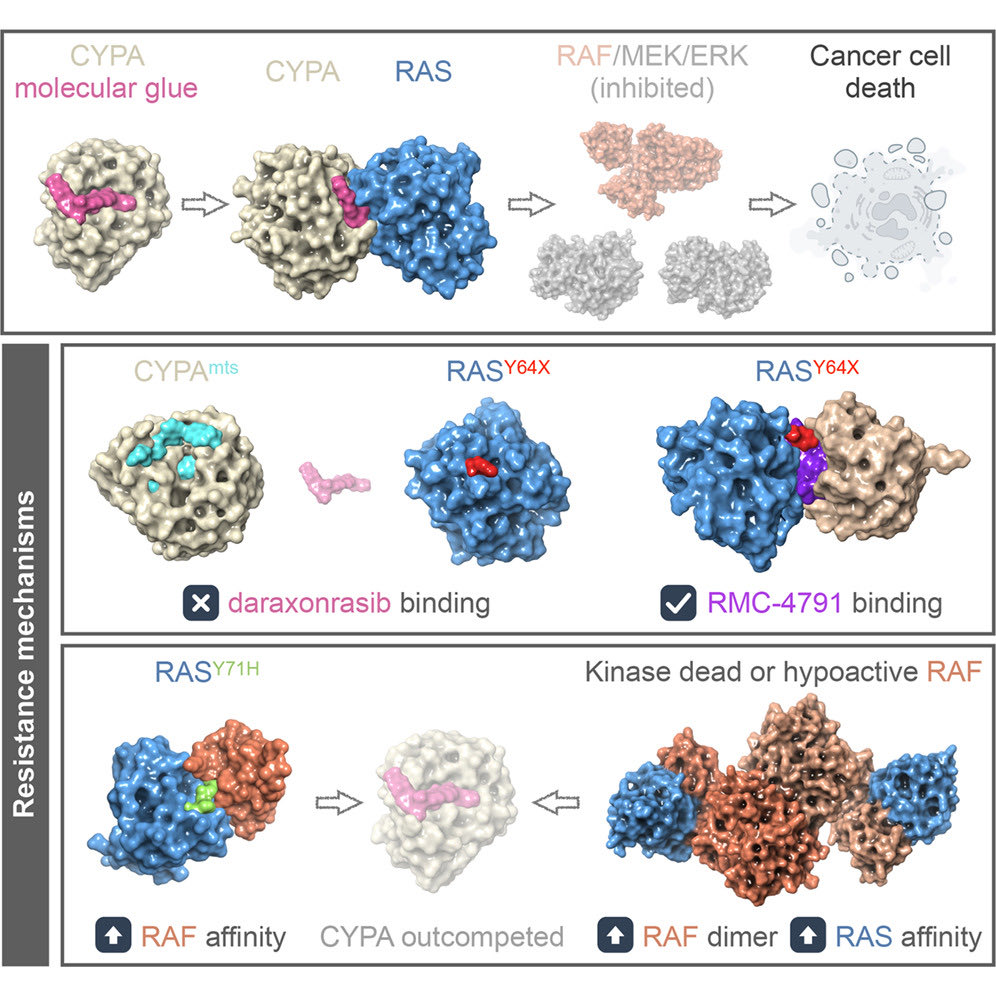
We're seeing major advances vs pancreatic cancer. Today @NEJM data for daraxonrasib @RevMedicines https://t.co/IinceclK6w
Context for this first-in-class molecular glue https://t.co/IinceclK6w
America’s cancer pipeline is breaking at the entry point.
Early-career NCI success now sits at 4%.
1 in 4 used to get a shot.
Now, almost nobody gets in.
This is where new ideas & labs start.
And when you collapse that entry layer:
⇣ next wave of science, gone
⇣ ideas that mature into R01s
⇣ postdocs never become PIs
⇣ entire subfields erased, quietly
Years later we will wonder why there is "nothing" to scale, translate, or turn into survivorship.
An entire generation of breakthrough will never arrive.
- - - - -
Source: NIH RePORTER (via @Jori_health)
- - - - -
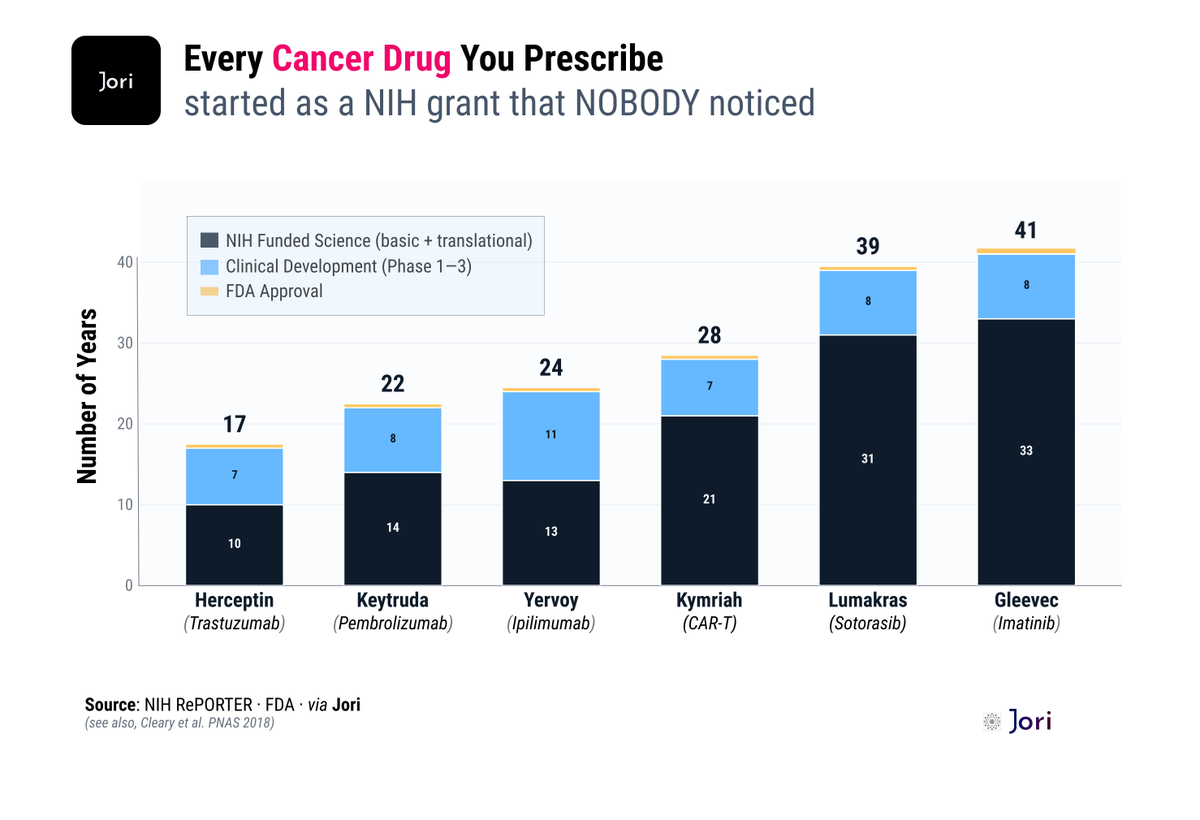
Every cancer drug you prescribe today
was once an NIH grant nobody noticed.
Pharma celebrates launches.
Few notice the 20–40 year runway behind that.
Gleevec took 41 years from NIH-funded discovery of the Philadelphia chromosome → FDA approval.
Behind every “breakthrough” sits a graveyard of failed attempts that made it possible.
Cut that lineage today,
the next Gleevec doesn’t arrive in 2067.
Funded science matters.
If someone says NIH funded science is inefficient,
show them this.
- - - - -
Source: NIH RePORTER · FDA · via @Jori_health
- - - - -
Cancer survival just crossed 70% in the U.S.
It was 63% in the 90s.
That gap = 4.8M people alive today.
Myeloma: 32% → 62%
Melanoma (metastatic): 16% → 35%
Lung (metastatic): 2% → 10%
That is not abstract progress.
These are birthdays, grandkids,
& years of memories restored.
Sure, we have ways to go.
But this is what funded science does.
Next time someone asks if cancer research works,
show them this chart.
- - - - -
Source: ACS Cancer Stats. 2026 + SEER (via @Jori_health)
- - - - -
Slowdowns do not deepen "if the money is flowing"
As of Apr 24:
985 grants issued vs 3,679 median.
That’s a 73% drop.
The curve didn’t rebound, it flattened.
“Money is flowing.” says NCI.
"Show it in grants!" say the PIs.
Right now, the data says the opposite.
Even WaPo and NYT are now catching up to this signal.
- - - - -
Source: NIH RePORTER via @Jori_health
- - - - -
C.D.C. Cancels Publication of Study Showing Benefits of Covid Vaccines
Report found that shots cut likelihood of hospitalizations, but the agency’s acting head said it gave an inaccurate picture of the vaccines’ effectiveness.
@apoorva_nyc#GiftLink
https://t.co/XzCEqWB4PW
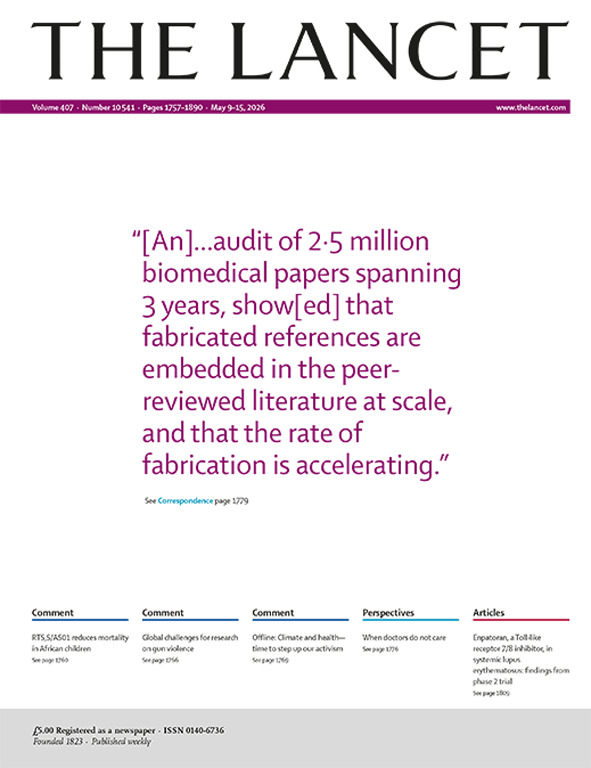
I knew this was coming. We are so f*cked - fake and real now look the same.
We desperately need tools to show journals and researchers that data is real, not AI-generated.
Indeed. I have a 3%ile scored R01 still in limbo at the NIA...with no word if it will get funded. PIs are at breaking points...they need to be able to plan for personnel for one!