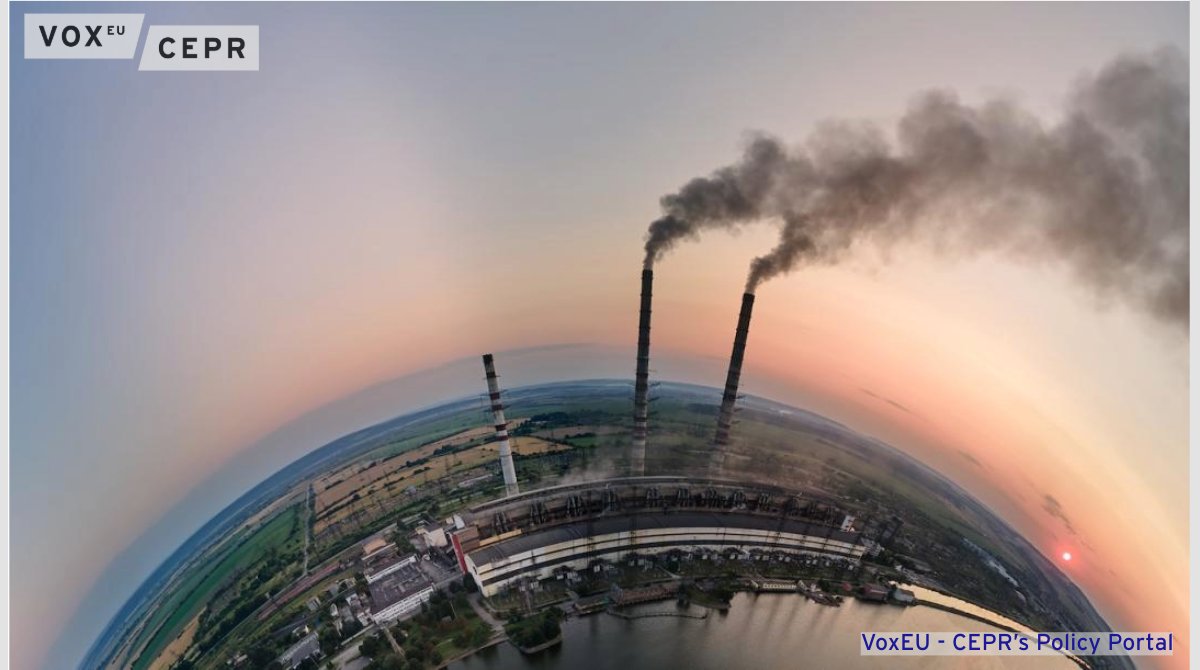
New paper in Nature on the implications of ending poverty on climate change, w/ a more realistic approach than existing lit. Good news: even with the most conservative assumptions, ending extreme poverty can be done without compromising climate goals. https://t.co/S2LFBBqldL
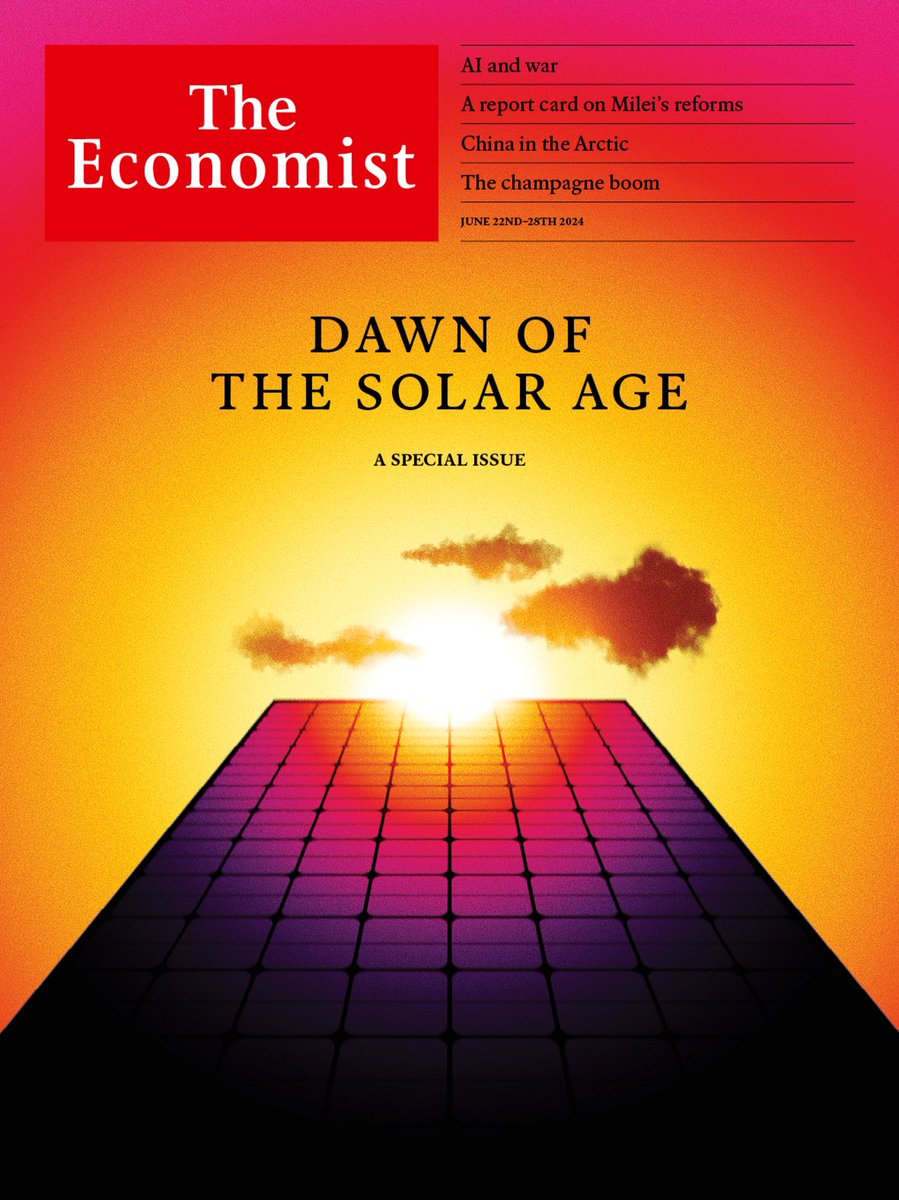
Bold take from @TheEconomist in last issue:
“Solar cells will in all likelihood be the single biggest source of electrical power on the planet by the mid 2030s.”
#Adaptation finance is about more than dollar inflows, although this is vital. It’s about making sure that all investments protect people – esp the most vulnerable – from #climate impacts now and in the future. Blog by @hallegatte Jia Li &me. https://t.co/juR2rnrZR9 @WBG_Climate
Climate change adaptation requires more rapid development, more resilient development, and targeted adaptation. But climate finance numbers only capture the latter. How does the picture change with a broader perspective? New post w @FerzinaBanaji, Jia Li.
https://t.co/2XoyIh6H4I
@cwcallahan45 @ClimateFran The 2 channels are linked. TFP can be hit directly (eg reduced L prod.). But TFP can be affected b/c damages are heterogenous (and capital cannot be reallocated). Misallocation of capital means that the same capital stock K has lower average productivity. https://t.co/imsmZ2qasY
More work needed to represent prevention and preparedness measures, such as debt-financed adaptation investments or contingent credit lines. Many thanks to Florent McIsaac and Charl Jooste!
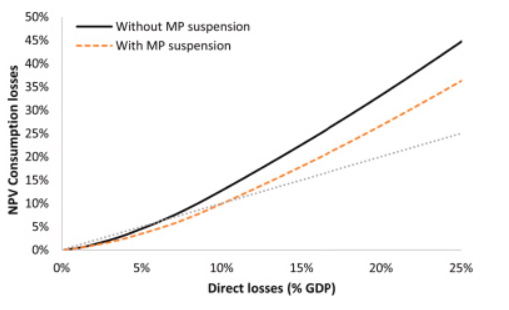
A great pleasure to see our paper on the macroeconomic modeling of natural disasters published in Economic Modelling. The paper extends the @WorldBank Macrostructural Model to capture key transmission channels of disasters and their immediate aftermath.
https://t.co/VxpYo4fYLX
5 - The welfare impact of a disaster also depends on the ability of the economy to reallocate resources toward reconstruction, and the response of monetary policy (delaying monetary policy response makes the reconstruction faster and reduces total costs).
NEWS >> In 2023, carbon pricing revenues reached a record $104 billion but more needs to be done.
Check out the just-released @WorldBank “State and Trends of Carbon Pricing 2024” report to learn more: https://t.co/o43b2BuHEh #PriceOnCarbon
@JoeriRogelj Thanks and don’t forget to send us your feedback! There is no perfect way of doing this, but we need to get started and improve over time. It will be an iterative process…
After a very collaborative development of the Resilience Rating System methodologies, we piloted it on $2.9 billion in World Bank projects. It shows how considering risk and resilience helps design and implement better projects that deliver more and better development gains.
The World Bank developed a Resilience Rating System to help guide investment decisions and improve climate resilience in project design and outcomes.
Find out what we learned from applying it to 20+ projects�The World Bank developed a Resilience Rating System to help guide investment decisions and improve climate resilience in project design and outcomes.
Find out what we learned from applying it to 20+ projects�The World Bank developed a Resilience Rating System to help guide investment decisions and improve climate resilience in project design and outcomes.
Find out what we learned from applying it to 20+ projects�The World Bank developed a Resilience Rating System to help guide investment decisions and improve climate resilience in project design and outcomes.
Find out what we learned from applying it to 20+ projects�The World Bank developed a Resilience Rating System to help guide investment decisions and improve climate resilience in project design and outcomes.
Find out what we learned from applying it to 20+ projects�The World Bank developed a Resilience Rating System to help guide investment decisions and improve climate resilience in project design and outcomes.
Find out what we learned from applying it to 20+ projects👇
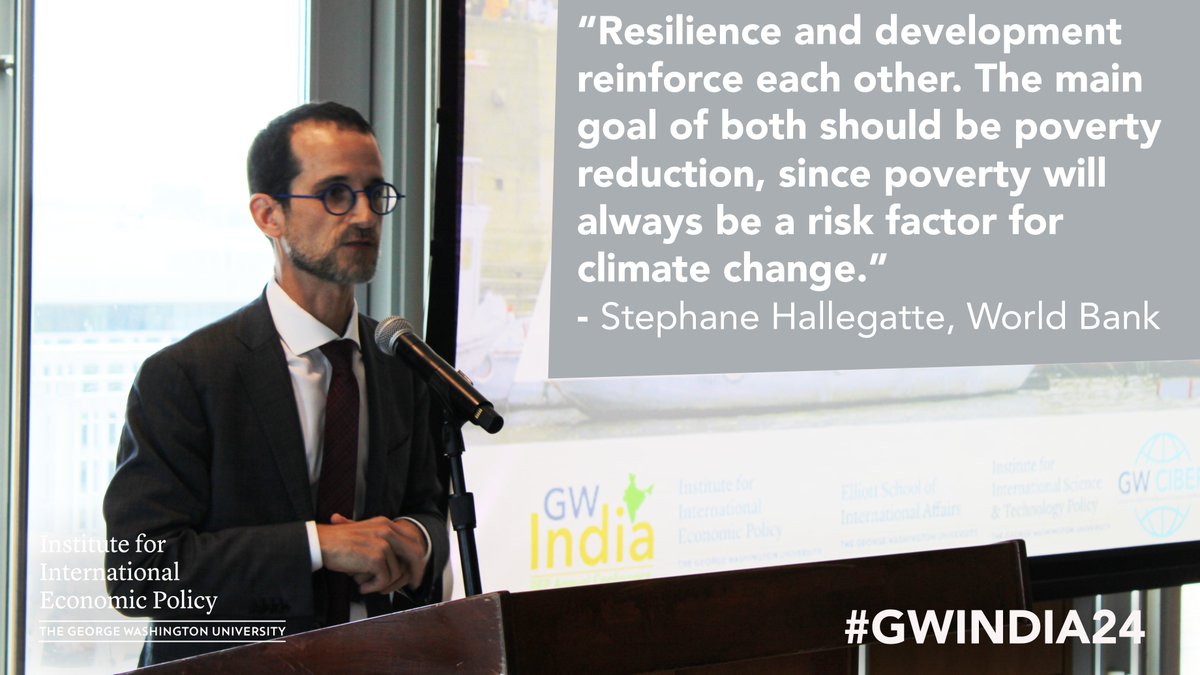
@hallegatte of the @WorldBank discusses the relationship between fostering #development and #resilience. They are not mutually exclusive, and should feed into the goal of reducing climate risk factors like poverty.
🔔🔔New paper alert!!🔔🔔
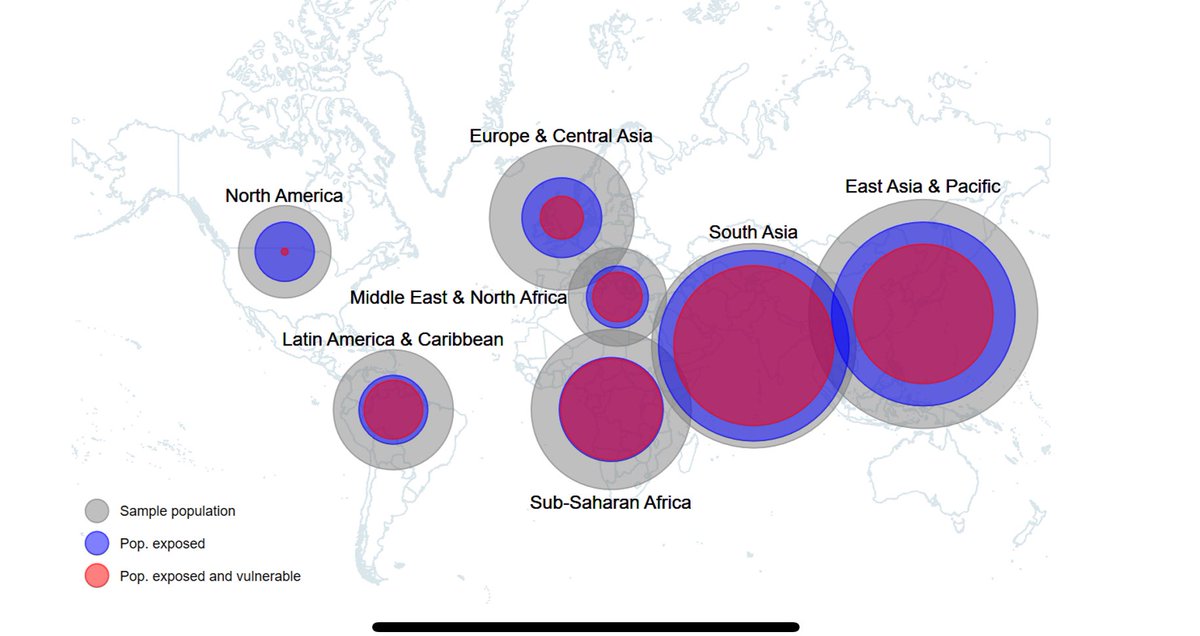
"Integrating social vulnerability into high-resolution global flood risk mapping"
in @NatureComms w/ @agyemangfelix@laurence_hawker & PI Jeff Neal. Open access here:
https://t.co/juqlsoz5NO
A 🧵 (1/15)
@edenhofer_jacob@fgenovese__@infornomics@mattkahn1966 Important topic for sure! You may also want to look at our paper “moral hazard vs land scarcity”, which ranks second-best options for flood management (and finds they are not far from the first best). https://t.co/eOUBKaULtF